
A Cinematic Weekend: The Musical Scores Defining This Week’s Major Releases
This weekend, the global box office experiences a diverse influx of new titles, ranging from high-octane fantasy epics and nostalgic comedy revivals to poignant animated features and taut romantic thrillers. As these films reach audiences, the role of their respective composers becomes the focal point for cinephiles and music enthusiasts alike. From the bombastic orchestrations of blockbuster hits to the intimate, atmospheric soundscapes of independent features, the following report explores the sonic architecture behind this week’s most anticipated arrivals.
I. Main Facts: The Sound of the Season
The current release slate offers a masterclass in versatility. Amazon MGM Studios leads the charge with the wide release of Masters of the Universe, a production that promises to define the summer blockbuster season. Simultaneously, Paramount Pictures is betting on the enduring power of comedy with the latest installment in the Scary Movie franchise. On the independent and specialized front, Viva Pictures, Magnolia Pictures, and Oscilloscope Laboratories provide a necessary counterpoint with animation, thrillers, and prestige documentaries.
Each of these projects is anchored by a carefully curated musical identity, curated by composers whose past works have already established them as vital voices in contemporary film scoring.
II. Chronology of Releases and Compositions
Masters of the Universe (Amazon MGM Studios)
Directed by Travis Knight and featuring an ensemble cast including Nicholas Galitzine, Camila Mendes, and Idris Elba, Masters of the Universe is undoubtedly the weekend’s tentpole. The film’s score is the work of Daniel Pemberton, a composer whose recent trajectory—including Project Hail Mary and the Spider-Verse franchise—has marked him as one of the most innovative sound-architects in Hollywood.
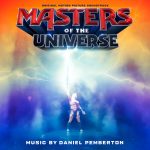
The soundtrack, released by Lakeshore Records, is notable for its inclusion of an original title song co-written and performed by the rock band The Darkness. This blend of sweeping orchestral cues and high-energy rock elements underscores the film’s ambition to balance mythic stakes with modern spectacle.
Scary Movie (Paramount Pictures)
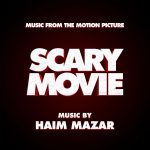
The return of the Scary Movie franchise, directed by Michael Tiddes and starring a core cast of the Wayans family alongside Anna Faris and Regina Hall, brings a familiar yet revamped comedic energy to theaters. Haim Mazar, known for his work on The Iceman and Desperation Road, provides the score. Mazar has been tasked with the difficult balance of parody—maintaining a sound that is both comedic and capable of mimicking the tropes of the horror genre. Lakeshore Records has released the full score to coincide with the film’s national debut.
The Last Whale Singer (Viva Pictures)
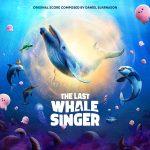
Directed by Reza Memari, this animated feature explores themes of conservation and wonder. The score, composed by Daníel Bjarnason, leans into the ethereal. Known for his work on The Deep, Bjarnason provides a thematic depth that elevates the animation. The soundtrack, released by La Boîte à Fanny, features the song "I’ll Be," performed by Ásgeir, which has already garnered significant attention for its haunting vocal performance.
Carolina Caroline (Magnolia Pictures)
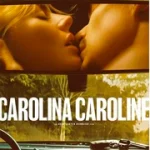
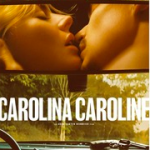
Adam Carter Rehmeier’s romantic crime thriller, starring Samara Weaving and Kyle Gallner, offers a gritty, stylistic departure from the weekend’s larger releases. Christopher Bear, of the acclaimed band Grizzly Bear, delivers a score that builds upon his recent successes with Past Lives. While there is no current soundtrack release, the film’s sonic identity remains a key talking point for critics following the film’s festival run.
Underland (Oscilloscope Laboratories)
Directed by Robert Petit and narrated by Sandra Hüller, the documentary Underland—an adaptation of Robert Macfarlane’s seminal work—presents a meditative, atmospheric experience. Hannah Peel, a composer noted for her work on The Midwich Cuckoos, utilizes instrumentation that reflects the geological and philosophical depth of the source material. Rivertones released the score earlier this spring to coincide with the film’s UK debut.
III. Supporting Data: The Composer’s Landscape
The following table summarizes the distribution and musical strategy of the current theatrical slate:
| Film Title | Composer | Distributor | Musical Approach |
|---|---|---|---|
| Masters of the Universe | Daniel Pemberton | Amazon MGM | Epic Orchestral/Rock |
| Scary Movie | Haim Mazar | Paramount | Parody/Horror-Comedy |
| The Last Whale Singer | Daníel Bjarnason | Viva Pictures | Ethereal/Cinematic |
| Carolina Caroline | Christopher Bear | Magnolia | Tense/Atmospheric |
| Underland | Hannah Peel | Oscilloscope | Minimalist/Ambient |
IV. Official Responses and Industry Perspectives
The inclusion of high-profile musicians like The Darkness and Ásgeir in these projects reflects a growing industry trend: the integration of popular music as a primary marketing tool for film scores.
"The goal," says one industry analyst, "is to create a cross-platform synergy. When you have a composer like Daniel Pemberton collaborating with a band like The Darkness, you aren’t just selling a movie ticket; you’re selling a branded audio experience."
Conversely, the minimalist approach taken by filmmakers like Robert Petit and Adam Carter Rehmeier suggests a pivot toward "prestige" scoring. By hiring artists like Christopher Bear and Hannah Peel, studios are positioning these films not as mass-market products, but as auteur-driven pieces where the music serves as an essential narrative instrument rather than mere background noise.
V. Implications: The Future of the Soundtrack
The current weekend release schedule highlights two divergent paths for film music. On one hand, we see the continued dominance of the "Soundtrack Album" as a legacy media format, where scores are packaged with title tracks to maximize streaming presence. This is evident in the Lakeshore Records releases for Masters of the Universe and Scary Movie.
On the other hand, the silence surrounding a soundtrack for Carolina Caroline suggests a shift in how smaller, independent films view their own music. In an era where music is readily available through digital platforms, some filmmakers are prioritizing the film’s internal rhythm over the need for a standalone commercial soundtrack.
The Rise of the "Global" Composer
The selection of composers like Daníel Bjarnason and Hannah Peel, who come from diverse international backgrounds, underscores the globalization of film music. As studios like Amazon MGM and Paramount look to expand their reach, they are increasingly looking beyond the traditional Hollywood "sound" to capture textures that resonate with a global audience.
Long-term Impact
The success of these films at the box office will undoubtedly dictate the trajectory of these composers. A hit for Pemberton in Masters of the Universe cements his status as a tentpole powerhouse, while the reception of Underland will likely continue to elevate Hannah Peel within the prestige documentary circuit.
As the box office settles after this weekend, the industry will be watching not only the gross earnings but the cultural footprint of these scores. In a competitive market, a memorable musical motif—be it the bombastic opening of a fantasy epic or the subtle, creeping tension of a thriller—is often what separates a fleeting cinematic moment from an enduring piece of pop culture history.
Conclusion
From the nostalgia-fueled laughter of the Scary Movie franchise to the deep, resonant questions posed by Underland, this week’s theatrical releases offer a diverse tapestry of auditory experiences. As audiences flock to theaters, the music they hear will play a critical role in shaping their perception of these stories, proving once again that in the world of modern cinema, the score is just as vital as the star on the screen.
