
A Cinematic Call to Action: Pegah Ahangarani’s ‘Rehearsals for a Revolution’ Named U.K.’s Oscar Entry
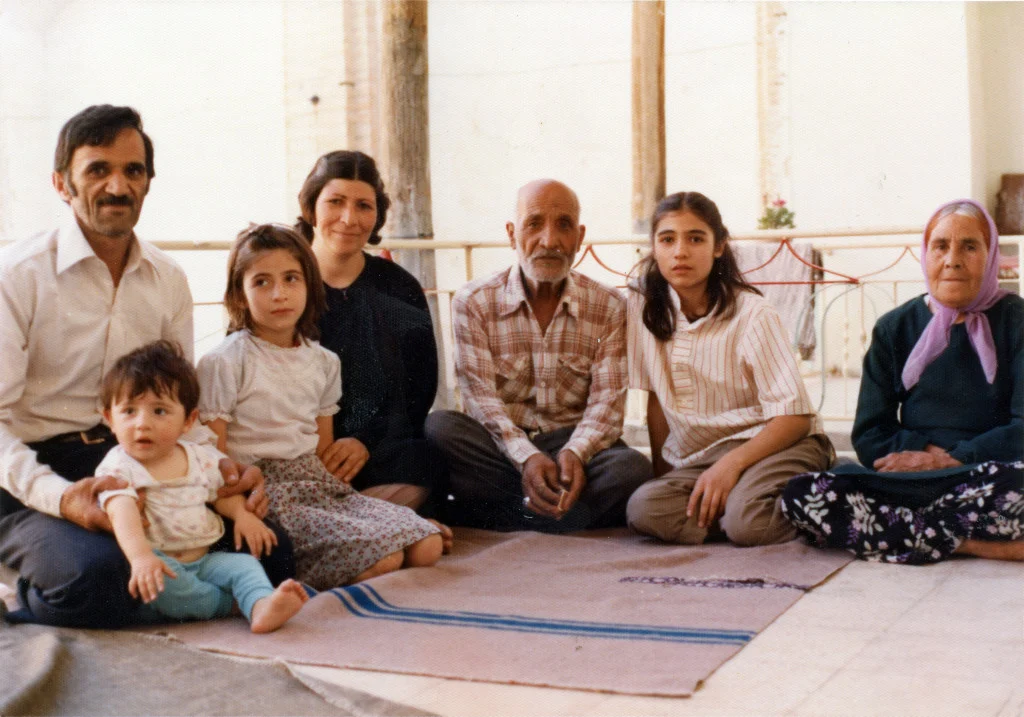
In a move that underscores the global resonance of independent documentary filmmaking, Pegah Ahangarani’s critically acclaimed Rehearsals for a Revolution has been officially selected as the United Kingdom’s entry for the Best International Feature Film category at the upcoming Academy Awards. The announcement, which confirms the film’s status as a heavyweight contender for the 99th Oscars, marks a significant milestone for Ahangarani, an Iranian filmmaker whose work captures the visceral, often painful intersection of personal displacement and national upheaval.
For Sony Pictures Classics (SPC), the selection is a strategic victory. The studio, known for its discerning taste in high-caliber international cinema, had already positioned the film as a frontrunner in the Best Documentary Feature race. With its submission in the International Feature category, Rehearsals for a Revolution now enters the rare and elite territory of films vying for nominations in both categories—a feat previously achieved by modern masterpieces such as Collective, Honeyland, and the genre-defying animated documentary Flee.
The Genesis of a Masterpiece: A Journey Through Exile
Rehearsals for a Revolution is far more than a historical chronicle; it is an intimate, haunting tapestry of memory and resistance. Born from Ahangarani’s own experience of living in exile, the film serves as a bridge between her life in Iran and her new chapter in London. To construct this narrative, Ahangarani engaged in a painstaking archival process, weaving together a diverse array of media—personal home videos, clandestine footage of street protests, yellowed newspaper clippings, and the haunting, recorded voices of those silenced by time and geography.
Spanning four decades, the film offers a non-linear but emotionally cohesive retracing of Iran’s tumultuous history. By anchoring the political in the personal, Ahangarani avoids the pitfalls of dry historical documentation, opting instead for a sensory, immersive experience that forces the viewer to confront the human cost of revolution. The film’s emotional core lies in its vulnerability; it does not merely report on history, it interrogates the very nature of belonging and the heavy price of dissent.
A Chronology of Critical Acclaim
The journey of Rehearsals for a Revolution to the Oscar stage has been characterized by a rapid and consistent accumulation of prestige. The film’s breakout moment arrived at the 2026 Cannes Film Festival, where it was awarded the L’Oeil d’Or (The Golden Eye), the festival’s top prize for documentary filmmaking. This victory served as a clarion call to the international industry, signaling that Ahangarani was a visionary voice to watch.
Following its success in France, the documentary enjoyed a robust festival circuit run, garnering standing ovations at the Telluride Film Festival and the Toronto International Film Festival (TIFF). These screenings were pivotal in building the critical consensus necessary to sustain a long-term awards campaign. Most recently, the film was honored with an Albie Award from the prestigious Maysles Documentary Center, an organization dedicated to the legacy of cinema verité and the power of the documentary form to spark social change.

For audiences in the United Kingdom, the film saw a general release this past September, where it was met with widespread critical praise for its editing, bravery, and structural ingenuity. As the film pivots toward its North American rollout, it will hold qualifying runs in New York and Los Angeles throughout December, leading up to an exclusive theatrical release on January 8, 2027, at New York’s Film Forum and the Landmark Nuart Theatre in Los Angeles.
Navigating a Shifting Oscar Landscape
The road to the 99th Academy Awards is paved with new challenges, most notably the recent, historic rule changes implemented by the Academy of Motion Picture Arts & Sciences. Historically, the Best International Feature category was strictly bound by national submissions—only one film per country, vetted by local committees.
However, the Academy has modernized its approach. While national committees still submit their choices, the category has been widened to allow consideration for other foreign films that have secured qualifying awards at major international film festivals. This shift creates a much more competitive and fluid environment for Rehearsals for a Revolution. While being the official U.K. entry provides a structural advantage, the film must still contend with an expanded pool of global contenders, making the competition for the final five slots more intense than in previous years.
Despite this, industry analysts suggest that the documentary’s unique hybrid nature—being both a personal memoir and a geopolitical study—gives it an edge that traditional narratives may lack. Its success in the documentary category could theoretically bolster its chances in the International Feature race, as Academy voters often find themselves drawn to films that demonstrate such versatility.
The Strategic Role of Sony Pictures Classics
Sony Pictures Classics is currently orchestrating a multi-pronged campaign that reflects its confidence in the film. The studio is a veteran of the awards season, having successfully navigated the complexities of Oscar politics for decades. Alongside Rehearsals for a Revolution, the studio is also championing The Only Living Pickpocket in New York, a film currently generating significant buzz for the lead performance of John Turturro.
By balancing the gritty, urgent reality of Ahangarani’s documentary with the prestige of narrative dramas, Sony Pictures Classics is ensuring that its footprint remains heavy across multiple categories. For a film like Rehearsals for a Revolution, the institutional support of a studio with such a deep track record is invaluable, particularly when navigating the logistical hurdles of an international campaign.

Official Perspectives: A Catalyst for Change
In an official statement, Sony Pictures Classics lauded the selection, noting the profound significance of the moment. "How extraordinary to see Pegah’s remarkable film recognized in this category," the studio remarked. "From winning the L’Oeil d’Or at Cannes to the standing ovations at TIFF and now this recognition, Rehearsals for a Revolution is building incredible momentum and marking a significant moment for a formidable female filmmaker creating in exile from her home country."
The studio emphasized the transformative potential of the nomination, stating, "This selection in the Best International Feature category has the potential to be truly transformative for the film, opening doors to audiences around the world while shining a spotlight on Pegah’s extraordinary talent and her vital voice. It’s a recognition that will have a lasting impact not only on the life of this film, but on Pegah’s future career as a filmmaker."
The selection process itself was conducted by a dedicated committee of members from BAFTA’s film committee, who were tasked with identifying a project that best represents the artistic breadth and cultural depth of the U.K. film industry. Their decision to choose a documentary reflects an increasing appreciation for non-fiction storytelling as a pillar of contemporary prestige cinema.
Implications for Global Cinema
The nomination of Rehearsals for a Revolution carries implications that extend beyond the glitz of the red carpet. It validates the "cinema of exile"—a growing movement of filmmakers who utilize the medium to reclaim their narratives after being forced from their homelands. By selecting Ahangarani’s work, the U.K. selection committee has sent a clear signal that the stories of the displaced are not peripheral, but central to the global conversation.
Furthermore, the film’s success challenges the traditional boundaries between documentary and narrative features. As the Academy continues to evolve its rules, the success of films that defy easy classification will likely encourage more bold, experimental storytelling. If Rehearsals for a Revolution secures the nomination, it will not only be a victory for Pegah Ahangarani but a milestone for the documentary genre, cementing its place as a formidable force in the highest echelons of cinematic competition.
As the 99th Oscars approach, all eyes will be on the Academy’s shortlists. For now, Rehearsals for a Revolution stands as a testament to the power of the archive and the persistence of the human spirit. It is a film that demands to be seen, not just as a piece of art, but as a crucial historical document of a generation in flux.
