
A Night of Sonic Mastery: Daniel Pemberton and Industry Titans Honored at the World Soundtrack Awards
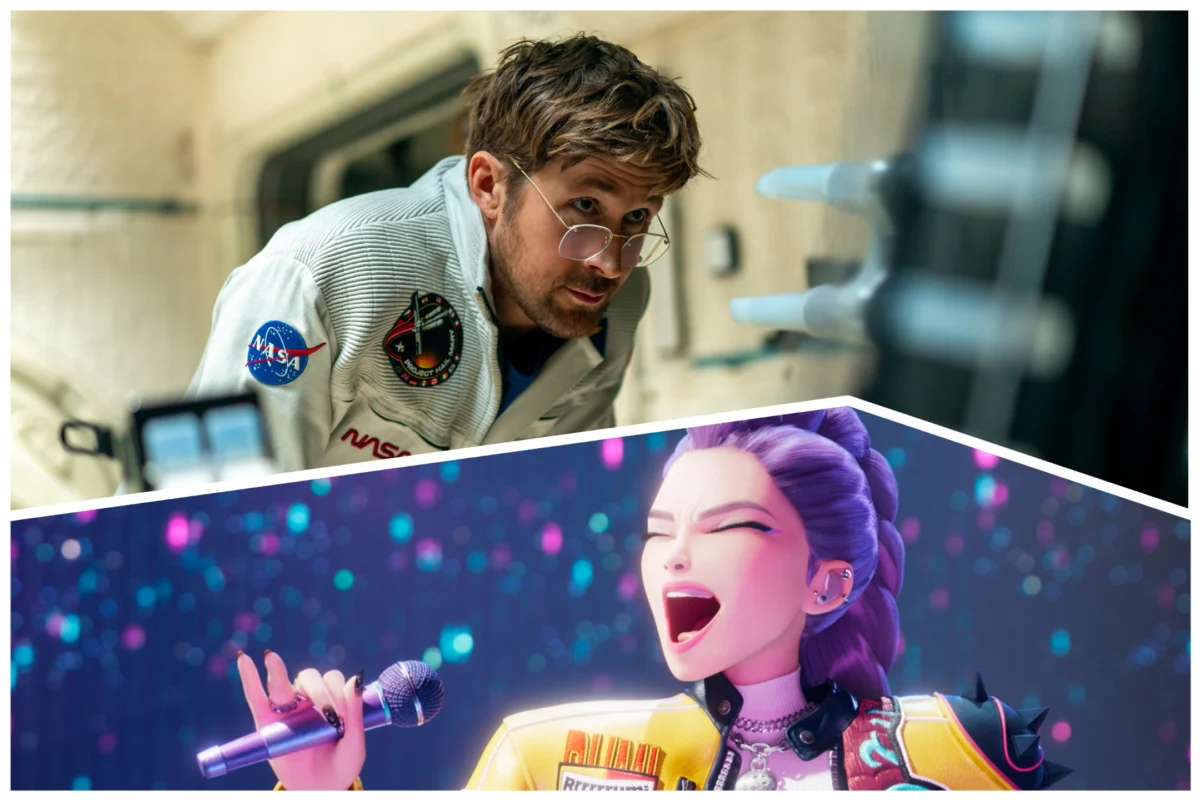
The global film music community converged in Ghent, Belgium, this past Saturday for the annual World Soundtrack Awards (WSA), an evening that celebrated the profound intersection of cinematic storytelling and auditory innovation. In a ceremony marked by both nostalgic tributes to legendary careers and the recognition of boundary-pushing contemporary talent, British composer Daniel Pemberton secured the evening’s most prestigious honor, being named Film Composer of the Year.
The gala served as a poignant reminder of the enduring power of the film score, featuring stellar performances by the Brussels Philharmonic under the baton of conductor Dirk Brossé, and highlighting the collaborative spirit that drives the industry forward.
Main Facts: The Triumph of Daniel Pemberton
Daniel Pemberton’s recognition as Film Composer of the Year marks a significant milestone in his career, cementing his status as one of the most versatile and inventive voices in modern cinema. This latest accolade is his third career victory at the Ghent-based ceremony, following his 2021 win for Film Composer of the Year and his 2014 recognition as Discovery of the Year.
Pemberton’s award-winning run is defined by an eclectic slate of projects, including the highly anticipated Project Hail Mary, The Drama, The Bad Guys 2, and the massive undertaking of Masters of the Universe. His work on Project Hail Mary in particular has garnered critical acclaim for its unorthodox methodology. During a roundtable discussion held just hours before the awards ceremony, Pemberton detailed the experimental labor behind the score, noting that he sought to find "universal resonance" in the unfamiliar.
"It was a case of throwing every crazy idea we could into the score, but at the same time, it had to be really emotional," Pemberton explained. He described using unconventional materials—wood, metal, and glass—and even finding inspiration in the mundane acoustics of a friend’s leaky faucet. "I spent a lot of time trying to make people cry," he admitted, highlighting the delicate balance between technical experimentation and raw human sentiment.
Chronology and Industry Highlights
The evening unfolded as a sophisticated tapestry of the past, present, and future of composition.
The Awards Gala Timeline
The event opened with a high-energy acknowledgment of pop-crossover success, as the track "Golden" from the animated feature KPop Demon Hunters claimed the award for Best Original Song. Penned by songwriter Mark Sonnenblick and performer EJAE, the track’s win follows an already impressive run, including a Grammy, a Golden Globe, and a high-profile remix by David Guetta. While the winners were not present to accept their trophies, the recognition serves as a testament to the increasing fluidity between pop music and animation soundtracks.
Following this, the focus shifted to television, where composer Jeff Russo was honored as Television Composer of the Year. Russo’s work on Alien: Earth, Cape Fear, and Citadel (Season 2) was lauded for its ability to cultivate deep, atmospheric dread—a hallmark of his recent creative output.
The middle portion of the ceremony turned toward the future, with Northern Irish composer Hannah Peel earning the "Discovery of the Year" award for her work on Midwinter Break. Peel, who is currently scoring the highly anticipated Netflix series adaptation of Assassin’s Creed, represents the next generation of composers capable of navigating high-stakes franchise work with a distinct individual voice.

The ceremony reached its emotional peak with the Lifetime Achievement Award presented to Trevor Jones. Accompanied by a lush orchestral suite that spanned his iconic career—including themes from The Last of the Mohicans, The Dark Crystal, and Notting Hill—the audience was treated to a masterclass in the legacy of film scoring.
Supporting Data: The Craft of Dread and Atmosphere
A recurring theme throughout the evening was the dialogue between modern composers and the masters of the past. Jeff Russo, in his acceptance speech and subsequent discussions, shed light on the technical rigor required to honor cinematic history while forging new paths.
For his work on Cape Fear, Russo had to integrate motifs from Bernard Herrmann’s original 1962 score. "That made my job both easier and much harder," Russo remarked. "I had to figure out how Herrmann writes harmonically so the two scores could sound sympathetic and live together."
This commitment to the "sonic DNA" of a franchise extended to his work on Alien: Earth. Russo spoke of the contrasting legacies of Jerry Goldsmith and James Horner, noting that while Goldsmith’s original Alien score was built on dread, Horner’s Aliens leaned into militaristic action. By incorporating a subtle, delayed horn motif from Goldsmith’s original, Russo aimed to create an "Easter egg" for franchise aficionados, emphasizing that even in the darkest, most suspenseful scores, the goal remains to engage and delight the audience.
Official Responses and Creative Philosophy
The World Soundtrack Awards serve not just as a competition, but as a forum for creative philosophy.
EJAE on Artistic Autonomy
The conversation surrounding "KPop Demon Hunters" highlighted the tension between marketing labels and artistic identity. EJAE, reflecting on her earlier comments to Variety, expressed a desire to transcend the industry’s tendency to categorize artists by genre. "As an artist, I don’t want myself to be boxed into being a ‘K-pop’ artist because I don’t really view myself as a K-pop artist or a pop artist," she stated. "I view myself as a songwriter of every genre." This sentiment echoes a growing trend among modern musicians who prioritize narrative-driven songwriting over rigid adherence to genre tropes.
Hildur Guðnadóttir’s Presence
The evening was further elevated by the presence of guest of honor Hildur Guðnadóttir. Her contribution was a highlight of the gala, as she joined the Brussels Philharmonic on stage, cello in hand, to perform selections from her work, including the haunting themes from Joker and Tár. The visual of an Academy Award-winning composer performing alongside an orchestra provided a tangible connection between the theoretical work of composition and the physical act of performance.
Implications: The Future of the Industry
The 2026 World Soundtrack Awards painted a clear picture of the current industry landscape: a sector that is increasingly global, genre-fluid, and deeply respectful of its history.
- The Rise of the Hybrid Score: With winners like Daniel Pemberton and Jeff Russo, it is clear that the industry values composers who can blend traditional orchestral techniques with sound design and non-traditional instrumentation. The use of "found sounds" and high-concept experimentation is no longer a niche practice but a mainstream requirement for high-profile films.
- Franchise Continuity: The success of Alien: Earth and the continued interest in Assassin’s Creed (via Hannah Peel) demonstrates that television and streaming services are demanding the same level of thematic depth previously reserved for feature films. The industry is moving toward a model where "franchise music" is treated as a continuous, evolving conversation rather than a static asset.
- Global Recognition: By honoring talents like Kevin Smithers for his work on the Mexican stop-motion feature Soy Frankelda, the WSA reinforced its commitment to international cinema. The collaboration between Smithers and directors Arturo and Roy Ambriz on a new musical project indicates that cross-border, independent animation is becoming a fertile ground for musical innovation.
As the curtain fell on the Ghent ceremony, the takeaway was evident: film music is entering a new golden age of experimentation. From the glass-and-faucet textures of Pemberton to the legacy-honoring compositions of Russo, the composers of today are not merely writing music to accompany scenes—they are building the emotional architecture of the future of entertainment.
Full List of Winners
- Film Composer of the Year: Daniel Pemberton (Project Hail Mary, The Drama, The Bad Guys 2, Masters of the Universe)
- Television Composer of the Year: Jeff Russo (Alien: Earth, Cape Fear, Citadel Season 2)
- Best Original Song: "Golden" from KPop Demon Hunters (Kim Eun-jae, Mark Sonnenblick, et al.)
- Discovery of the Year: Hannah Peel (Midwinter Break)
- Public Choice Award: Kevin Smithers (Soy Frankelda)
- Game Music Award: Nicolas Garcia (Cthulhu: The Cosmic Abyss)
- Belgian Film Composer of the Year: Margaret Hermant (A La Cara: Mallorca Confidencial)
- Best Original Composition by a Young Composer: Xabier Doural García
- Lifetime Achievement Award: Trevor Jones
