
ARRI Film Lab 1.5 Redefines Digital Emulation with 8mm, 16mm, and 65mm Formats, Anamorphic Controls, and ACES 2.0 Integration
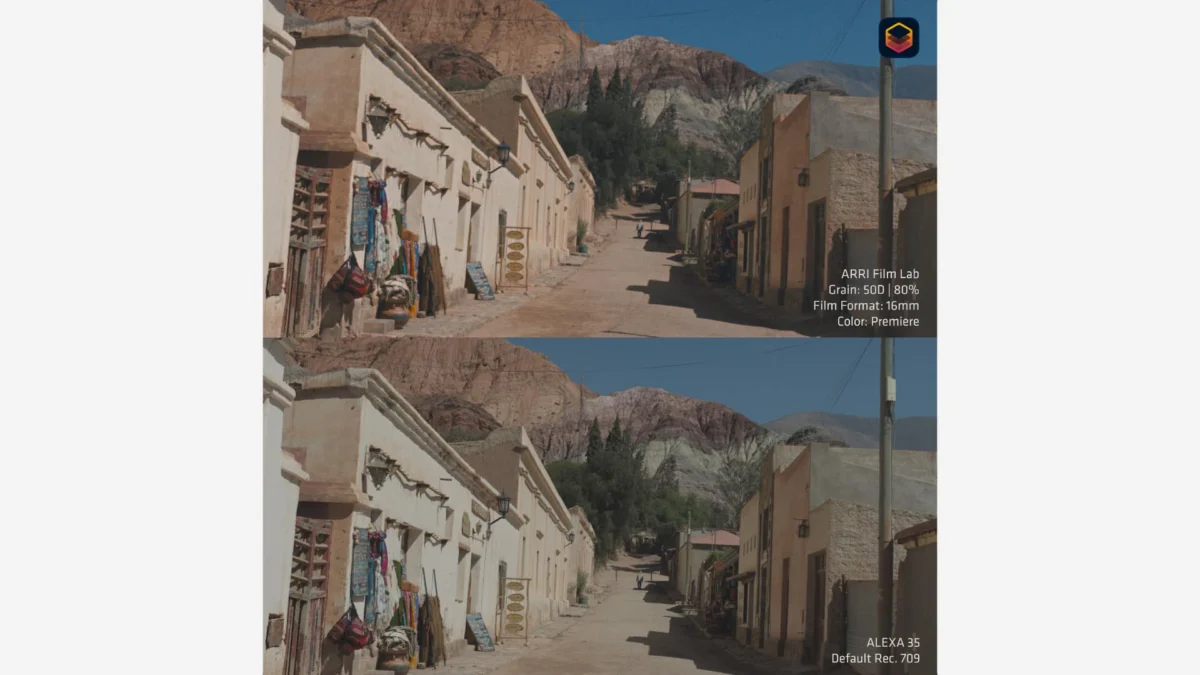
LOS ANGELES — In the ever-evolving landscape where digital cinema meets analog nostalgia, ARRI has officially introduced Film Lab 1.5, a substantial update to its acclaimed license-based OpenFX plugin. Designed for integration across industry-standard color grading environments such as DaVinci Resolve and Baselight, this new iteration delivers an expanded suite of analog film formats, nuanced physical controls, and vital workflow optimizations.
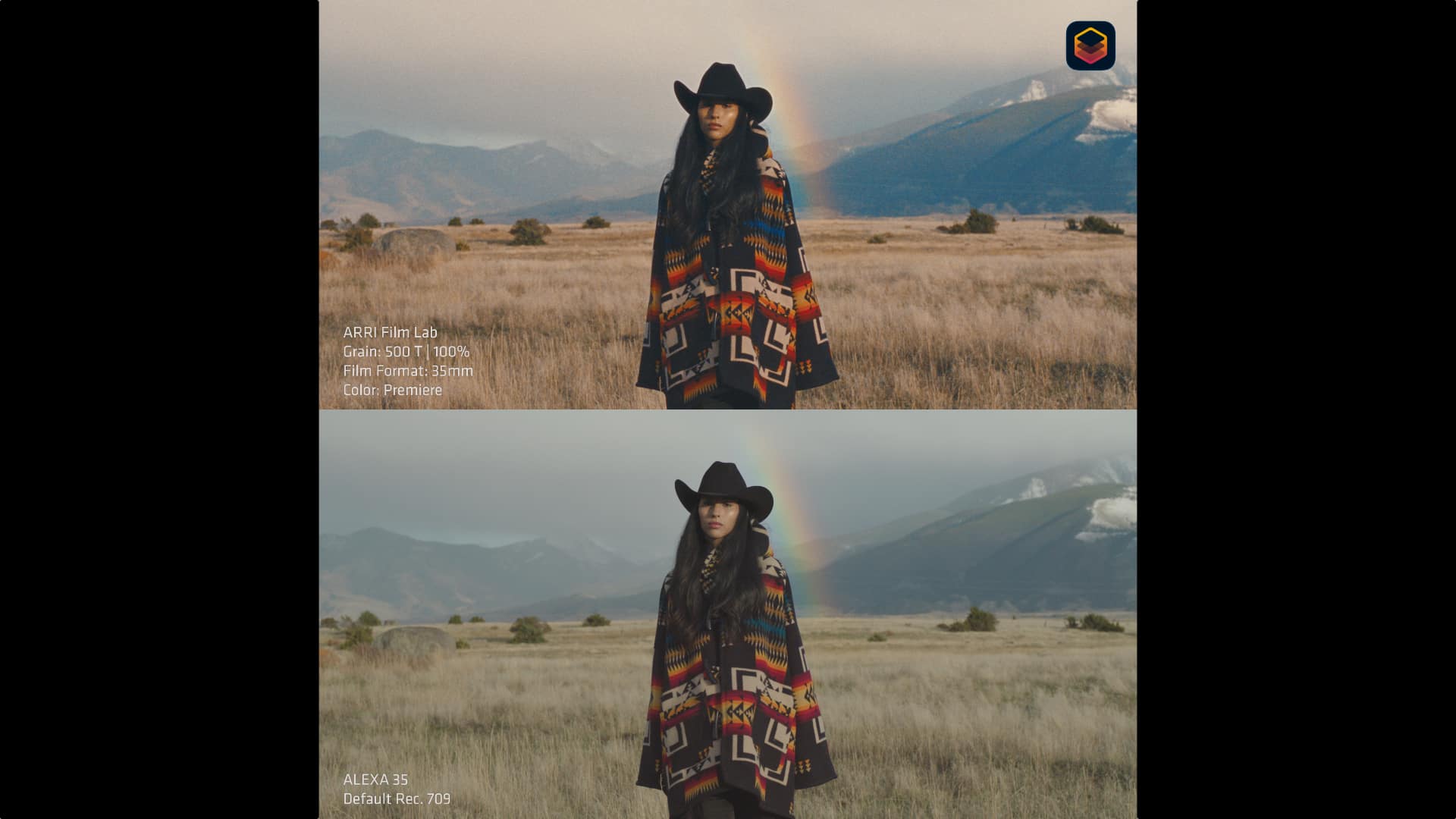
While the initial release of ARRI Film Lab in November 2025 firmly established a new benchmark for software-based celluloid simulation—largely rooted in 35mm aesthetics—version 1.5 broadens the creative canvas significantly. By introducing support for 8mm, 16mm, and 65mm formats, alongside native ACES 2.0 integration and a dramatic fourfold boost in processing speed, ARRI continues to bridge the aesthetic gap between clean digital capture and the organic imperfections of traditional film stock.
Main Facts: What’s New in ARRI Film Lab 1.5
The 1.5 update transcends a typical maintenance patch, introducing a robust array of features that grant colorists and cinematographers deeper control over the analog emulation pipeline.
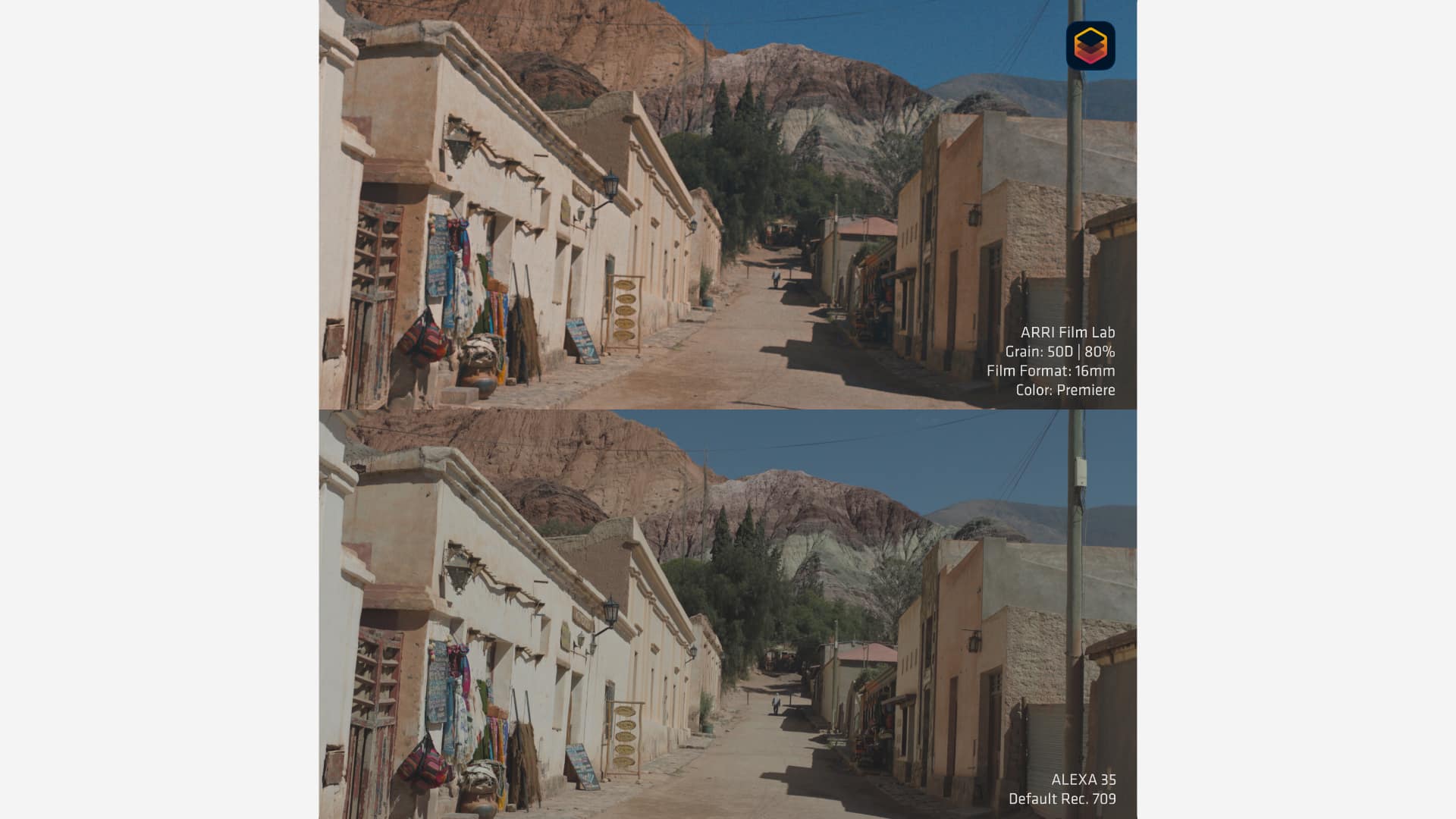
- Expanded Format Selection: Moving beyond the original 35mm limitation, users can now choose from 8mm, 16mm, 35mm, and 65mm formats as a starting point for their emulation pipeline.
- Granular Physical Parameters: Two entirely new parameters have been introduced—Grain Size and Rendition of Detail—allowing users to finely adjust the physical scale of the grain and the perceived sharpness, both ranging from 0.75 to 1.5.
- Anamorphic and Halation Controls: A new Anamorphic Ratio control offers eight distinct squeeze ratios from 1.25x to 2.0x, manipulating the horizontal stretching of film grain and halation glow. Additionally, a Halation Spread control adjusts the radius and character of the glow surrounding highlights and high-contrast edges, while the maximum values for both Grain Intensity and Halation Intensity have doubled to a 0.0 to 2.0 range.
- ACES 2.0 Support: Delivering on a roadmap promise made during the initial launch, the software now supports ACES 2.0
ACESccandACEScctinput and output options, ensuring seamless modern color-managed workflows. - Performance Optimization: The plugin has been heavily optimized, boasting performance up to four times faster than its predecessor and enabling real-time UHD playback on a wider range of hardware, including Apple Silicon MacBook Pro systems.
- Pricing and Availability: Available immediately via RE:Vision Effects, Film Lab 1.5 is a free upgrade for existing license holders. New customer pricing scales from a $25 monthly subscription to a $500 perpetual license.
Chronology: The Evolution of ARRI Film Lab
To understand the weight of the 1.5 update, it is essential to trace the recent trajectory of ARRI’s foray into advanced software-based film emulation.
November 2025: The Genesis
ARRI officially released the original Film Lab plugin. Designed to run within host applications utilizing the OpenFX standard—most notably Blackmagic Design’s DaVinci Resolve—the software was praised for its mathematically rigorous approach to simulating negative stocks, print processes, and gate weave. At launch, ARRI committed to future support for the then-emerging ACES 2.0 standard, laying the groundwork for more sophisticated color management integration. However, the initial toolkit was strictly tethered to a 35mm baseline, leaving cinematographers working in ultra-wide 65mm or gritty 16mm and 8mm formats to manually tweak parameters to approximate those distinct look profiles.
Late 2025 – Early 2026: The On-Set Preview Roadmap
Following the initial rollout, ARRI outlined plans to bring in-camera Film Lab previews directly to the ALEXA 35 and ALEXA 35 Xtreme via an upcoming firmware update. This anticipated feature generated immense excitement among cinematographers wanting to monitor film looks live on set without burning them into the primary capture files.
Mid-2026: The Arrival of Version 1.5
ARRI released Film Lab 1.5 through its development partner RE:Vision Effects. While the update successfully delivers on the promised ACES 2.0 integration, the anticipated in-camera firmware previews for the ALEXA 35 series have not yet materialized. Consequently, ARRI continues to direct on-set DPs and digital imaging technicians (DITs) toward reliable live-monitoring alternatives like Pomfort Livegrade or DaVinci Resolve Live.
Supporting Data: Technical Deep Dive into the Parameters
The upgrade introduces a level of mathematical and visual granularity that transforms the plugin from a simple look-up table (LUT) alternative into a comprehensive photochemical laboratory simulation suite.
| Parameter Category | New Features in Version 1.5 | Operational Range |
|---|---|---|
| Format Scale | 8mm, 16mm, 35mm, 65mm | Format selection sets baseline grain and optical characteristics. |
| Grain Scaling | Grain Size | 0.75 to 1.5 (Adjusts physical scale of the simulated silver halide crystals). |
| Perceived Sharpness | Rendition of Detail | 0.75 to 1.5 (Modulates micro-contrast and apparent image sharpness). |
| Anamorphic Physics | Anamorphic Ratio | 1.25x, 1.33x, 1.5x, 1.6x, 1.8x, 2.0x (Stretches grain and halation horizontally). |
| Highlight Bleed | Halation Spread | Adjustable radius and character for highlight/edge glow. |
| Intensity Multipliers | Grain Intensity & Halation Intensity | 0.0 to 2.0 (Doubled maximum ceiling compared to v1.0). |
Furthermore, the integration with FilmLight Baselight introduces an advanced OpenFX color management pipeline. In Baselight, the plugin automatically inherits the timeline color space and assigns the correct input transform natively, eliminating the previous requirement for manual color space declarations inside the plugin interface.
Official Responses and Industry Reception
Reactions from colorists, DITs, and post-production supervisors have been overwhelmingly positive, particularly regarding the performance enhancements and expanded format options.
"With Film Lab 1.5, we aren’t just applying a blanket film look anymore; we are emulating the specific optical physics of disparate film gauges. The addition of 16mm and 65mm profiles completely changes how we can match digital capture to archival footage or achieve a specific historical texture."
— Anonymous Senior Colorist, Los Angeles Post-Production Facility
ARRI’s engineering team emphasized that the fourfold speed increase was a primary objective for version 1.5. In modern high-end episodic television and feature film pipelines, real-time playback at UHD resolutions is non-negotiable. By optimizing the rendering engine, ARRI has ensured that colorists can grade with complex grain structures, gate weave, and halation enabled simultaneously without stuttering—even on portable editing setups like Apple Silicon MacBook Pro machines.
Despite the praise, industry observers have noted the continued absence of the promised in-camera preview firmware for the ALEXA 35. ARRI has maintained transparency on the matter, advising users that while hardware-level monitoring is still in development, third-party software solutions like Pomfort Livegrade remain fully capable of routing the plugin’s look profiles onto set monitors in real time.
Implications for the Future of Cinematography
The release of ARRI Film Lab 1.5 underscores a broader philosophical shift in modern filmmaking: the acknowledgment that digital sensors, for all their cleanliness and dynamic range, often benefit from the psychological and aesthetic warmth of photochemical artifacts.
1. Democratization of High-End Formats
Historically, shooting on 65mm IMAX stock or vintage 8mm required massive budgets, specialized physical camera packages, and complex lab processing chains. By abstracting these visual signatures into software, independent filmmakers and commercial directors utilizing digital sensors (such as the ARRI ALEXA 35 or LF) can evoke the grand, sweeping vistas of 65mm or the intimate, gritty punk aesthetic of Super 8 within a single digital ecosystem.
2. Standardization of Color Workflows
The inclusion of native ACES 2.0 support signals ARRI’s commitment to open, standardized color management. As facilities worldwide transition to ACES 2.0 to handle increasingly complex mixed-format workflows (combining archival film scans, VFX plates, and modern digital capture), tools like Film Lab 1.5 ensure that creative styling does not break color-managed data integrity.
3. The Hybrid Production Standard
As software solutions continue to mimic physical film stocks with startling accuracy—accounting for gate weave, dye coupling, halation, and grain physics—the debate between shooting film versus digital enters a new phase. While the tactile experience of loading physical film remains irreplaceable to many purists, tools like ARRI Film Lab 1.5 prove that digital acquisition no longer has to look clinical. It can carry the soul of celluloid, rendered in real time on a laptop screen.
