
Beyond the Factory Floor: A Comprehensive Guide to Aftermarket Backup Camera Technology
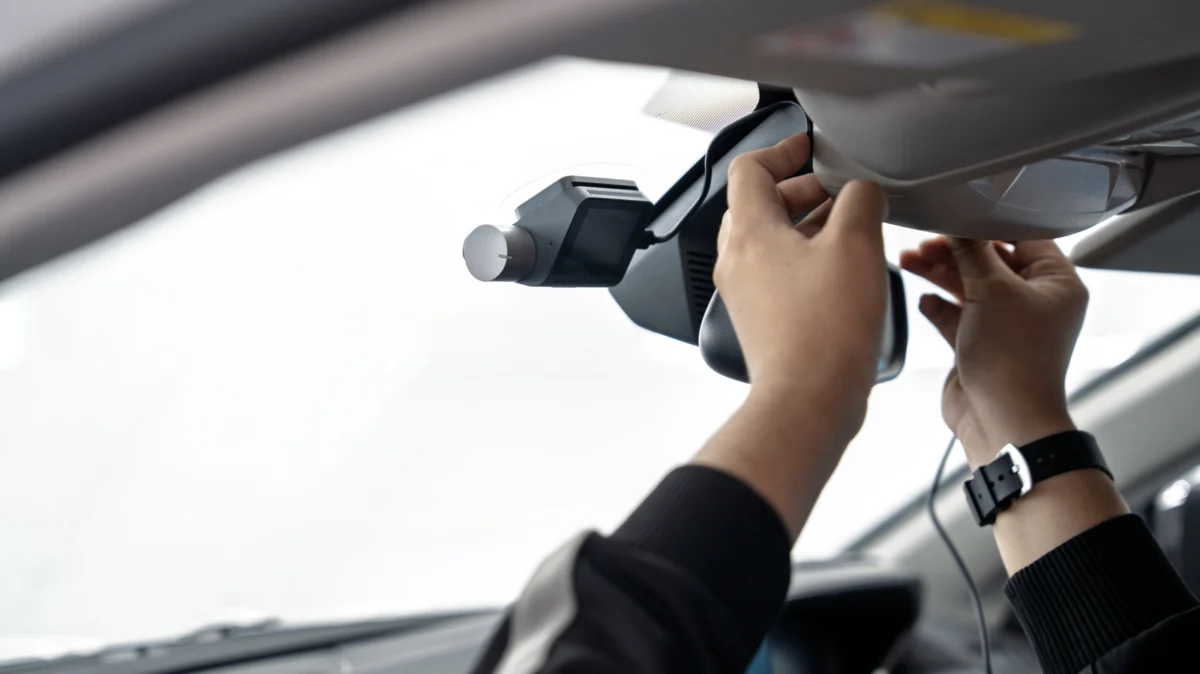
For modern drivers, the backup camera has transitioned from a high-end luxury feature to an absolute necessity. Since the National Highway Traffic Safety Administration (NHTSA) mandated that all new vehicles manufactured after May 2018 must be equipped with rearview visibility technology, the standard of parking safety has shifted. Yet, millions of older vehicles remain on the road without this critical safety net.
While integrated factory systems offer seamless performance, the aftermarket industry has bridged the gap for legacy vehicle owners. From budget-friendly DIY kits to sophisticated wireless systems, upgrading an older car is now more accessible than ever—but it requires an understanding of how these systems function, their inherent limitations, and the trade-offs involved in choosing an aftermarket solution over an OEM (Original Equipment Manufacturer) integration.
The Evolution of Rearview Visibility
A Brief Chronology of Automotive Safety
The journey of the backup camera began long before it became a standard commodity. In the mid-1950s, Buick showcased the "Centurion" concept car, which utilized a rear-mounted television camera that displayed images on a dashboard screen. While innovative, the technology was prohibitively expensive and lacked the miniaturization required for mass-market consumer vehicles.
It wasn’t until 1991 that the Toyota Soarer became the first production car to offer a factory-installed backup camera. Throughout the 2000s, the feature began to trickle down into luxury SUVs and high-end sedans. The true turning point, however, occurred in the 2010s. As dashboard infotainment screens became standard, the cost of adding a rear-facing lens dropped significantly. By 2018, the federal mandate cemented the backup camera as a staple of automotive safety, alongside seatbelts and airbags.
For owners of vehicles manufactured prior to 2018, the "aftermarket revolution" began in parallel. Initially, these systems were bulky, wired, and required professional installation. Today, the market is dominated by wireless, battery-powered, and solar-integrated solutions that democratize the technology, allowing a driver to turn a 2005 sedan into a vehicle with 2024-level parking awareness.
Anatomy of an Aftermarket System: How It Works
At its core, an aftermarket backup camera system is a three-part ecosystem: the lens, the transmission medium, and the display.
The Lens and Imaging Sensor
Most aftermarket cameras utilize a wide-angle or "fish-eye" lens. This is essential because the camera is typically mounted in a fixed position, often near the license plate. By using a lens with a field of view exceeding 150 degrees, the camera captures a panoramic view of the area behind the bumper.
An internal processor automatically "mirrors" the image. This is a critical software function; without it, the image would appear reversed (showing objects on the left that are actually on the right), which would be counterintuitive for a driver checking their rearview mirror.
The Wireless Transmission Loop
The biggest differentiator between a factory system and an aftermarket one is the transmission method. Factory systems are hard-wired directly into the vehicle’s CAN bus (Controller Area Network), ensuring zero latency and high-definition resolution.
Aftermarket systems, conversely, rely on:
- Dedicated Radio Frequencies (RF): Often used in mid-range kits for stability.
- Wi-Fi/Digital Signals: The most common modern approach, allowing the camera to transmit to a smartphone or a dedicated standalone monitor.
- Bluetooth: Less common today due to limited bandwidth and range, but still present in some low-cost legacy systems.
Power Management
The installation complexity largely depends on the power source. Hard-wired systems require splicing into the vehicle’s reverse light circuit. When the driver shifts into "Reverse," the tail light circuit closes, sending a 12V current to the camera, which then triggers the monitor.
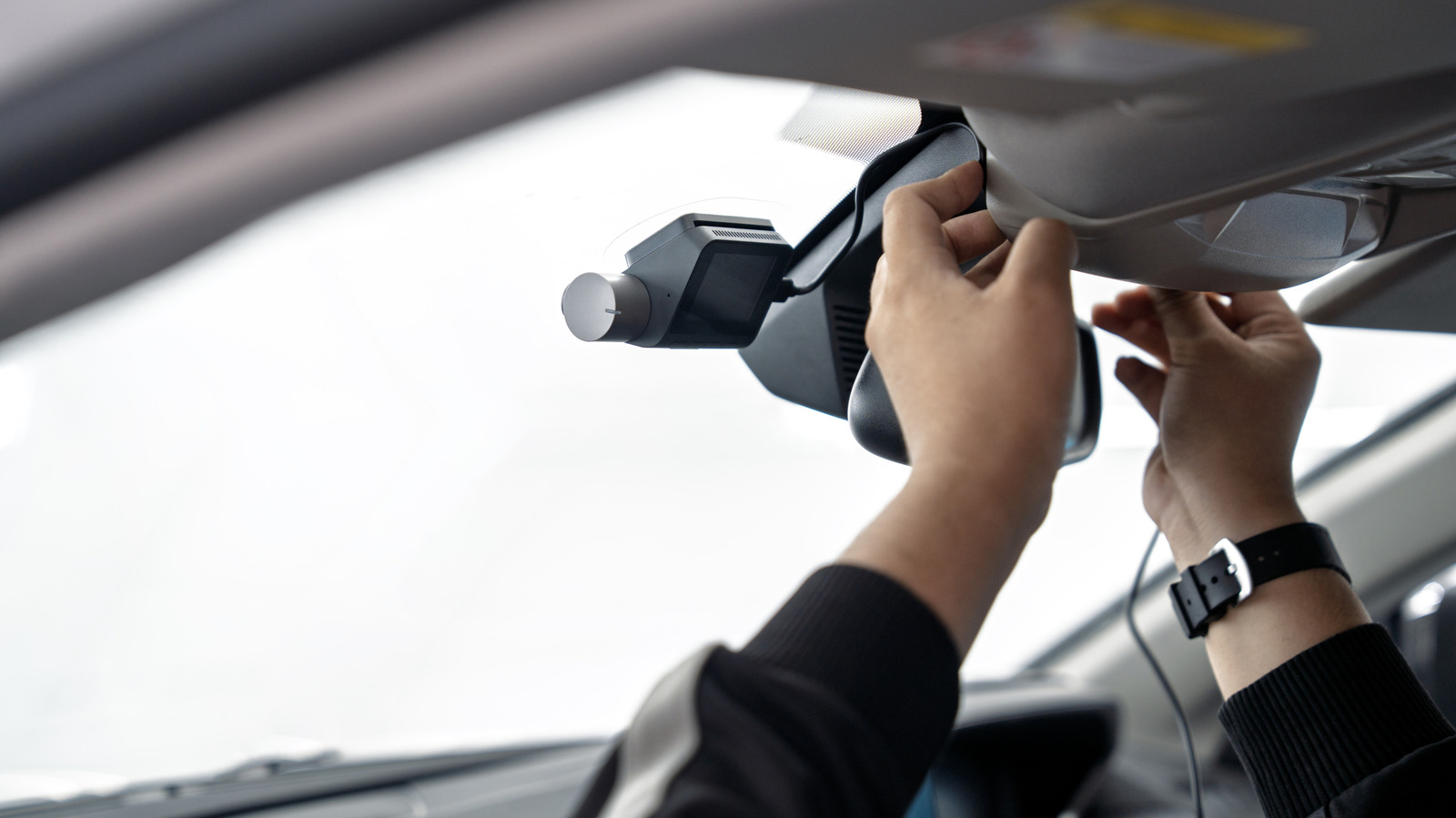
Alternatively, solar-powered units have gained massive popularity. These cameras feature a small photovoltaic panel on top of the lens housing that charges an internal battery. These systems are truly "plug-and-play," as they require no wiring into the vehicle’s electrical system, though they do require periodic manual charging or consistent sun exposure to function reliably.
Supporting Data: Costs and Performance Metrics
The price range for these systems is vast, reflecting the disparity in quality.
| System Type | Cost Range | Installation Effort | Reliability |
|---|---|---|---|
| Basic Wired | $40 – $150 | High (Requires wiring) | Excellent (No interference) |
| Wireless RF | $80 – $250 | Moderate | Moderate (Susceptible to noise) |
| Solar/Battery | $100 – $400 | Low (DIY friendly) | Variable (Battery dependent) |
Market data suggests that while the "sticker price" of a $60 camera seems attractive, the labor costs for professional installation—which can exceed $600—often make wireless systems the more economical choice for the average consumer. However, the trade-off is often in the resolution. While factory cameras are moving toward 1080p digital feeds, many aftermarket wireless cameras transmit at 480p or lower, resulting in a compressed, slightly grainy image.
The "Invisible" Gap: Why Aftermarket isn’t OEM
It is a common misconception that a backup camera is a backup system. When a consumer purchases a new vehicle, the camera is merely one component of a larger "Parking Assistance" suite.
Lack of Sensor Integration
Most aftermarket cameras act as an "extra set of eyes." They do not communicate with the vehicle’s computer. Consequently, they lack:
- Proximity Alerts: Unlike factory systems that emit an audible "beep" that increases in frequency as you approach an obstacle, most aftermarket cameras offer only visual feedback. If you are distracted or the glare on your screen is too high, the camera will not "warn" you of a collision.
- Dynamic Guidelines: Advanced factory systems feature "active" grid lines that bend as you turn the steering wheel, predicting your path. Aftermarket systems generally provide "static" lines that offer a rough estimate but do not account for the vehicle’s trajectory.
- Computer Vision: Modern luxury vehicles use AI-enhanced vision to detect pedestrians or moving cross-traffic. Aftermarket solutions are purely reactive; they show you what is there, but they do not interpret the scene for you.
Implications for Safety and Implementation
The proliferation of aftermarket cameras has undoubtedly saved lives, particularly by reducing "back-over" accidents involving small children or pets. However, safety experts urge caution.
The Dangers of "Screen Dependency"
One of the primary implications of adding a camera to an older vehicle is the shift in driver behavior. When relying on a camera, drivers often stop performing the "physical" check—the shoulder check. Because aftermarket cameras may suffer from signal interference, low-light graininess, or battery failure, a driver who relies exclusively on the monitor is at higher risk than one who uses the camera as a supplement to mirrors.
Installation Best Practices
For those opting to install a system, industry professionals recommend the following:
- Placement is Paramount: Ensure the camera is mounted at the highest possible point on the rear of the vehicle to maximize the field of view.
- Weatherproofing: If you live in an area with harsh winters or heavy rain, ensure your unit has an IP67 or IP68 rating, meaning it is dust-tight and capable of withstanding immersion in water.
- Cable Integrity: If choosing a wired system, always use heat-shrink tubing on wire splices to prevent corrosion, which is the leading cause of "ghosting" or signal loss in older, retrofitted cameras.
Conclusion: The Path Forward
The aftermarket backup camera industry serves as a vital bridge for the millions of aging vehicles on our roads. While these systems cannot replicate the high-fidelity, sensor-integrated experience of a brand-new vehicle, they provide an essential safety upgrade for a fraction of the cost.
As technology advances, we can expect to see higher-resolution wireless signals, improved low-light performance, and perhaps even "smart" aftermarket cameras that incorporate proximity sensors via Bluetooth. Until then, the discerning driver should view an aftermarket backup camera as a powerful tool—provided it remains a secondary aid, not a replacement for fundamental driving awareness and safe habits. Whether you choose a simple solar-powered unit or a hard-wired professional kit, the goal remains the same: ensuring that the space behind your bumper is never a blind spot.
