
Celebrating a Cinematic Masterpiece: The Enduring Legacy of The Thin Man (1934)
Main Facts: The Genesis of a Classic
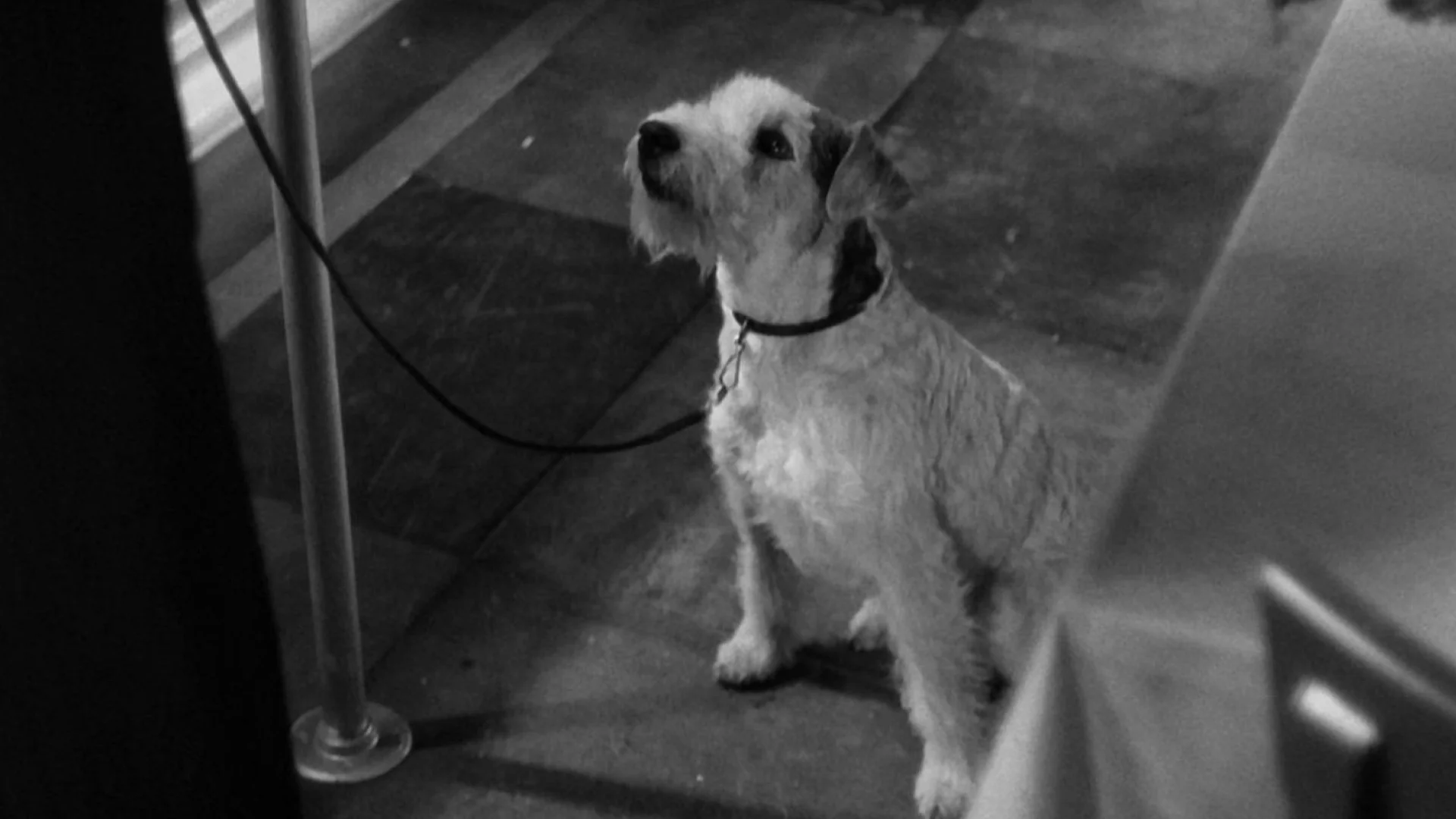
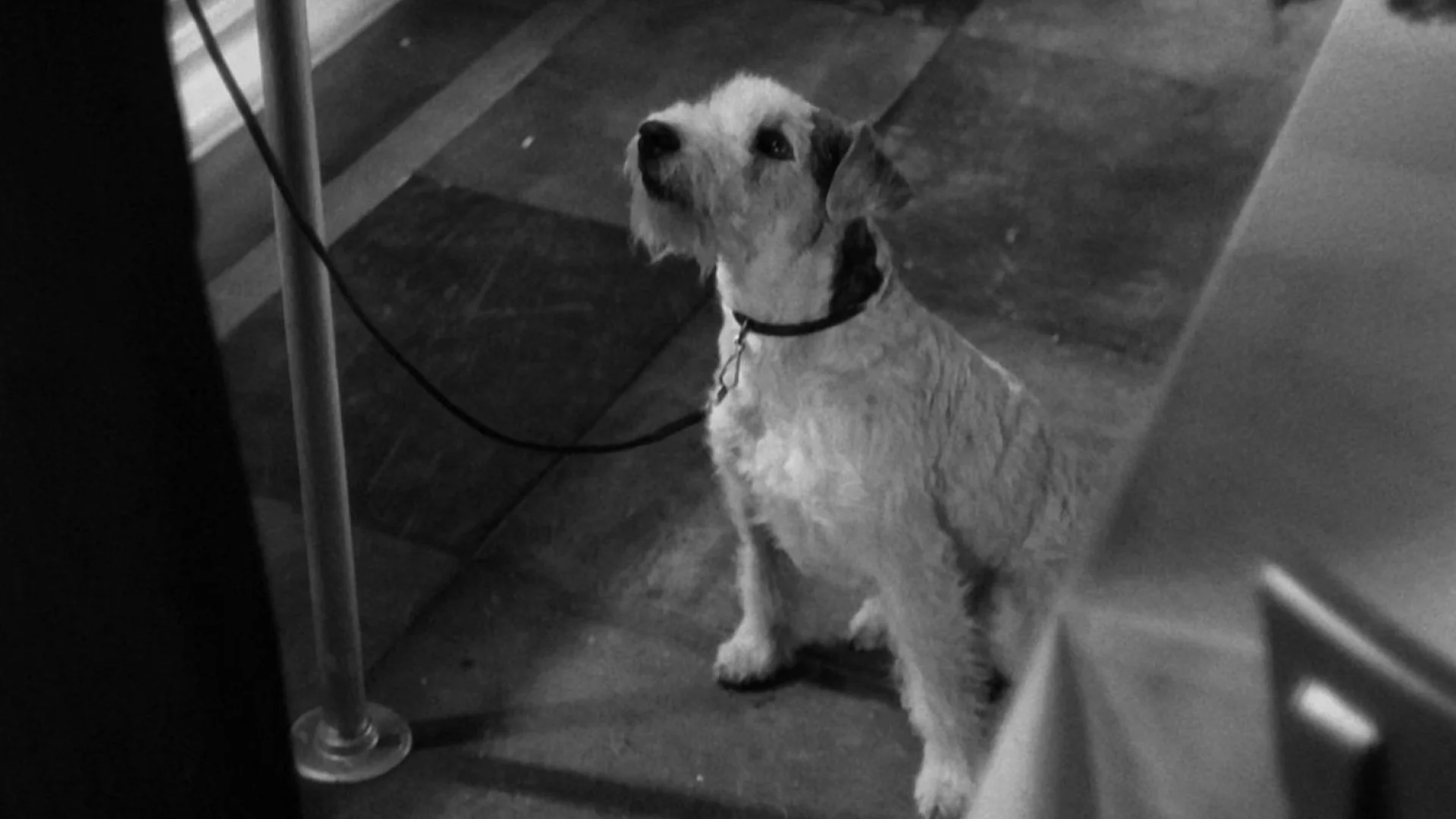
Released in 1934 during the golden age of Hollywood studio filmmaking, The Thin Man stands as a monumental achievement in cinematic history. Directed by W.S. Van Dyke and based on the final novel by Dashiell Hammett, the film introduced audiences to one of the most beloved and sophisticated couples in screen history: Nick and Nora Charles, brilliantly portrayed by William Powell and Myrna Loy. Accompanied by their iconic wire-haired fox terrier, Asta, the charismatic couple redefined the mystery genre by effortlessly blending high-society wit, sparkling dialogue, and clever whodunnit plotting.
The American Film Institute (AFI) has long recognized the cultural and artistic significance of The Thin Man, officially cementing its status by including it among the greatest American film comedies of all time. Far from a standard procedural murder mystery, the film pioneered a new subgenre of romantic, comedic detective fiction that balanced genuine suspense with screwball levity.
At its core, the movie tells the story of retired detective Nick Charles and his wealthy, sharp-witted wife Nora, who become reluctantly entangled in the disappearance of an eccentric inventor—the titular "thin man"—and a subsequent string of murders. Rather than playing the mystery with grim, hard-boiled solemnity, the narrative unfolds against a backdrop of flowing cocktails, elegant penthouse parties, and sharp-tongued banter between the leads.
The film’s unprecedented success sparked a massively popular cinematic franchise consisting of six sequels, but the original 1934 production remains the gold standard. Its unique synthesis of genres laid the groundwork for decades of subsequent romantic-comedy-mystery hybrids on both television and film.
Chronology: From Dashiell Hammett’s Page to the Silver Screen
To fully appreciate the cultural phenomenon of The Thin Man, one must trace its journey from conception to cinematic immortality.
- January 1934: Dashiell Hammett’s novel The Thin Man is published by Alfred A. Knopf. Already renowned for gritty, hard-boiled detective fiction like The Maltese Falcon, Hammett takes a surprisingly lighter, more sophisticated approach in what would be his final novel.
- Early 1934: Metro-Goldwyn-Mayer (MGM) fast-tracks a film adaptation, recognizing the commercial potential of Hammett’s sophisticated characters. Director W.S. Van Dyke is brought on board, known in Hollywood as "One-Take Woody" for his legendary efficiency and ability to bring projects in under budget and ahead of schedule.
- Spring 1934: Casting decisions shape cinematic history. While William Powell is an early favorite for the role of the retired detective Nick Charles, studio executives initially consider Myrna Loy too exotic and dramatic for the glamorous, comedic role of Nora Charles. However, Van Dyke fights for Loy, convinced of her comedic timing and undeniable chemistry with Powell.
- May 1934: The Thin Man premieres in theaters nationwide. Shot on a modest budget and scheduled for a quick production run of just three weeks, the film exceeds all commercial expectations, becoming an instant box-office smash.
- Late 1934: The film earns critical acclaim, securing multiple Academy Award nominations—including Best Picture, Best Actor for William Powell, Best Director for W.S. Van Dyke, and Best Adapted Screenplay for Albert Hackett and Frances Goodrich.
- 1936–1947: Fueled by the immense popularity of the original film, MGM releases a lucrative series of sequels, including After the Thin Man (1936), Another Thin Man (1939), Shadow of the Thin Man (1941), The Thin Man Goes Home (1945), and Song of the Thin Man (1947).
Supporting Data: Production Metrics and Critical Acclaim
The enduring impact of The Thin Man is reflected not only in cultural memory, but also in hard data regarding its production, financial triumph, and institutional recognition.

Production and Financial Metrics
- Production Budget: Approximately $226,000—a remarkably modest sum even for the 1930s studio system, largely credited to W.S. Van Dyke’s rapid shooting schedule.
- Box Office Gross: Over $1.4 million domestically during its initial theatrical run, turning a massive profit for MGM and demonstrating a high return on investment.
- Filming Duration: Principal photography was famously completed in just 14 to 16 days, a testament to the professionalism and preparedness of the principal cast and crew.
Accolades and AFI Recognition
- Academy Award Nominations: 4 nominations (Best Picture, Best Actor, Best Director, Best Adapted Screenplay).
- AFI’s 100 Years…100 Laughs: Inducted by the American Film Institute as one of the top American comedies, highlighting its timeless humor and razor-sharp script.
- AFI’s 100 Years…100 Heroes & Villains: Nick and Nora Charles received nominations for iconic cinematic heroes, reflecting their cultural resonance as a partnership built on mutual respect, wit, and affection.
Official Perspectives: Critical Reception and Industry Response
Upon its release, industry trades and contemporary critics immediately recognized that The Thin Man was doing something radically different from standard genre fare. Rather than celebrating the grim realities of Depression-era crime, the film offered an escapist fantasy where wealth, wit, and marital harmony triumphed over murder.
Contemporary reviews praised the effortless rapport between Powell and Loy. Critics noted that their on-screen relationship redefined marriage in Hollywood cinema: instead of bickering adversaries or melodramatic partners, Nick and Nora appeared as a glamorous, deeply affectionate couple who genuinely enjoyed each other’s company—and a stiff drink.
Decades later, film historians continue to laud the picture for its structural ingenuity. Screenwriters Albert Hackett and Frances Goodrich managed to preserve the complex, twist-heavy plotting of Dashiell Hammett’s novel while injecting a level of sparkling banter that elevated the material into high art. The American Film Institute’s ongoing cataloging and educational initiatives ensure that modern audiences continue to discover the title, reinforcing its status as an indispensable chapter in Hollywood history.

Implications: The Enduring Blueprint for Modern Entertainment
The legacy of The Thin Man extends far beyond its initial 1930s box-office run; its DNA can be seen across decades of television and film.
Redefining the Romantic Mystery
Before The Thin Man, cinematic detectives were often solitary, brooding figures operating on the fringes of society (such as Sherlock Holmes or Hammett’s own Sam Spade). Nick Charles turned this trope on its head. He was a retired professional who preferred lounging in upscale New York hotels and mixing martinis to crawling through dark alleys. By embedding a witty, high-society romance into the heart of a murder investigation, the film created a narrative blueprint utilized by countless later properties, from television shows like Hart to Hart and Moonlighting to modern cinematic whodunnits like Knives Out.
The Power of On-Screen Chemistry
William Powell and Myrna Loy went on to star in fourteen films together, becoming one of the most prolific and celebrated pairings in cinema history. Their dynamic established a new standard for romantic comedy, proving that mutual wit and intellectual parity could be just as compelling as traditional romantic melodrama.

Preservation and Accessibility
Today, institutions like the American Film Institute play a vital role in preserving and promoting masterworks like The Thin Man through comprehensive digital resources such as the AFI Catalog. As modern viewers continue to explore classic cinema through digital platforms and repertory screenings, the film serves as a timeless reminder of the power of sharp writing, charismatic performances, and sophisticated storytelling. Its ability to delight audiences nearly a century after its premiere proves that true cinematic wit never goes out of style.
