
In Conversation: The Second Life of Freddie Nole
Introduction: A Journey Back to the Gates
In the landscape of modern documentary filmmaking, few stories possess the visceral, redemptive power of The Second Life of Freddie Nole. Directed by Dana Nachman, this poignant short film has captured the hearts of festival audiences, securing four prestigious Audience Awards and the Social Impact Award at Indy Shorts.
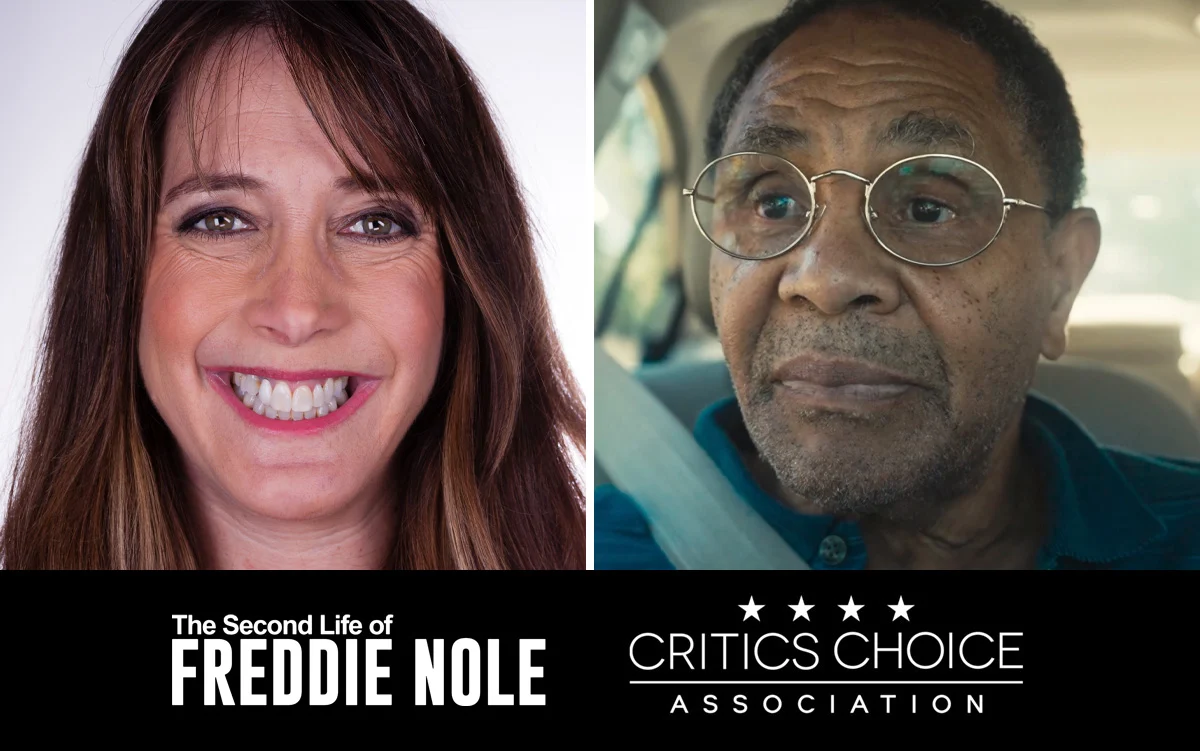
Recently, Critics Choice Association member Carla Renata sat down with both Nachman and the film’s subject, Freddie Nole, to discuss the genesis of a project that is as much a testament to the resilience of the human spirit as it is a critique of the carceral system. The documentary follows Nole on a mission that feels both cinematic and deeply intimate: he drives to the gates of a prison to pick up a man being released. However, as the film reveals, this act of service is not merely a gesture of kindness; it is a profound reclamation of a life that was once stolen.
Main Facts: The Mission of Restoration
At its core, The Second Life of Freddie Nole is a vérité road trip that peels back the layers of a man who has transformed his trauma into a compass for others. The film’s narrative is anchored in a simple, recurring act: Freddie Nole meeting individuals at the prison gate.
For those walking out of incarceration, the transition from the sterile, rigid environment of prison to the chaotic, often unforgiving landscape of the "outside" is fraught with peril. Nole serves as a bridge. By offering a ride, he offers more than just transportation; he provides a witness to their humanity. The film explores how Nole, having spent 50 years behind bars due to a staggering judicial mistake, has dedicated his "second life" to ensuring that others do not lose themselves in the machinery of the justice system.
The documentary does not rely on heavy-handed narration or artificial dramatization. Instead, it allows the silence between the men—the shared understanding of the weight of the prison gate—to speak volumes.
Chronology: A Half-Century Lost
To understand the urgency behind Freddie Nole’s work, one must reckon with the timeline of his own existence. Nole’s life is divided by a singular, catastrophic event: a wrongful conviction that stripped him of five decades of freedom.
The Decades of Darkness
For fifty years, Nole existed within the confines of the state penitentiary system. During this time, the world outside underwent tectonic shifts—technological, social, and political revolutions occurred while he remained stagnant, a ghost in a cage. This era of his life represents a "staggering mistake," a phrase that, while understated, encompasses the systemic failures of the legal apparatus that failed to protect an innocent man.
The Moment of Exoneration
The film touches upon the complex process of Nole’s release. Often, in cases of long-term wrongful conviction, the physical exit from prison is merely the beginning of a lifelong process of re-integration. For Nole, the transition was not a celebration of freedom but a reckoning with the time that could never be regained.
The Birth of the Mission
Rather than retreating into bitterness, Nole recognized a profound necessity: the need for mentorship and guidance for those transitioning out of the system. He returned to the very place that held him captive, not to haunt the halls, but to stand at the threshold. This chronology—from victim of the system to architect of his own purpose—forms the emotional backbone of the documentary.
Supporting Data: The Landscape of Reentry
The documentary’s success at festivals like Indy Shorts highlights a growing public interest in the sociology of mass incarceration. According to recent data from the Bureau of Justice Statistics, the recidivism rate for individuals released from state prisons remains a critical hurdle in criminal justice reform. Within three years of release, nearly two-thirds of formerly incarcerated individuals are rearrested.
The Role of Social Support
The data suggests that the first 72 hours following release are the most volatile. This is where Nole’s intervention becomes a matter of public safety and personal salvation.
- Dignity as a Deterrent: Studies indicate that social support systems, such as the one Nole provides, significantly lower the likelihood of return to prison.
- The Cost of Incarceration: The financial burden of maintaining the prison system is immense, but the human cost—the "50 years" lost by individuals like Nole—is incalculable.
- The Impact of Film: Projects like The Second Life of Freddie Nole function as a form of social pedagogy, educating the public on the realities of reentry and fostering empathy that drives policy change.
Official Responses and Creative Vision
During the conversation with Carla Renata, director Dana Nachman highlighted the deliberate stylistic choices that make the film so effective. "We wanted to capture the texture of the road," Nachman noted. By utilizing a vérité style, the crew allowed the subjects to exist in their own space, unfiltered and unscripted.
Dana Nachman’s Directorial Approach
Nachman, known for her ability to unearth poignant human interest stories, emphasized that the film was never intended to be a dry recitation of facts. Instead, it was meant to be an experience. "When you watch Freddie drive, you are watching a man who is physically reclaiming his territory," Nachman explained. "He is driving past the places that kept him in, and he is driving toward the future of someone else."
Freddie Nole’s Reflection
For Freddie Nole, the film is not about his own notoriety. He expressed that his involvement in the documentary was predicated on the hope that it would illuminate the plight of those who have no voice. "I spent 50 years waiting for someone to hear me," Nole shared. "Now, I am here to make sure they hear the men and women who are coming out today."
Implications: A Call to Action
The Second Life of Freddie Nole is more than a film; it is an indictment of a system that fails to prepare individuals for the transition to civilian life. The implications of the documentary are far-reaching.
Changing the Narrative
The film challenges the stereotypical portrayal of formerly incarcerated individuals as "risks" or "outsiders." By showcasing Nole as a caregiver, a mentor, and a man of immense grace, the documentary shifts the public consciousness. It suggests that the "second life" is not just for the exonerated, but for the entire community that benefits when individuals are successfully reintegrated.
Policy and Reform
The success of the film at the Indy Shorts Social Impact category is a signal to policymakers. It suggests that the public is ready for narratives that emphasize rehabilitation over retribution. Nole’s story provides a blueprint for what a successful reentry program looks like: one rooted in genuine human connection, mentorship, and the acknowledgement of the trauma caused by the system itself.
The Future of the Movement
As The Second Life of Freddie Nole continues its festival run, it serves as a rallying point for grassroots organizations dedicated to prison reform. The film’s message is clear: when we ignore the humanity of those who have been incarcerated, we do a disservice to society as a whole. Nole’s journey proves that while time cannot be returned, it can be repurposed.
Conclusion: The Road Ahead
In the final analysis, the documentary captures a man who has transcended the walls that once contained him. Carla Renata’s conversation with Nole and Nachman reveals a collaborative artistic effort that honors the depth of a life lived in the shadows and brought into the light.
Freddie Nole’s life is a testament to the fact that the prison gate is not a final destination, but a threshold. Through his actions, he is not just driving men home; he is helping them build a home in a world that often refuses to acknowledge their return. As audiences continue to engage with this short film, the ripple effects of Nole’s mission—a mission of hope, dignity, and radical compassion—will undoubtedly continue to grow, challenging us all to reconsider what it means to be free.
The film stands as a masterclass in documentary storytelling, proving that the most profound stories are often found not in the halls of power, but on the open road, behind the wheel of a car, where a man who lost everything has decided to give everything he has left to those who need it most.
