
Midnight in the City of Light: Inside the Viral Vampire Phenomenon of I Love Paris
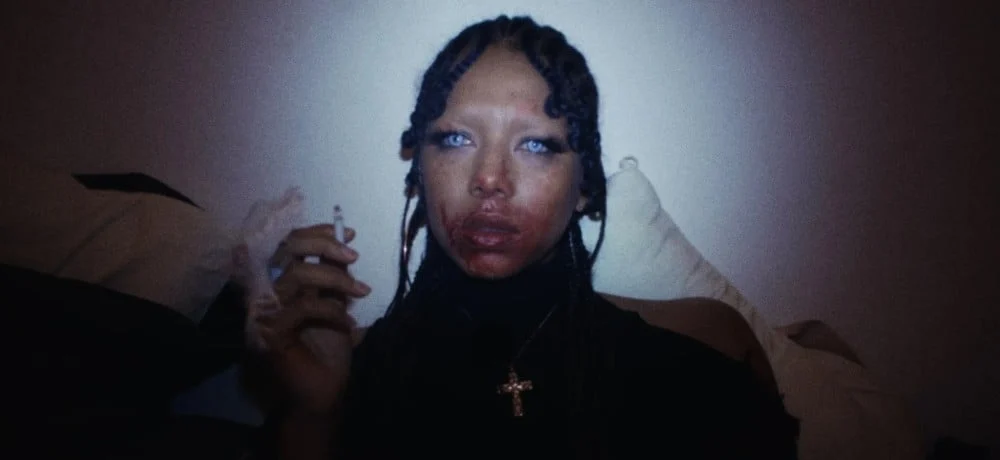
In the ever-evolving landscape of contemporary horror, the "hangout movie"—a subgenre defined by vibe, chemistry, and low-stakes intimacy—rarely intersects with the high-octane violence of bloodsucker cinema. Yet, director Nicky Murphy’s latest feature, I Love Paris, manages this unlikely marriage with a swagger that feels both fresh and dangerously infectious. A found-footage romp through the Parisian underground, the film is a satirical, music-soaked exploration of fame, vanity, and the literal hunger required to survive the modern entertainment industry.
Main Facts: A New Breed of Undead
I Love Paris centers on Paris (played with electric charisma by Aminata Thiboult), an aspiring musician whose dreams of stardom are stalled by the brutal gatekeeping of the digital age. When a music festival rejects her due to a lack of social media followers, she takes to the streets with a camera, determined to manufacture viral fame through sheer force of will. Instead, she finds herself the victim of a nocturnal encounter with Lutèce (Leonor Oberson), a seasoned vampire who introduces her to the dark side of French nightlife.
The film serves as a spiritual successor to the dry wit of What We Do in the Shadows and the stylistic cool of Jim Jarmusch’s Only Lovers Left Alive. However, where those films often leaned into the gothic or the mock-documentary absurdity, Murphy’s I Love Paris is a visceral commentary on the music industry. It posits that the "bloodlust" of a predator is indistinguishable from the desperate, consuming ambition of an influencer chasing the next trending topic.
The Chronology of a Transformation
The narrative arc of I Love Paris is a sharp descent from mundane disappointment into supernatural hedonism.
- The Rejection: The opening act establishes Paris’s status as a perpetual outsider. Her inability to secure a performance slot becomes the inciting incident, highlighting the absurdity of modern meritocracy where talent is secondary to metrics.
- The Turning Point: Driven by the need for content, Paris wanders into the shadows, where she encounters Lutèce. This transition is handled with a grounded, almost mundane approach; the shift from human to monster is not marked by grandiose theatrics, but by a sudden, pragmatic acceptance of a new dietary requirement.
- The Rise: Rather than recoiling in horror at her new status, Paris weaponizes her vampirism. She uses her newfound supernatural edge to bypass industry gatekeepers, turning the hunt for fame into a literal hunt for sustenance.
- The Climax: As the lines between her "brand" and her predatory nature blur, the film culminates in a chaotic, darkly comedic sequence that reconciles her musical aspirations with her blood-soaked reality.
Supporting Data: A Boutique Production Powerhouse
One of the most striking aspects of I Love Paris is the sheer technical economy behind its production. With Murphy and Thiboult accounting for approximately 80% of the creative heavy lifting, the film is a masterclass in indie resourcefulness.
The Creative Engine
- Nicky Murphy: Beyond his role as director, Murphy serves as the primary architect of the film’s visual language. His decision to eschew the shaky-cam clichés often associated with found-footage horror allows for a deliberate, composed aesthetic that captures the nocturnal beauty of Paris—from the claustrophobia of cramped apartments to the sweeping, neon-lit silhouette of the Eiffel Tower.
- Aminata Thiboult: Thiboult’s contribution extends far beyond her lead performance. Her involvement in the screenplay, special effects makeup, costume design, and original musical compositions gives the character of Paris a distinct, authentic voice. By controlling the aesthetic markers of the character—the blood on her lips, the intentional "swag" of her wardrobe, and the raw energy of her musical interludes—Thiboult cements her status as an emerging powerhouse, drawing comparisons to actors like Sasha Lane and Zoey Deutch.
The Soundscape
The film is anchored by a curated soundtrack that acts as a narrative device. The music is not merely background noise; it is the pulse of the movie. Thiboult’s original tracks provide a window into her character’s internal state, contrasting the saccharine polish of pop music with the jagged, brutal reality of her vampiric existence.
Official Perspectives and Critical Analysis
While the film has been praised for its "dope beats" and innovative approach, it has also invited rigorous critical scrutiny, particularly regarding its pacing.
The Dialogue Dilemma
At a runtime of nearly 110 minutes, I Love Paris demands a significant time commitment from its audience. Critics have noted that the film’s heavy reliance on conversational, mockumentary-style banter occasionally causes the momentum to stall. There are moments where the film lingers on sequences that, while charming, do little to advance the central conflict.
"Murphy’s direction is undeniably intimate," one reviewer noted, "but there is a mountain of dialogue that threatens to bury the film’s sharper, more violent edges." Despite these critiques, the consensus remains that the film’s "hangout" atmosphere is its primary defense against its own length. When the pacing slows, the audience is usually re-engaged by a well-timed musical number or a genuinely shocking interaction between the vampires and their human prey.
The Mentor-Mentee Dynamic
The chemistry between Thiboult and Leonor Oberson (Lutèce) is the emotional glue of the picture. Their relationship mirrors the classic "bestie" dynamic, albeit one built on the foundation of "sun bad, blood good" lore. Their interactions with supporting cast members, such as Antoine Dumortier’s portrayal of a petrified festival promoter, provide the necessary friction to turn the film into a biting satire of corporate cronyism.
Implications: The Future of Found Footage
I Love Paris represents a potential pivot point for the found-footage genre. By moving away from the "survival horror" tropes that dominated the early 2000s, Murphy and Thiboult have proven that the format can be utilized for character-driven, stylistic commentary.
Challenging the Genre
The film’s success suggests a shifting appetite among audiences. Viewers are no longer satisfied with jump scares and static cameras; they are looking for "vibes." By creating a film that is "better with buds," Murphy has leaned into the communal aspect of cinema, encouraging a viewing experience that mirrors the party atmosphere on screen.
The Rise of the Multi-Hyphenate
Thiboult’s performance is a strong argument for the "auteur-performer" model in indie cinema. By asserting creative control over multiple facets of the production, she has crafted a character that feels entirely cohesive. Her ability to transition from a vulnerable singer to a cold-blooded predator—often within the same scene—showcases a versatility that is rare in contemporary horror.
Conclusion: A Bittersweet Symphony
Ultimately, I Love Paris is a bold, neon-drenched exploration of why it is so difficult to be alive in a world that demands constant performance. Whether or not it succeeds as a horror movie is almost secondary to its success as a portrait of an artist navigating the pressures of the modern industry.
While the runtime might be a hurdle for some, the payoff—a candy-coated, blood-splattered conclusion that leaves the audience wanting more—is undeniable. As the credits roll, one is left with the impression that Murphy and Thiboult haven’t just made a vampire movie; they’ve made a document of a moment in time, where the line between the predator and the star has completely evaporated.
I Love Paris earns a 3.5/5 score, standing as a testament to the idea that sometimes, to make it in the big city, you have to be willing to bite back.
