
Navigating the Precipice: AI, International Co-Productions, and the Future of Independent Filmmaking
By Film Independent Reporting Desk
Main Facts: The Dual Crises Facing Modern Cinema
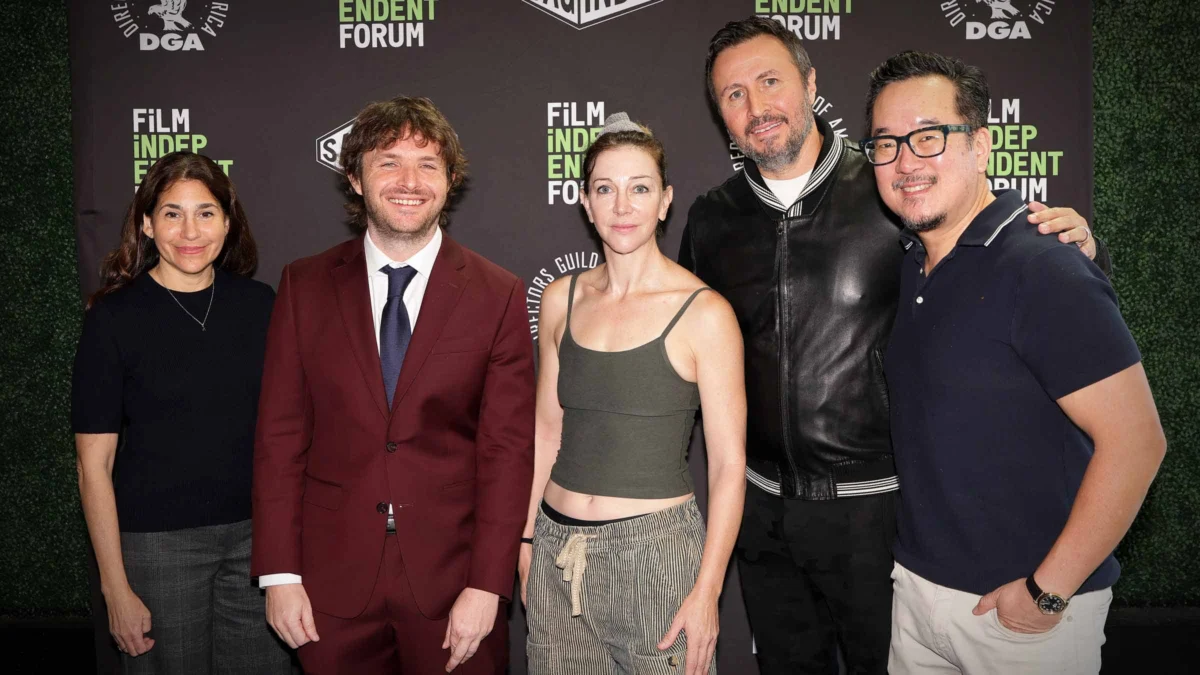
The contemporary motion picture industry finds itself standing at a precarious crossroads, pulled between the rapid encroachment of automated technologies and the economic squeeze of a changing domestic landscape. These competing pressures took center stage at a recent industry forum hosted by Film Independent, where top-tier creators, economists, and global producers gathered to address two existential questions: Is artificial intelligence fundamentally taking over the filmmaking workflow, and can anyone still afford to live in Los Angeles—let alone make a movie there?
While the anxieties fueling these questions are palpable, the overarching consensus from the panels offered a surprisingly hopeful, albeit pragmatic, takeaway. The future of cinema, according to the industry leaders on hand, will not be dictated by algorithms or automated bottom-lines, but by human relationships, authentic partnerships, and cross-cultural collaboration.
The forum’s discussions centered heavily on two major panel events: Reality Check: AI in the Workplace and Crossing Borders: The International Landscape for Indies. Together, these sessions illuminated an industry that is simultaneously shrinking in domestic workforce size and expanding outward into a borderless global market.
Chronology: How Hollywood Arrived at the Crossroads
To understand the current panic surrounding jobs and artificial intelligence in Los Angeles, one must look at the trajectory of the past several years.
- 2022–Present: The post-pandemic entertainment economy experienced a severe contraction. According to economic reports, California alone has shed roughly 118,000 creative jobs since 2022, a staggering figure that outpaces industry retrenchment in almost every other part of the country.
- The Integration Phase: As streaming budgets tightened and corporate consolidation peaked, production companies began quietly integrating early-stage AI tools to cut costs, streamline pre-production, and accelerate post-production timelines.
- The Offshore Migration: Concurrently, soaring domestic production costs—fueled by inflation, exorbitant living expenses in Southern California, and changing tax credit landscapes—pushed filmmakers to look past traditional hubs like Atlanta and New York, casting their nets internationally to Europe, Asia, and beyond.
- The Current Reckoning: Today, filmmakers face a dual reality: they must adapt to generative tools that alter day-to-day responsibilities while navigating a complex global web of international financing, incentives, and cross-border partnerships.
Supporting Data: The Numbers Behind the Shift
The economic realities driving these changes were laid bare during the forum’s opening AI session, moderated by journalist Carolyn Giardina. Patrick Adler, a founding partner of Westwood Economics, presented data from a recent report tracking the hemorrhaging of California’s creative sector.
Adler pointed out a fascinating macroeconomic paradox: while industries across the rest of the United States that embraced AI tools actually saw net growth in their human workforces—presumably because workers were needed to manage and implement the new technology—California bucked the trend. The state suffered massive job losses, suggesting that AI adoption in Los Angeles collided disastrously with broader post-strike recovery issues, high local costs of living, and an ongoing economic recession.
On the global front, the financial calculus of filmmaking has shifted dramatically. Panelists noted that the cost of hiring domestically has ballooned to the point where even high-end European production hubs like London can frequently underbid domestic markets like Atlanta. This cost disparity is forcing independent producers to reconsider how—and where—their projects are capitalized.
Official Responses and Expert Insights: AI in the Workplace
The panel on artificial intelligence brought together diverse voices from across the production pipeline, ranging from editors and studio founders to working screenwriters and economists. Their insights revealed a complex psychological and operational relationship with automated tools.
Streamlining vs. Soul-Crushing Labor
For editors like Harry Yoon (Spider-Man: Brand New Day), AI has offered undeniable utility in cutting down tedious, repetitive tasks. Automating transcriptions or rapidly generating sound design and ADR (Automated Dialogue Replacement) drafts to test alternative lines allows creative teams to bypass busywork.
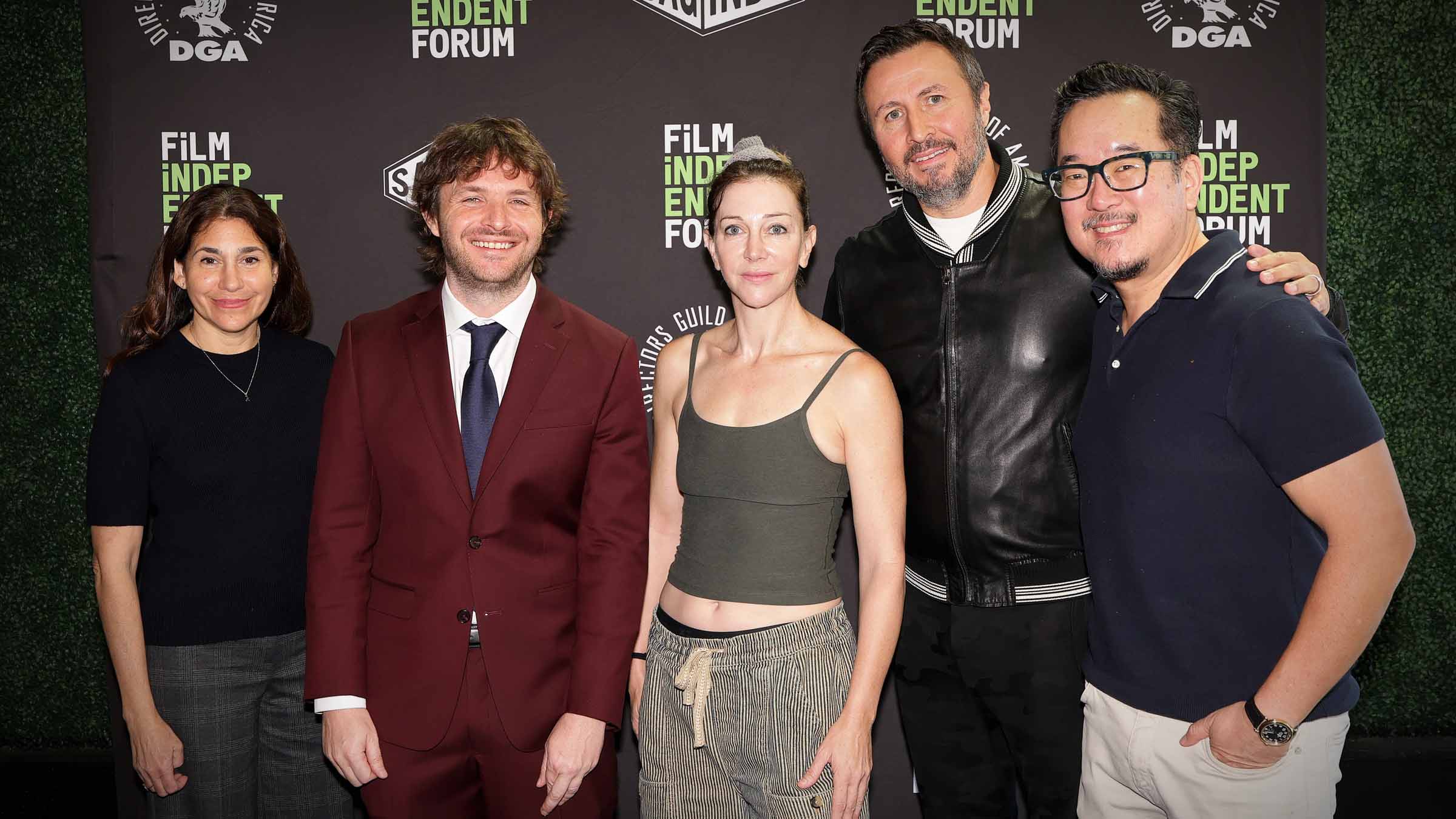
"It streamlines things," Yoon noted, freeing up humans to focus on the expressive, artistic elements of storytelling.
Mathew Cullen, founder of Mirada Studios and Motion Theory, echoed this sentiment regarding efficiency, but issued a sharp warning about client misconceptions. "You can’t just prompt your way to a cinematic and artistic result," Cullen asserted, emphasizing that human experience, nuanced skill, and interpersonal interaction remain entirely irreplaceable.
The Threat to Mentorship and Early-Career Stepping Stones
Perhaps the most sobering critique of AI integration came from its long-term societal and professional implications. Both Yoon and Cullen raised alarms about how automating lower-level tasks strips away the traditional training grounds for the next generation of filmmakers.
Cullen reflected on starting his company in 2003, recalling interns who spent hours in the trenches of production offices and editing bays, eventually rising through osmosis to become Emmy-winning producers, directors, and creative executives.
"You’re kind of creating that space for them to show up and figure it out," Cullen said. When AI swallows up tasks like transcription, scheduling grunt work, and foundational editing, entry-level workers lose the invaluable incidental learning that happens by simply being in the room with seasoned artists.
Screenwriter Ruth Fowler (Rules of the Game, Little Disasters) brought the perspective of a writer navigating an increasingly isolated landscape. Fowler noted that while the hustle to secure gainful employment has always been difficult, AI has encouraged producers to demand more free speculative labor—such as expanded development documents and multiple pitch meetings—before a writer is even hired. Furthermore, Fowler questioned whether AI tools like Claude could ever truly replace the friction and growth born from human editorial critique, especially for younger writers who lack access to robust mentorship circles.
To help filmmakers navigate these murky waters, VFX supervisor Jim Geduldick—founder of the Creators Coalition on Artificial Intelligence (CCAI)—introduced new resources at the forum. The newly launched CCAI website provides filmmakers with an AI terms glossary, an impact survey, and visualizers designed to demystify the technology’s footprint in the industry.
Implications: Crossing Borders and the International Playbook
With domestic production under extreme financial pressure, the forum’s second major panel, Crossing Borders: The International Landscape for Indies, explored the pros and cons of taking productions global. Moderated by producer Tatiana Kelly (The Catcher Was a Spy), the discussion underscored that while the United States lacks formal international co-production treaties, American indies can still thrive abroad by prioritizing deep cultural alignment and strategic partnerships.
The Power of Authentic Collaboration
Anna Rólska, executive producer for Who Will Write Our History and co-producer of Arbitrage, stressed that finding international partners goes far beyond crunching numbers. When shooting in Lithuania, Rólska solicited budget proposals from multiple local companies, ultimately choosing her collaborators based on their genuine passion for the material.
"It wasn’t about eventually the budget, but about a company that really cared about the project," she explained. "We could really tell they were very much involved."
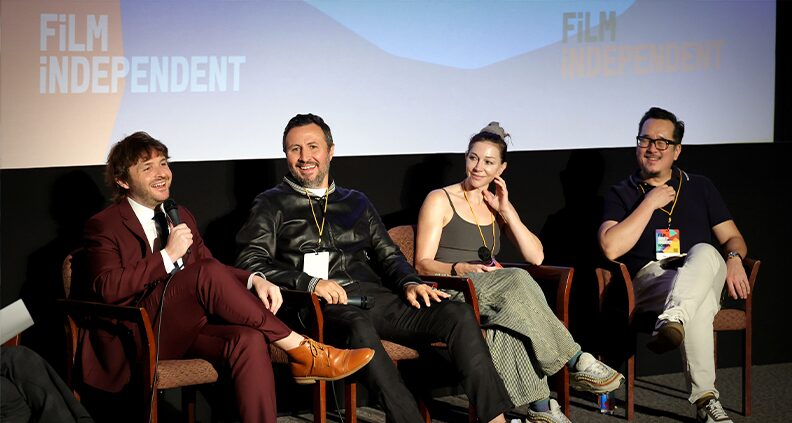
Shih-Ching Tsou, a Taiwanese-born director and producer based in New York (Left-Handed Girl), shared the anxieties of returning to her home country to shoot for the first time. "It’s not really that exotic, because it’s really scary," Tsou admitted, describing the pressure of proving her vision to a localized industry. "People will look at you and say… ‘I don’t think you know what to do.’ So you kind of have to jump in there and kind of prove to them, like this is the way."
Practical Roadblocks: Financing, Timing, and Culture
Claire Brooks, executive director of the Association of Film Commissioners International (AFCI), offered crucial logistical advice for filmmakers looking abroad or navigating regional offices within the United States.
"They provide free location services," Brooks noted of film commissions. "Some of them will read your script. Some of them have access to funding opportunities—not through their office, but through their national bodies."
However, Brooks and the panel issued stern warnings about the hidden financial traps of international filmmaking:
- The Public Financing Timeline: Public funds and regional grants can take two to three years to materialize.
- Cash-Flow Management: Because many tax incentives operate as rebates on expenses already incurred, producers must meticulously calculate the interest accrued on bridge loans while waiting to get paid.
- Cultural Rhythms: Local traditions and holiday schedules can drastically alter production timelines. For instance, attempting to film in France during the month of August—when the entire country largely goes on vacation—can sink a production schedule if not properly anticipated.
Miura Kite, president of global content at Maria Farinha Films, advised filmmakers to nurture long-term relationships once they find trusted collaborators. "Once you do find people you love working with, try to maximize it in any way," Kite urged.
Conclusion: Living in the River of Change
Ultimately, both the discussions on artificial intelligence and international co-production circled back to the same foundational truth: the heart of filmmaking remains stubbornly human.
Whether figuring out how to ethically integrate digital tools without eroding mentorship, or traveling across oceans to bridge cultural divides and secure foreign financing, the panelists agreed that longevity in the entertainment business requires adaptability. As Mathew Cullen eloquently put it, creative professionals must learn to live comfortably within the "river of change."
For independent filmmakers based in Los Angeles, the world may be looking to Hollywood for leadership, but Hollywood must increasingly look outward—embracing international camaraderie, cross-border cooperation, and interpersonal connection to survive the modern era.
To support independent voices and learn more about upcoming panels, membership, and donation opportunities, visit Film Independent online.
