
The Devil’s Music and the IMAX Lens: How Ludwig Göransson Reimagined the Blues for Ryan Coogler’s ‘Sinners’
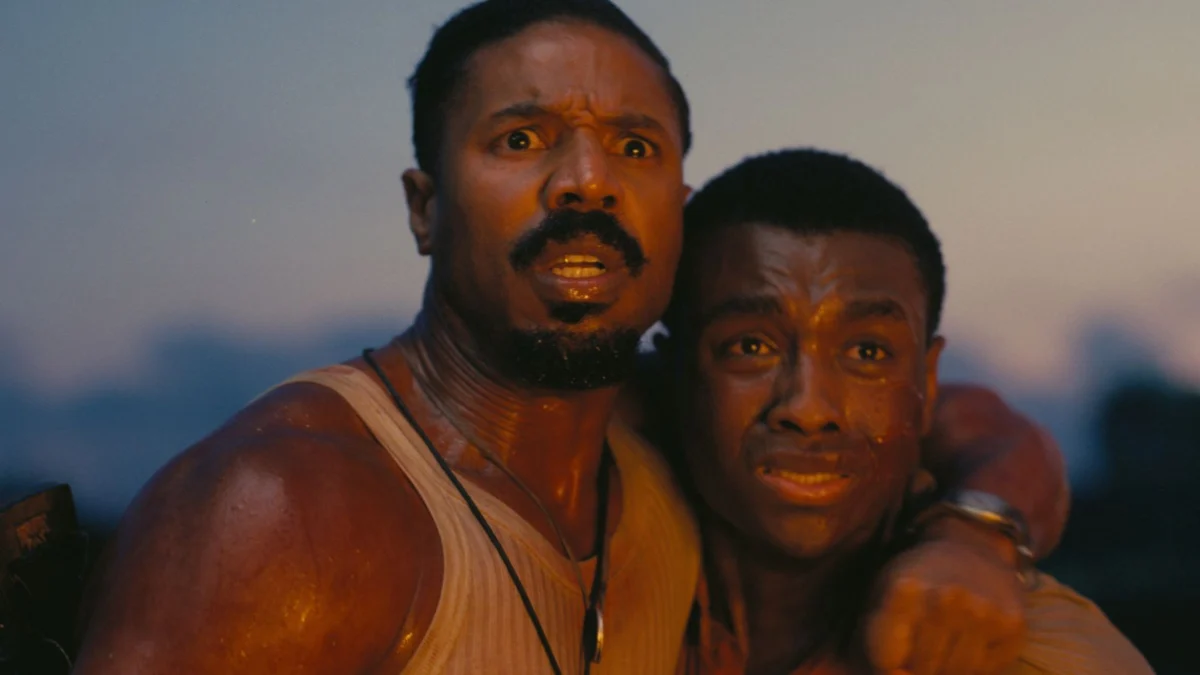
The sonic landscape of the 1932 Mississippi Delta is often remembered through the cracked, hissing surface noise of scratchy 78-rpm records—a medium that, by modern standards, obscures the raw, visceral power of the music. For Oscar-winning composer Ludwig Göransson, tasked with scoring Ryan Coogler’s genre-bending vampire epic Sinners, the goal was not to replicate the muffled historical artifact, but to restore the "dangerous, edgy" vitality of the blues as it was originally performed.
In Sinners, which stars Michael B. Jordan as the proprietor of a Clarksdale juke joint, music is not merely an accompaniment; it is a supernatural conduit. By bridging the gap between historical authenticity and avant-garde sound design, Göransson has crafted a score that functions as a character in its own right, moving fluidly between the grounded acoustics of the Depression-era South and the surreal, timeless dimensions of the film’s central horror.
The Genesis of a Delta Soundscape
The collaboration between Coogler and Göransson is one of the most storied partnerships in modern cinema. However, Sinners presented a unique set of challenges. Set in 1932, the film explores the dark mythology of the blues—specifically the legend of Robert Johnson, the guitar virtuoso who allegedly sold his soul at the crossroads in exchange for his transcendent talent.
For Göransson, the project was profoundly personal. “I grew up with the blues around me,” the Swedish composer told IndieWire. “My dad is a blues guitar player who put a guitar in my hands when I was six and actually wanted to name me Albert after the great Albert King. So, this hit close to home.”
Coogler, who shares family roots in Mississippi, sought to elevate the blues from a historical footnote to a living, breathing force. The narrative follows young bluesman Sammie Moore (played by newcomer Miles Caton), whose electrifying debut at a juke joint run by his twin cousins, Smoke and Stack (Michael B. Jordan), inadvertently acts as a beacon for both benevolent and malevolent spirits.

A Pilgrimage of Sound: Chronology of Production
The authenticity of the film’s sound was forged on the road. Before a single frame of the score was recorded, Göransson and Coogler embarked on a musical pilgrimage through the Mississippi Delta. Accompanied by members of the music team and Göransson’s father, the group traveled from Memphis to Clarksdale, immersing themselves in the geography and culture of the region.
The Search for the "Hero" Guitar
Authenticity required hardware that could stand up to the film’s sonic ambitions. Coogler requested the use of a resonator guitar—a specific, loud instrument that predates the common use of electronic amplification.
Göransson’s research led him to the 1932 Dobro Cyclops. The instrument, with its distinct metallic resonator cone, provided the exact tonal aggression required for the film’s "devil’s music" aesthetic. Finding a pristine, period-accurate model was a feat of logistics; after locating a "hero" instrument in Los Angeles, Göransson secured two additional units from Nashville and London as backups. For lead actor Miles Caton, mastering the slide guitar technique required three months of intensive training, ensuring that when the camera rolled, the performance felt as genuine as the sweat on the walls of the juke joint.
Mapping the Surreal: The "Oner" Sequence
The film’s centerpiece is a sprawling, surreal montage set to the track "Magic What We Do." Filmed as a "oner"—a continuous, uninterrupted shot—the sequence utilizes a 65-pound IMAX camera on a Steadicam to wind through the juke joint.
Göransson’s process for this sequence was iterative and collaborative:

- Songwriting: Working with Grammy-winning songwriter Raphael Saadiq, Göransson established the structural foundation of the montage.
- Pre-visualization: The team mapped out the physical movement of the camera through the set in New Orleans, ensuring the choreography of the dancers and musicians matched the tempo of the music.
- Recording to Footage: Göransson wrote the final score against a rough edit of the performance, tailoring the crescendos to the camera’s movement.
- The Live Take: The sequence was shot in a single, high-stakes day of production, requiring perfect synchronization between the live musical performers and the camera crew.
Supporting Data: The Anatomy of a Genre-Bending Score
Göransson’s approach to the music was defined by the contrast between acoustic intimacy and technological artifice.
The Instrumentation Palette
The score is built primarily on the Dobro resonator guitar, creating a raw, wooden, and metallic texture that anchors the film in 1932. As the narrative scope expands into the supernatural, Göransson introduces layers of electronic sound design. This evolution is perhaps best exemplified in the song "I Lied to You," a confessional ballad that serves as the catalyst for the film’s shift into an otherworldly dimension.
The Cultural Fusion of the Montage
The "Magic What We Do" sequence serves as a temporal bridge, showcasing the evolution of the blues through a multicultural lens. The ensemble includes:
- Ancestral Roots: An African Griot playing a precursor to the banjo.
- Evolutionary Markers: A 1970s-style guitarist (portrayed by legendary bluesman Eric Gales) channeling Jimi Hendrix.
- Modern Integration: A DJ spinning 1980s hip-hop beats, juxtaposed with traditional African drumming.
- Movement: A dialogue of dance between an African ancestral performer and a modern hip-hop dancer.
By integrating these disparate styles, Göransson and Coogler create a sonic lineage that argues for the blues as the foundation of nearly all modern music, effectively "stretching" the genre across time.
Official Responses and Creative Intent
The creative team behind Sinners has been clear about their intent: to strip away the "polite" veneer of blues history. Göransson noted that while modern listeners often associate the blues with a static, elderly aesthetic, the reality of the 1930s was much more volatile.

"I think what was so interesting about Ryan’s concept of this music is that when you hear it today on the old recordings, it sounds like dog shit," Göransson remarked bluntly. "But these were not old men singing at the time. They were young guys. They were dangerous. Their music was edgy. It was ‘the devil’s music.’ If you’re listening to this music, you’re bonding with the devil."
This philosophy extended to the post-production phase, where the team utilized Dolby Atmos technology to "pan" the music around the audience. By treating the sound as a three-dimensional space, the filmmakers ensure that the audience is not merely watching the supernatural events unfold, but is physically surrounded by the haunting, rhythmic vibrations of the blues.
Implications for Future Filmmaking
The success of Sinners—and specifically its score—highlights a shifting trend in how historical periods are represented in cinema. Rather than opting for period-accurate silence or traditional orchestral swells, filmmakers like Coogler and composers like Göransson are increasingly leaning into "anachronistic authenticity."
By using the blues as a foundational language that can be expanded through hip-hop, electronic, and global folk influences, the production team has demonstrated that genre-bending does not necessitate a loss of historical grounding. Instead, it provides a bridge for contemporary audiences to connect with the visceral intensity of the past.
The film’s reliance on a singular, "hero" instrument (the Dobro) also emphasizes the importance of tactile filmmaking in an age of digital dominance. The fact that the most "supernatural" moments in the film were captured through physical, analog performance—rather than CGI sound layers—lends the movie a weight and sincerity that is becoming increasingly rare in high-budget genre films.

As Sinners continues its run in theaters, the conversation surrounding its soundscape serves as a reminder that the blues is not a static artifact of the 1930s. In the hands of a master like Göransson, it remains a living, evolving, and—most importantly—dangerous force. The music does not just underscore the horror; it invites the audience to take a seat at the juke joint and, perhaps, bargain with the devil themselves.
