
The Master of Macabre: A Definitive Retrospective of Stephen King’s Six Ultimate Page-Turners

By Joe Leone
Published October 14, 2026
Stephen King is universally celebrated as the reigning monarch of horror literature. Yet, his literary genius extends far beyond crafting creepy-crawly creatures and things that go bump in the night. Famously, the author has penned elevated dramas like The Green Mile and hard-hitting psychological dramas such as the celebrated novella Rita Hayworth and Shawshank Redemption.
King possesses a rare, instinctive ability to devise characters from all walks of life who—regardless of their bizarre or supernatural circumstances—remain deeply intriguing and profoundly relatable. Furthermore, he commands a unique knack for revving up a chapter, imbuing it with layers of suffocating suspense, and then—bam—abruptly cutting it off. He pivots the next chapter to an entirely different character, keeping readers perpetually hooked and ravenous for more. Simply put, he is the master of his craft.

To explore his extensive bibliography is to navigate a masterclass in pacing. Below are six of King’s greatest full-narrative novels—books that grab you by the throat on page one and refuse to let up on the gas until the final period. This curated list focuses exclusively on full-length novels, intentionally omitting his stellar short story compilations and multi-author anthologies, such as the captivating Skeleton Crew and Different Seasons. Because King’s writing is so vivid, cinematic, and inherently structural, many of these masterpieces have been adapted into legendary films. More importantly, however, they represent the absolute gold standard of the true "page-turner."
1. The Stand (1978)
The Epic Blueprint of the End Times
There are books, and then there are epics. The Stand falls firmly into the latter category, standing tall as one of the most sprawling, comprehensive narratives crafted since the days of Homer’s The Iliad and The Odyssey. In this towering achievement, King constructs a universe so complex that the novel is officially divided into three distinct movements or books (elements of which later laid the foundation for his magnum opus series, The Dark Tower). It is a novel that interrogates primal human fears and desires, exploring the eternal battle between good and evil as a stirring allegory for everyday life—filtered through that signature King lens of apocalyptic dread.
Supporting Data and Narrative Architecture
The first unabridged edition, published in 1990 (following its initial 1978 truncated release), spans an imposing 1,152 pages and contains some of the most prescient ideas ever committed to paper.

- Part I: "Captain Trips" – This opening movement details the accidental leak of a weaponized, highly contagious viral strain from a government laboratory. The virus rapidly decimates nearly the entire population of the Earth, laying bare the fragility of modern civilization.
- Part II: "On the Border" – In the wake of the collapse, immune survivors experience shared, prophetic dreams that draw them together. Naturally, they fracture along moral lines. The benevolent survivors hunker down in Colorado, guided by an impossibly old, wise, and compassionate woman named Mother Abagail. Meanwhile, the morally bankrupt gravitate toward Las Vegas, Nevada, to cavort and make lethal mischief under the thumb of Randall Flagg, the charismatic and terrifying "Dark Man."
- Part III: "The Stand" – The final movement sees the Colorado coalition trek west to confront Flagg and his insidious acolytes.
The ideological battle lines could not be clearer: the Boulder free zone represents those striving to rebuild a cooperative, compassionate world, while Flagg and his cadre embody corporate and governmental greed, weaponized misinformation, and Machiavellian manipulation. The Stand is precisely what its name implies—a steadfast refusal to bow to tyranny and oppression. It is a massive time investment, but it delivers an unforgettable literary payoff.
2. Misery (1987)
The Chilling Metaphor of Captive Creation
Oh, what an aptly named book. Misery, which King wrote in part to exorcise personal demons regarding the crushing weight of forced productivity and gnawing writer’s block, stands as one of the most compelling psychological thrillers of all time. Featuring one of the smallest character rosters in his entire bibliography, the novel primarily focuses on just two individuals: Paul Sheldon, the helpless captive, and Annie Wilkes, his unhinged warden. It serves as a chillingly realistic examination of untreated mental illness and the terrifying ways a human being can be trapped—both literally and metaphorically—by another.
Chronology and Psychological Implications
The story begins with bestselling novelist Paul Sheldon waking up in a delirious haze to the sound of low, murmuring words. As his consciousness crystallizes, he realizes a large woman is hovering over him, crooning that she is his "number one fan."
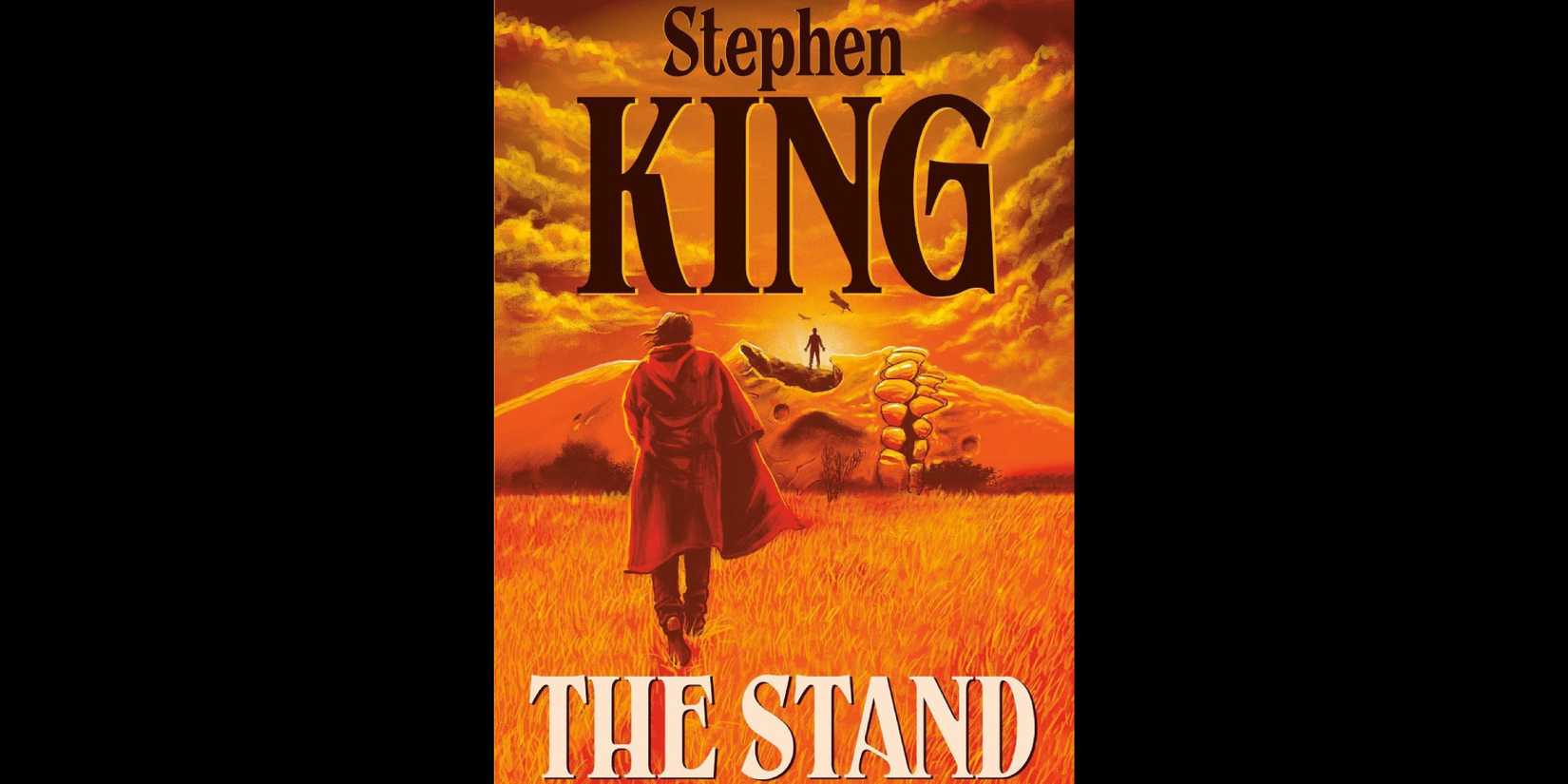
Paul has just finished writing his final manuscript outside the confines of his usual romance series—which revolves around his recurring protagonist, Misery Chastain—at an isolated Colorado cabin. Driving back to civilization, he suffers a horrific car crash. "Luckily" for Paul, he is rescued by Annie Wilkes, a former nurse who claims the roads are impassable and that he is far too frail to be moved.
As Paul’s shattered body slowly heals in Annie’s isolated home, it becomes glaringly apparent that his savior is deeply psychotic. When Annie reads Paul’s latest manuscript and discovers that he has killed off Misery in childbirth, the narrative descends into a waking nightmare. Subjected to months of escalating physical torture, Paul eventually engineers a desperate, high-stakes escape plan.
Beyond its gripping surface thrills, King has frequently confirmed a deeper allegorical layer: Annie Wilkes does not represent a specific fan, but rather cocaine—his true "number one fan"—which had sunk its claws deep into his life and refused to let go. Even after Paul escapes and returns to New York, the ghost of Annie lingers, reminding readers that true addiction is a shadow that never fully fades.
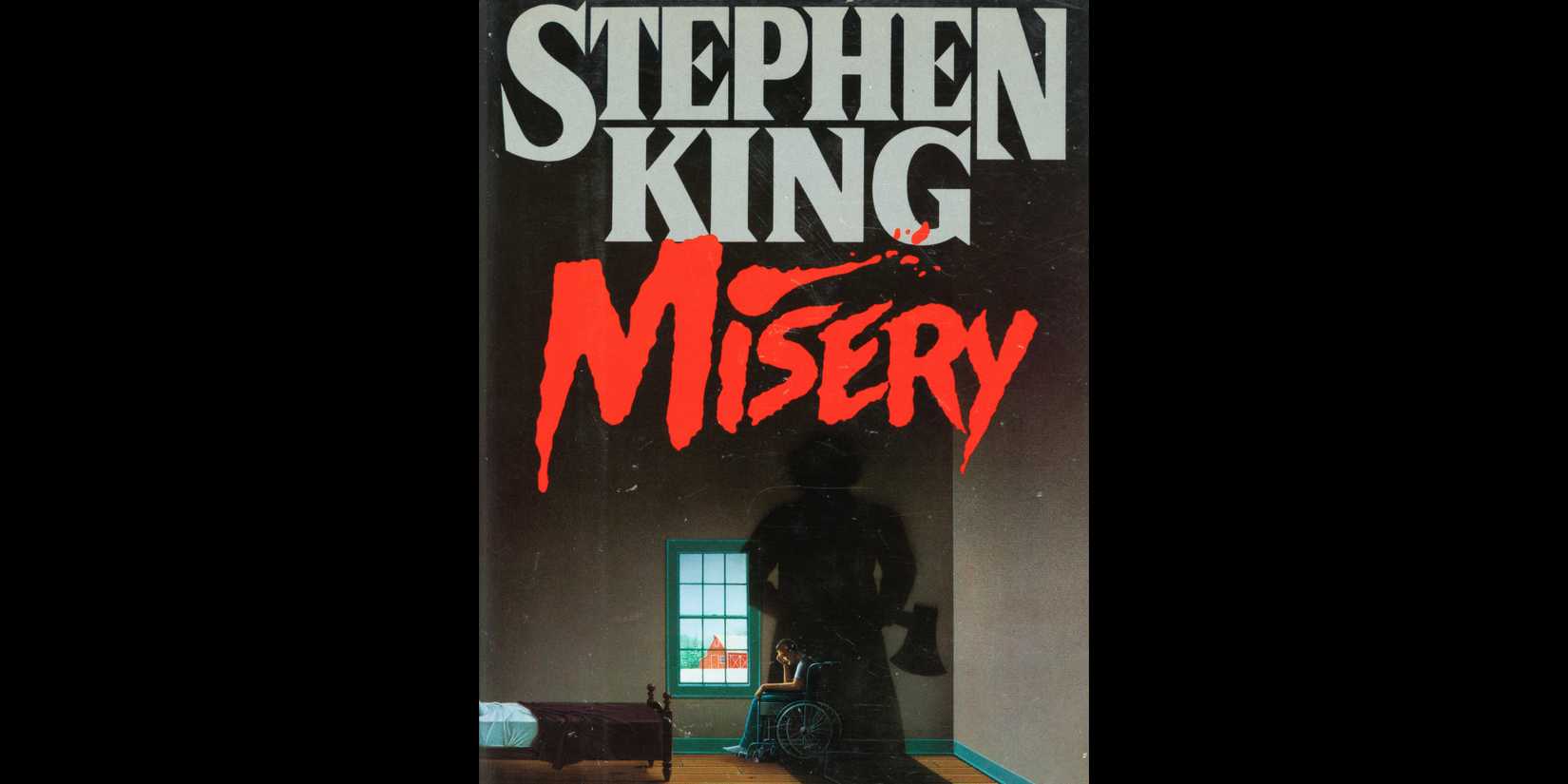
3. It (1986)
Dual Timelines and the Weight of Childhood Trauma
There is a distinct, mesmerizing satisfaction to dual-narrative timelines when executed with precision, and King leverages this literary device to absolute perfection in It. Spanning 1,138 pages, the novel weaves together two distinct eras—the nostalgic, terrifying innocence of the 1950s and the weathered, trauma-laden reality of the 1980s—to chart the evolution and ultimate reckoning of its characters. Mix in an ancient, shapeshifting cosmic entity disguised as a dancing clown, and you have an undisputed horror classic.
Chronology and Core Themes
Set in the fictional, cursed town of Derry, Maine, the saga follows a close-knit group of bullied outcasts who dub themselves "The Losers’ Club." Each child carries private burdens stemming from abusive or neglectful homes, making them prime targets for both human tormentors and something far more ancient.
An ancient, malevolent force awakens every 27 years to feast on the children of Derry. For the de facto leader of the group, Bill Denbrough, the horror strikes closest to home. His innocent little brother, Georgie, is brutally murdered in the storm drains during a rainstorm. The novel opens with this iconic, heartbreaking sequence: Georgie playing with a paper sailboat in the gutter, only to be lured by a silver-tongued clown holding a red balloon—Pennywise.
- Childhood (1958): The Losers unite, forming bonds forged in blood and mutual protection, ultimately confronting the monster in the subterranean tunnels beneath Derry.
- Adulthood (1985): Decades later, a wave of ritualistic murders signals that It has returned. Bound by a childhood blood oath, the now-adult Losers must return to Derry to finish what they started.
It operates fundamentally as a profound reflection on childhood trauma. It posits that the pain of our youth, no matter how deeply buried or repressed, remains festering just beneath the surface, ready to bubble up at the most inopportune moments. The novel concludes with the adult Losers defeating the entity (manifested as a colossal arachnid) through ultimate self-sacrifice, followed by a quiet fading of their memories—suggesting that while trauma shapes us, time eventually dulls its sharpest edges.
4. Pet Sematary (1983)
The Darkest Exploration of Grief and Mortality
With 67 novels and novellas to his name—including works published under his Richard Bachman pseudonym—Pet Sematary may stand as Stephen King’s flat-out scariest creation. The novel touches unflinchingly on the most profound terrors the human mind can conceive: the agonizing loss of a child, feelings of absolute helplessness, unburied psychological trauma, and all-consuming grief. King brings these abstract horrors to life with visceral imagery: reanimated corpses, hollow-eyed ghosts, and a lingering sense of metaphysical dread that stays with the reader long after the final page.
Chronology and Official Responses
The narrative begins with an air of deceptive domestic tranquility. Physician Louis Creed moves his young family from Chicago to rural Ludlow, Maine, for a fresh start. Almost immediately, Louis befriends his warm, wise neighbor, Jud Crandall, who adopts a paternal role in Louis’s life. However, the idyllic setting hides a grim reality: the Creeds’ new home sits adjacent to a busy highway where speeding semi-trucks roar past day and night.
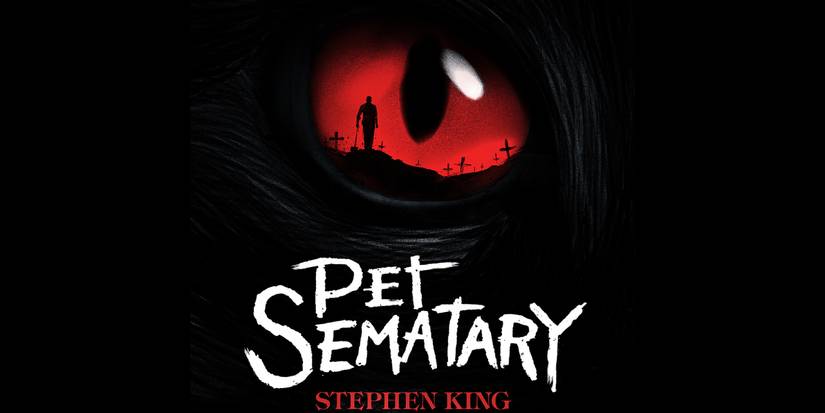
When the family cat, Church, is struck and killed by a truck, Louis faces an impossible dilemma. Unwilling to break his young daughter’s heart by explaining death, he makes a fateful mistake. Jud guides him deep into the Maine woods to a hidden Micmac burial ground with mystical, resurrection properties. They bury Church, and the cat returns—but it is fundamentally wrong, drained of its vitality and tainted by a malevolent spark.
The malicious soil, having tasted rebirth, hungers for more. It subtly orchestrates the accidental death of Louis’s young son, Gage, drawing a grief-mad Louis back to the cursed ground. Pet Sematary serves as a bleak, unrelenting warning: some natural boundaries are not meant to be crossed, and death cannot be cheated.
5. Salem’s Lot (1975)
The Suburban Infestation of Modern Vampires
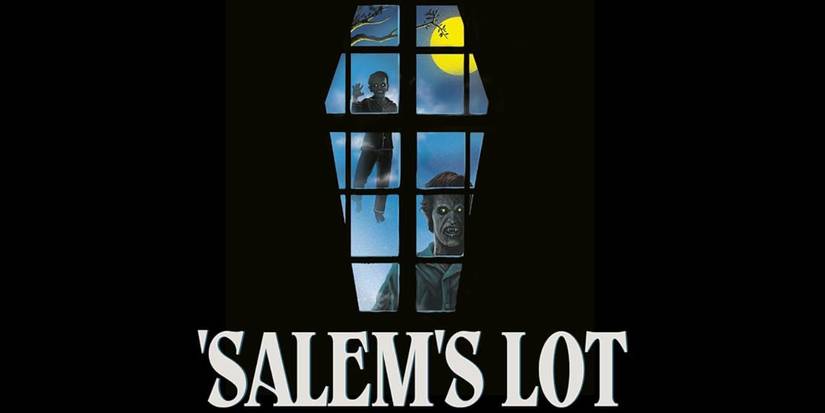
Having explored nearly every sub-genre of horror throughout his career, King’s early take on vampires remains one of his absolute crowning achievements. Salem’s Lot abandons the romanticized, aristocratic tropes of classic Gothic fiction in favor of a terrifyingly mundane setting: a quiet, unassuming New England town slowly hollowed out from the inside. According to King’s own afterword, the novel serves as a direct socio-political metaphor for how predatory outside forces—represented by the rich, the powerful, and the corrupt—gradually drain the lifeblood and economic vitality of small-town America.
Narrative Mechanics and Supporting Data
The story follows author Ben Mears as he returns to his childhood hamlet of Jerusalem’s Lot (or "’Salem’s Lot") to write a book about the Marsten House, a decaying Victorian mansion where he suffered a terrifying supernatural experience as a boy. Unfortunately for Ben, the spooky estate has just been purchased by an enigmatic antique dealer, Richard Straker, and his shadowy, reclusive business partner, Kurt Barlow.
Unlike the charismatic, alluring vampires of Bram Stoker’s Dracula, the blood-drinkers in Salem’s Lot operate as a biological contagion, spreading like a plague through the vulnerable population. What makes the book so effective is that the townspeople are far from innocent; nearly every resident harbors sordid secrets, petty greed, or moral compromises that make them easy prey.
As the vampire infestation tightens its grip, Ben forms a desperate alliance with a small band of survivors to hunt down Barlow and his thralls. Culminating in a desperate attempt to burn the infected town to the ground, Salem’s Lot remains a masterclass in atmospheric dread—a book best read with every light in the house firmly switched on.
6. The Shining (1977)
The Architecture of Addiction and Isolation
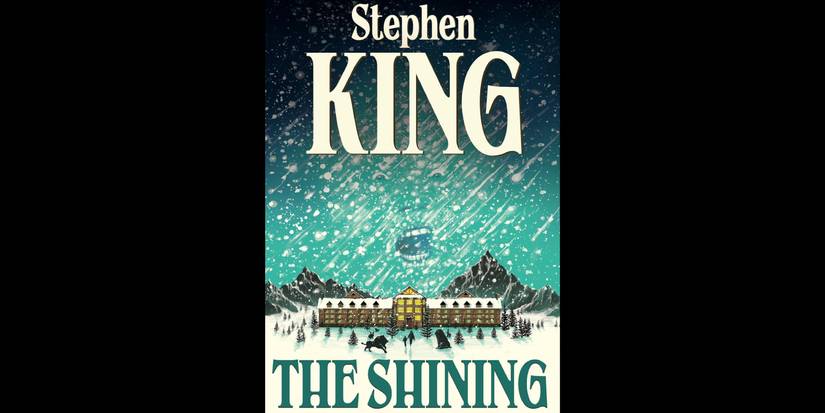
Stephen King has built a legendary career out of translating personal demons into external horrors. While Stanley Kubrick’s iconic 1980 cinematic adaptation focused heavily on atmospheric isolation and cabin fever, King’s original 1977 novel is explicitly an exploration of alcoholism, domestic abuse, and the terrifying ways addiction warps a person’s perception of reality, eroding their parental responsibilities and robbing them of their true self. The sprawling Overlook Hotel is not merely a haunted building; it is the physical manifestation of Jack Torrance’s internal decay, playing him like a fiddle with unrelenting psychological brutality.
Chronology, Themes, and Cinematic Legacy
The novel opens with Jack Torrance interviewing for the off-season caretaker position at the majestic, remote Overlook Hotel in the Colorado mountains. Desperate for a fresh start after a series of career and personal failures fueled by his temper and drinking, Jack brings his wife, Wendy, and their young son, Danny—who possesses a telepathic gift known as "the shine"—to the sprawling resort.
As winter sets in and heavy snows cut the family off from the outside world, the Overlook’s malevolent psychic history goes to work. The hotel preys on Jack’s vulnerabilities, tempting him back to alcoholism through phantom bartenders and stoking his simmering resentments toward his family.
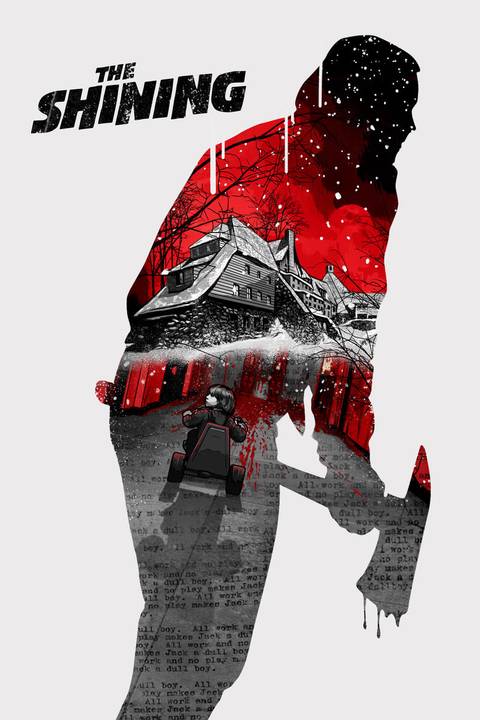
As Jack’s grip on reality completely unravels, he descends into murderous madness, attempting to butcher his wife and son with a roque mallet. The novel concludes in fiery devastation when the neglected boiler in the hotel’s basement explodes, destroying the cursed grounds and taking Jack with it.
Decades after its publication, The Shining remains a foundational text in horror literature—a timeless, terrifying reminder that the monsters we fear the most are often the ones we carry inside us.
