
The Mythos of the Lake: Showrunner Brad Caleb Kane on Reimagining ‘Friday the 13th’
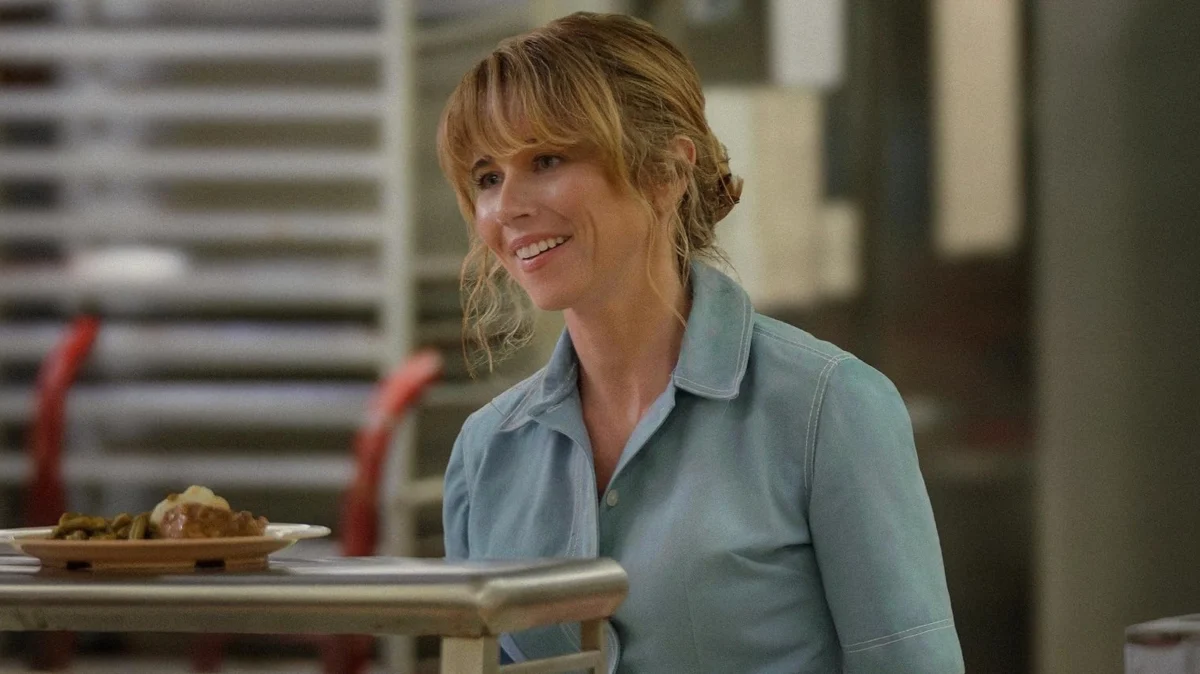
The Friday the 13th franchise is perhaps the most resilient, albeit structurally chaotic, entity in the annals of horror cinema. Spanning over four decades, twelve films, and a narrative trajectory that has sent its masked antagonist from the shores of New Jersey to the cold vacuum of space, the series has rarely been lauded for its narrative cohesion. Instead, it has thrived on the visceral, the primal, and the legendary status of its central figures: Pamela and Jason Voorhees.
As anticipation builds for the upcoming A24 and Peacock prequel series, Crystal Lake, the pressure on showrunner Brad Caleb Kane to reconcile the franchise’s disjointed history is immense. In an exclusive interview, Kane revealed that his approach to this monumental task was not to be shackled by the inconsistencies of the past, but to embrace the inherent, ghoulish fun of the campfire ghost story.
The Mandate of Fun: Breaking the Rules of Canon
When tasked with expanding upon the Friday the 13th universe, many creators might have felt paralyzed by the weight of existing lore. The franchise is notorious for its "retcons"—most notably the shift from Pamela Voorhees as the primary antagonist of the 1980 original to her son Jason becoming the supernatural juggernaut of the sequels.
For Brad Caleb Kane, however, the lack of strict continuity was not a hindrance; it was a blank canvas. When asked about his strategy for navigating decades of varying canon, Kane was refreshingly candid.
"The series is pretty inconsistent in terms of canon, and obviously from one to two, just because one was such a massive hit, they retconned it," Kane explained. "They just decided Jason had been in the woods that whole time. And so there were really no parameters put on me in terms of what I could do."
Instead of creating an exhaustive bible of rules, Kane instituted a singular, guiding principle for the writers’ room: the project had to be a "good time." By stripping away the pressure to force the disparate timelines into a coherent, linear structure, Kane aimed to capture the kinetic, adrenaline-fueled energy that made the original films cultural touchstones. "I attack every show and project I work on with no rules," he noted. "I don’t like there to be rules. The only rule was that it’s got to be a good time. These movies were a good time, and ultimately, I wanted the show to be an entertainment. I wanted the show to be a wild ride."
A Chronological Shift: Reinterpreting the Origin
Crystal Lake sits in a precarious temporal position. By positioning itself as a prequel, the show must account for the history established in the 1980 film while forging its own identity. The original Friday the 13th features a famous prologue set in 1958, depicting the murder of two camp counselors, Barry and Claudette.
Kane’s series, which is set in 1971, creates a fascinating intersection of timeline manipulation. Rather than slavishly adhering to every date mentioned in the films, the showrunner has chosen to honor the "spirit" of the franchise. This approach allows for the inclusion of iconic beats—such as the murders of those first counselors—while restructuring the surrounding narrative to fit a television format.
This decision highlights a critical understanding of the franchise’s appeal. Friday the 13th has never been a "prestige" drama in the traditional sense; it is a mythic cycle of violence that persists regardless of logical scrutiny. By acknowledging that the lore is, at its core, a "mercurial campfire tale," Kane allows the audience to suspend their disbelief and lean into the atmospheric dread that made the original film a triumph of the slasher genre.
Supporting Data: Why the Fans Demand ‘The Experience’
To understand why Kane’s "no-rules" approach is likely to resonate, one must look at the demographics and historical performance of the franchise. Horror remains one of the most profitable genres in entertainment, and the Friday the 13th brand carries a level of global recognition that transcends language barriers.
Data from the franchise’s history shows that audience interest peaks not necessarily when the films are most "intellectual," but when they successfully deliver on the core promises of the brand: creative kills, a haunting score, and the sense of isolation. By focusing on these pillars—the lake, the woods, the camp, and the tension—Kane is leaning into the established "visual language" of the franchise.
Furthermore, the involvement of A24, a studio known for elevating the horror genre with critical darlings like Hereditary and The Witch, suggests that Crystal Lake will likely bridge the gap between "slasher fun" and high-concept psychological horror. This synthesis of high-end production value and low-end, visceral thrills is a delicate balance, but one that current market trends suggest audiences are hungry for.
Official Responses and Creative Vision
The production, spearheaded by Peacock and A24, has been shrouded in a level of secrecy befitting the mysterious woods of New Jersey. However, the glimpses provided by the showrunner indicate a deep respect for the source material, even as it is dismantled.
"We had to touch on certain points in the movies that were important to me as a fan," Kane shared. "If we’re introducing characters like Barry and Claudette, the counselors, and we’re in the time period when these murders took place, at least we have to see those murders take place."
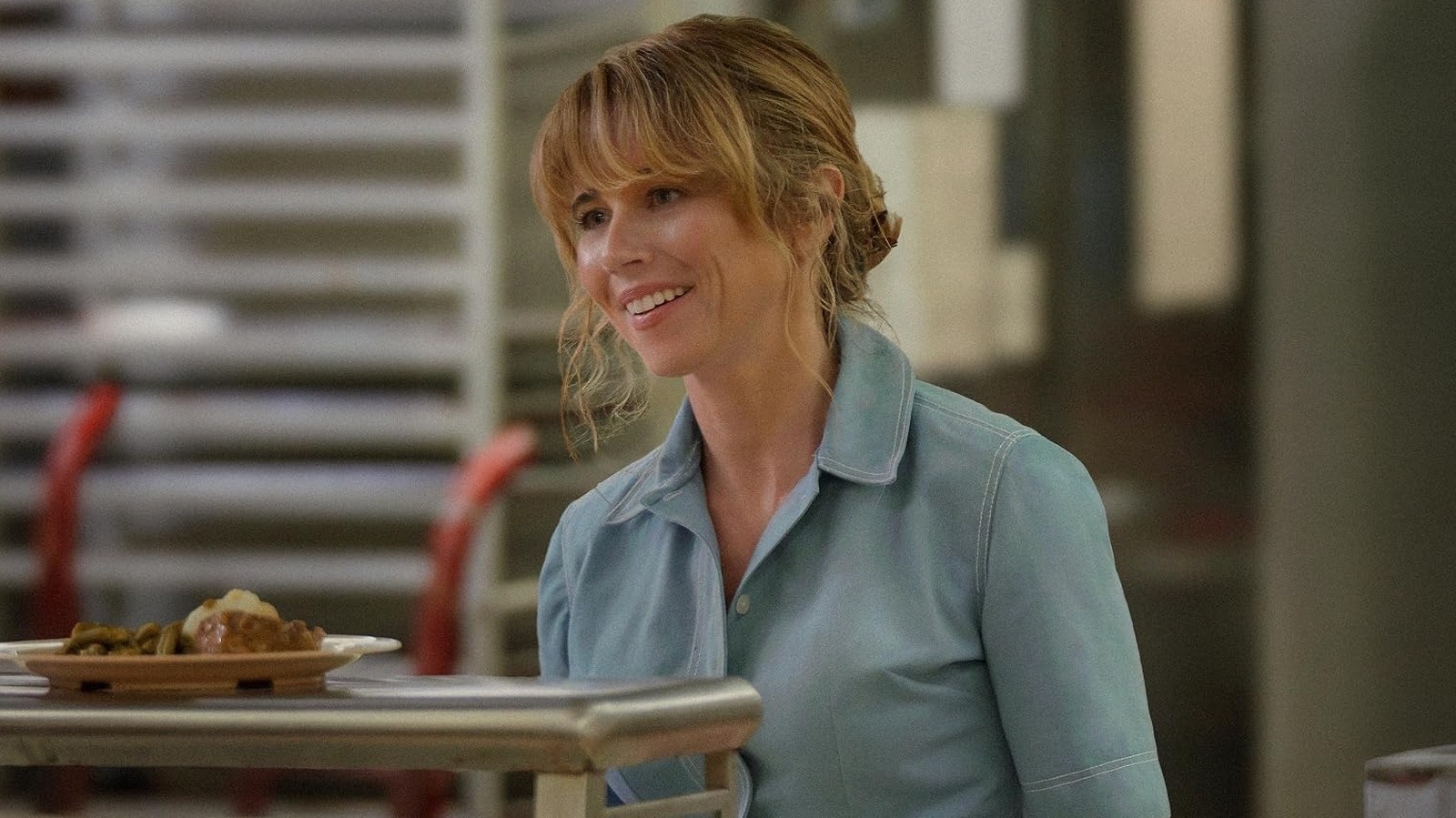
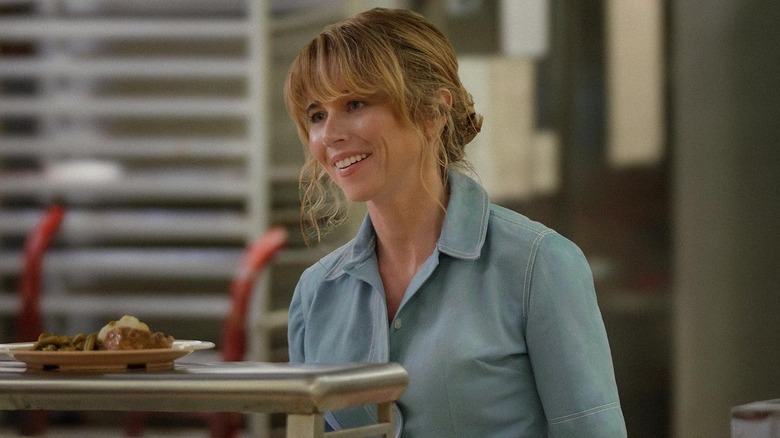
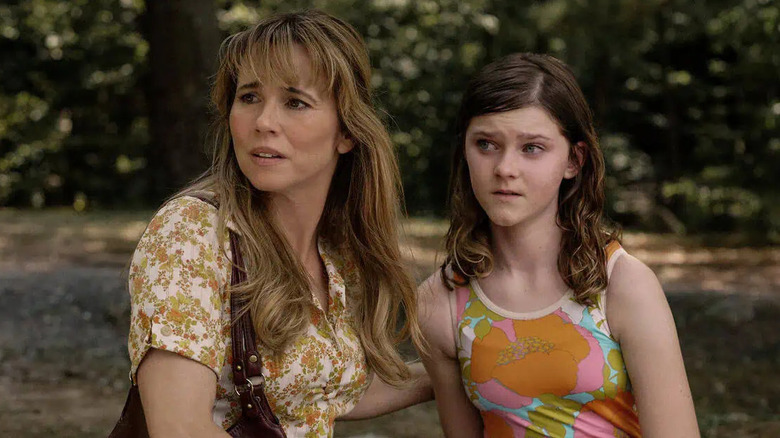
This indicates that Crystal Lake will serve as an origin story for the mythos itself, grounding the supernatural elements in the very human, albeit deeply troubled, characters of the Voorhees family. By focusing on Linda Cardellini’s portrayal of Pamela Voorhees, the series promises a nuanced look at the tragedy that set the entire franchise in motion. The show is not merely a collection of jump scares; it is a character-driven exploration of a mother’s descent into madness.
Implications: The Future of the Slasher Franchise
The implications of Crystal Lake succeeding are significant. Should this series perform well, it could set a new template for how long-running horror franchises are revitalized. In an era of endless reboots and "requels," the industry is watching closely to see if a television series can successfully untangle a knotted, decades-old timeline while still appealing to modern sensibilities.
If Kane’s bet on "fun over logic" pays off, it could usher in a new golden age for slasher television. It provides a blueprint for creators to handle intellectual property that has become bogged down by its own mythology. By granting writers the freedom to treat the source material as a foundation rather than a cage, studios may find that they can attract more creative talent to stagnant franchises.
Moreover, the success of Crystal Lake would solidify the "prequel as character study" model. By focusing on the human elements behind the mask, the show offers a fresh perspective on a character—Jason Voorhees—who has often been relegated to a silent, unstoppable force of nature.
Final Reflections
As we look toward the October 15, 2026, premiere, the anticipation is palpable. Crystal Lake is poised to be a significant cultural moment, not only for horror aficionados but for anyone interested in the evolution of television storytelling.
Brad Caleb Kane’s philosophy—that the audience deserves an experience that is, above all, a good time—is a testament to the enduring power of the genre. He recognizes that we don’t return to the lake for the spreadsheets or the logic; we return for the fear, the atmosphere, and the thrill of the unknown. Whether or not the fans will accept these creative liberties remains the ultimate question, but for now, the promise of a "wild ride" is exactly what the Friday the 13th franchise needs to remain relevant in the modern age.
In the end, Crystal Lake may not be a perfect retelling of the history we think we know, but if it captures the essence of that campfire story—the one that keeps us looking over our shoulders in the dark—it will have achieved exactly what it set out to do. The mask is coming back, and the woods are waiting.
