
The Sonic Architecture of Resistance: How Laura Karpman and Raphael Saadiq Scored the Tulsa Massacre in ‘Lovecraft Country’
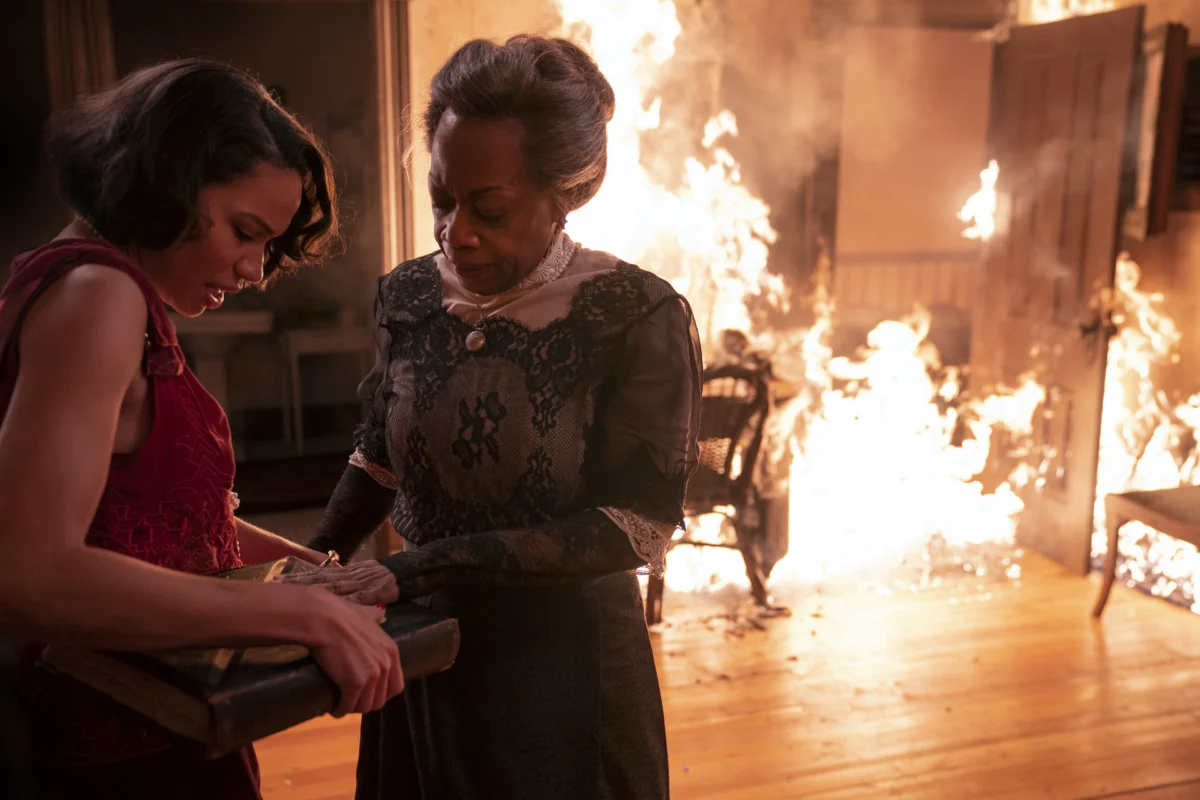
In the pantheon of television storytelling, few sequences have carried the weight, historical gravity, and visceral intensity of the depiction of the 1921 Tulsa race massacre in HBO’s Lovecraft Country. The episode, which functions as both a harrowing historical reenactment and a supernatural odyssey, required a musical score capable of traversing the boundary between abject tragedy and the defiant, magical reclamation of Black history. Composers Laura Karpman and Raphael Saadiq achieved this through an ambitious, genre-defying orchestral requiem that turned the pain of the past into a clarion call for future empowerment.
The Genesis of an Operatic Requiem
At the heart of this sonic achievement lies a bold creative decision: the adaptation of Sonia Sanchez’s seminal poem, "Catch the Fire." In the hands of Karpman and Saadiq, the poem—previously featured in the episode as a quiet, reflective reading—was transformed into a sprawling, operatic requiem.
The piece, performed with haunting precision by Chicago opera soprano Janai Brugger, serves as the auditory anchor for an explosive montage. As the screen captures the fiery destruction of Black Wall Street and the harrowing juxtaposition of Leti (Jurnee Smollett) navigating the chaos with the Book of Names, the music provides a counterpoint of spiritual transcendence.
“Misha Green licensed the Sonia Sanchez poem for an earlier moment in the episode, and it was this beautiful, almost calm rendering,” explained composer Laura Karpman. “Then, our take comes in and explodes it. We adapted the poem, cut it down, and synthesized the message, which is a call to action, a protest, rage.”

For the composers, the goal was not merely to underscore the visual violence but to elevate it into a "mass for the dead." The music is simultaneously aggressive and gentle—a duality that Karpman notes is essential to the definition of a requiem. By imbuing the scene with classical operatic structures, the duo ensured that the tragedy was not just witnessed, but felt on a soul-deep level.
Chronology of a Pandemic Production
The creation of this score was as unique as the show itself. Because the project was finalized during the height of the COVID-19 pandemic in June 2020, the traditional studio recording environment was entirely inaccessible.
Karpman and Saadiq were forced to innovate, assembling a "Unison Orchestra" of nearly 30 players. Each musician recorded their parts individually from their own homes, a logistical feat that required immense synchronization and technical precision. The resulting sound is a testament to the resilience of the creative process during a period of global isolation.
“It was scored in June, when everything was really afire after the murder of George Floyd,” Karpman recalled. “The timing felt surreal. There was a lot of isolation for everybody, and it was a really hard time to be creating music, but that pain poured directly into the work.”

The decision to lean into the operatic style was cemented when Karpman shared a video of Janai Brugger’s performance of Mozart’s The Magic Flute with showrunner Misha Green. The scene, which features the character Pamina walking through fire as a test of spirit, mirrored the narrative arc of Leti in the Tulsa sequence. Green’s immediate approval of the concept allowed the composers to move forward without the typical cycles of revision, resulting in one of the most cohesive and powerful sequences in the series.
"Gothic R&B": Defining a New Musical Language
Lovecraft Country is defined by its refusal to sit comfortably within a single genre. Each of its ten episodes operates as a distinct entry in the canon of speculative fiction, ranging from sci-fi and action-adventure to war and horror. To match this shifting landscape, Green challenged her composers to create a musical identity she termed "Gothic R&B."
This hybrid style serves as the show’s backbone, bridging the gap between the mid-century setting and the modern sensibilities of the audience. By synthesizing traditional orchestral arrangements with the soulful, rhythmic roots of R&B, Karpman and Saadiq successfully broke down the silos that typically separate these musical worlds.
“Misha conceived the music as a mash-up,” Karpman said. “She would say, ‘I want to put my people in Raiders of the Lost Ark—so give me that. Do opera, do military music for war movies.’ It was an experience that Raphael and I really appreciated, taking all of these genres and claiming them for under-represented people.”

Raphael Saadiq, a Grammy-winning producer known for his mastery of R&B, brought a distinct texture to the project. His use of guitars and his innate sense of groove provided a necessary friction against Karpman’s orchestral foundation. The result evokes the modernistic scores of the 1960s—reminiscent of the legendary Jerry Goldsmith—while remaining firmly grounded in a contemporary, distinctly Black cultural perspective.
Official Perspectives on Artistic Intent
The collaboration between Saadiq and Karpman was described by both as a deeply spiritual undertaking. Saadiq, reflecting on the process, noted that the combination of the hymn-like qualities of the score and the darker, Gothic elements created a "perfect collision."
“Laura was in string heaven,” Saadiq said. “I like many genres, and I like to go where people think you can’t go. When you have respect for the past, you tend to lend your spirit back to the past by trying to move forward. That’s what we tried to do with Lovecraft.”
This respect for the past is most evident in the show’s early themes, such as “Ardham,” which deals with the dark, occult-ridden legacy of the family. Influenced by Saadiq’s own composition “Sinner’s Prayer,” the score consistently highlights the tension between the weight of history and the urgency of the present. For the composers, the music was never just background filler; it was a character in itself, tasked with articulating the unspoken horrors of the Jim Crow era and the resilience of those who survived them.

The Broader Implications of Genre Reclamation
The significance of the score extends beyond the technical prowess required to execute it. By placing Black characters into the center of traditional "white" genres—such as the adventure serial, the monster movie, and the gothic horror—Lovecraft Country forces a reevaluation of historical narratives. The music serves as the glue for this reclamation.
When audiences hear the operatic, bombastic, and deeply mournful tones of the Tulsa massacre sequence, they are not merely hearing a soundtrack; they are hearing a subversion of traditional Hollywood tropes. Typically, these genres have either erased the Black experience or marginalized it. By scoring these stories with a fusion of operatic tradition and R&B soul, Karpman and Saadiq have carved out a space where Black history is given the same level of mythic and epic grandeur as the stories of their white counterparts.
Furthermore, the "Unison Orchestra" approach highlights a shift in how high-concept television can be produced in an era of decentralization. The fact that such a sophisticated, emotionally complex piece of art was created in isolation—and yet sounds like it was recorded in a world-class studio—speaks to the technological and artistic maturity of modern television production.
In conclusion, the work of Laura Karpman and Raphael Saadiq on Lovecraft Country stands as a masterclass in thematic storytelling. They successfully synthesized the pain of the 1921 Tulsa massacre with the hope and magic of the series’ narrative, creating a soundscape that will likely serve as a benchmark for television scoring for years to come. By honoring the past through "Gothic R&B" and embracing the challenges of a global pandemic, they did more than just provide music; they provided a voice to a legacy that had been silenced for too long.
