
Tokyo Filmex Returns: A Definitive Showcase of Asian Cinema’s Vanguard
The 27th edition of Tokyo Filmex, set to unfold from November 20 to 29 in the heart of the Japanese capital’s Yurakucho district, has officially unveiled a program that cements its reputation as the premier destination for avant-garde and emerging Asian voices. As the festival prepares to take over iconic venues like the Yurakucho Asahi Hall and Marunouchi Piccadilly, the industry is turning its gaze toward a selection of films that capture the continent’s shifting sociopolitical landscapes, existential anxieties, and bold aesthetic experiments.
The Core Competition: A Global Tapestry of Emerging Talent
At the heart of this year’s festival is a ten-film competition slate specifically curated for emerging Asian directors. The program, which highlights works completed in 2025 or 2026, features four debut features, underscoring the festival’s commitment to fostering the next generation of cinematic masters.
The competition is a high-stakes arena, with an international jury—led by the legendary Taiwanese actor Lee Kang-sheng, a lifelong collaborator of auteur Tsai Ming-liang—tasked with awarding a Grand Prize (JPY 700,000 / $4,500) and a Special Jury Prize (JPY 300,000 / $1,900).
Key Contenders and Their Narratives
The selection reflects a striking geographical and thematic diversity. Representing Thailand and Nepal respectively are 9 Temples to Heaven and Elephants in the Fog, both of which are currently serving as their nations’ official entries for the Academy Awards.
- 9 Temples to Heaven (Thailand): Directed by Sompot Chidgasornpongse, a protégé of the acclaimed Apichatpong Weerasethakul, this deadpan family comedy explores the absurdities of faith and mortality. The narrative centers on a 63-year-old man who, panicked by a fortune teller’s dire prediction, attempts to drag his family on a one-day temple pilgrimage, only to be thwarted by his mother’s refusal to leave their car.
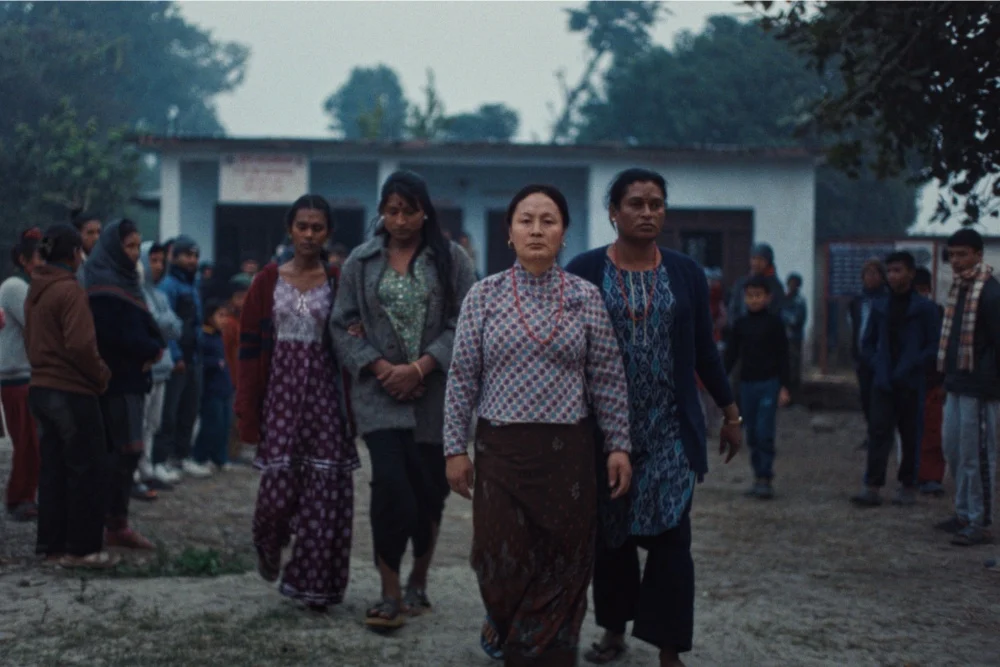
- Elephants in the Fog (Nepal): Abinash Bikram Shah’s debut, which earned the Jury Prize in the Un Certain Regard section at Cannes, is a landmark for Nepali cinema. The film provides a visceral look at a third-gender community leader in a remote village, tasked with uncovering the truth behind a missing girl when local authorities remain indifferent.
The Venice International Film Festival has provided a robust contingent to the competition, including Phuttiphong Aroonpheng’s The Burning Giants, which investigates indigenous displacement, and Michelle Zhou’s Big Little Things, a deeply personal narrative about identity and familial expectation that has already garnered significant praise on the international circuit.
A Chronology of Artistic Vision
Tokyo Filmex is not merely a screening venue; it is a vital checkpoint in the annual festival calendar. The 2025/2026 cycle represented in the program demonstrates a shift toward stories that bridge the gap between regional folklore and global political discourse.
- Opening and Closing: The festival opens with novelist-turned-director Maha Harada’s In My Father’s Room, a poignant drama that premiered at San Sebastian. The festival will close with the highly anticipated We Are All Strangers by Anthony Chen, the final installment of the filmmaker’s celebrated "Growing Up" trilogy.
- Retrospective Influence: A standout element of the schedule is the inclusion of the "Walker" series by Tsai Ming-liang. Lee Kang-sheng will not only serve as a juror but will be on screen in these meditative, glacial-paced journeys, including the 11th chapter, Dust, and the 12th, Night Journey.
- Restoration and Heritage: Bridging the gap between eras, the festival will screen a 4K restoration of Ann Hui’s 1981 Hong Kong New Wave thriller The Story of Woo Viet. This screening serves as a vital reminder of the historical foundations upon which the current generation of filmmakers is building.
Supporting Data: The Logistics of a Cinematic Hub
The 27th edition of Tokyo Filmex is a logistical feat, spanning three primary venues: Yurakucho Asahi Hall, Marunouchi Piccadilly, and Human Trust Cinema Yurakucho. Beyond the films themselves, the festival is reinforcing its commitment to professional development through the "Talents Tokyo 2026" program. Held in collaboration with Berlinale Talents, this initiative provides a laboratory for emerging filmmakers to refine their craft under the guidance of industry veterans, ensuring the festival’s impact extends far beyond the final screening.
Award Structures and Economic Stakes
The festival maintains a transparent and professional approach to its competitive awards, ensuring that directors receive not only critical recognition but also financial support to sustain their future projects. With prizes pegged at significant amounts in the Japanese Yen, the festival provides a tangible boost to independent productions that often struggle to find traditional funding.
Official Responses and Industry Sentiment
Industry insiders have noted that the 2025 program feels particularly urgent. The inclusion of films like American Doctor—Poh Si Teng’s documentary regarding medical volunteers in Gaza—suggests a festival that is willing to engage with the most pressing humanitarian crises of our time.
Festival organizers have emphasized that the selection process focused on "resilience." Whether it is the personal struggle of a doctor in Ali Asgari’s A Bit of Light or the societal navigation in Priscilla Ang’s Ah Girl, the common thread is the human ability to persevere against structural or personal odds.
"We are witnessing a maturation of Asian independent cinema," noted one festival programmer during the press launch. "The directors selected this year are not just observers; they are active participants in defining what Asian identity looks like in the mid-2020s."
Implications for the Future of Asian Cinema
The implications of this year’s Tokyo Filmex are profound. By providing a platform for first-time directors like Amie Song and established auteurs like Sugita Kyoshi, the festival creates a vertical integration of talent.
The Rise of "Small" Stories
A dominant trend across the competition is the move away from grand, sweeping epics in favor of the "intimate scope." Whether it is a fake boyfriend story in Harbin or a road trip to a temple, the films emphasize the local—the "Big Little Things"—to speak to universal experiences. This shift indicates that the next wave of Asian cinema is moving toward a more nuanced, character-driven realism that resonates globally without sacrificing its cultural specificity.
Geopolitical Narratives
The presence of films like The Burning Giants and The Story of Woo Viet highlights a trend of filmmakers reclaiming historical narratives. By examining government operations or the echoes of the Hong Kong New Wave, these directors are placing their work firmly within the context of their nations’ political trajectories.
As the festival prepares to open on November 20, the consensus among critics is that Tokyo Filmex remains the most essential barometer for the health of Asian film. By championing the experimental, the political, and the deeply personal, the festival ensures that the voices of the region are not only heard but are setting the pace for the global cinematic conversation.
In conclusion, the 27th Tokyo Filmex is poised to be more than a screening series; it is a critical junction where the past, present, and future of Asian film converge. With a lineup that balances the rigor of veteran auteurs with the raw energy of debutantes, the event promises to be a transformative experience for both the filmmakers involved and the audiences in attendance. As the industry looks toward 2026, the works featured in Yurakucho will undoubtedly be those that define the aesthetic and thematic trends of the coming decade.
