
Unmasking the Mercenary: Who Is Paladin, the New Threat in Marvel’s ‘VisionQuest’?
⚠️ Spoiler Warning: This article contains major plot points and spoilers for Episodes 1 and 2 of Marvel Studios’ Disney+ series, "VisionQuest."
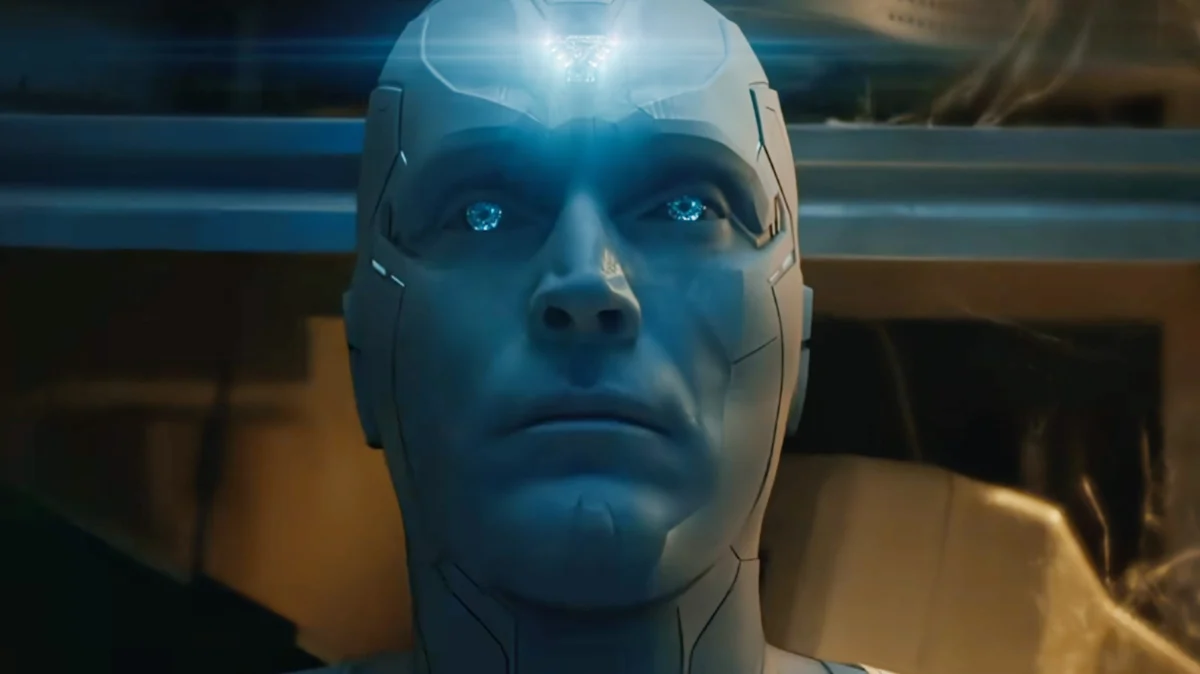
Life inside a meticulously crafted digital mindscape is all fun and games until a heavily armed SWAT team crashes through the windows of your local pub with lethal intentions. For the first half of the series premiere of Marvel Studios’ VisionQuest, audiences are kept firmly inside the perspective of Paul Bettany’s White Vision. We see him navigating the quiet, albeit unusual, confines of his crowded digital consciousness and awkwardly interacting with Edinburgh local Fiona Guthrie (Polly Frame)—the closest thing he currently has to a friend.
Naturally, this fragile peace shatters when a mysterious employer dispatches a brutal squad of mercenaries to hunt him down, forcing the synthezoid back onto the run.
In Episode 2, titled "Theseus," showrunner Terry Matalas—known for his standout work on Star Trek: Picard—begins peeling back the layers on the man leading the charge: a party-crashing mercenary played by scene-stealer Todd Stashwick. Meet the Paladin, a minor antagonist lifted straight from the deep cuts of Marvel Comics. In the MCU, he is depicted as a cold-blooded hired gun contracted by an anonymous, voice-disguising figure known only as "The Client." His mission? Recover the White Vision from WandaVision alive.
While Paladin is an established fixture in Marvel lore, VisionQuest takes calculated, fascinating liberties with the secondary villain, setting up what is already proving to be one of the highlights of the early season.
Main Facts: The Arrival of Paladin in VisionQuest
The introduction of Paladin in the second episode of VisionQuest marks another instance of Marvel Studios taking a lesser-known comic book character and thrusting them into the spotlight of the broader Marvel Cinematic Universe (MCU).
- The Character: Portrayed by veteran character actor Todd Stashwick, Paladin is a tactical, highly skilled mercenary equipped with advanced weaponry and elite tactical gear.
- The Mission: Hired by an enigmatic, voice-altered figure referred to as "The Client," Paladin’s primary objective is the capture—not the immediate destruction—of Paul Bettany’s White Vision.
- The Lore Twist: Unlike his comic book counterpart, who typically operates as a singular freelance operative, the MCU’s version of Paladin belongs to a legacy order of mercenaries who pass down the moniker through decades.
- Current Status: With new episodes dropping every Tuesday on Disney+, Paladin serves as the primary physical threat driving the early-season narrative as Vision attempts to evade capture while piecing together his identity.
Chronology: How the Threat Unfolds
To understand the weight of Paladin’s introduction, it is necessary to examine how the narrative unfolds across the opening episodes of VisionQuest.
The Prelude to Chaos (Episode 1)
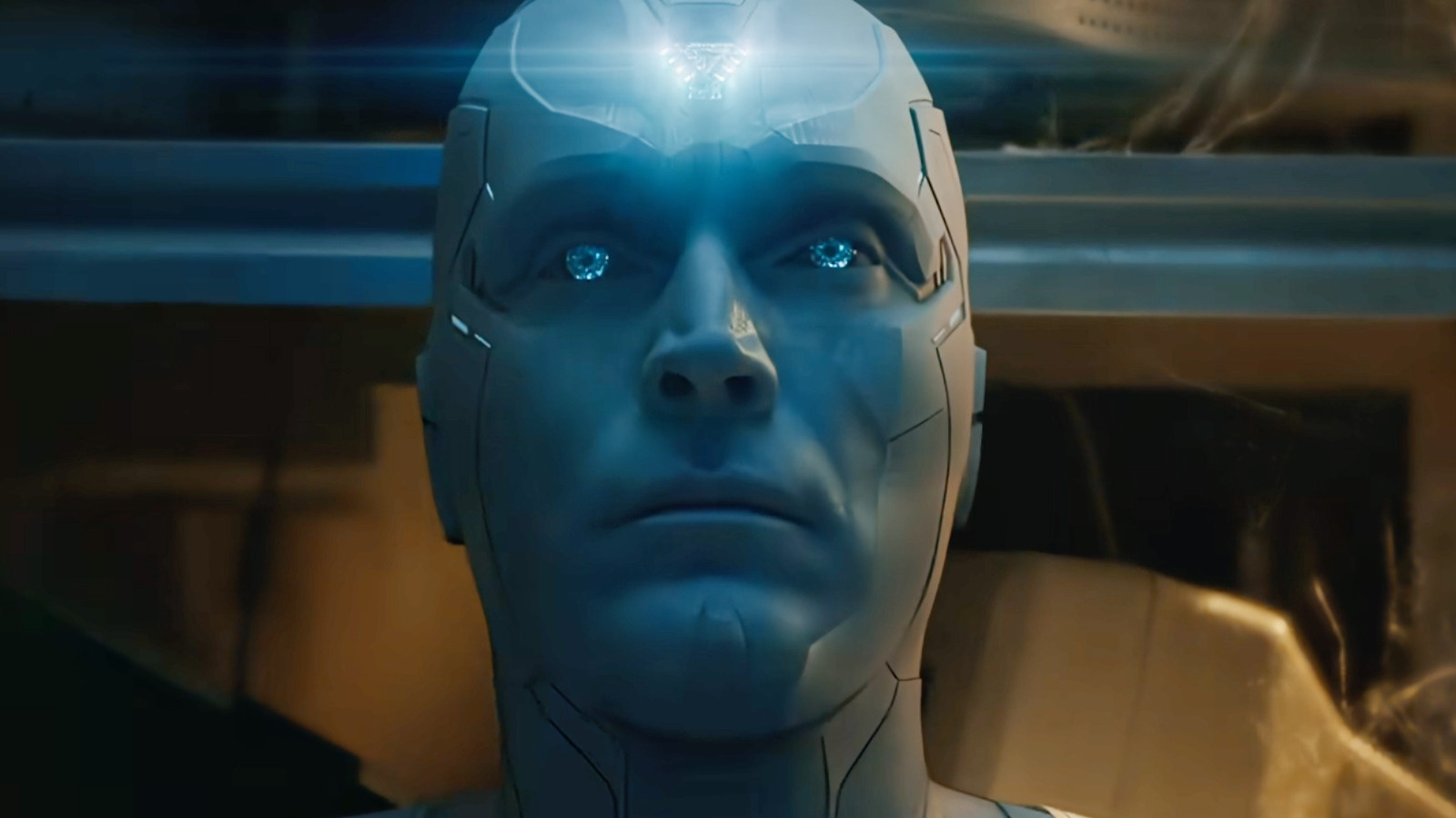
The series premiere opens by establishing the psychological state of White Vision following the events of WandaVision. Operating outside the direct oversight of major governmental agencies or the Avengers, Vision has attempted to build a quiet, routine existence. He is shown sequestered in a digital environment of his own creation, interspersed with real-world interactions in Edinburgh.
The illusion of safety is brutally shattered midway through the episode. Without warning, a localized military strike force breaches his location. The attack is calculated, overwhelming, and designed to flush Vision out into the open. The episode concludes with Vision realizing he is a target once again, setting the stage for a high-stakes cat-and-mouse game.
The Reveal of the Hunter (Episode 2: "Theseus")
Showrunner Terry Matalas wastes little time keeping the antagonists in the shadows. In Episode 2, titled "Theseus"—a clever thematic nod to the philosophical Ship of Theseus paradox explored in WandaVision—Todd Stashwick’s character is formally introduced.
Sporting tactical gear and a masked visage, Stashwick’s Paladin is shown methodically tracking Vision’s digital and physical footprints. Dialogue between Paladin and his handlers establishes that his contract is ironclad, functioning almost like a blood oath. As Vision and his rudimentary AI companions attempt to stay one step ahead, they quickly realize that Paladin is not a mindless drone, but a seasoned, highly adaptable professional who possesses intimate knowledge of how to neutralize synthetic lifeforms.
Supporting Data: From C-Tier Comic Character to MCU Player
Marvel Studios has built a multi-billion-dollar franchise largely on its ability to take C-tier and D-tier comic book characters and turn them into household names—think of characters like the Guardians of the Galaxy, Echo, or Agatha Harkness. Paladin fits squarely into this tradition.
The Comic Book Origins of Paladin
Created by Jim Shooter and Carmine Infantino, the original Paladin (whose real name, Paul Denning, was only revealed years later) debuted in Daredevil #150 in 1978. Initially introduced as a foil and antagonist for the Man Without Fear, Paladin quickly evolved into a classic Marvel antihero.
- Moral Ambiguity: Paladin never aligned strictly with heroes or villains. He was a pure mercenary who went wherever the highest bidder or his own flexible moral compass pointed him.
- Notable Associations: Over the decades, Paladin crossed paths (and threw punches) with Spider-Man, the Avengers, the Defenders, and Silver Sable’s Wild Pack. He notably served on government-sanctioned teams like the Thunderbolts during the Civil War era.
- Skill Set: Unlike many super-powered combatants, Paladin relies on peak human conditioning, master-level martial arts, expert marksmanship, and a suite of high-tech gear, including his signature stun-gun blasters and a force field belt. He is also famously depicted as an unrepentant flirt with a sharp, cynical wit—traits that Todd Stashwick brings to life with ease.
How VisionQuest Adapts the Lore
While the series retains the core archetype of Paladin—a shadowy, morally gray sharpshot for hire—VisionQuest implements a significant narrative divergence. By establishing Paladin not just as an individual alias, but as a mantle passed down through an organized order of mercenaries, the show expands the lore significantly. This implies that the criminal underworld of the post-Endgame MCU possesses structured, legacy syndicates that specialize in dealing with enhanced and synthetic threats.
Official Responses and Creative Vision
The creative team behind VisionQuest has emphasized that the series is designed to be a deeply psychological exploration of identity, memory, and personhood, anchored heavily by action-thriller elements.
Showrunner Terry Matalas, speaking about his approach to crafting characters within established universes, has frequently highlighted the importance of grounding sci-fi concepts in gritty, character-driven storytelling. By casting Todd Stashwick—a frequent collaborator known for injecting sharp comedic timing and intense gravitas into genre shows—Matalas ensured that Paladin would be more than just a generic roadblock for the protagonist.
Marvel Studios executives have similarly positioned VisionQuest as a pivotal chapter in the streaming landscape, bridging the gap between street-level espionage and the high-concept cosmic/synthetic corners of the MCU. While formal executive press statements regarding Paladin’s long-term arc remain tightly sealed to preserve upcoming plot twists, the inclusion of a legacy mercenary group hints at a broader world-building canvas that will likely pay off in later episodes.
Implications for the Marvel Cinematic Universe
The introduction of Paladin and the overarching plot of VisionQuest carry several major implications for the future direction of the MCU:
- The Hunting of Enhanced and Synthetic Beings: With Vision on the run from a mysterious "Client," the series highlights a growing black-market economy for acquiring advanced technology and synthetic bodies. In a world post-S.W.O.R.D. and post-Stark Industries, rogue factions are clearly attempting to replicate or harness the power of artificial intelligence and vibranium-infused physiology.
- Expansion of the Criminal Underworld: Framing Paladin as part of an ancient or legacy order of mercenaries opens the door for other classic Marvel underworld tropes to enter live-action, potentially intersecting with properties involving characters like Daredevil, Punisher, or U.S. Agent.
- The Philosophy of Self: True to its title and the themes established in WandaVision, the conflict with Paladin forces White Vision to confront what it means to truly exist. If his body and memories are viewed by corporate or governmental shadow-brokers as mere property to be repossessed, Vision’s quest for autonomy becomes an existential battle for survival.
As new episodes of VisionQuest stream every Tuesday on Disney+, audiences will be watching closely to see who is pulling The Client’s strings—and whether Paladin will remain an antagonist or ultimately pivot toward his traditional comic book roots as an uneasy ally.
