Building the Impossible: Inside the Visual Effects and Practical Wizardry of A24’s Backrooms
What began as a single, eerie photograph of an empty, yellow-carpeted room in a Wisconsin furniture store has blossomed into one of the most unexpected cinematic triumphs of the decade. A24’s psychological horror feature Backrooms, directed by Kane Parsons in his feature-film debut, bridges the gap between internet mythology and blockbuster filmmaking. Expanding upon Parsons’ wildly popular, self-taught YouTube web series—which he famously began crafting in Blender at just 16 years old—the film transports audiences into a surreal, unending labyrinth of corridors and rooms.
The narrative centers on Clark (Chiwetel Ejiofor), a down-on-his-luck furniture store owner who accidentally slips through a strange, reality-bending portal lurking beneath his showroom floor. Plunged into the vast, claustrophobic expanse of the Backrooms, he is pursued by his devoted therapist, Mary (Renate Reinsve), who embarks on a harrowing rescue mission.
Yet, beneath the harrowing psychological tension and haunting imagery lies a masterclass in hybrid filmmaking. Operating on a modest $10 million indie budget, the production achieved the seemingly impossible: blending a grassroots digital foundation with robust practical sets, old-school analog video processing, and state-of-the-art visualeffects.
Main Facts: A Digital Phenomenon Meets Practical Scale
The scale of Backrooms is as staggering as its aesthetic is unique. Out of the film’s total runtime, which features 830 shots, an astonishing 600 shots involve visual effects. This means that roughly 72% of the film’s shots are touched by digital enhancement. Furthermore, the movie incorporates 10 minutes of fully computer-generated imagery (CGI), including the found-footage sequences that open the picture.
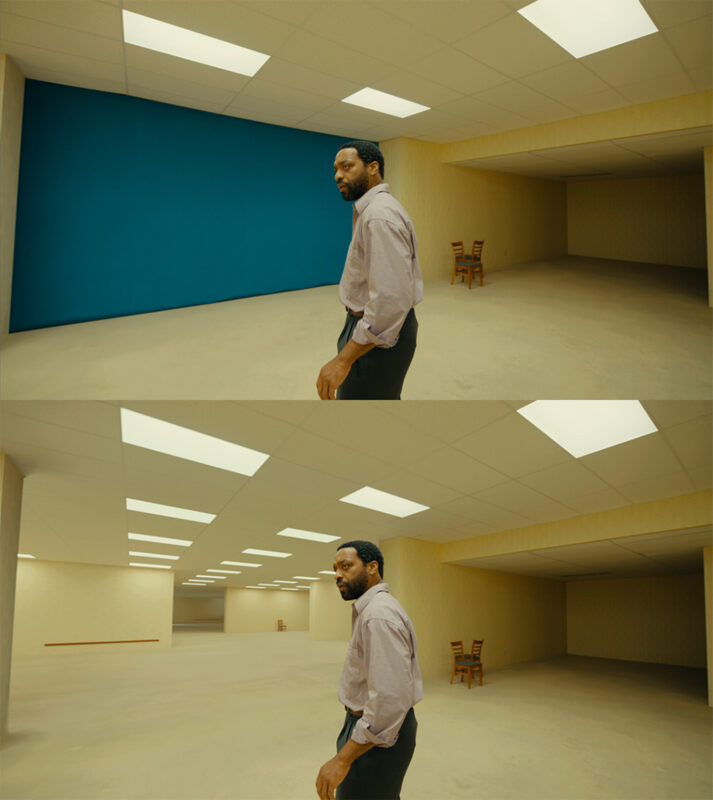
To bring the endless maze to life, the production team constructed approximately 30,000 square feet of physical sets across four distinct sound stages. Complementing these practical builds, director Kane Parsons digitally designed roughly 100,000 square feet of virtual environments in Blender.
The production relied on a vast coalition of talent, coordinating with 11 external VFX vendors alongside an in-house team. Key visual effects partners included Zoic Studios, Roxel Creative, Mr. Wolf VFX, CoSA VFX, Barnstorm Visual Effects, Stormborn VFX, Shapeshifter VFX, OscarFX, Rotomaker, Beyond Performance Capture Studios, and Industrial Pixel 3D Studios.
Despite the heavy reliance on digital tools, Visual Effects Supervisor Edward Douglas emphasizes that the production was never treated as an all-CGI exercise. Instead, the project thrived on a symbiotic relationship between physical craftsmanship and digital wizardry, utilizing prosthetic makeup, puppetry, and practical stuntwork to anchor the horror in reality.
Chronology: From a Teenager’s Blender Files to the Silver Screen
The journey of Backrooms is deeply tied to the chronology of its young creator’s life.
The Genesis (2022–2023): Long before Hollywood took notice, a teenage Kane Parsons began building his nightmarish vision of the Backrooms using the 3D creation software Blender. His eerie, analog-style shorts quickly went viral on YouTube, accumulating millions of views and establishing a dedicated cult following.
Pre-Production and Physical Build (2024): A24 optioned the web series for a feature adaptation, hiring Parsons to direct. Pre-production saw the creation of 30,000 square feet of practical sets in Vancouver, while Parsons’ original teenage Blender files were dusted off and prepped for a cinematic pipeline.
Principal Photography: The shoot required grueling physical performances from actors and stunt performers alike. Practical builds were merged with green and blue screens, allowing actors to interact physically with environments that would later be extended digitally.
Post-Production and Vendor Coordination (2025–2026): Over a dozen VFX houses went to work under the supervision of Edward Douglas and Associate VFX Supervisor Calvin Romeyn. Post-production focused heavily on complex spatial interactions, such as "clipping" effects, prosthetic eye replacements, and analog VHS filtering, leading up to the film’s massive box-office release in 2026.
Supporting Data and Technical Breakdown
The technical achievements of Backrooms span multiple departments, proving that modern indie filmmaking can punch well above its weight class through clever collaboration.
1. The Blender Pipeline and Set Extensions
A unique aspect of the production was the direct integration of Parsons’ early digital work. Rather than discarding the low-poly files created years prior, the VFX team took the original Blender assets, up-ressed them, and integrated them into a high-end production pipeline.
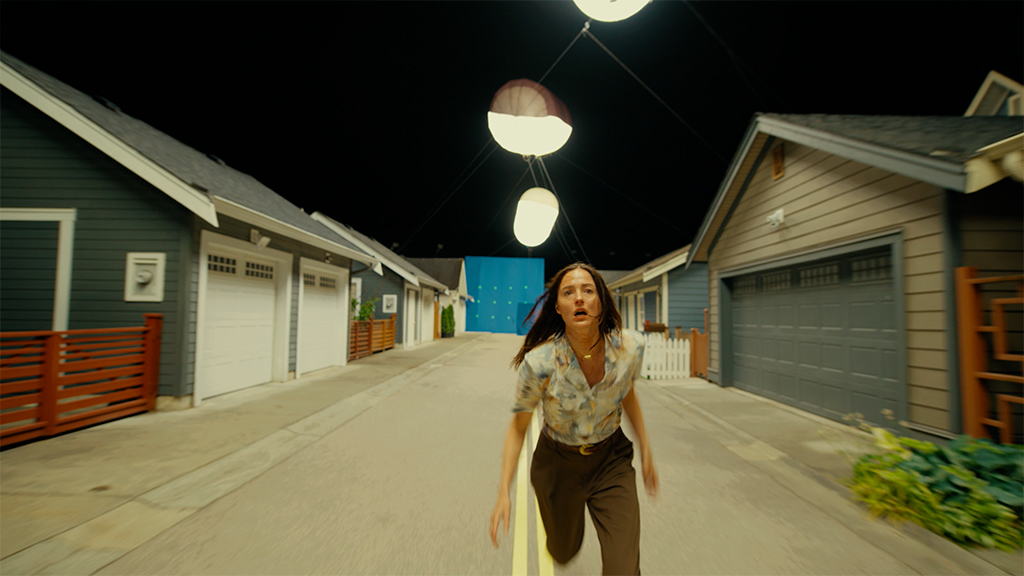
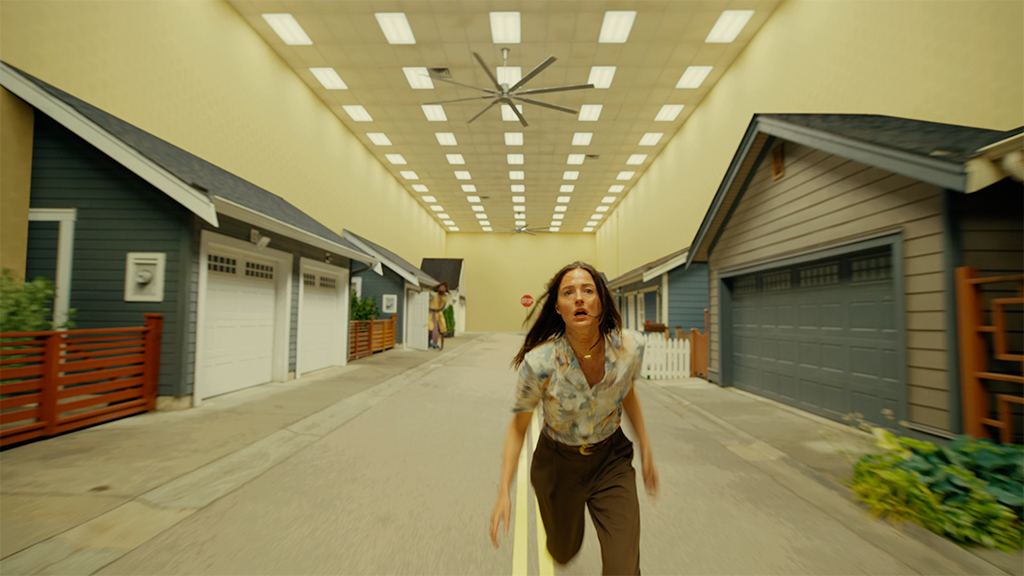
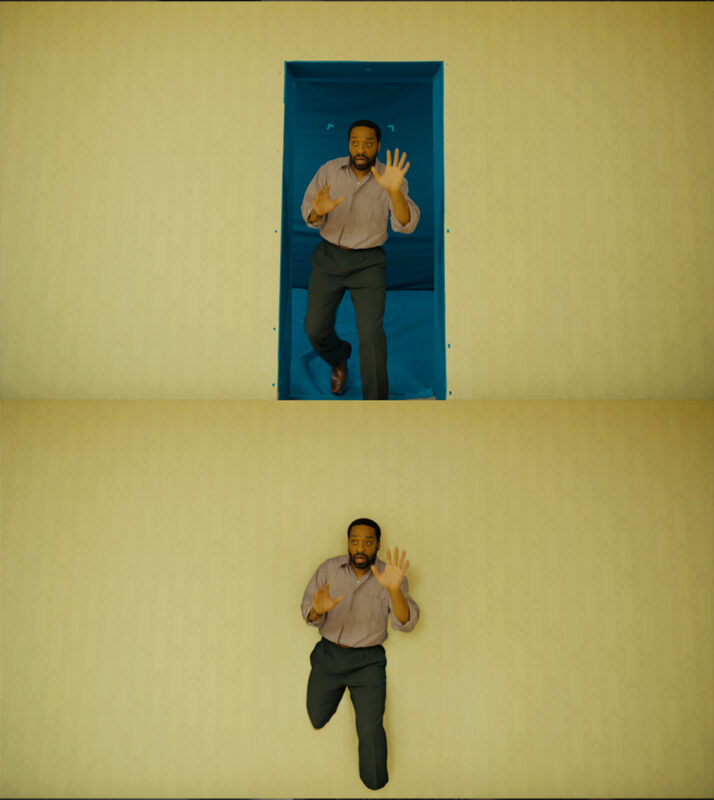
The Threshold Chamber: Serving as the film’s most green- and blue-screen-heavy set, this location was built with only a physical door and floor on stage. The rest of the sprawling, surreal chamber was rendered virtually, directly pulling from Parsons’ 16-year-old digital file.
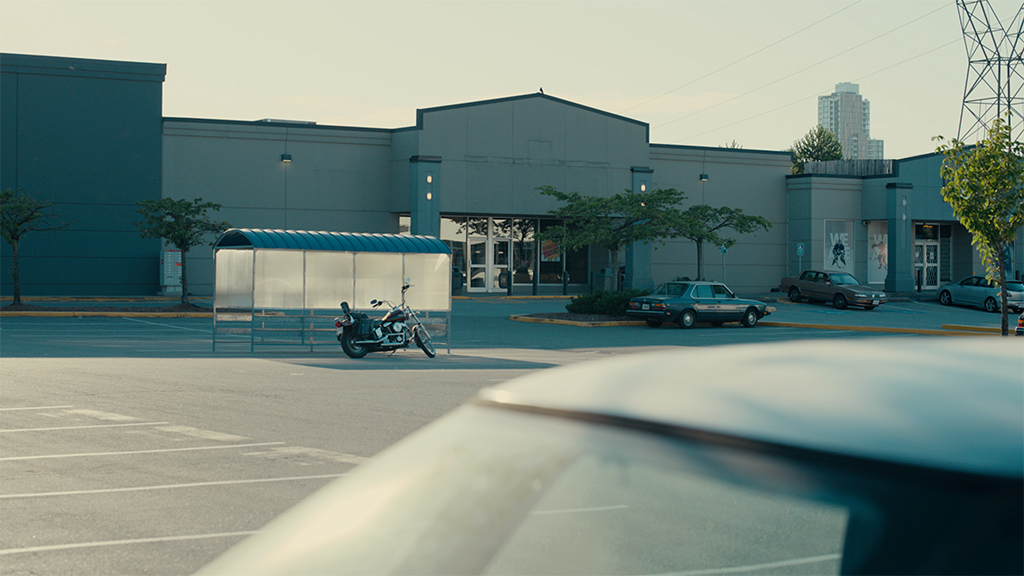
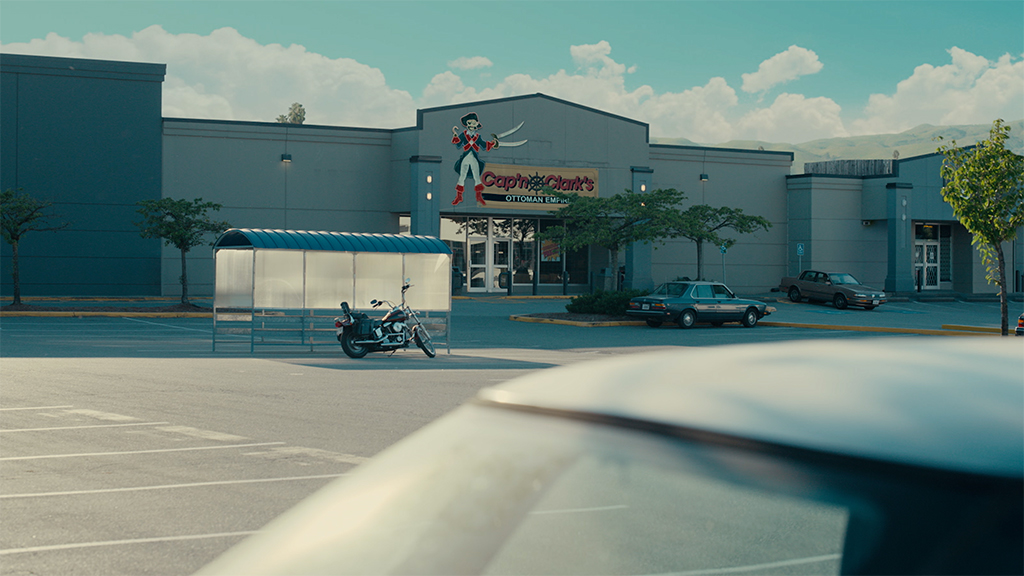
Exterior Replacements: Most exterior shots underwent digital alteration to evoke a specific era and mood. Modern Vancouver skylines were meticulously swapped out for period-accurate San Jose views, with skies and lighting modified to produce an "uncanny dreamcore feeling."
2. Mastering the "Clipping" Effect
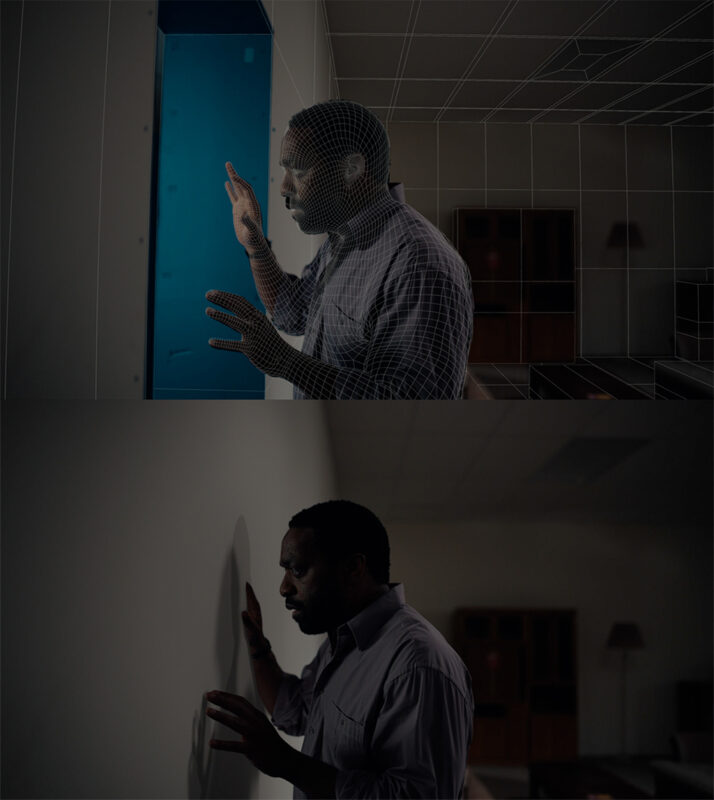
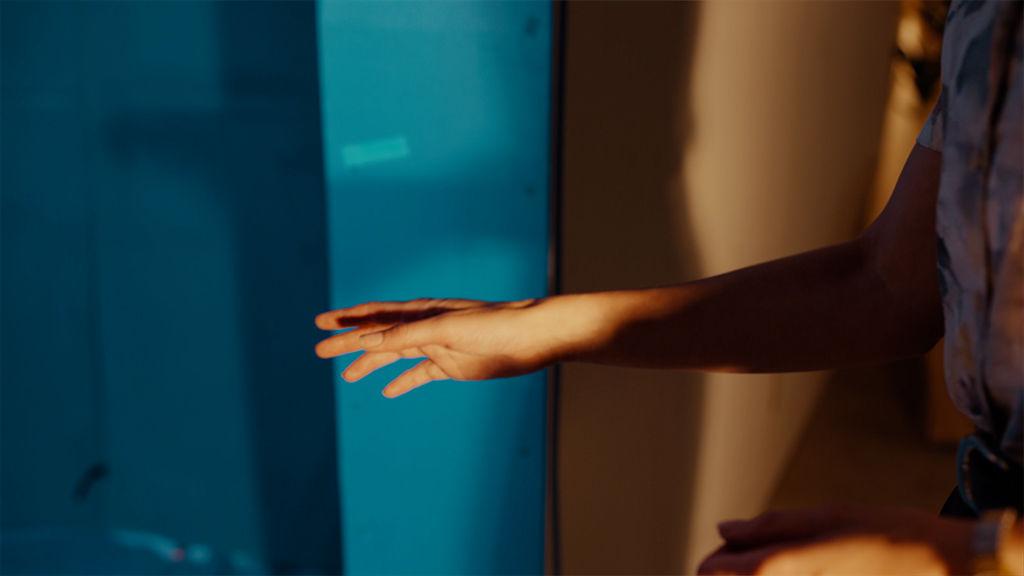
One of the most iconic elements of Backrooms lore is "noclip"—the act of phasing through walls into a dimension outside of reality. Executing this practically and digitally proved to be an uphill battle.
Actors physically walked through intentional gaps and openings built into the practical sets, and the VFX team (primarily led by Mr. Wolf VFX) digitally restored the walls around them as they passed through.
The Secret is in the Shadows: According to Edward Douglas, the challenge of clipping lies in the fact that two digital objects are simply sliding together, leaving nowhere for poor execution to hide. The team discovered that projected CG shadows driven by animation were the secret ingredient that sold the illusion, grounding the unnatural physics in believable lighting.
3. Practical Prosthetics and the "Still Lifes"
While digital tools were ubiquitous, the creature feature elements relied heavily on practical makeup effects crafted by Supervisor Werner Pretorius and the team at Amazing Ape.
The Redheaded Still Life: Inspired by the distorted sculptural work of artist Evan Penny, actress Rhiannon Roberts endured a grueling three-day shoot standing in high heels within a tight corner, peering through hidden holes in an intricate prosthetic mask that smeared facial features from alternative angles.
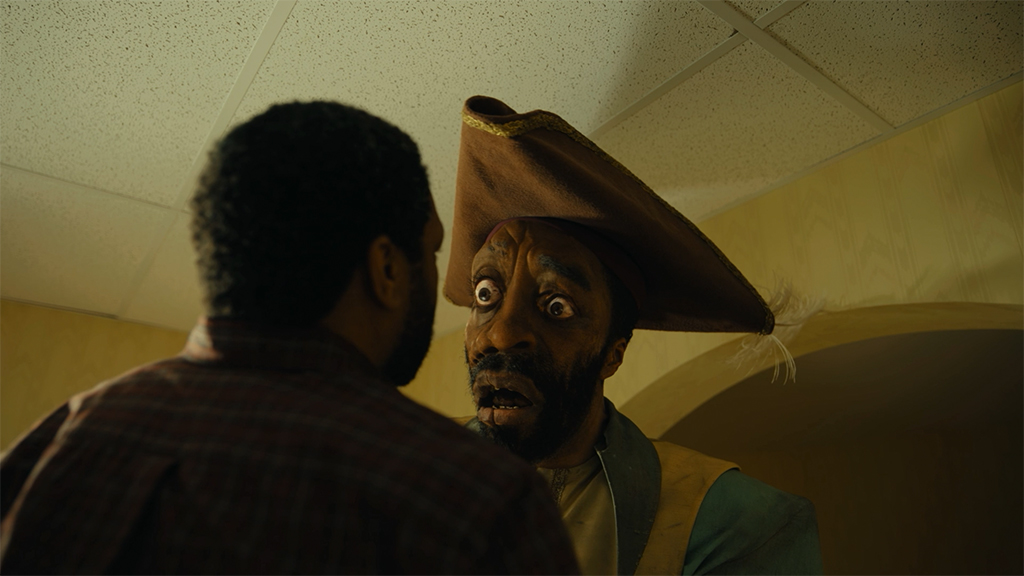
The Striped-Shirt Still Life: Approximately 90% of this creature’s face was practical prosthetic makeup. To elevate the horror, VFX stepped in to replace the static glass eyes with CGI counterparts. The team programmed the extra eyes to blink in a cascading, offset pattern, creating a deeply unsettling visual rhythm. The prosthetics were so convincing that the designated VFX vendor initially asked for the "plates without VFX," assuming the physical makeup was entirely computer-generated.
4. The Creation of Pirate Clark
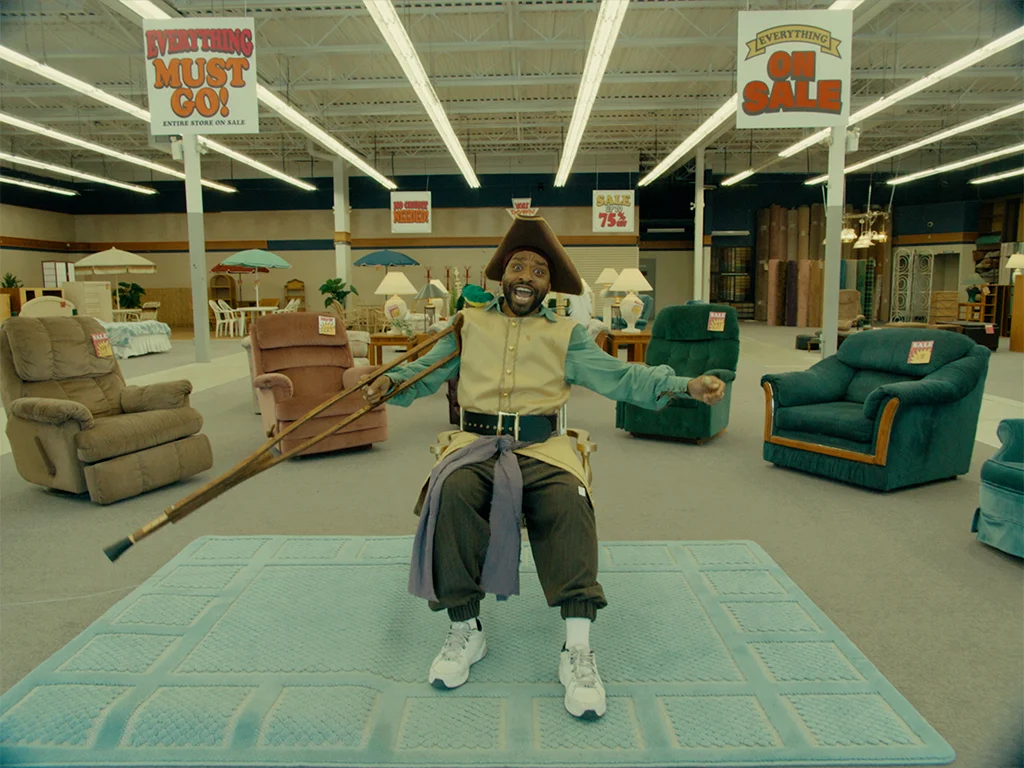
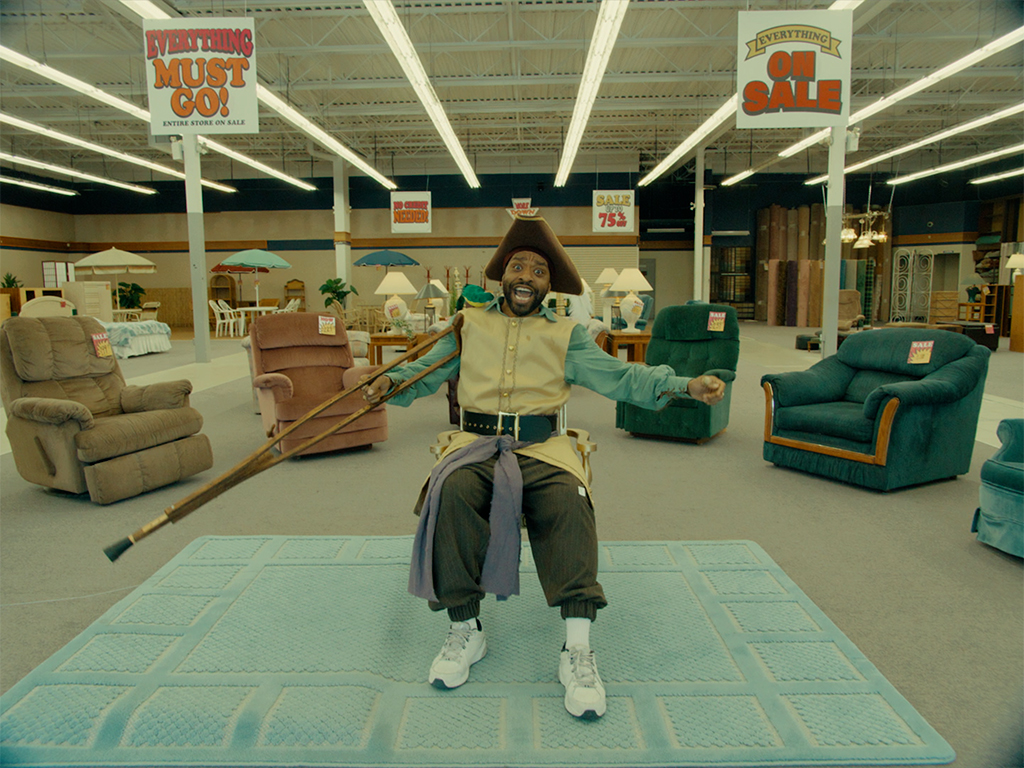
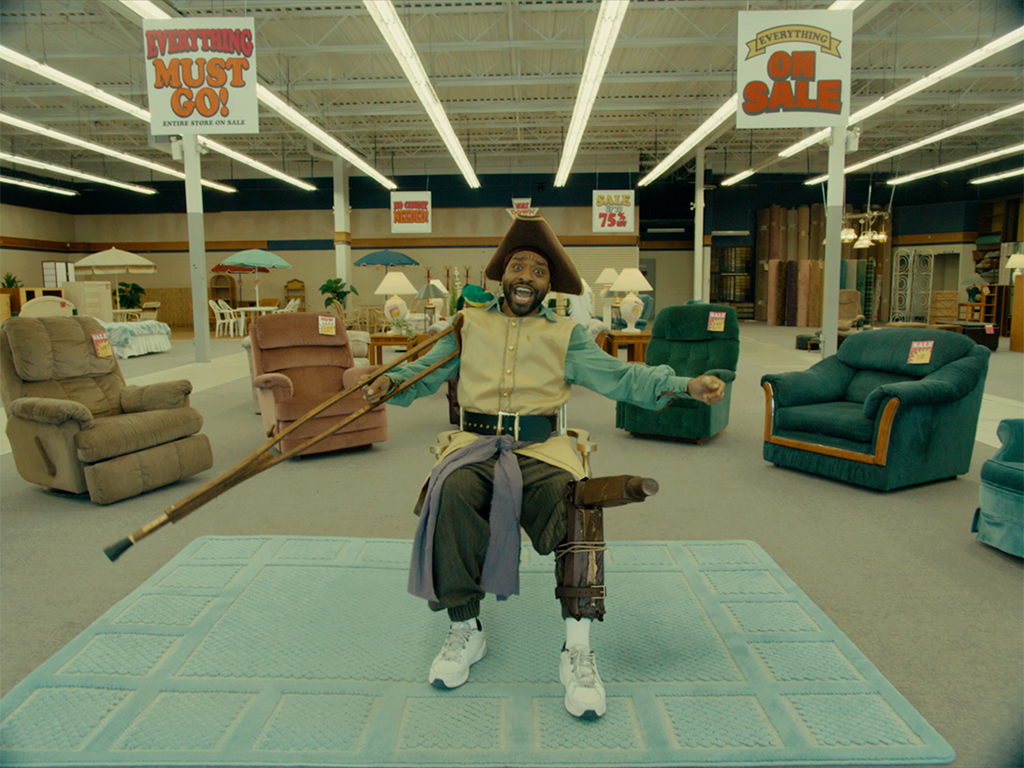
Perhaps the most complex character in the film is Pirate Clark—an 8.5-foot-tall, uncanny duplicate of the protagonist. Initially, the production contemplated putting a stunt performer on stilts, but concerns over safety and shooting speed forced a pivot. Inspiration struck when the team recruited Robert Bobroczkyi, the towering athlete and performer known for Alien: Romulus.
Combined with the physical puppetry of Richard Darwin, Bobroczkyi brought the character to life on set. However, because the physical mask could not capture the necessary nuance, Zoic Studios stepped in. Using a high-resolution 3D scan of Chiwetel Ejiofor, the team applied digital face replacements. To maintain emotional resonance, the animators deliberately avoided standard monstrous tropes—like snarling mouths and furrowed brows—focusing instead on expressing deep fear and sadness.
Official Responses and Industry Insights
The collaborative ethos of the production is a point of immense pride for the creative team. Speaking on the integration of practical effects and computer graphics, Edward Douglas offered a philosophical view of his role:
"I don’t think of visual effects as computer things. I think of visual effects as figuring out what tricks we need that we can’t film for real. My job as a supervisor is to make sure that whatever we can’t film for real ends up in the movie."
Douglas also praised director Kane Parsons’ hands-on approach during post-production. Rather than operating purely as a traditional director who delegates notes down a chain of command, Parsons frequently logged into the software himself to tweak assets.
"He’s very happy to jump in and do it himself, and it’s what he does," Douglas noted. "Sometimes he may have a note, but him just logging in and doing the thing is going to be much more efficient and closer to his vision than passing a note through me…"
In addition to high-end digital workflows, the production embraced raw, analog imperfections. For the film’s vintage aesthetic, the team avoided digital simulations for VHS artifacts. Instead, footage was literally run through physical VHS hardware, manipulating frame rates, tape speeds, and tracking. Parsons even utilized a custom distortion box—functioning much like a guitar pedal—to manually jam electrical distortion into the cables connecting the computer to the VCR in real time.
Implications: A New Blueprint for Indie Horror
The phenomenal box-office performance and technical reception of A24’s Backrooms carry significant implications for the future of independent horror and franchise filmmaking.
First, it validates the migration of internet-native creators into major studio pipelines. By trusting a young digital artist with a multi-million-dollar feature film rather than stripping away his unique voice, A24 has unlocked a lucrative new pipeline for talent discovery.
Second, Backrooms serves as a counter-narrative to the fatigue surrounding fully computer-generated blockbusters. By prioritizing 30,000 square feet of tangible physical sets, practical creature prosthetics from industry veterans, and authentic analog video processes, the production proved that modern audiences respond profoundly to tactility. When CGI is used not as a lazy substitute for reality, but as an invisible bridge to complete the impossible—such as casting shadows on a clipped wall or matching the gaze of multi-eyed prosthetics—the result is a cinematic experience where the seams vanish entirely.
In the words of Edward Douglas: "If you don’t know where one starts and one ends, it makes it that much more magical."