
Beyond 007: Why Eddie Redmayne’s Brutal Turn in The Day of the Jackal Makes Him an Unsung Contender for MI6
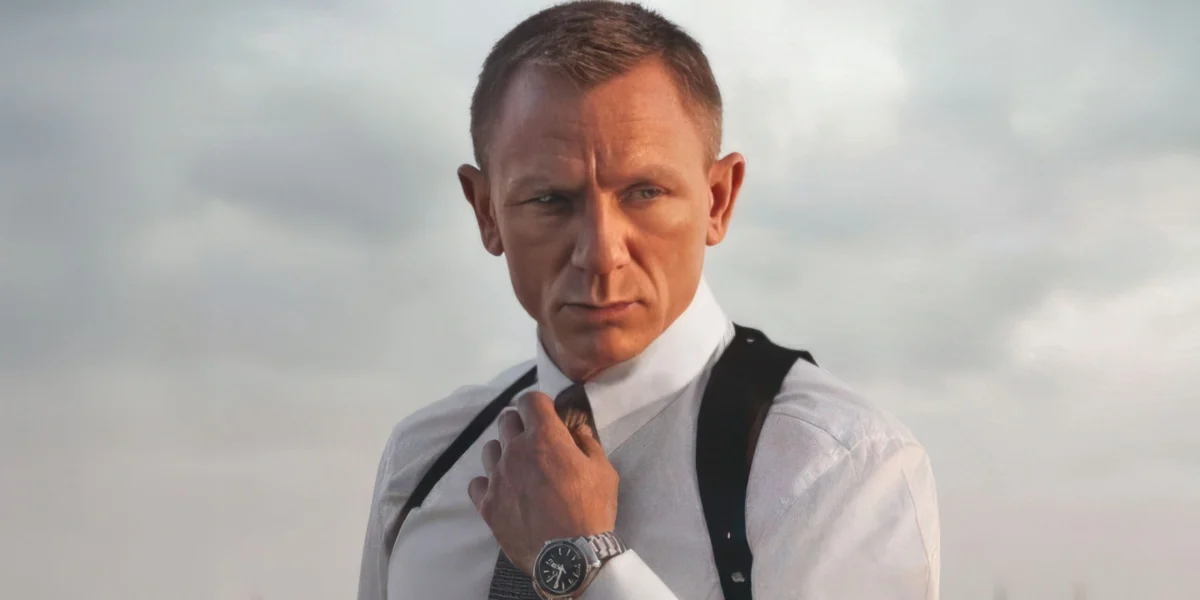
As Hollywood and international spy thriller fandoms continue to buzz with persistent rumors that the next actor to inherit the iconic tuxedo of James Bond has already been selected behind closed doors, speculation has reached a fever pitch. While current bookmaker frontrunners like Jack Lowden, Callum Turner, and Jacob Elordi dominate mainstream conversations about Bond 26, an overlooked masterclass in espionage acting on television deserves a closer look. Peacock’s adaptation of The Day of the Jackal proves that Academy Award winner Eddie Redmayne possesses the exact cocktail of cold-blooded calculation, refined polish, and psychological depth required to step into the world of international superspies—making him an inspired, if unconventional, dark-horse candidate for the legendary 007 franchise.
Main Facts: The Hunt for the Next James Bond and Redmayne’s Masterclass
The mystery surrounding the casting of the next James Bond remains one of the film industry’s most closely guarded secrets. Following Daniel Craig’s emotional and definitive swan song in 2021’s No Time to Die, Eon Productions has kept producers Barbara Broccoli and Michael G. Wilson tight-lipped about who will steer the franchise into its next era. While younger names frequently capture headlines, the cultural conversation often overlooks actors who can balance prestige dramatic chops with high-octane physical action.
Enter Eddie Redmayne in his role as the titular assassin in Peacock’s gripping adaptation of The Day of the Jackal. While the series is a far cry from Ian Fleming’s traditional formula, Redmayne infuses the character with a sleek, cerebral brutality. His performance evokes distinct echoes of Her Majesty’s most famous secret agent, blending effortless high-society charm with terrifying, clinical efficiency. Rather than playing a standard, one-note action hero, Redmayne delivers a masterclass in modern espionage acting that elevates him far beyond traditional action tropes.
Chronology: From Literary Assassin to Modern Television Phenomenon
The evolution of The Day of the Jackal as a premier espionage property provides vital context to Redmayne’s reinvention of the character:
- 1971: Frederick Forsyth publishes his seminal thriller novel, The Day of the Jackal, chronicling a meticulous, unnamed British assassin hired to assassinate French President Charles de Gaulle.
- 1973: Director Fred Zinnemann adapts the novel into a classic cinematic thriller starring Edward Fox as the chillingly cold professional killer, cementing the property in cinema history.
- 2024: Peacock and Sky debut a contemporary, serialized television adaptation of The Day of the Jackal, starring Eddie Redmayne. The narrative updates the geopolitical stakes to the modern era, heavily expanding the scope, character motivations, and personal life of the assassin.
- Late 2024 – 2025: Redmayne’s gripping performance garners widespread critical acclaim, ultimately culminating in major accolades, including a Golden Globe nomination for Best Actor in a Television Series – Drama.
- 2026: As rumors surrounding Bond 26 intensify alongside the production of future seasons of The Day of the Jackal, critics and fans begin drawing direct parallels between Redmayne’s television persona and the psychological complexity of modern James Bond iterations.
Supporting Data & Performance Breakdown: Precision, Brutality, and Disguise
Redmayne’s portrayal of the Jackal relies on meticulous attention to detail, making his criminal operations feel terrifyingly authentic. His assassinations are executed with a lack of remorse that mirrors elite military training.
The Mechanics of Murder
In the series’ chilling opening sequence—where the Jackal eliminates a right-wing German politician—Redmayne demonstrates absolute precision. He takes his time assembling a modular sniper rifle so ingeniously disguised within a suitcase that it looks like something straight out of Q Branch. The resulting shot is sudden, blunt, and visceral. Yet, true to a rigid professional code, Redmayne’s Jackal avoids unnecessary collateral damage, refusing to pull the trigger when an unexpected bodyguard crosses his path. This blend of lethal efficiency and self-imposed restraint mirrors the operational ethics historically expected of a 007 operative.
Physicality and Camouflage
Beyond his weapon handling, Redmayne acts as a master of disguise. He possesses the rare acting ability to look striking yet completely blend into a crowd when the mission demands anonymity. Whether posing as a corporate executive or slipping through European transit hubs unnoticed, Redmayne navigates personas with a profound politeness that masks an inner void. As he notes in the series regarding his employers’ motives, he couldn’t care less why someone needs to die—a chilling coldness hidden just beneath a veneer of chivalry and gentlemanly charm.
Official Responses and Industry Reception
The critical consensus surrounding The Day of the Jackal has highlighted Redmayne’s ability to anchor a massive, high-stakes narrative. Industry critics have praised the series for subverting the traditional cat-and-mouse dynamic by focusing heavily on the psychological toll of professional espionage.

While Eon Productions has not commented on external fan-casting choices for the James Bond franchise, entertainment analysts note that modern casting trends favor actors who can ground fantastical spy premises in raw emotional reality—a path paved by Daniel Craig’s tenure. Redmayne’s Golden Globe nomination for Best Actor serves as official industry recognition that his portrayal transcends standard genre fare, establishing him as a premier talent in contemporary thrillers.
Implications: Redefining the Modern Spy Thriller
The success of The Day of the Jackal carries significant implications for the future of spy fiction across both film and television.
- The Rise of the Complicated Anti-Hero: Audiences have moved away from untouchable, infallible secret agents. Much like Craig’s gritty, vulnerable interpretation of Bond in Casino Royale, Redmayne’s Jackal proves that viewers crave characters who carry psychological scars and internal friction.
- Blurring Lines Between Film and Television: Premium television budgets and cinematic pacing now allow actors to explore espionage characters with a depth that two-hour feature films rarely permit. The domestic struggles of the Jackal—explored through his relationship with his wife Nuria (played by Úrsula Corberó)—add a layer of domestic vulnerability reminiscent of classic Bond romances, such as Bond and Vesper Lynd.
- An Unconventional Legacy: While Eddie Redmayne may ultimately remain outside the official casting office for Bond 26, his performance fundamentally shifts expectations for what a modern television thriller protagonist can achieve.
Whether Eon Productions eventually surprises the world with an unexpected casting choice or sticks to the current frontrunners, audiences can take comfort in knowing that the espionage genre is in safe hands. With further seasons of The Day of the Jackal slated for release, Redmayne’s chillingly brilliant portrayal ensures that high-stakes, sophisticated spy thrillers remain a dominant force in modern entertainment.
