
The Final Curtain: New Kids on the Block Reflect on an Era-Defining Las Vegas Residency
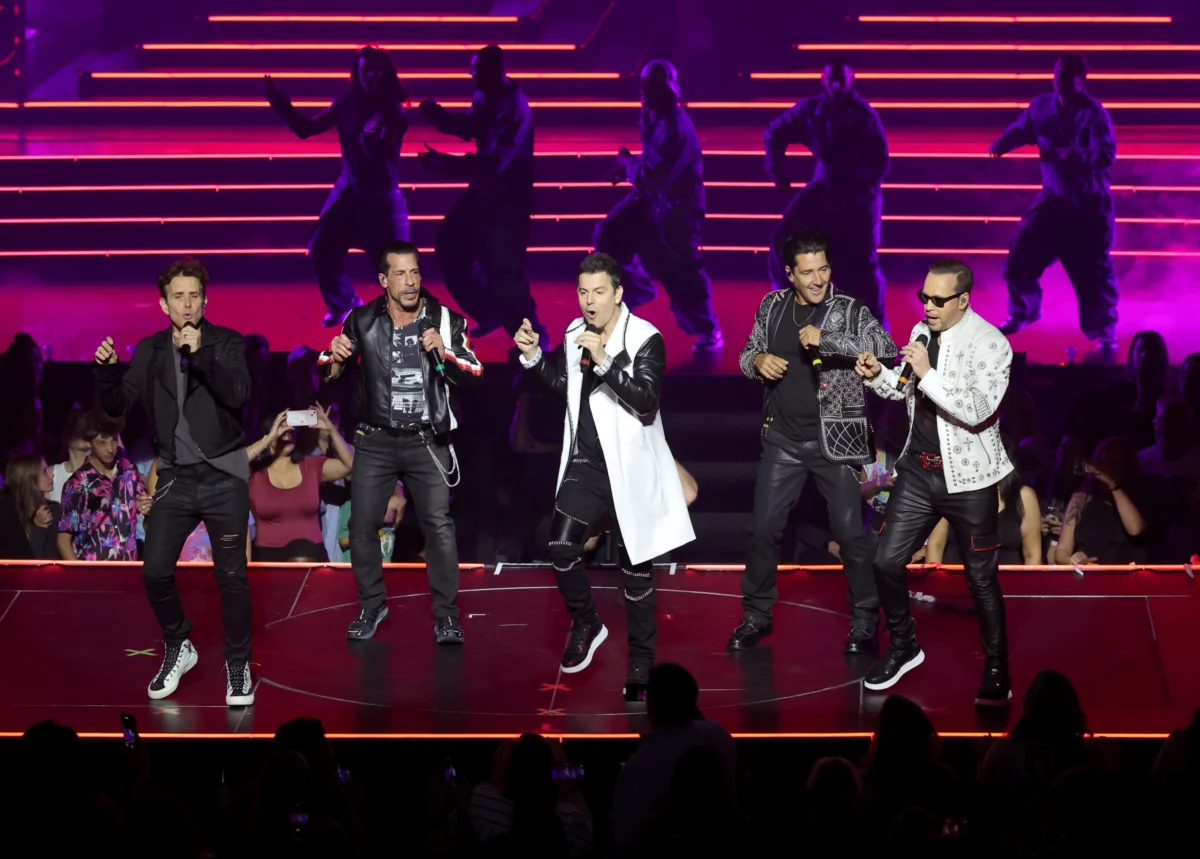
For over four decades, New Kids on the Block (NKOTB) have been synonymous with the evolution of the modern boy band. From their late-80s explosion into global superstardom to their resilient, fan-centric career revival, the group—Jonathan and Jordan Knight, Joey McIntyre, Donnie Wahlberg, and Danny Wood—has consistently defied the industry’s "flame-out" narrative. Now, as their celebrated Las Vegas residency, The Right Stuff, at Dolby Live at Park MGM prepares for its final eight performances in October, the band finds itself at a poignant crossroads of nostalgia, artistic maturity, and profound gratitude.
A Legacy Written in Confetti and Rhinestones
When New Kids on the Block first announced their residency, critics and fans alike wondered how the high-energy, arena-filling quintet would adapt to the intimate, spectacle-driven environment of the Las Vegas Strip. The result has been nothing short of a sensory triumph. Over the past year, The Right Stuff has transformed from a concert into a sprawling, immersive experience that functions as both a celebration of their past and a testament to their current vitality.
The technical statistics behind the residency are staggering. The production has utilized more than 4 million pieces of confetti, 7,000 hand-placed rhinestones, 80,000 streamers, and 500 individual pyrotechnic cues. The stage itself is a marvel of engineering, boasting an 80-foot-wide by 40-foot-tall set, a 40-foot conveyor belt, and a 60-foot-long train car. Yet, beyond the cold data, the show has cultivated a distinct atmosphere—one marked by a "wedding" between the band and their devoted audience, a unique ritual that underscores the deep, symbiotic bond shared by the group and their "Blockheads."
Chronology: From Boston Teen Idols to Vegas Icons
The journey of NKOTB is a masterclass in longevity. Emerging from the streets of Boston, the group became a blueprint for the pop acts that followed. However, unlike many of their contemporaries who faded into the archives of music history, NKOTB opted for a path of constant engagement.
- The Early Years: Defining the teen pop landscape of the late 1980s and early 1990s.
- The Hiatus and Evolution: A period of personal growth and individual endeavors that allowed the members to mature beyond their "heartthrob" labels.
- The Comeback: A steady return to the stage that prioritized fan connection over mere chart success.
- The Residency Era: Marking a professional milestone, the move to Las Vegas served as a "victory lap" that proved the group could command a stationary, high-production residency with the same intensity they bring to global tours.
Throughout this timeline, the group has resisted the urge to treat their career as a "time machine." As Donnie Wahlberg noted in an exclusive interview with The Hollywood Reporter, the residency was initially a concept that felt foreign to the group’s origins. "Vegas is different than the old days," Wahlberg explains. "When we were talking about Vegas [as kids], it’s kind of where you went to retire. But it came along when we were 40 years into our careers. It has a lot of nostalgia that the fans feel, but in some ways, it also feels very new, fun, and fresh."
The "Kitchen Sink" Philosophy: Evolving the Performance
The residency has not remained static. As the show progressed, the production team, led by the band’s vision, opted to expand the setlist and the scope of the production—a process Wahlberg describes as throwing in the "kitchen sink, the dishwashing detergent, and the sponge."

The addition of an acoustic piano set, which was originally cut from the opening night for time constraints, became a pivotal moment in the show’s evolution. This shift allowed the band to strip away the pyrotechnics and focus on the vocal chemistry that has sustained them for 40 years. By incorporating rarely performed tracks and even hinting at the inclusion of winter-themed material for the final October dates, the group has ensured that the residency remains a living, breathing entity rather than a rehearsed routine.
"I don’t want to give too much away," Wahlberg teased regarding the final shows. "We’re working on some stuff, a couple more songs, and a few little surprises. It’s going to be super emotional for us."
Official Perspectives: The Emotional Weight of Longevity
When asked about his favorite memories of the residency, Wahlberg points not to the sold-out crowds or the massive stage production, but to the quiet moments in the hallway before the lights dim. "That consistency, that feeling of looking around at each guy and knowing how far we’ve come together," he says. "We’re still healthy, we’re still having fun, we still love performing for our fans. It’s a very overwhelming experience."
For Wahlberg, the connection with fans is the cornerstone of the band’s identity. His dedication to the "Blockheads"—exemplified by his active participation in meet-and-greets, pop-up events, and his The Night Stuff After Hours party series—is not a marketing strategy, but a core value.
"I don’t see it as selling things or marketing things," Wahlberg says. "I want to continue to nurture and care for the relationship and give them things that are meaningful. It’s not ever just a show for me; it’s meaningful. I love knowing as many fans as I can. I love when I remember names. When I do meet-and-greets, I tell all of them, ‘I love you.’"
Supporting Data: The Scale of the Spectacle
To understand the scale of The Right Stuff, one must look at the "By the Numbers" breakdown provided by the production team:

- Production Depth: 1,000 stage lights, 500 pyrotechnics, and 2 hydraulic lifts ensure that every corner of the arena is energized.
- Interactive Elements: The "NKOTB Clubhouse" and the "Quick Change Cam" behind the scenes provide fans with an unprecedented look at the inner workings of the tour.
- Iconography: From the 1971 Buick Le Sabre convertible to the custom-built train car, the visual narrative of the show is deeply rooted in American pop culture.
- The Human Element: Six professional dancers, five flying "boxes" (or "phone booths," as Wahlberg humorously debates), and five brothers from Beantown anchor the production.
Implications: The Future Beyond the Residency
As the final curtain approaches, the question of what comes next for New Kids on the Block is on the minds of both the members and their fans. While the stability of a Las Vegas residency has been a welcomed change of pace, the band’s identity remains tethered to the road.
"We know not everyone can get to Vegas, and we do love touring," Wahlberg confirms. "I would love to tour the world one more time, at least. We are a touring act. We’re grateful that people want to show up and see us in arenas all around the country and hopefully the world."
The end of this residency is being framed not as a finale for the group, but as the conclusion of a significant, high-definition chapter. For the band, the upcoming October dates are expected to be a tearful, triumphant celebration of a shared journey.
"It’s not the end of anything, but it’s the closing of a chapter," Wahlberg reflects. "And I think it was a very meaningful chapter in the book of our shared New Kids and Blockheads experience. If you like having your heartstrings pulled, I would definitely say, we should get there. There are going to be a lot of tissues and tears."
As the last of the 80,000 streamers fall in October, New Kids on the Block will leave Las Vegas having done what they have always done: proving that while the industry may change, the power of a dedicated, lifelong connection between artist and fan remains the most enduring force in music.
