
Beyond the Green: How the ‘Lanterns’ Finale Rewrites the Sinestro Corps Origin
Warning: This article contains major spoilers for the Season 1 finale of HBO’s "Lanterns," titled "Dirt and Stars."
The television adaptation of "Lanterns" has never been one to shy away from radical reinterpretations of DC Comics lore. From the outset, the series diverged significantly from the established histories of John Stewart (Aaron Pierre) and Hal Jordan (Kyle Chandler), sparking intense debate among purists and newcomers alike. However, the Season 1 finale, "Dirt and Stars," has elevated this penchant for subversion to a new level, offering a transformative—and highly controversial—origin for one of DC’s most iconic villainous factions: the Sinestro Corps.
By dismantling the traditional "fear-based" hierarchy of the Yellow Lanterns, the show has set the stage for a DC Universe (DCU) that views the cosmic balance of power through a far more ambiguous lens.
The Traditional Lore: A Legacy of Fear
To understand the weight of the changes introduced in the "Lanterns" finale, one must first look at the foundation laid by creators Geoff Johns and Ethan Van Sciver in Green Lantern Vol. 4 #10. In the source material, the Sinestro Corps is the definitive antithesis to the Green Lantern Corps.
The comic book origin is a dark, focused narrative: After being banished to the anti-matter dimension of Qward, Thaal Sinestro crafts a yellow power ring fueled by the emotional spectrum of fear. He eventually gains control over Parallax, the embodiment of fear itself, and uses this entity to subjugate the Green Lantern Corps. The Sinestro Corps, as established in the comics, is a paramilitary organization of fear-mongers, each wielding a yellow ring and assigned to specific sectors of the universe. They are the direct, ideological rivals to the Guardians of Oa, representing the philosophy that order is best achieved through terror rather than willpower.
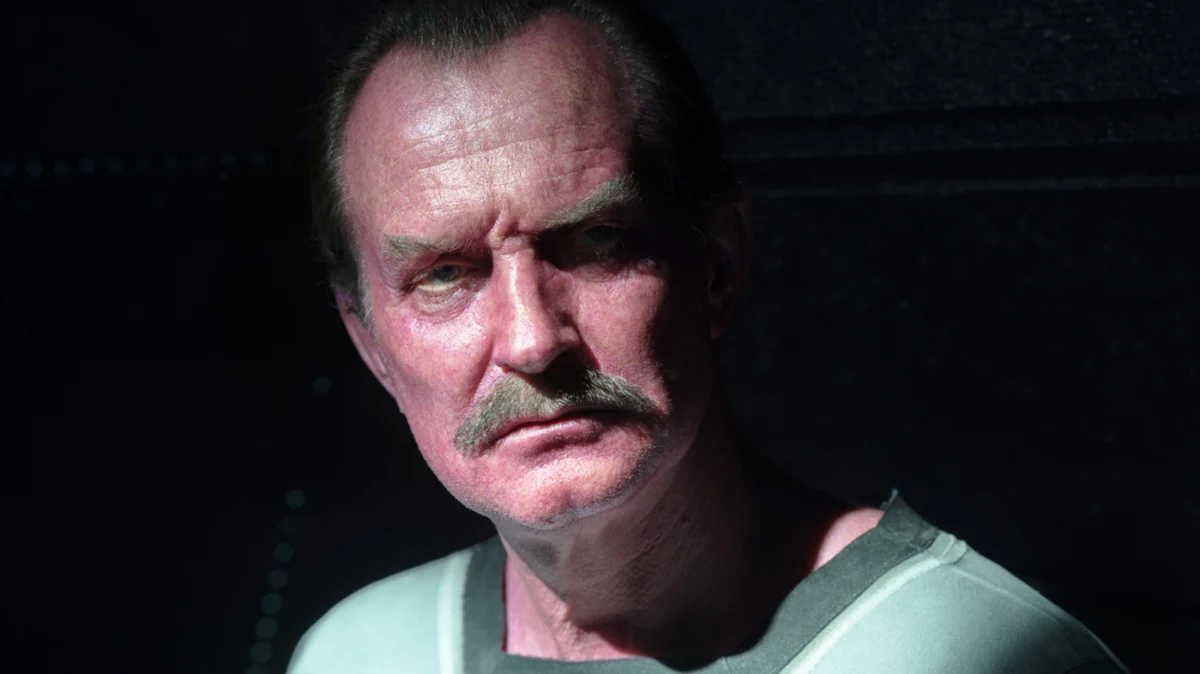
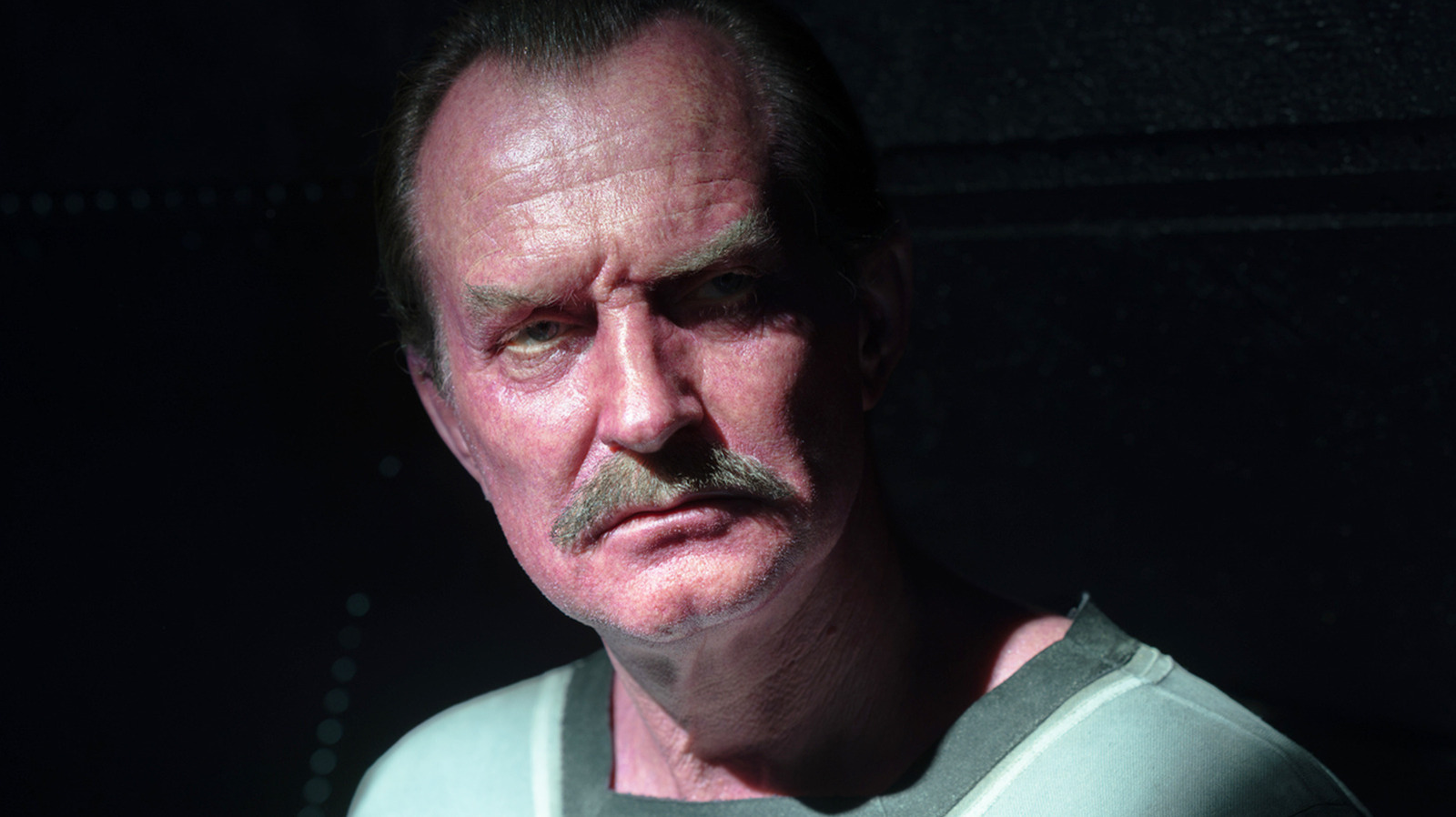
In contrast, the "Lanterns" television series has kept Thaal Sinestro (played with chilling restraint by Ulrich Thomsen) largely on the periphery—a prisoner languishing on the barren world of Antaan. By moving the goalposts of his origin, the showrunners have signaled that the DCU’s iteration of the Yellow Lanterns will be far more nuanced, psychological, and perhaps more dangerous than their comic book counterparts.
Chronology of the Twist: How the Finale Unfolded
The final episode of the season was a masterclass in subverting expectations. The narrative thread that began with the mystery of Hal Jordan’s killer—a plot point that saw the show weave in the sinister machinations of the Manhunters—culminated in the revelation that Noah Macon (Shea Pritchard) was not merely a rogue element, but a key player in the genesis of a new cosmic order.
The Interrogation
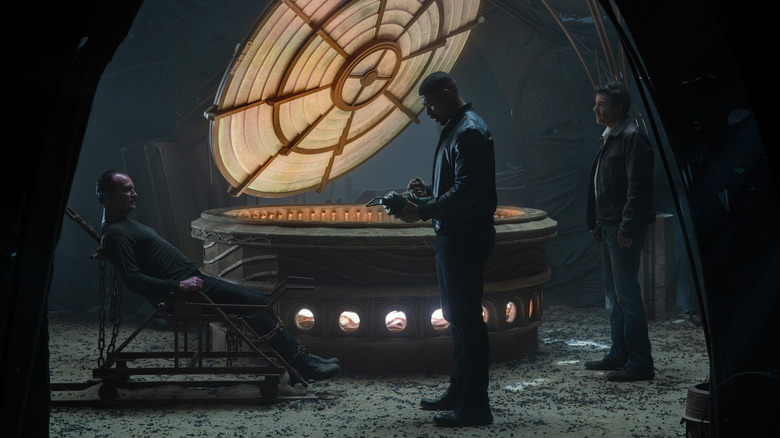
The pivotal sequence occurs when John Stewart and a hologram of Hal Jordan interrogate the imprisoned Sinestro. It is here that the audience learns of a secret weapon: a lantern forged by Sinestro specifically for Noah Macon. The reveal is twofold:
- The lantern was created on a planet saturated with fear-inducing gas, infusing the object itself with a toxic yellow residue.
- This object serves as the literal "Yellow Lantern," a prototype that contradicts the comic book reliance on an external emotional spectrum entity.
The Philosophy of Fear
During the interrogation, Sinestro delivers a monologue that redefines his motivation. He rejects the Guardians’ mantra that fear is a weakness. "The Lantern Corps thinks that fear makes you weak," Sinestro asserts. "They couldn’t be more wrong. If harnessed correctly, fear can be the most powerful force in the universe."
This moment is not merely a villain’s boast; it is an ideological challenge. Unlike the comic book Sinestro, who often seeks to rule through brute force and enslavement, the TV iteration presents fear as a tool for evolution and survival—a necessary component of the human experience that the Green Lanterns have misguidedly tried to suppress.
Supporting Data: John Stewart and the Yellow Light
Perhaps the most shocking moment of the finale is not the creation of the lantern, but its user. In a departure from established canon, it is John Stewart who ends up utilizing the fear-infused device.
After the interrogation, rather than destroying the object or handing it over to the authorities, John uses it to recharge his power ring. This act is laden with implications. By drawing power from a source tainted by fear, John Stewart effectively blurs the line between the Green Lanterns’ willpower and the Sinestro Corps’ fear.
The New Oath
John’s transformation is solidified by his own, newly minted oath. As he proclaims himself an "independent contractor" of the cosmos, he recites: "In brightest day, in darkest night, I’ll embrace my fear. I’ll do what’s right. I choose this ring. I choose this fight, in service to this lantern’s light."
This oath is a significant departure from the traditional Green Lantern creed. It suggests that in the DCU, the color of one’s light is no longer a matter of dogmatic adherence to a single emotion, but an integration of all human experiences—including the ones that terrify us.
Implications for the Future of the DCU
The ending of "Lanterns" leaves fans and critics with a burning question: Will we ever see a traditional, army-based Sinestro Corps?
The Independent Operator Model
The decision to have John Stewart utilize a yellow-infused power source suggests that the DCU may be moving toward a more "gray" morality for its cosmic heroes. If John is, in effect, the first "Yellow Lantern," it suggests that the power of fear is not inherently evil, but merely a tool that requires a strong moral compass to wield. This complicates the role of Sinestro himself. Is he a villain, or is he a misguided pioneer whose philosophy is being co-opted by the very heroes he sought to oppose?
The Death of the "Corps" Concept?
If John Stewart continues to operate as an independent agent wielding a fear-based light, it leaves little room for the sprawling, mass-produced army of the Sinestro Corps as seen in the Sinestro Corps War graphic novels. The show appears to be focusing on the essence of the power rather than the organization of it.
This is a high-stakes gamble. By shifting the focus away from a galactic war between two armies, the series is positioning itself as a character study of power and corruption. However, this may frustrate viewers who were hoping to see the grand, space-opera scope of a full-scale yellow-versus-green conflict.
The Manhunter Connection
The integration of the Manhunters into this arc—specifically through Noah Macon—provides a bridge between the classic mechanical threats of the DC Universe and the new, emotional-spectrum-based threats. By tying the origins of the Sinestro light to the Manhunter history, the show is suggesting that the DCU’s cosmic problems are all interconnected. The "Yellow Light" is not just a rival color; it is a fundamental flaw in the way the universe has been governed since the dawn of time.
Conclusion: A New Era for Cosmic DC
"Lanterns" has successfully positioned itself as a show that respects the legacy of its source material while refusing to be a slave to it. By re-imagining the Sinestro Corps not as a pre-existing army, but as a potential byproduct of an emerging, complex philosophy of fear, the show has opened up a universe of narrative possibilities.
Whether this version of the Sinestro Corps will eventually manifest as a full-blown threat to the universe remains to be seen. What is clear, however, is that John Stewart’s journey has only just begun. By choosing to "embrace his fear," he has set himself on a path that could either make him the savior of the cosmos or the very thing the Guardians of Oa have feared most for millennia. The light has changed, and for the inhabitants of the DCU, the darkest night is just beginning.
