
The Fragile Frontier: How to Protect Your Foldable Smartphone Investment
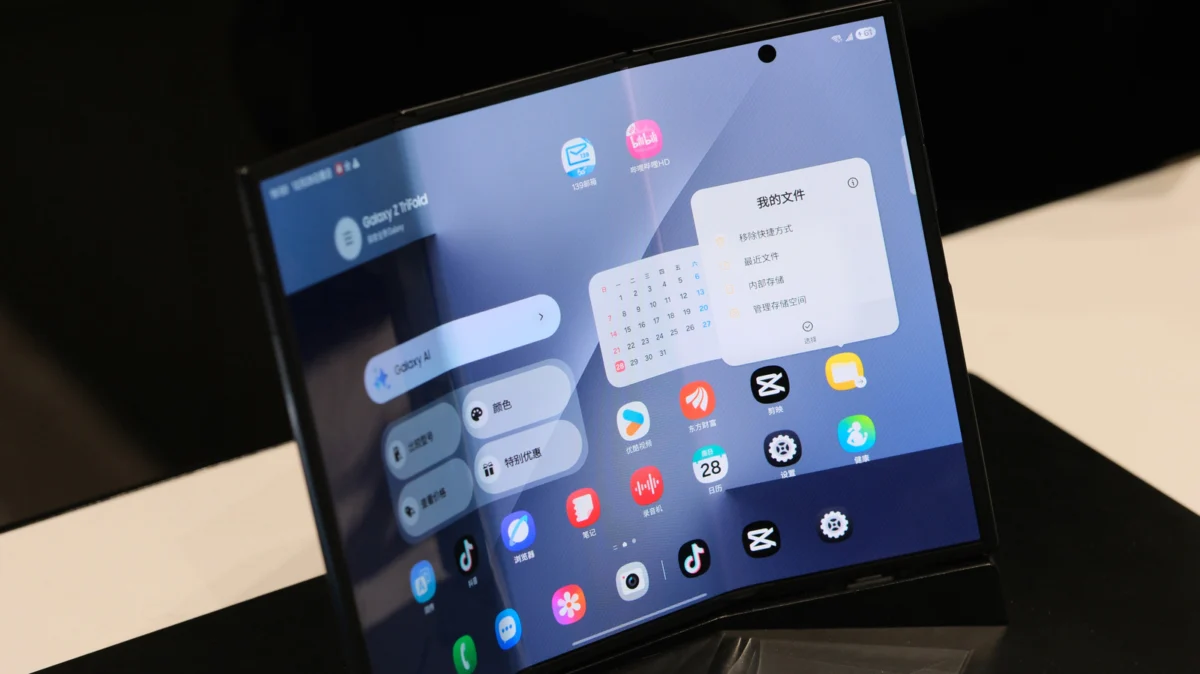
Foldable smartphones represent the most significant design evolution in mobile technology since the transition from physical keyboards to capacitive touchscreens. By marrying the pocketability of a traditional phone with the screen real estate of a tablet, these devices have captivated tech enthusiasts and power users alike. However, this architectural marvel comes with a unique set of trade-offs. While your phone can fold in half, your keys, coins, and stray debris certainly shouldn’t join it.
Transitioning from a traditional "slab" phone to a foldable requires a fundamental shift in user behavior. These devices are not merely pieces of glass and metal; they are precision-engineered mechanical systems that require a higher level of environmental awareness.
The Core Reality: Why Foldables Demand Different Care
The most common mistake users make is treating their foldable phone with the same reckless abandon they afford their previous devices. We have become accustomed to the durability of hardened Gorilla Glass, which can withstand a drop on the sidewalk or a tumble in a bag filled with loose change. Foldables, by contrast, possess an inner display composed of ultra-thin flexible glass (UTG) or specialized polymer layers.
The primary risk factor is the hinge mechanism and the screen’s "fold-zone." Manufacturers like Samsung and Google have made significant strides in hinge sealing, but the fundamental physics remains: if a solid object—even something as small as a grain of sand or a stray staple—is trapped between the screen layers when the device is snapped shut, the force exerted by the hinge will likely puncture or permanently indent the display.
Chronology: The Evolution of Foldable Durability
To understand why we must be so cautious today, it is essential to look at the timeline of the foldable’s development:
- 2019: The "Beta" Era. The original Samsung Galaxy Fold launched to significant controversy. Early review units suffered from screen failures caused by debris entering the hinge and users accidentally peeling off the protective top layer, which was mistaken for a screen protector.
- 2020-2021: The Structural Reinforcement Phase. Manufacturers introduced "sweeper" technology—tiny nylon brushes inside the hinge—to push dust and debris out. The screen films became more durable and were factory-applied with edges tucked beneath the frame to prevent peeling.
- 2022-2023: The Mainstream Pivot. Water resistance (IPX8) became a standard feature, though dust resistance remained elusive due to the moving parts of the hinge.
- 2024-Present: The Ruggedization Era. We are now seeing the introduction of IP48 and even IP68 ratings on some high-end foldables. This represents a breakthrough in material science, allowing devices to resist solid objects down to 1mm in size, effectively bridging the gap between "experimental tech" and "daily driver."
Supporting Data: Understanding IP Ratings
Consumers often misunderstand the IP (Ingress Protection) ratings associated with these devices. An IP rating consists of two digits. The first digit represents protection against solid objects (dust), and the second represents protection against liquids.
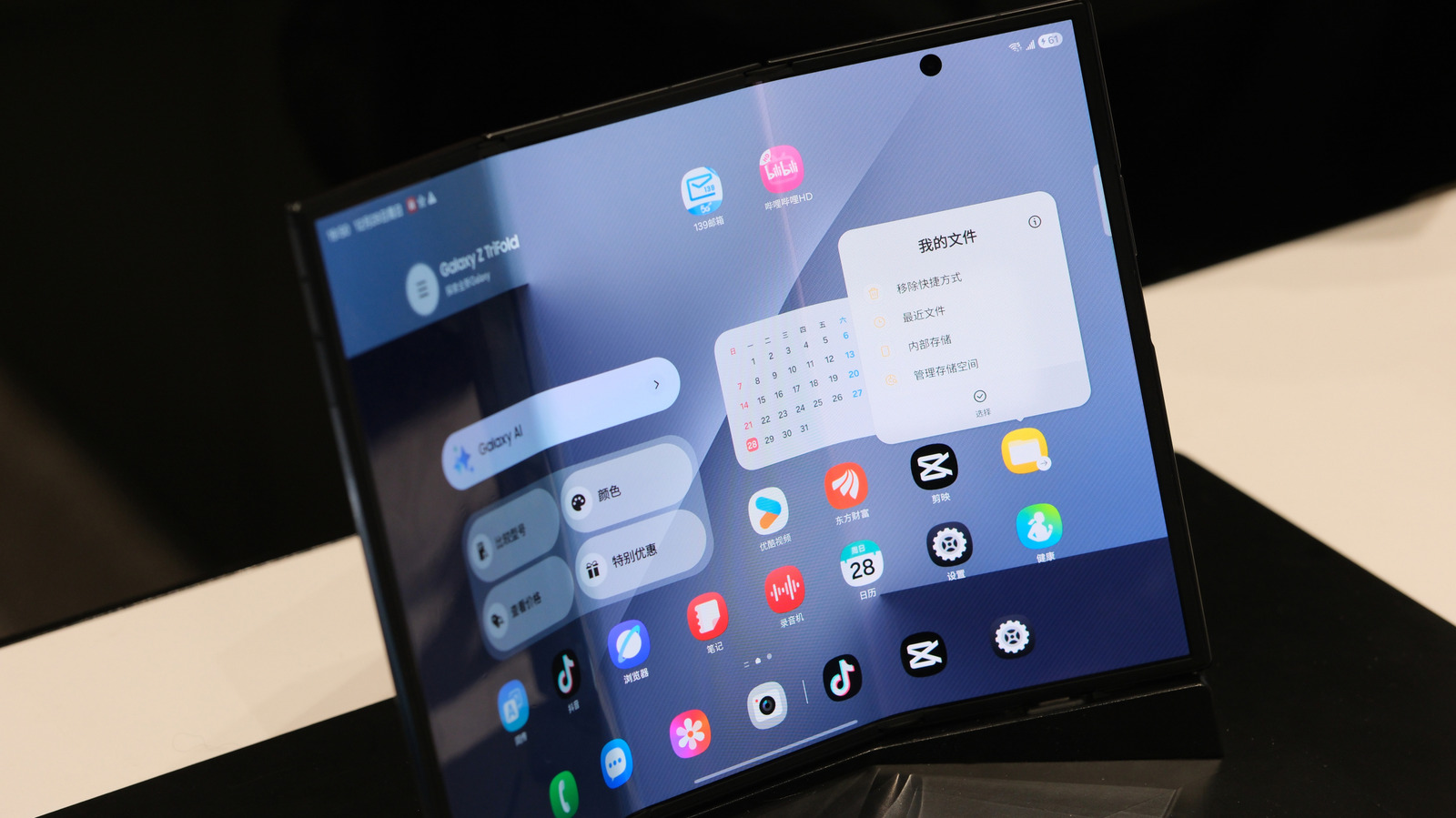
- The First Digit (Solid Objects): A rating of 4 means the device is protected against solid objects larger than 1mm (like wires or large debris). A rating of 6, as seen in the latest flagships like the iPhone Duo, means the device is "dust-tight," offering complete protection against fine particulates.
- The Second Digit (Liquids): An 8 indicates that the device can survive submersion in water, typically up to 1.5 meters for 30 minutes.
It is vital to note that even with an IP68 rating, the "dust-tight" certification is tested under laboratory conditions. Over time, the mechanical wear and tear on a foldable hinge can degrade the effectiveness of these seals. Therefore, an IP68 rating on a foldable should be viewed as a safeguard against accidents, not a license to take your phone to the beach or a construction site.
The Inner Screen: A Specialized Interface
The inner display of a foldable is a far cry from the outer cover screen. It is designed for flexibility, which necessitates a softer chemical composition.
Avoid Concentrated Force
Because the screen is semi-flexible, applying "concentrated force" is the fastest way to cause a dead pixel or a crease fracture. This includes habits many of us developed on glass screens, such as:
- Flicking away debris: Using a fingernail to scrape off a sticky spot or a crumb.
- Aggressive Scrolling: Using sharp pressure with a thumb to swipe through long articles.
- Unapproved Stylus Use: Using a pen meant for a tablet or a different model of phone. Only use the digitizer pen specifically calibrated by the manufacturer to exert the correct, minimal pressure.
The Screen Protector Dilemma
One of the most common user errors is the unauthorized removal or addition of screen protectors. The factory-applied film is an integral part of the display stack, designed to provide the necessary tension and protection for the foldable panel. Removing it can lead to screen failure. Conversely, applying a third-party glass protector is generally impossible, as rigid glass cannot bend. Even specialized "foldable" screen protectors can interfere with the hinge tension if they are not perfectly aligned.
Official Responses and Manufacturer Guidelines
Industry leaders like Samsung have been proactive in publishing "Foldable Care" guides. Their official guidance is consistent:
- Keep it clean: Use a dry, soft cloth. Avoid liquids or cleaners unless explicitly recommended.
- The "No-Pocket" Rule: Keep the phone away from magnetic objects (like wallets or credit cards) as they can interfere with the sensors that determine if the phone is open or closed.
- Mind the debris: If you live in a sandy environment or work in a dusty setting, consider a protective case that covers the hinge when the device is closed.
Samsung’s laboratory testing metrics, often touting 500,000 folds, are designed to demonstrate the mechanical integrity of the hinge. However, these tests are performed in controlled, dust-free environments. In the real world, the "lifespan" of a phone is significantly influenced by the user’s environment.
Implications: The Future of Maintenance
As foldables become more mainstream, the industry is shifting toward a "modular repair" philosophy. Companies are beginning to offer more accessible screen replacements and hinge servicing, acknowledging that moving parts inevitably wear down.
The implication for the consumer is clear: foldable ownership is a partnership. The manufacturer provides the engineering, but the user provides the environment. If you treat your foldable like a standard phone—tossing it onto a table, keeping it in a bag full of keys, or cleaning it with a rough shirt—you will likely encounter issues within the first 18 to 24 months.
However, if you treat the device as a piece of precision instrumentation, the longevity of these phones is quite high. The "wobble" or "crease" that users often fear is rarely a sign of imminent failure; it is simply the physical reality of a screen that has been folded thousands of times.
Final Recommendations for Owners
To maximize the life of your foldable device:
- Establish a "Clean-Fold" Routine: Check the center of your screen for debris before every close. It takes one second and can save you hundreds of dollars in repair costs.
- Invest in Hinge-Protection Cases: If you are prone to dropping your phone or working in rugged environments, prioritize cases that include a flap to protect the hinge.
- Ignore the Marketing "Fold Counts": While a 500,000-fold rating is impressive, it does not account for the grit and grime of daily life. Use those numbers as a benchmark for quality, not a guarantee of immunity.
- Prioritize Professional Service: If the screen protector begins to peel, do not pull it. Take it to an authorized service center. The adhesive used is specific to the display’s thermal expansion properties.
In conclusion, the foldable phone is a marvel of modern engineering that requires a higher level of mindfulness. By adopting these habits, you move from being a passive consumer to an active caretaker of your technology, ensuring your device remains a functional, impressive tool for years to come.
