
The AI Coding Revolution: How Small-Scale Tools are Transforming Post-Production
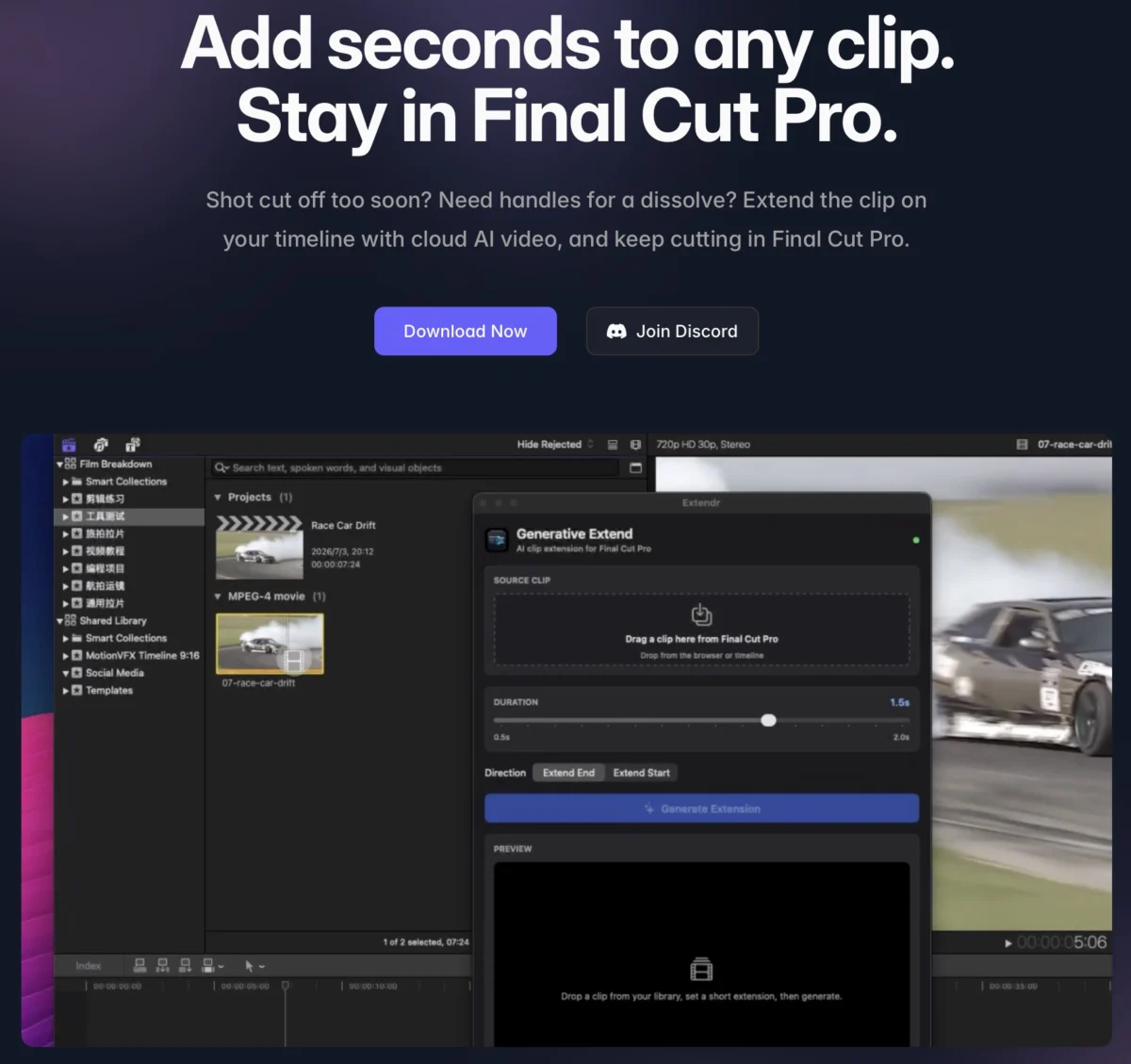
Artificial Intelligence is often misunderstood. While it frequently falters at high-level creative nuance or complex, multi-layered strategic planning, it has found a remarkably potent niche: the writing and debugging of code. The current AI landscape excels at technical, logic-driven tasks, finding its "sweet spot" in the development of specialized, small-scale software tools. For the video post-production industry, this evolution represents a seismic shift, allowing editors—who were previously reliant on large software corporations—to become the architects of their own technical solutions.
The New Era of "Editor-Developers"
In recent months, a wave of new, niche applications has flooded the post-production market. While the origin of each app is often shrouded in mystery, industry insiders agree that the fingerprints of AI-assisted development are everywhere. Tools like OpenAI’s Codex and Claude Code have lowered the barrier to entry for programming. Even for those with modest technical proficiency, these tools provide a scaffold that turns a conceptual workflow bottleneck into a functional, executable program.
This is a departure from the traditional software market, which has historically struggled to sustain niche plug-ins. Previously, the Venn diagram of "people who need a hyper-specific tool" and "people willing to pay enough to justify a professional programmer’s time" rarely overlapped. The overhead of traditional software development—marketing, sustained support, and complex maintenance—often rendered small-scale problem-solving financially non-viable. Today, that economic model is being disrupted by the speed and efficiency of AI-assisted coding.
Chronology: A Shift in Workflow Autonomy
The transition began in earnest with the maturation of Large Language Models (LLMs) capable of generating clean, functional code. As these models became integrated into development environments, the time required to build a utility app plummeted.

- Phase One: The Rise of Accessibility: Early 2024 saw the proliferation of AI-coding assistants, enabling solo developers to create utilities that addressed "annoying" but minor friction points in NLEs (Non-Linear Editors) like Final Cut Pro (FCP) and DaVinci Resolve.
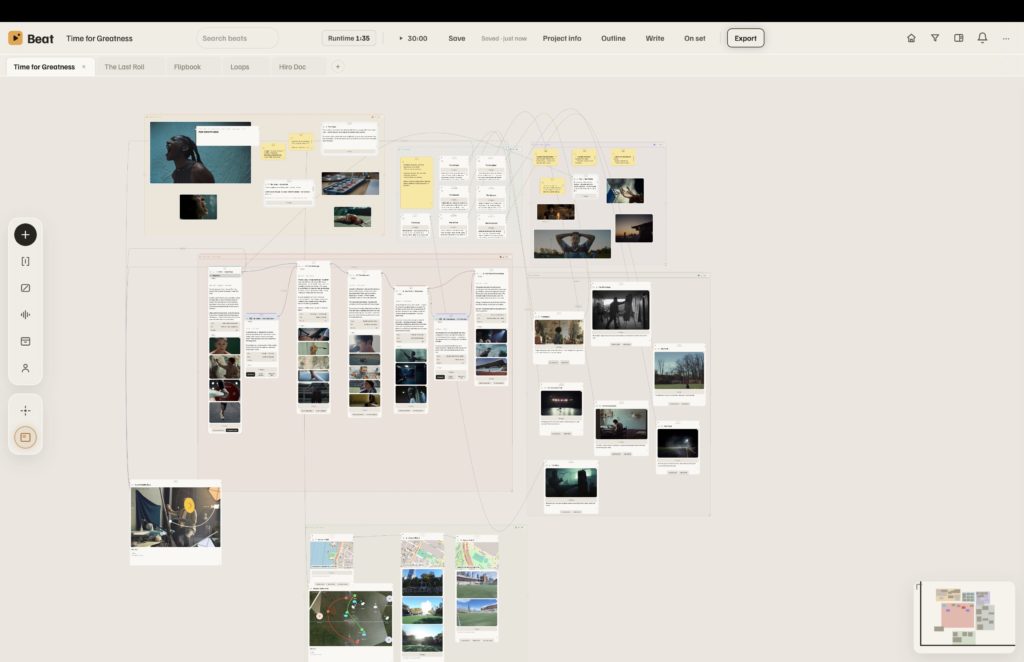
- Phase Two: The "Micro-Utility" Boom: Mid-2024 marked the emergence of specialized apps like Beat (for visual scripting) and PowerCue (for intelligent teleprompting), which prioritize solving specific, recurring user frustrations over broad, general-purpose functionality.
- Phase Three: The Open-Source Response: Toward the end of 2024, the focus shifted toward high-quality, open-source alternatives to industry staples—most notably Compositor, an ultra-efficient Photoshop alternative that signals a growing dissatisfaction with subscription-heavy corporate software.
Supporting Data: A Landscape of New Tools
The current crop of tools is not merely decorative; they serve as critical infrastructure for the modern, fast-paced editor.
Visual Scripting and Planning: Beat
Beat has emerged as a standout, allowing users to map out story arcs using node-based structures. By integrating with AI via MCP (Model Context Protocol), it turns a static screenplay into a living document that encompasses shot lists and call sheets. The fact that such a robust tool is free underscores the shift in value—where software is increasingly becoming a vehicle for community building rather than just revenue extraction.
Intelligent Prompting: PowerCue
For solo creators and tutorial makers, PowerCue has redefined the teleprompter. Unlike legacy systems that rely on fixed speeds, PowerCue utilizes advanced voice recognition to scroll dynamically with the speaker’s pace, allowing for natural ad-libbing. Its success highlights the demand for "adaptive" rather than "static" software.
Automation and Data Management
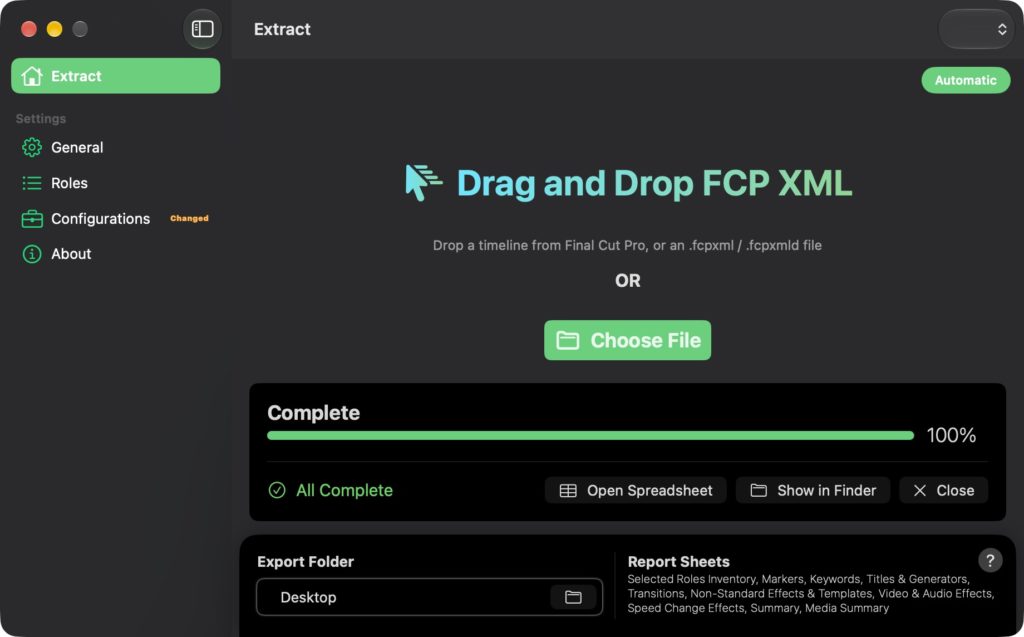
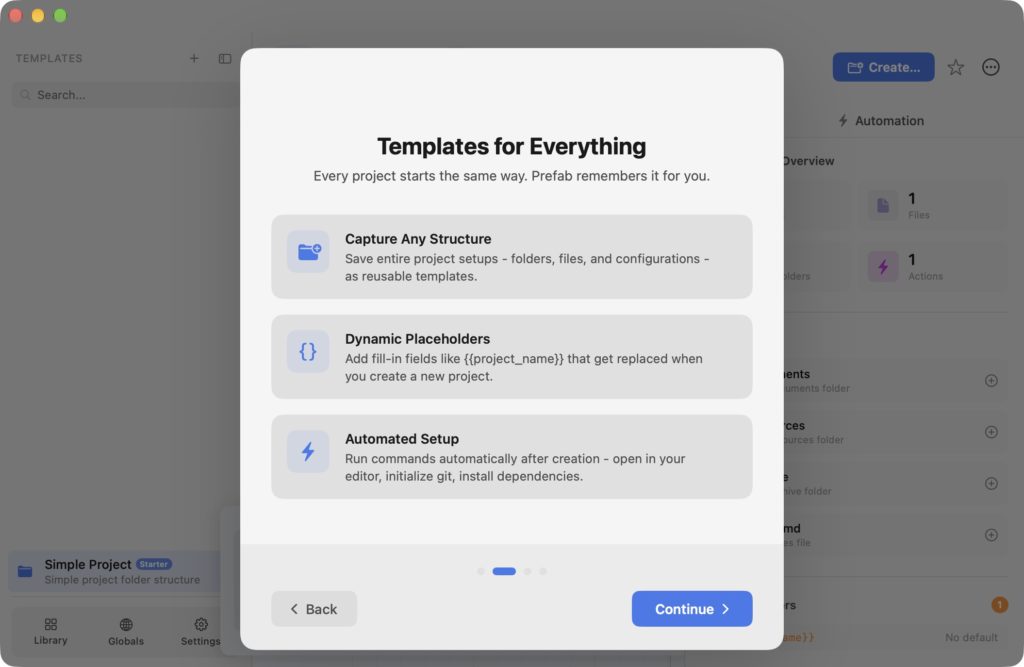
Tools like Production Data allow editors to export metadata from FCP timelines directly into spreadsheets, facilitating complex turnover reports that were once manual nightmares. Similarly, Prefab automates folder structures and labeling, ensuring that the "One True Date Format" (YYYY-MM-DD) becomes a universal standard across all projects.
Generative and Retouching Solutions
The market for skin-smoothing and retouching, once dominated by heavy-duty plugins, is now crowded with efficient, algorithm-driven tools like Softbox, Porefect, and PowerSkin. These tools represent a move away from "Generative AI" overkill toward refined, detail-aware sharpening and skin-retouching algorithms that respect the integrity of the original footage.
Official Perspectives and Professional Insights
The development community—often comprised of working professionals like Knut Hake, editor of Blood and Gold, and Rafael Ludwig—is embracing this change with a mix of optimism and caution.

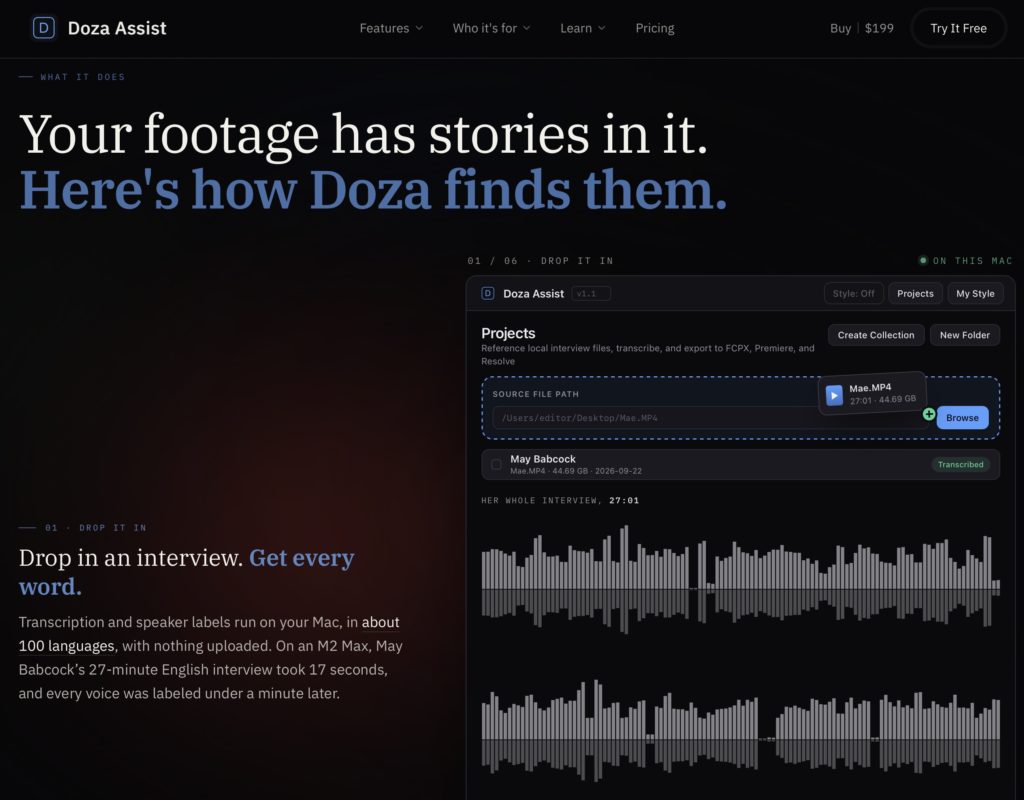
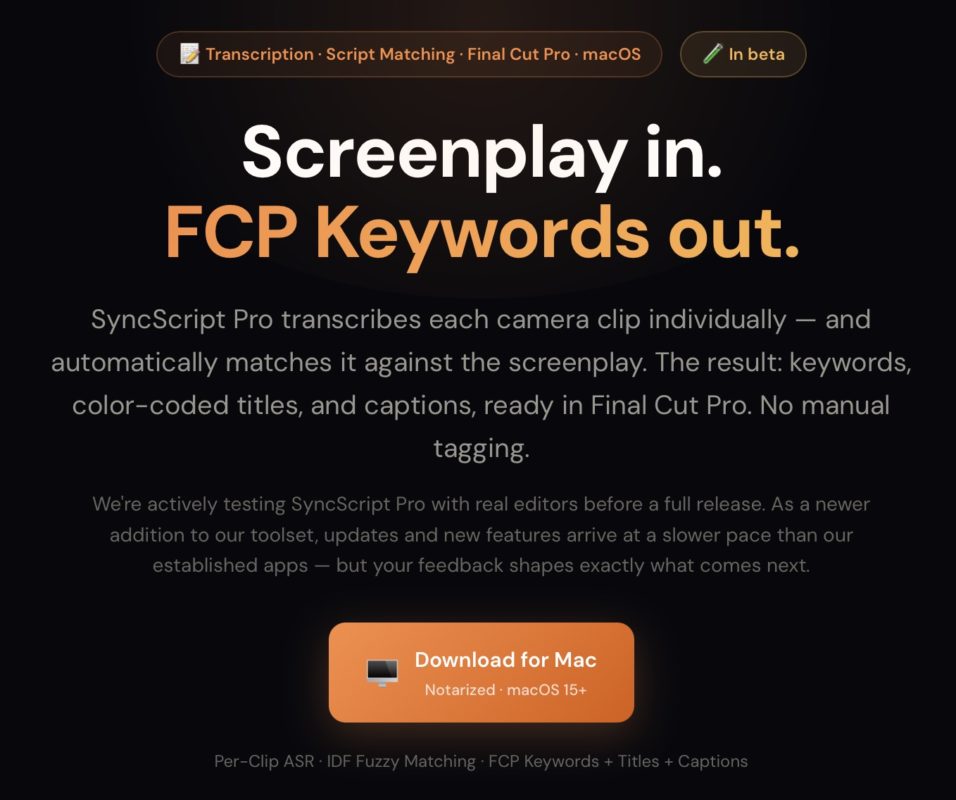
Knut Hake’s suite of tools, including SyncScript Pro and Malibu Conform, reflects a "solve-as-you-go" philosophy. By building tools that fix specific workflow gaps, these editors are essentially creating the software they wish existed for their own feature films.
However, the transition is not without friction. As one developer noted, there is a vast, treacherous gulf between "an app that works for me" and "an app that people will want to buy." The latter requires a commitment to customer support, marketing, and feature-request management that can quickly become overwhelming for a solo creator.
Implications: The Future of Post-Production
The rapid proliferation of these tools has profound implications for the industry.
1. The Decline of Subscription Dependence
As open-source and low-cost, one-time-purchase tools like Compositor gain traction, the "subscription-only" model for professional software is being challenged. When a lightweight, free alternative can match the core functionality of a $20-a-month industry standard, users are increasingly likely to jump ship.
2. Democratization of Development
The most significant implication is the democratization of development. We are entering an era where an editor can, in theory, prompt an AI to create a custom bridge between their NLE and a new hardware peripheral. This means workflows are no longer dictated by what software companies decide to include in their updates, but by what the user is capable of envisioning.
3. The "Networking" and Reliability Gap
While AI can write code, it cannot yet guarantee "enterprise-grade" reliability for complex, real-time networking tasks—such as sending 3D stereoscopic video to an Apple Vision Pro or managing complex, distributed databases. The "dark arts" of networking, error handling, and cross-platform compatibility remain the final frontier where human expertise is still non-negotiable.
4. Market Saturation and Downward Pressure on Price
The abundance of these tools will inevitably drive down the price of software. As the supply of high-quality, specialized utilities increases, developers will find it harder to justify high price points for simple functions. This is a win for the consumer but a challenge for the developer, who must now find ways to provide value beyond simple utility—perhaps through community, bespoke support, or deep integration.
Conclusion
We are witnessing a fascinating, and perhaps slightly terrifying, transition in the world of professional computing. The barrier between user and developer is dissolving. As AI coding tools become more sophisticated, the "big deal" is not that AI is writing code, but that it is empowering a new generation of creators to build the tools they need to tell their stories.
Whether it is a custom script-syncing tool for a feature film or an automated folder structure generator for a YouTube series, the future of post-production software is smaller, more specialized, and undeniably more personal. As we move forward, the challenge will not be the lack of tools, but the curation of them. The journey is just beginning, and for those willing to engage with this evolving landscape, the potential for workflow optimization is limitless.
