
The End of an Era: David Zaslav Departs Warner Bros. Discovery Amid a Complex Legacy for Animation
By Jamie Lang | Updated & Expanded
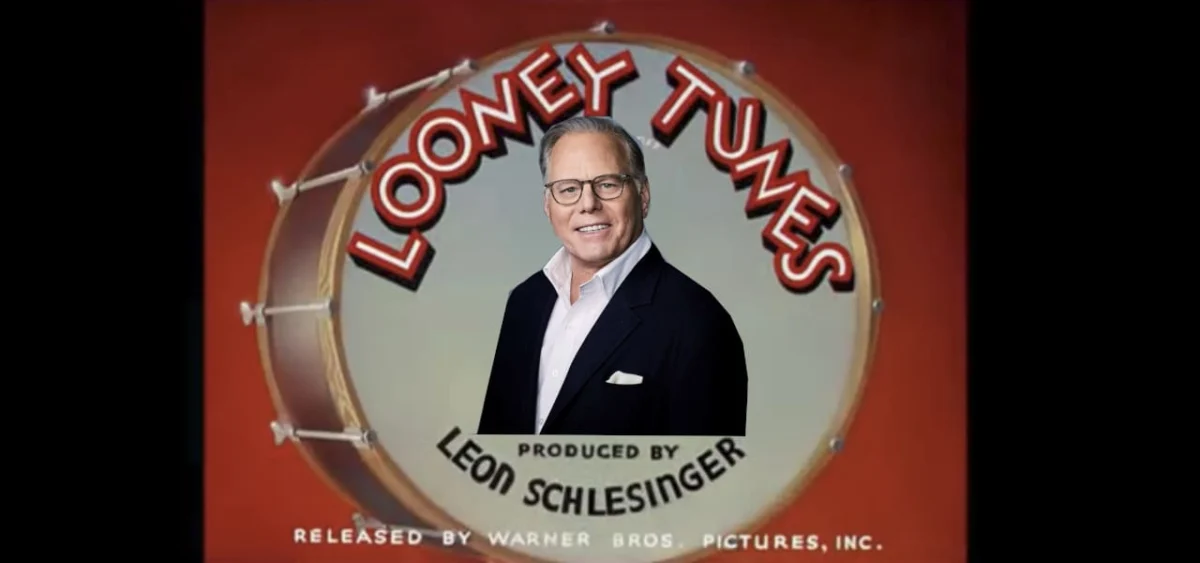
BURBANK, California — David Zaslav is officially saying goodbye to Warner Bros. Discovery (WBD), bringing a close to a tumultuous, high-stakes four-and-a-half-year tenure. His departure marks the end of a transformative era that sent seismic shockwaves through the entertainment industry—and nowhere was that upheaval felt more profoundly than within the company’s storied animation operations.
As WBD prepares to finalize its blockbuster acquisition by Paramount Skydance, an era defined by aggressive fiscal austerity, sweeping corporate restructurings, and fierce friction with the creative community is coming to a close. While Zaslav’s exit paves the way for a new chapter under incoming leadership, the animation landscape he leaves behind is irrevocably altered.
The Main Facts: A Billion-Dollar Handover and a Contentious Exit
The impending closure of the Paramount Skydance acquisition of Warner Bros. Discovery signals a massive consolidation within the modern media ecosystem. Ahead of the handover, Variety obtained a farewell video message distributed by Zaslav to WBD employees.
In the address, the outgoing chief executive reflected on his tumultuous tenure, expressed gratitude to the global workforce, and heaped praise on the artists and craftspeople who "imagined something that didn’t exist and then found a way to bring it to life."
Yet, for the animation community—encompassing creators, studio workers, and dedicated fans alike—Zaslav’s legacy at the historic studio is viewed through a dramatically different lens. While corporate stakeholders often praised his aggressive debt-reduction strategies and focus on profitability, the creative community experienced his leadership as a systemic dismantling of artistic legacy and institutional stability.
Chronology of Turmoil: How Zaslav Reshaped WBD Animation
To understand the current state of Warner Bros. Discovery, one must trace the rapid and often bruising sequence of events that unfolded following the April 2022 merger of Discovery Inc. and WarnerMedia.
1. The Immediate Aftermath and Cost-Cutting (2022)
Almost immediately upon taking the helm of the newly formed WBD, Zaslav instituted a brutal corporate diet aimed at shaving billions of dollars off the company’s balance sheet. Animation bore the brunt of these early cuts. Projects were abruptly canceled, departments were consolidated, and long-standing production pipelines were thrown into chaos.
The most prominent early casualty was the nearly completed animated feature Scoob! Holiday Haunt, which was unceremoniously shelved in August 2022 as a tax write-off, sending shockwaves through Hollywood.
2. The Coyote vs. Acme Controversy and Vaulting Content (2023)
The friction between corporate bean-counting and artistic integrity reached a boiling point in late 2023. Despite stellar test screenings, Warner Bros. made the controversial decision to shelve the fully completed hybrid feature Coyote vs. Acme for a tax write-off. The move sparked widespread industry outrage, drawing public condemnation from filmmakers, guilds, and even the film’s iconic canine protagonist, Wile E. Coyote.
Faced with mounting pressure and a rare public backlash from Hollywood creatives, WBD eventually reversed course on a strict internal mandate, allowing the studio to shop the film. Ultimately, Ketchup Entertainment acquired the rights, bringing the movie to theaters earlier this year.
Concurrently, the company enacted unprecedented purges of its streaming catalog. Dozens of original animated series were pulled entirely from Max (formerly HBO Max) to avoid paying residual fees. This included fan-favorite and critically acclaimed titles, as well as hundreds of classic Looney Tunes shorts, effectively erasing decades of animation history from digital accessibility.
3. Structural Demolition and Relocation
Physical infrastructure was not spared. Cartoon Network Studios vacated its historic Burbank headquarters—a spiritual home for contemporary television animation—marking the end of an era for the building that housed the creators of modern cartoon classics. Furthermore, WBD shut down the dedicated Cartoon Network website and sunsetted the classic cartoon streaming platform Boomerang, centralizing all remaining assets under the broader, profit-driven Max umbrella.
4. The Rebuilding Phase: A Late-Stage Pivot (2024–2026)
In a strange narrative pivot during the latter half of his tenure, Zaslav authorized the relaunch of Warner Bros.’ feature animation division as Warner Bros. Pictures Animation (WBPA). To steer the ship, the studio hired former DreamWorks Animation chief Bill Damaschke.
Under Damaschke, WBPA began assembling an ambitious theatrical slate, greenlighting projects such as The Cat in the Hat, Bad Fairies, The Lunar Chronicles, Dr. Seuss’s Oh, the Places You’ll Go!, and Vivienne Medrano’s original feature Prehistoria. Whether this newly constructed division can achieve sustained theatrical success remains one of the premier open questions for the studio’s incoming leadership.
Supporting Data: The Scale of the Disruption
The impact of Zaslav’s tenure can be measured not just in canceled titles, but in structural changes to employment, digital libraries, and institutional footprint:
.png)
- Financial Reductions: WBD targeted upwards of $3 billion to $4 billion in synergy savings post-merger, with content write-offs accounting for roughly $800 million to $1 billion in canceled or suppressed productions across film and television.
- Library Contraction: Over 80+ distinct animated series, specials, and films were purged from Max during successive content removal waves between 2022 and 2024.
- Studio Consolidation: Cartoon Network Studios and Warner Bros. Animation were formally merged under a single unified management structure, resulting in significant layoffs across development, production, and administrative teams.
- Physical Real Estate: The closure of the historic Burbank production offices marked a permanent shift away from autonomous, boutique-style studio spaces toward centralized, corporate-controlled environments.
Official Responses: Inside the Farewell Address
While external unions and guilds frequently targeted Zaslav for his hardline business policies, his internal farewell address leaned heavily into romantic notions of Hollywood craftsmanship. Standing in the "Loft" on the historic Burbank lot, Zaslav attempted to bridge the gap between corporate restructuring and artistic creation.
"For the uninitiated, it might look like an empty room," Zaslav said in the transcribed video message. "Pero people here know what spaces like this can become. For decades, worlds have been built here. Sets have gone up, come down and given way to something entirely different."
He continued to acknowledge the emotional and physical toll of creative labor:
"If these walls could talk they’d tell stories about extraordinary creativity, craftsmanship and collaboration… The late nights, the early mornings, the commitment to making something the very best it can be. That’s what all of you, all around the world, do every day."
Despite the honeyed words, industry analysts note that the sentiment did little to heal the wounds inflicted during years of layoffs and project cancellations. Representatives from the Animation Guild (IATSE Local 839) and various creator advocacy groups have consistently pointed to the WBD era as a cautionary tale regarding the perils of corporate consolidation in the arts.
Implications: What Zaslav’s Departure Means for the Future
As David Zaslav exits the Burbank lot and Paramount Skydance takes the reins, the broader entertainment industry faces a critical juncture. The acquisition raises vital questions about the future trajectory of legacy intellectual property:
- Restoration vs. Continued Monetization: Will the incoming Paramount Skydance leadership restore access to the hundreds of animated shorts and series currently trapped in the corporate vault, or will they continue to treat legacy libraries strictly as balance-sheet levers?
- The Fate of WBPA’s Slate: Bill Damaschke’s nascent animation slate—featuring high-profile adaptations like The Cat in the Hat and original concepts like Prehistoria—will face intense scrutiny. The new corporate owners will need to decide whether to maintain investment in theatrical animation or pivot back toward cost-effective streaming strategies.
- Labor Relations: Relations between studio executives and creative talent remain fragile. The incoming administration will need to rebuild trust with writers, storyboard artists, animators, and directors who felt sidelined or devalued during the WBD years.
What is past is prologue, as Zaslav noted in his final address. But for the animators and fans of Warner Bros., Cartoon Network, and Hanna-Barbera, the scars of the past four years will shape their perspective on corporate media ownership for generations to come. The true verdict on whether Warner Bros. Pictures Animation can successfully rebuild under new oversight will be written long after David Zaslav has left the building.
