
Beyond Stephen King: The Ultimate Guide to Dark Fantasy Subgenres for Halloween Reading
October 6, 2026
By Tom Bacon
Main Facts
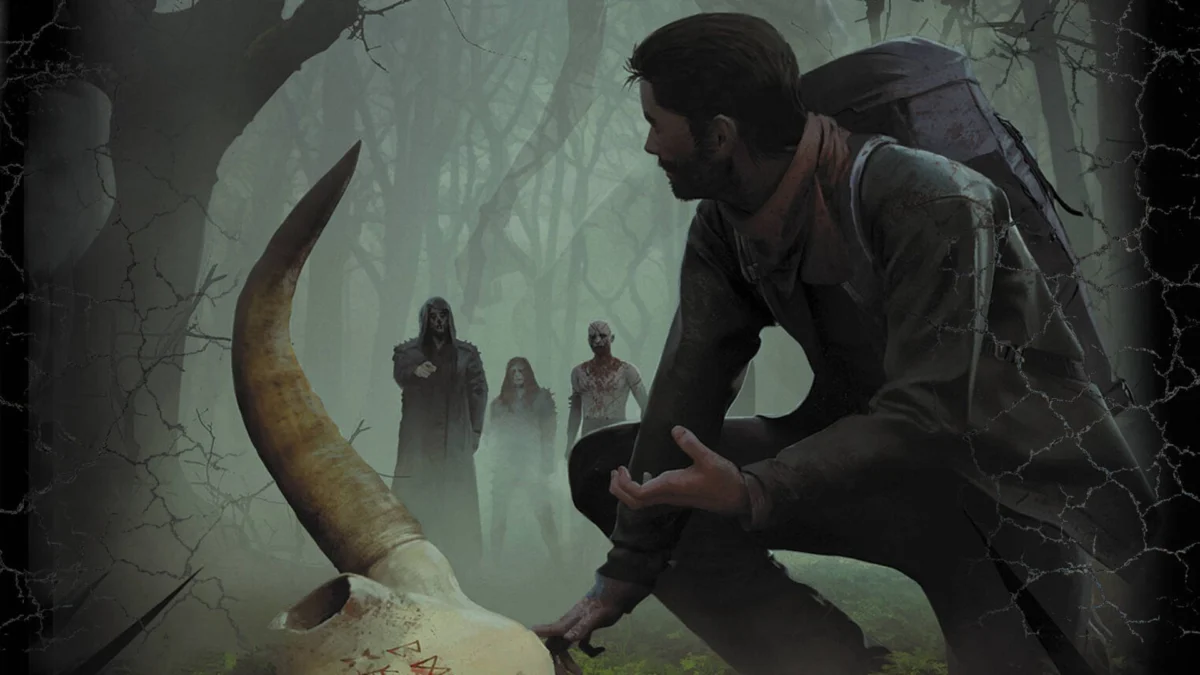
As the autumn air grows crisper and the nights draw longer, the literary world naturally pivots toward the macabre. For readers seeking to trade traditional jump-scares for deeply immersive, atmospheric storytelling, the intersection of fantasy and horror offers a rich landscape. While Stephen King remains a perennial staple of October reading lists, the broader speculative fiction genre holds a vast array of darker, bloodier, and more unsettling alternatives.
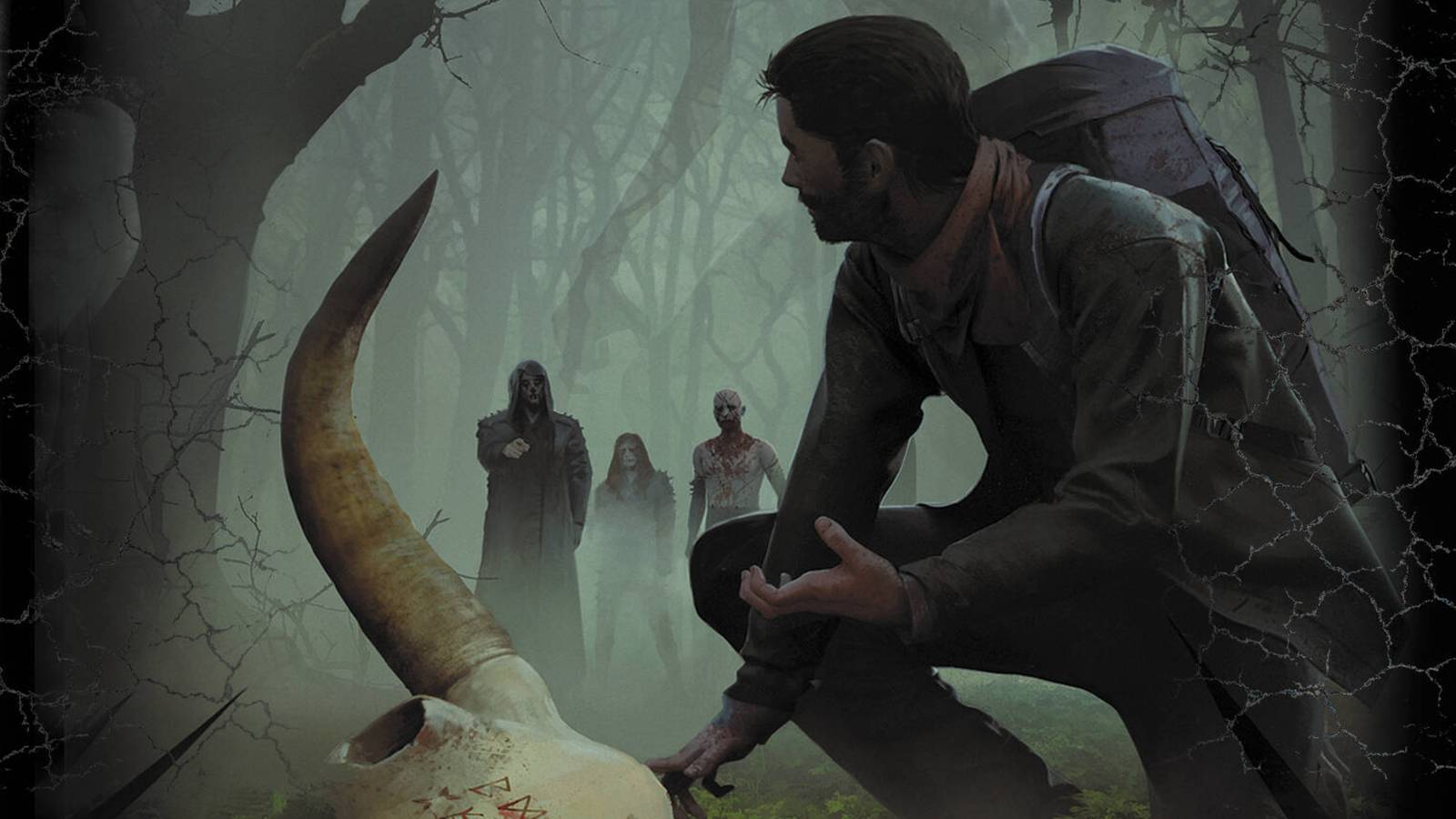
At its core, fantasy shares a massive and undeniable overlap with horror. Many classic horror tropes—supernatural races, demonic entities, shambling corpses, and ancient bloodlines—are inherently fantastical. Literary theorists, such as Farah Mendlesohn, often point to the power of "intrusion fantasies," where a strange, supernatural element violently disrupts the mundane rhythm of everyday life.
For readers looking to branch out this Halloween season, exploring specific subgenres like Portal Fantasy, Gothic Fantasy, Folk Horror, Dark Academia, and Urban Fantasy provides an exceptional alternative to traditional horror staples.

Chronology and Evolution of Dark Fantasy
The merging of fantasy and horror is not a modern literary invention; its roots trace back centuries, evolving alongside the development of speculative fiction itself.
- The Gothic Roots (Late 18th – 19th Century): Early works by authors like Mary Shelley and Edgar Allan Poe laid the groundwork by combining atmospheric dread with supernatural elements, establishing tropes of isolation, madness, and forbidden knowledge.
- The Mid-20th Century Shift: Traditional portal fantasies established clean, safe boundaries between the real world and magical realms (such as C.S. Lewis’s The Chronicles of Narnia). However, authors quickly began subverting these tropes, turning whimsical doorways into gateways for cosmic dread.
- The Rise of Modern Dark Subgenres (Late 20th Century – Present): Subgenres like urban fantasy and folk horror matured, moving away from simple monster-hunting tropes into deeply psychological, atmospheric narratives. Contemporary writers now routinely blend intricate magic systems with psychological horror, giving rise to modern movements like dark academia.
Supporting Data: Exploring the Five Dark Fantasy Subgenres
To navigate the shadowy corners of speculative fiction this season, readers can look to five distinct subgenres that bridge the gap between wonder and terror.
5. Portal Fantasy (With a Twisted Edge)
- The Concept: The exact inverse of the intrusion fantasy. Portal fantasies traditionally follow protagonists who discover hidden worlds behind wardrobes or through solid brick walls, reminiscent of The Chronicles of Narnia or J.K. Rowling’s Harry Potter.
- The Horror Twist: In dark portal fantasies, the hidden worlds discovered by protagonists are not benign or whimsical; instead, they are entirely warped, corrupt, and deeply hostile to human life.
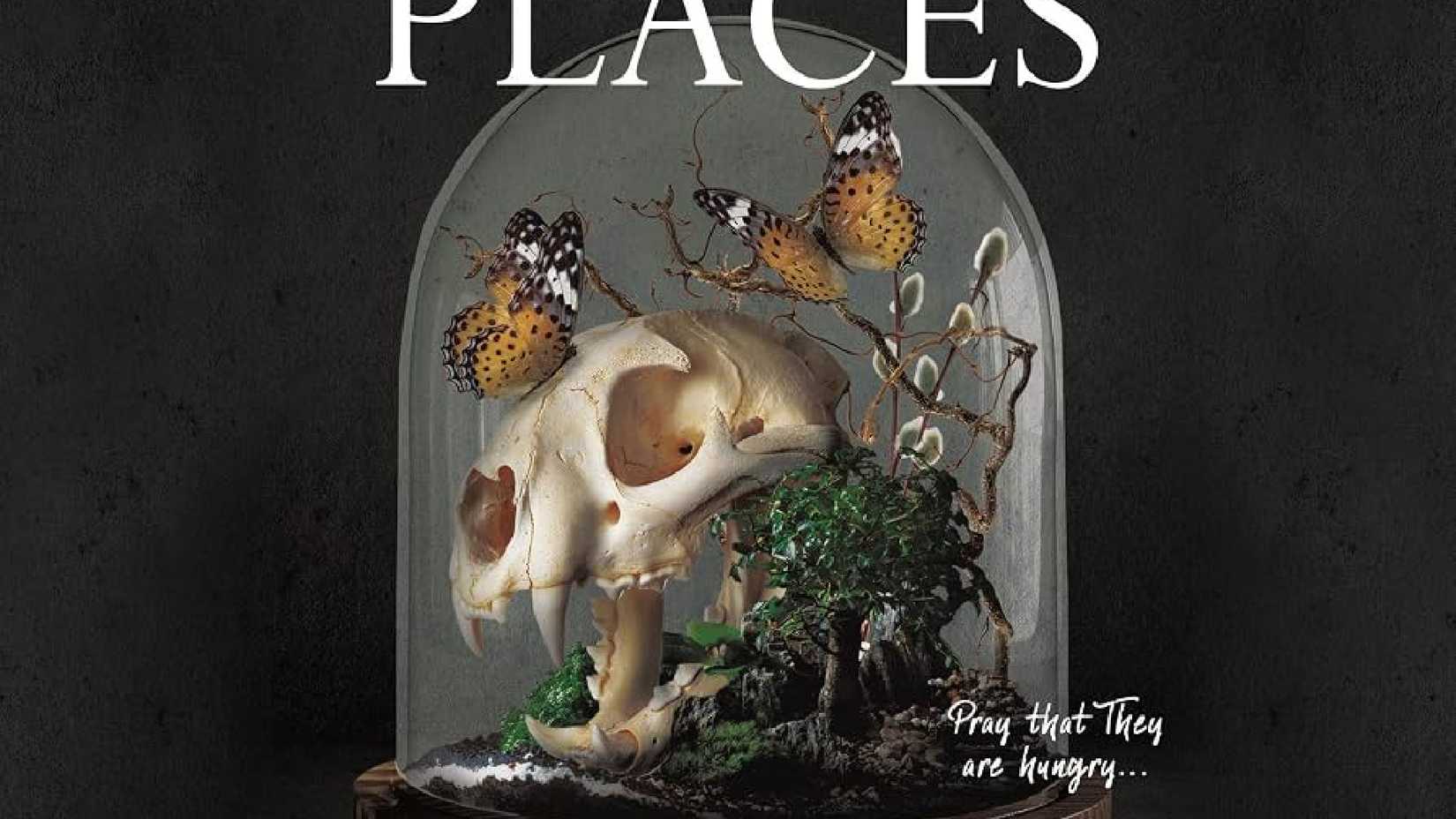
- Notable Example: The Hollow Place by T. Kingfisher, which uses the portal trope to explore terrifying, reality-bending cosmic dread.
4. Gothic Fantasy
- The Concept: Brooding, atmospheric, and steeped in melancholy, Gothic fantasy explores themes of death, madness, and isolation. It is the natural home of vampires, werewolves, and restless spirits.
- The Horror Twist: Unlike traditional Gothic fiction, which often leaves the supernatural ambiguous, Gothic fantasy builds fully immersive secondary worlds equipped with complex magic systems and institutionalized dread.
- Notable Example: The Bone Orchard by Sara A. Mueller, blending intricate world-building with dark, gothic sensibilities.
3. Folk Horror Fantasy
- The Concept: Rooted deeply in traditional folklore, pagan mythology, and rural isolation. Folk horror plays on the dread of the ancient and the unknown.
- The Horror Twist: By weaving magic systems directly into ancient myths, folk horror fantasy creates an oppressive atmosphere where nature itself—and the communities bound to it—harbors malicious, untamed intent.
- Notable Example: Evoking classics like The Wicker Man, this subgenre leverages cultural mythology to build mounting psychological tension.
2. Dark Academia Fantasy
- The Concept: Set within elite scholarly institutions, libraries, and universities, this subgenre pairs the strict disciplines of academia with dangerous intellectual obsessions.
- The Horror Twist: Moving past the whimsical boarding school tropes found in youth literature, dark academia focuses on older casts of characters whose relentless pursuit of arcane secrets forces them to stare directly into the abyss—and realize the abyss is staring back.
- Notable Example: The Atlas Six by Olivie Blake, where elite scholars gamble with dangerous, reality-altering knowledge.
1. Urban Fantasy
- The Concept: Placing magical elements, ancient deities, and supernatural creatures directly into contemporary cities and modern society.
- The Horror Twist: Modern civilization co-existing with predatory magic creates a volatile ecosystem. When urban environments are overrun by hidden supernatural forces, the results are explosive, high-stakes intrusion horror.
- Notable Example: The Library at Mount Char by Scott Hawkins or Sarah J. Maas’s Crescent City series, showcasing worlds where modern grit meets ancient monstrosities.
Official Responses and Industry Insights
Publishing industry analysts note a distinct seasonal spike in readers moving away from traditional, straightforward horror toward complex fantasy cross-genres. Librarians and booksellers report that readers increasingly seek books that offer "world-building depth alongside visceral scares."
Authors writing within these spaces emphasize that the appeal lies in agency. While traditional horror characters are often helpless victims fleeing an inescapable monster, dark fantasy protagonists often possess magical tools, intellect, or combat prowess—yet still find themselves dramatically outmatched by cosmic or systemic forces. This dynamic creates a uniquely satisfying tension that keeps readers turning pages deep into the night.
Implications for Readers and the Publishing Market
The blurring lines between fantasy and horror carry significant implications for both literature enthusiasts and the publishing industry:
- Broadened Demographics: The cross-pollination of genres attracts readers who might otherwise avoid traditional horror due to its reliance on gore, offering them intellectual engagement alongside atmospheric terror.
- Cross-Genre Innovation: Authors are increasingly encouraged to experiment, breaking down strict genre silos to create hybrid stories that defy easy categorization.
- Seasonal Marketing Shifts: Publishers now routinely market high-fantasy and dark-academia titles as premier Halloween reading material, permanently expanding the holiday’s literary footprint beyond Stephen King and classic ghost stories.
Whether navigating a corrupted alternate dimension, uncovering forbidden knowledge in an ivy-covered university library, or facing ancient gods in a modern metropolis, readers this October have an unprecedented wealth of dark fantasy options to explore.
