
The Resurrection of Raccoon City: How Zach Cregger Saved the Resident Evil Franchise
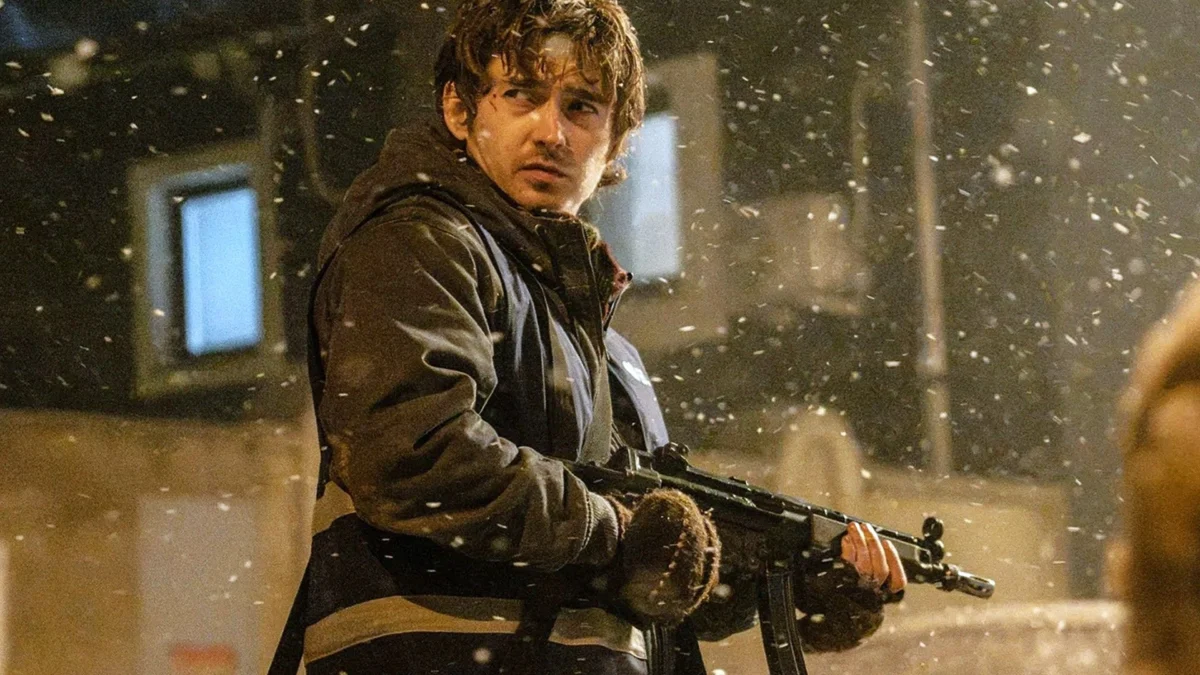
For years, the Resident Evil cinematic brand was trapped in a cycle of diminishing returns and critical indifference. Despite a sprawling, decades-long run under the stewardship of Paul W.S. Anderson, the franchise historically struggled to capture the heart of its source material, often prioritizing high-octane spectacle over the claustrophobic survival-horror tension that defined the Capcom video game series. Following the lackluster performance of the 2021 reboot Welcome to Raccoon City and a failed attempt at a serialized expansion on Netflix, the IP appeared to be in a state of terminal decline.
However, in a landscape defined by "sequel fatigue" and lukewarm reception to legacy properties, the recent release of Zach Cregger’s Resident Evil has defied the odds. By injecting a masterclass in horror pacing into a bloated franchise, Cregger has not only cured the series of its box-office malaise but has effectively rewritten the blueprint for how video game adaptations should be handled in the modern era.
The Evolution of a Cinematic Juggernaut
The history of Resident Evil on the big screen is a study in contrasts. Between 2002 and 2016, the franchise was a reliable, albeit critically panned, international earner. It relied heavily on global markets—specifically Asian and European territories—to offset meager domestic interest. For instance, the 2016 entry The Final Chapter brought in a staggering $285 million internationally, while barely scratching the surface of the North American market with $27 million.
This lopsided financial structure created a "glass ceiling" for the property. When Constantin Film and its partners attempted to course-correct with the 2021 reboot, they opted for a budget-conscious, lore-heavy approach. The result was a $17 million domestic finish that signaled to studio executives that the brand’s luster had faded. It was, by all accounts, a franchise in search of a new identity—or a quick death.
The Cregger Pivot: A Masterclass in Horror
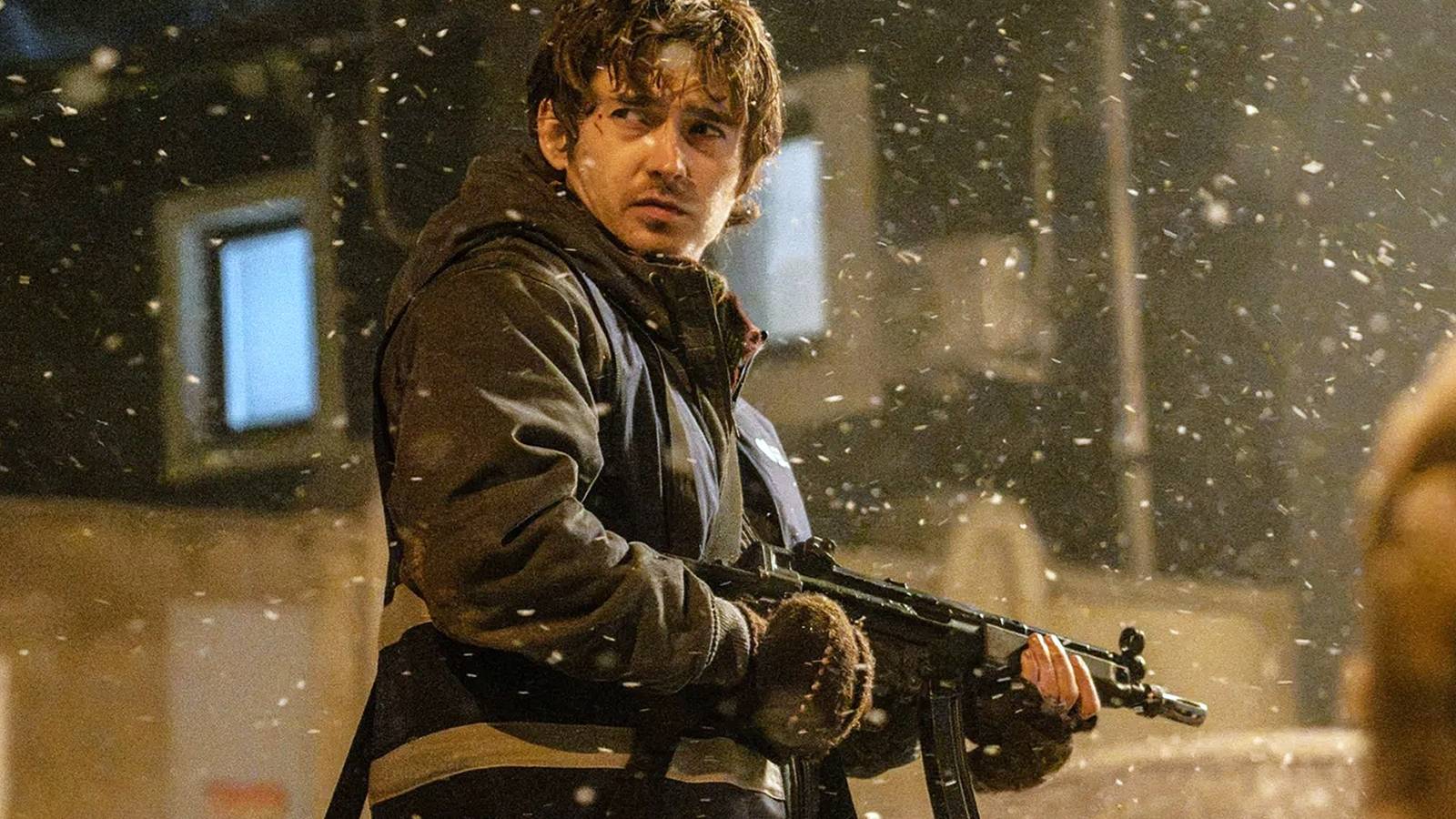
Enter Zach Cregger. Known for his keen ability to balance humor with visceral, bone-chilling horror—as evidenced by his breakout success Weapons—Cregger brought a specific vision to the project. Unlike his predecessors, Cregger focused on the "survival" aspect of survival-horror. His 95-minute cut of the film proved that brevity is often the soul of terror.
By stripping away the convoluted lore that had bogged down previous iterations and focusing on a tight, character-driven narrative, Cregger managed to capture a new demographic. The film has officially crossed the $100 million milestone at the US box office, becoming the first installment in the series’ history to achieve this feat. With $125 million in domestic earnings after just three weeks, the film has outperformed the previous reboot by a factor of seven.
Chronology of the Turnaround
The road to this success began with a high-stakes, multi-studio collaboration. Constantin Film, the long-term rights holder, recognized that they could no longer rely on a singular vision. They brought in a powerhouse consortium including Davis Films (the architects behind the Silent Hill adaptations), PlayStation Productions, Subconscious, and Vertigo Entertainment. Columbia Pictures oversaw the production, and the group split the $75 million budget, a calculated risk that has already paid significant dividends.
- September 2026: The film premieres, immediately garnering praise for its claustrophobic atmosphere and lean runtime.
- Late September 2026: The film achieves a near-perfect 50/50 domestic-to-international box office split, a feat that historically eluded the franchise.
- October 2026: The film officially surpasses the domestic record previously held by Resident Evil: Afterlife ($60.1 million), cementing its status as the most successful entry in the series’ history within North America.
Data Analysis: The 50/50 Split
The most striking metric in the performance of the 2026 reboot is the geographical distribution of its revenue. Historically, Resident Evil films were treated as international products with domestic "afterthoughts." Cregger’s film has flipped this paradigm. As of early October 2026, the film sits at a $246 million global haul, with $125 million coming from the US and $121 million from international territories.

This parity is a clear indicator that the film has successfully crossed over from a "niche" genre flick to a mainstream theatrical event. Industry analysts point to the "Cregger effect"—the buzz generated by his previous horror work—as the primary driver for domestic ticket sales. By treating the source material with respect while simultaneously making the film accessible to general audiences who had never picked up a game controller, the studio found the "Goldilocks zone" of adaptation.
Official Perspectives and Studio Strategy
The studio partners have remained largely silent on the specific creative mechanics of the film’s success, but the financial implications are impossible to ignore. A joint statement from the production consortium noted that the project was designed to "re-evaluate the core tenets of the Resident Evil experience."
For the studios involved, this is a vindication of the "boutique auteur" model. Instead of handing a massive franchise to a studio "company man," they handed it to an established voice in the horror genre. The success of the project is expected to influence upcoming negotiations for other gaming properties. If a franchise as "tired" as Resident Evil can be revitalized, it suggests that no IP is truly beyond saving, provided the right creative talent is at the helm.
Implications for the Future of the IP
Despite the massive commercial triumph, the future of the Resident Evil franchise remains in a state of productive anxiety. Zach Cregger has publicly indicated his refusal to direct a sequel. This creates a fascinating dilemma for Constantin Film and their partners: do they attempt to replicate Cregger’s specific, auteur-driven style with a replacement, or do they pivot to a new director who can expand the world he built?
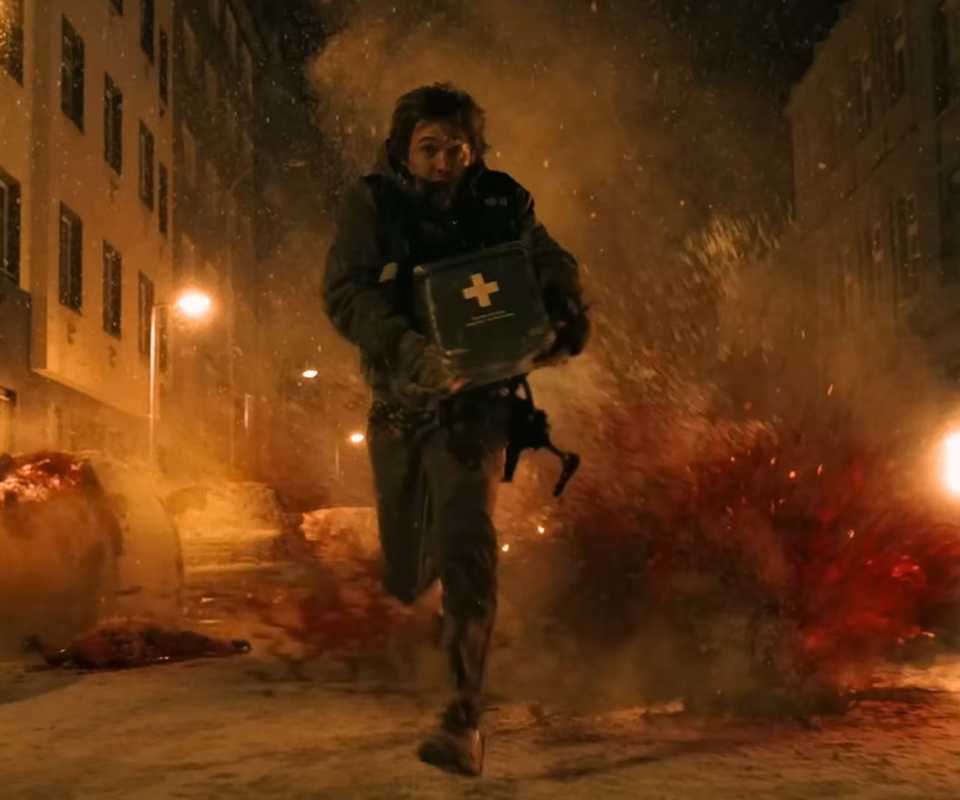
The success of this reboot has also highlighted the failure of previous attempts at consistency. The 2022 Netflix series, which deviated wildly from the games, served as a stark lesson in what audiences don’t want: a dilution of the core essence. Cregger proved that fans are more than willing to forgive minor narrative tweaks if the "feel" of the game is preserved.
The Road Ahead: Beyond the Hatch
As the film continues its theatrical run, it faces the challenge of potentially claiming the top spot in the franchise’s history, currently held by The Final Chapter ($312 million). Whether or not it achieves that specific milestone is secondary to the cultural shift it has caused.
The Resident Evil franchise is no longer a relic of the mid-2000s action era; it is a viable, high-prestige horror commodity. As studios look to their own backlogs of abandoned or underperforming IPs, they will inevitably look to the "Cregger Blueprint": hire a visionary, tighten the runtime, and trust the audience to appreciate a well-crafted, atmospheric experience.
The resurrection of Resident Evil serves as a poignant reminder that while franchises may face fatigue, they are rarely dead. They are merely waiting for the right creative spark to wake them from their slumber. Whether the studio can maintain this momentum without the architect of its current success remains the industry’s most pressing question. For now, however, the doors of Raccoon City have been thrown wide open, and for the first time in a decade, the world is waiting with bated breath to see what happens next.
