
The 2026 Venice Film Festival: A Study in Triumphs, Tensions, and Artistic Audacity
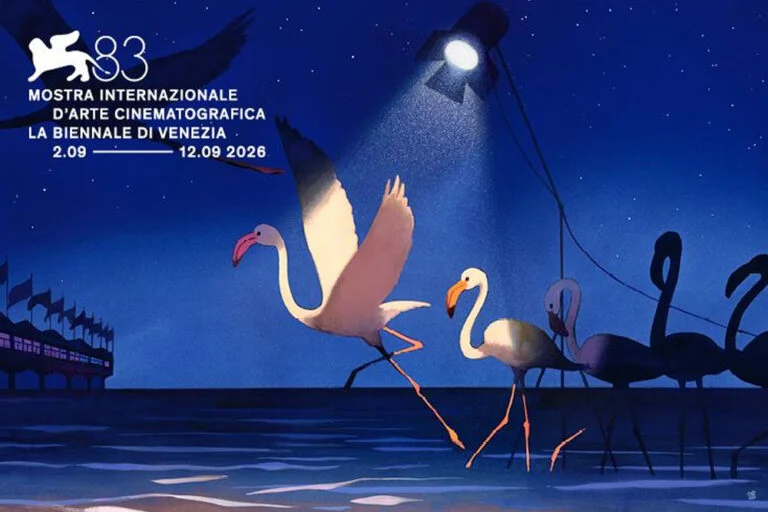
The 83rd Venice International Film Festival has drawn to a close, leaving behind a cinematic landscape marked by both groundbreaking achievements and provocative industry discourse. As the dust settles on the Lido, the festival’s awards ceremony stands as a definitive moment in the 2026 film calendar, signaling shifts in international prestige and the rising influence of auteur-driven storytelling. From the historic victory of May el-Toukhy to the striking presence of Soviet-era epics and high-profile performances, this year’s competition was as much a battlefield of artistic vision as it was a celebration of global cinema.
The Main Event: A Clash of Titans for the Golden Lion
The centerpiece of the 2026 Venice Film Festival was the intense, headline-dominating rivalry for the prestigious Golden Lion. The primary contenders, Lee Chang-dong’s highly anticipated Possible Love and May el-Toukhy’s Woman Unknown, were widely regarded as the two most formidable entries in the competition.
In a decision that has already begun to ripple through the awards season, the jury—presided over by actor and filmmaker Maggie Gyllenhaal—awarded the Golden Lion to May el-Toukhy for Woman Unknown. The film, a piercing exploration of human fragility, not only secured the festival’s highest honor but also propelled its lead, Mathilde Arcel, to the Best Actress trophy. Arcel’s performance has been hailed by critics as a masterclass in subtlety and emotional depth, cementing her status as a frontrunner for the upcoming Academy Awards.
Possible Love, while narrowly missing out on the top prize, was far from ignored. Lee Chang-dong’s latest work, which had been the subject of immense critical fervor, was awarded the Grand Jury Prize. The industry’s reaction to the split decision suggests a consensus that both films represent the pinnacle of contemporary international cinema, with Lee’s work likely to continue its momentum well into the winter awards circuit.
Chronology: A Festival of High Stakes
The 2026 edition of the Venice Film Festival followed a trajectory of increasing tension. From the opening gala to the final awards ceremony, the narrative of the festival was defined by a series of screenings that challenged audience expectations.
- Early Week Highlights: The festival opened with a focus on the return of established masters. The premiere of Possible Love set an early, high bar, with critics noting its meticulous pacing and structural brilliance.
- The Mid-Festival Surge: The momentum shifted significantly with the screening of NAZA, the new project from the team behind the acclaimed No Other Land. The film’s 25-minute standing ovation became a viral moment, turning the film into the most discussed "unsold" asset in the market.
- The "Woman Unknown" Effect: As the festival reached its zenith, Woman Unknown emerged as a disruptive force. Its screening sparked intense debate among jurors and critics alike, creating a palpable sense of anticipation for the final awards.
- The Final Verdict: The closing ceremony validated the festival’s unpredictable nature, honoring a mix of veterans and emerging voices while acknowledging the shifting demographics of the global directorial landscape.
Supporting Data and Industry Trends
While the awards provide a clear snapshot of the jury’s preferences, the underlying data of the festival tells a more complex story. The 2026 lineup was notable for its heavy reliance on international co-productions and a visible push from major streaming platforms to integrate themselves into the "prestige" festival ecosystem.
The Netflix Strategy
According to reports from The Hollywood Reporter, Netflix has moved aggressively to capitalize on the critical success of Lee Chang-dong. Recognizing the sustained interest in the auteur, the streamer plans to release his six previous feature films on November 6, 2026. This move is a strategic play to build a "Chang-dong retrospective" momentum as Possible Love begins its formal awards campaign.
The "Unsold" Phenomenon
The case of NAZA highlights a peculiar trend in 2026: the "festival phenomenon" film that lacks a U.S. distributor. Despite the record-breaking 25-minute ovation, the film’s status as "unsold" remains a point of contention among industry analysts. It highlights a widening gap between festival-circuit critical acclaim and the risk-averse nature of domestic theatrical acquisition in a post-pandemic market.
Official Responses and the Gender Discourse
Perhaps the most significant cultural moment of the 2026 festival was the discourse surrounding gender representation. Woman Unknown was the only film in the main competition directed solely by a woman. This statistic was not lost on jury president Maggie Gyllenhaal, who utilized her platform to address the disparity directly.
During the press conferences, Gyllenhaal expressed clear displeasure at the lack of female representation in the competition slate. Her remarks were not merely performative; they were integrated into the jury’s final evaluation of the work. Addressing the win for Woman Unknown, Gyllenhaal described the film as "a laser beam"—a comment that served to both validate the film’s quality and critique the broader systemic issues of the industry. She emphasized that the award was given based on merit, not as a "statement," effectively silencing those who might suggest the win was a result of identity politics rather than artistic achievement.
Implications for the 2026-2027 Awards Season
The results of the 83rd Venice Film Festival have provided a clear blueprint for the upcoming awards season. The recognition of Woman Unknown and Possible Love sets the stage for a season characterized by international competition.
The Rise of the Auteur
The Best Director award for Ilya Khrzhanovsky for the Soviet-era epic DAU confirms that juries remain enamored with grand, ambitious, and historically dense storytelling. DAU, a project known for its immense scale, signals that audiences and critics alike are still craving "event" cinema that demands deep intellectual engagement.
The Changing Face of Lead Performances
The Best Actor win for John Malkovich in Wild Horse Nine was a surprise to many, especially given the intense buzz surrounding Robert Pattinson’s turn as Chris Hansen in Primetime. Pattinson’s performance has created a "stir" within the industry, with many predicting that his transformative work will remain a significant topic of discussion. However, the jury’s choice of Malkovich points to a preference for seasoned, understated gravitas over the high-octane transformations that often dominate early-season speculation.
Conclusion: A New Chapter in Global Cinema
The 2026 Venice Film Festival will be remembered as a year of recalibration. It was a festival that held up a mirror to the industry, questioning its own lack of inclusivity while simultaneously showcasing the sheer power of cinema to provoke, move, and challenge.
As Possible Love prepares for its global streaming rollout and Woman Unknown looks toward the Oscars, the legacy of this year’s event is secure. The festival proved that, even in an era of rapid digital consumption and changing theatrical models, the prestige of the Golden Lion remains a vital, influential marker of quality. Whether it is through the lens of a "laser-beam" drama or an expansive, historical epic, the 2026 season has reminded us that the soul of cinema resides in the courage to tell stories that demand to be heard.
As we look toward the winter months, the debates started on the Lido will undoubtedly continue to shape the narrative of the film industry, setting the tone for a year that promises to be as challenging as it is triumphant. The winners have been crowned, the films have been seen, and the industry is now left to grapple with the profound artistic statements left behind by this year’s cohort of visionary directors.
