
Inside the Gilded Cage: Samuel Abrahams’ Lady Delivers a Cringe-Inducing, Subversive Satire of British Class and Isolation
By Film & Culture Desk
Published: October 2026
Main Facts: A Masterclass in Modern Satire
In the cinematic landscape of 2026, few films have managed to balance biting social commentary with profound character study quite as effectively as Lady. Directed by Samuel Abrahams, the feature-length dark comedy-drama places the British class system firmly in the crosshairs, offering a sharp, hilarious, and unexpectedly moving exploration of wealth, isolation, and privilege.
The film stars Sian Clifford as the intensely narcissistic and fiercely eccentric aristocrat Lady Isabella ("Izzy" to those granted familiarity). Alongside Clifford, the cast features Laurie Kynaston as Sam, an ambitious young filmmaker desperately seeking a breakthrough, and Juliet Cowan as Becky, the relentlessly patient head of the estate’s long-suffering staff.
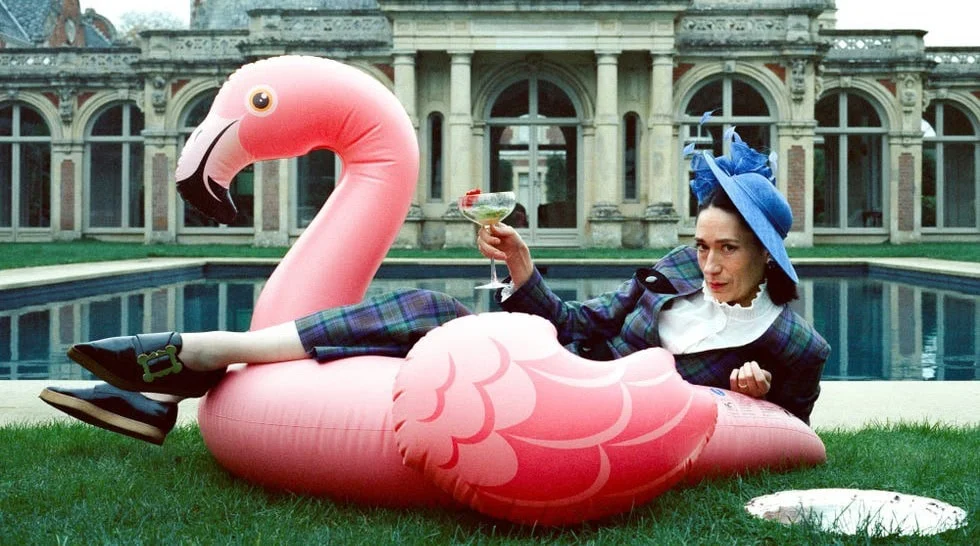
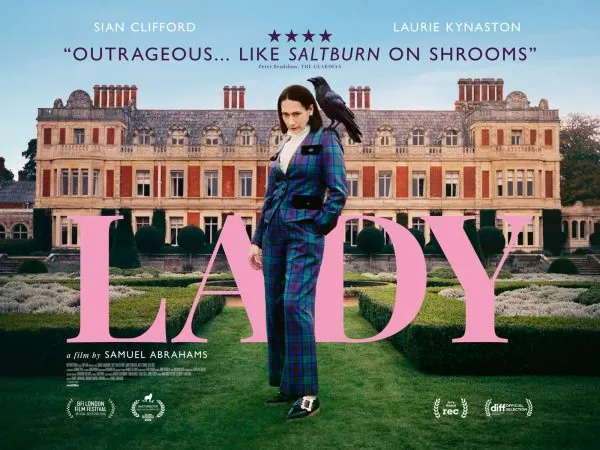
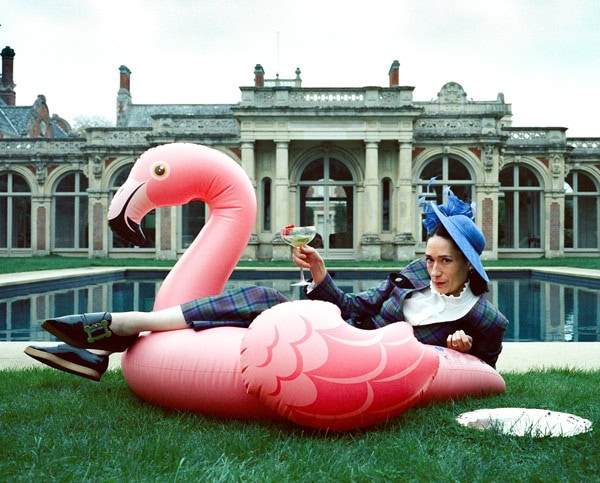
Set against the breathtaking backdrop of Somerleyton Hall in Suffolk—which doubles as Isabella’s sprawling, sequestered estate—Lady unfolds primarily as a mockumentary-style psychological chess match. The premise is disarmingly simple yet ripe for chaos: an attention-starved aristocrat dupes an eager young director into filming her every move under the false pretense of securing a lucrative Netflix distribution deal.

Clocking in as a visually striking and rhythmically relentless picture, Lady has already drawn inevitable comparisons to Emerald Fennell’s 2023 hit Saltburn. However, critics and early reviewers note that Abrahams’ film executes a far more subtle, character-driven dissection of the invisible chains that bind individuals to property, generational wealth, and oppressive social expectations.
Chronology of a Disastrous Collaboration: The Plot Unfolds
To understand the volatile energy of Lady, one must trace the tragicomic timeline of the disastrous partnership between Lady Isabella and Sam.
Act I: The Trap is Set
The narrative commences when Isabella, rattling around her cavernous, sparsely populated estate with only domestic staff for company, decides her life demands documentation. Enter Sam, a burgeoning director whose sole major career credential is a BAFTA-nominated (though pointedly not winning) short film. Desperate to ascend the greasy pole of the film industry, Sam leaps at the opportunity when Isabella dangles the ultimate carrot: a guaranteed Netflix deal.
Armed with his camera, Sam arrives at the grand gates of the estate, expecting a straightforward documentary subject. Instead, he finds himself plunged into a world of unchecked vanity and bizarre, straight-to-camera soliloquies where Isabella holds court.
Act II: Realization and Resistance
The tension ratchets upward when the grim reality begins to dawn on Sam: the promised Netflix deal is an utter fabrication, a carrot dangled by a master manipulator to keep an audience captive. Realizing he has been duped into unpaid, unending servitude, Sam attempts an escape.
This triggers one of the film’s standout comedic set-pieces: a brilliant, slow-burn slapstick sequence wherein Isabella drives Sam at a agonizingly slow pace down the mile-long driveway, casually chatting while effectively holding him hostage on the property.
Act III: Secrets and Substances
It is during this aborted escape that the film’s emotional core is laid bare. It is revealed that Isabella suffers from severe agoraphobia, tethered to the grounds by both deep-seated psychological trauma and a family tragedy. As the narrative progresses, Sam’s initial contempt morphs into a complex mixture of exhaustion, Stockholm syndrome, and genuine empathy.
The boundaries between director and subject dissolve entirely as copious amounts of alcohol and psychoactive substances enter the mix. The personal lives of the duo descend into a psychedelic, high-intensity haze, culminating in community-facing disasters—most notably a tone-deaf local talent show in the nearby town where Isabella inevitably attempts to hijack the center stage.
Supporting Data & Production Insights: Behind the Scenes of Lady
- Director: Samuel Abrahams
- Cast:
- Sian Clifford as Lady Isabella ("Izzy")
- Laurie Kynaston as Sam
- Juliet Cowan as Becky
- Primary Location: Somerleyton Hall, Suffolk, UK
- Cinematic Influences & Tone: Mockumentary style drawing direct stylistic lineage from the awkward social interactions of classic British television like The Office, alongside mockumentary touchstones such as This Is Spinal Tap and Christopher Guest’s Best in Show.
- Critical Reception (Flickering Myth): Awarded a glowing 4/5 stars across both Film and Movie metrics by critic Robert W Monk, who praised its unique blend of social critique and deeply committed central performances.
Sian Clifford’s tour-de-force performance anchors the entire enterprise. Remaining on camera for virtually every frame, Clifford carries the picture with an unrelenting intensity that prevents the audience from ever fully looking away. Balancing arrogance with a pathetic, desperate need for validation, Clifford makes Isabella a monster you cannot help but root for—or at least laugh at.
Official Responses and Critical Consensus
Industry reactions to Lady have highlighted its tonal dexterity. While marketing comparisons to Saltburn are frequent, reviewers emphasize that Lady trades the visceral, Gothic shock-value of Fennell’s work for a more cringe-inducing, cringe-comedy realism.
"While Lady has drawn comparisons with Emerald Fennell’s Saltburn in its darkly humorous take on the British class system, to my mind, Lady does a more subtle exploration of the family ties that bind people to property, riches, and opportunities," notes critic Robert W Monk in his appraisal for Flickering Myth.
Furthermore, commentary surrounding the film has zeroed in on its biting accuracy regarding modern social media culture and the desperate performativity of the ultra-wealthy. Isabella’s attempts to "connect" with the local common folk—such as her disastrous curation of a municipal talent show—serve as a masterclass in tone-deaf philanthropy, mirroring real-world critiques of disconnected elites attempting grassroots engagement.
Broader Implications: Class, Cringe, and Contemporary Cinema
Lady arrives at a fascinating cultural juncture. As global economic pressures mount and wealth inequality becomes an increasingly potent political flashpoint, cinema has increasingly turned its lens toward the absurdities of the ultra-rich (witness the rise of "eat-the-rich" satires ranging from The Menu to Triangle of Sadness).
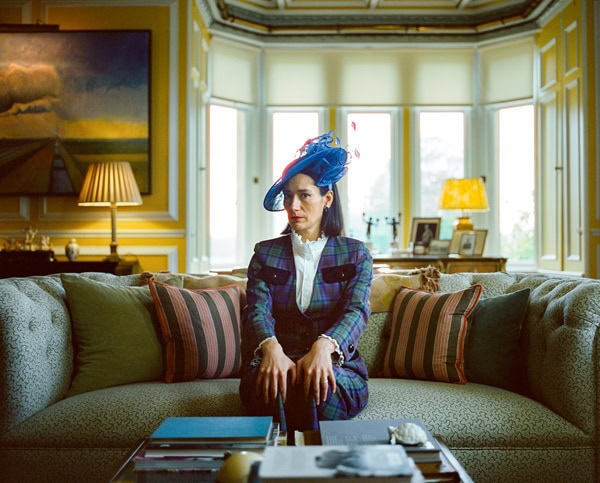
However, Lady carves out a distinct niche by refusing to offer easy moral binaries. Neither Isabella nor Sam emerges as a hero. Isabella is trapped by her wealth, her architecture, and her psychological phobias just as securely as a prisoner in a dungeon. Her estate is not merely a playground of privilege, but a gilded cage built upon generational grief and historical momentum.
At the same time, Sam represents the modern creative class: precariously employed, desperate for validation, and willing to compromise professional and personal boundaries for the elusive promise of institutional recognition (symbolized by his clinging to a BAFTA nomination rather than a win). Their toxic symbiotic relationship serves as a microcosm for modern transactional media, where every human interaction is commodified, filmed, and broadcast for consumption.
Ultimately, Lady succeeds because it marries profound psychological empathy with unsparing comedic cruelty. By channeling the spirits of classic mockumentary pioneers while injecting a thoroughly contemporary dose of psychedelic anxiety, Samuel Abrahams has delivered a triumph of independent British filmmaking. It is a cautionary tale, a laugh-out-loud comedy, and a poignant character study all wrapped into one glittering, eccentric package—and it demands to be seen.
