
The Beast Awakens: Robert Eggers’ Werwulf Promises a Chilling Return to Medieval Folk Horror
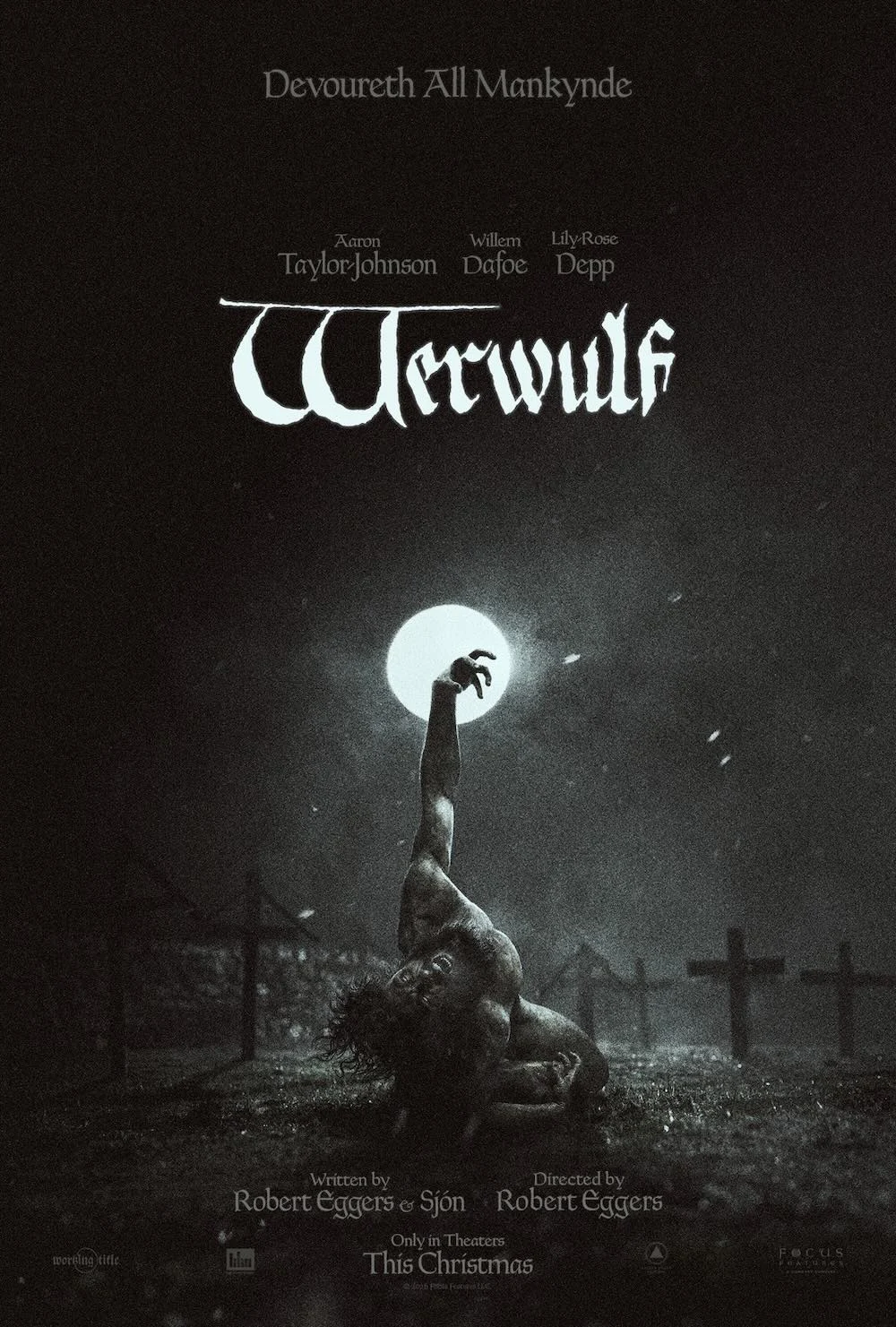
The landscape of modern horror is about to undergo a visceral transformation. Focus Features has officially unveiled the second official trailer for Werwulf (2026), the highly anticipated genre project from visionary director Robert Eggers. Known for his meticulous commitment to historical accuracy and atmospheric dread in films such as The Witch, The Lighthouse, and The Northman, Eggers appears to be pushing his craft into even darker, more primordial territory with this 13th-century set nightmare.
The latest footage provides audiences with a deeper look into a project that promises to redefine the werewolf mythos, stripping away the campy tropes of the subgenre in favor of the suffocating, grounded terror that has become the director’s trademark. As the release date of December 25, 2026, approaches, the industry is bracing for what is being described as Eggers’ most harrowing experience to date.
Main Facts: A Return to the Fog-Drenched Past
At the heart of Werwulf lies a narrative of devotion, faith, and the inherent corruption of the human spirit. Set against the bleak, unforgiving backdrop of 13th-century England, the film follows a small village plagued by an entity that defies both scientific explanation and religious salvation.
The production boasts an impressive ensemble cast, led by Aaron Taylor-Johnson and Lily-Rose Depp. They are joined by a veteran supporting lineup that includes Willem Dafoe—a longtime collaborator of Eggers—as well as Ralph Ineson, Jack Morris, Bodhi Rae Breathnach, Jan Bijvoet, and Ritchi Edwards.
The screenplay, penned by Robert Eggers and the acclaimed Icelandic author and poet Sjón, seeks to weave local folklore into a tapestry of mounting hysteria. Producers Tim Bevan, Garrett Bird, Robert Eggers, and Sjón have maintained a shroud of secrecy around the project, with the second trailer serving as the most significant window into the film’s tone, visual language, and the nature of its antagonist.
Chronology of Production and Development
The journey of Werwulf from concept to screen has been characterized by the signature patience of an auteur-driven production.
- Pre-Production (Late 2024): Following the completion of his previous projects, Robert Eggers began scouting locations that could authentically replicate the harsh, agrarian environments of medieval England. The decision to partner with Focus Features solidified the film’s position as a high-prestige horror entry.
- Principal Photography (2025): The production team moved into an intensive filming block, prioritizing on-location shoots in Europe to ensure the naturalistic lighting and environmental conditions that Eggers is famous for. Reports from the set emphasized the use of practical effects, minimizing CGI in favor of tactile, terrifying physical creatures.
- The First Teaser (Mid-2026): The initial teaser introduced the audience to the film’s oppressive atmosphere, relying on sound design and fleeting glimpses of the shadows that haunt the village. It set the stage for the “devil within” motif that would dominate marketing.
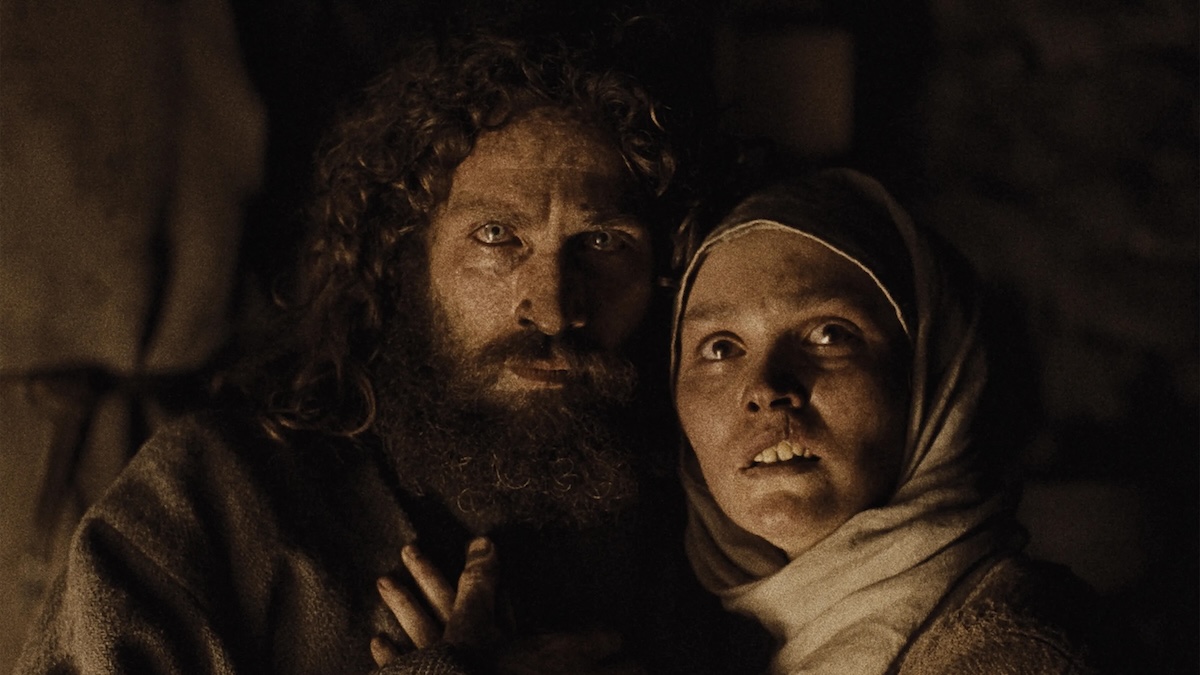
- The Second Trailer (September 2026): Released to high anticipation, the second trailer moved beyond atmosphere, offering narrative stakes. It showcased the rising tension among villagers and provided a more concrete look at the psychological toll taken on the protagonists, played by Taylor-Johnson and Depp.
- The Final Stretch (Late 2026): With the marketing campaign entering its final phase, the focus has shifted to the December 25th release, positioning the film as a dark counter-programming option for the holiday season.
Supporting Data and Creative Vision
The creative synergy between Robert Eggers and screenwriter Sjón cannot be overstated. Having previously collaborated on The Northman, the duo has developed a shorthand for blending historical research with the surrealist elements of folklore.
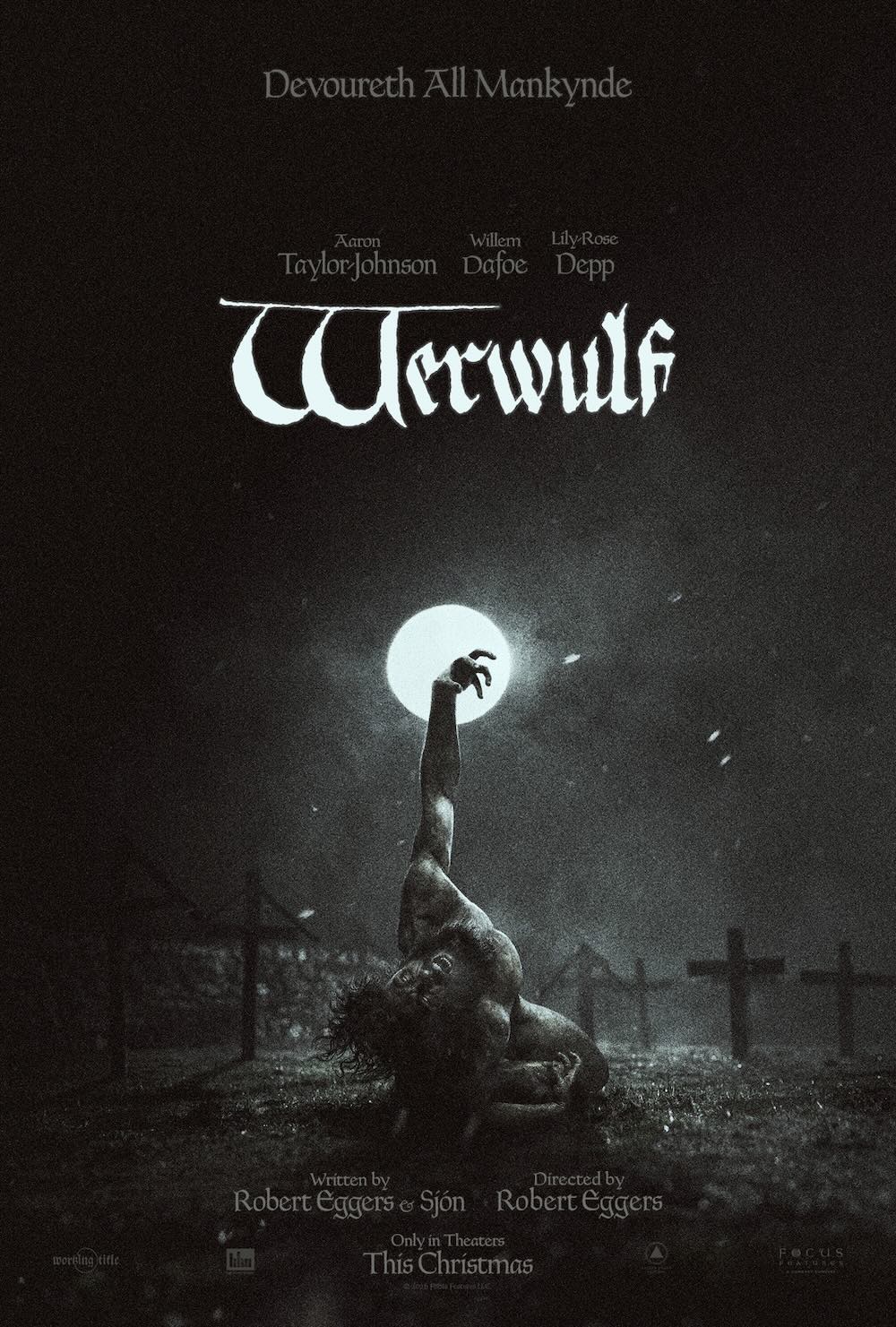
For Werwulf, the research reportedly involved extensive studies of medieval bestiaries and contemporary accounts of lycanthropy, or “werewolf trials,” which were prevalent in historical European superstition. The visual style of the film, as hinted at in the promotional posters and trailers, utilizes a muted color palette—blacks, deep grays, and forest browns—designed to evoke the sensory experience of a world without artificial light, where the only illumination comes from torches or the pale, sickly moon.
The casting of Aaron Taylor-Johnson represents a pivotal choice. Known for his ability to embody intense, internal suffering, Taylor-Johnson’s role appears to be the anchor of the film’s moral dilemma. Opposite him, Lily-Rose Depp serves as the perspective through which the audience experiences the crumbling social fabric of the village. The inclusion of Willem Dafoe adds a layer of gravitas, likely playing a character who acts as a bridge between the spiritual desperation of the villagers and the encroaching reality of the beast.
Official Responses and Industry Anticipation
The release of the second trailer has triggered a wave of discourse among film critics and genre enthusiasts. Focus Features, in their official synopses, have leaned heavily into the psychological and visceral aspects of the film, urging audiences to "not dread the darkness, but embrace it."
Early industry reactions have highlighted the film’s uncompromising commitment to its 13th-century setting. Unlike modern creature features that rely on jump scares or high-octane action, Werwulf is being positioned as a "slow-burn" descent into madness. Distributors are reportedly confident that the film’s pedigree—combined with the enduring popularity of “elevated horror”—will make it a standout success during the winter theatrical window.
On social media and across various film forums, the trailer’s visual composition has been lauded for its painterly aesthetic. Cinephiles are particularly focused on the practical makeup effects, with many speculating on how Eggers will handle the transformation sequences—a perennial hurdle for werewolf films that has historically ranged from the revolutionary (as in An American Werewolf in London) to the derivative.
Implications: A New Era for Folk Horror
The implications of Werwulf go beyond the success of a single film; it represents the potential peak of the current "folk horror" revival. By rooting a werewolf narrative in the genuine superstition and religious fervor of the 13th century, Eggers is effectively stripping the genre of its "pop-culture" baggage and returning it to its roots as a cautionary tale about the unknown.
If successful, Werwulf could set a new benchmark for how genre films utilize historical settings to explore contemporary anxieties. The film tackles themes of isolation, the fragility of community, and the fear of the "other"—themes that resonate just as strongly in the 21st century as they did in the Middle Ages.
Furthermore, the film’s release on December 25th is a bold strategic move. While the holiday season is traditionally dominated by family-friendly spectacles and awards-season dramas, a dark, cerebral horror film provides a stark, compelling alternative. It suggests that Focus Features has full confidence in the film’s ability to draw a dedicated audience seeking something more substantial and unsettling than traditional seasonal fare.
As we move toward the premiere, the conversation will undoubtedly shift toward the film’s potential for awards-season recognition in technical categories, particularly for cinematography and production design. For now, however, the audience is left with the haunting imagery of a fog-shrouded English countryside and the chilling promise that, in the world of Robert Eggers, the greatest monsters are those that dwell within the human heart.
The transformation is almost upon us. On December 25, 2026, audiences will finally be able to determine if the beast of the 13th century lives up to the formidable reputation of its creator. Until then, the trailers remain our only guides into the darkness.
