
Descent into Pandemonium: Mike Mignola and Cyrille Pomès Unearth New Horrors in Hellboy in Hell: Nothing But Blood
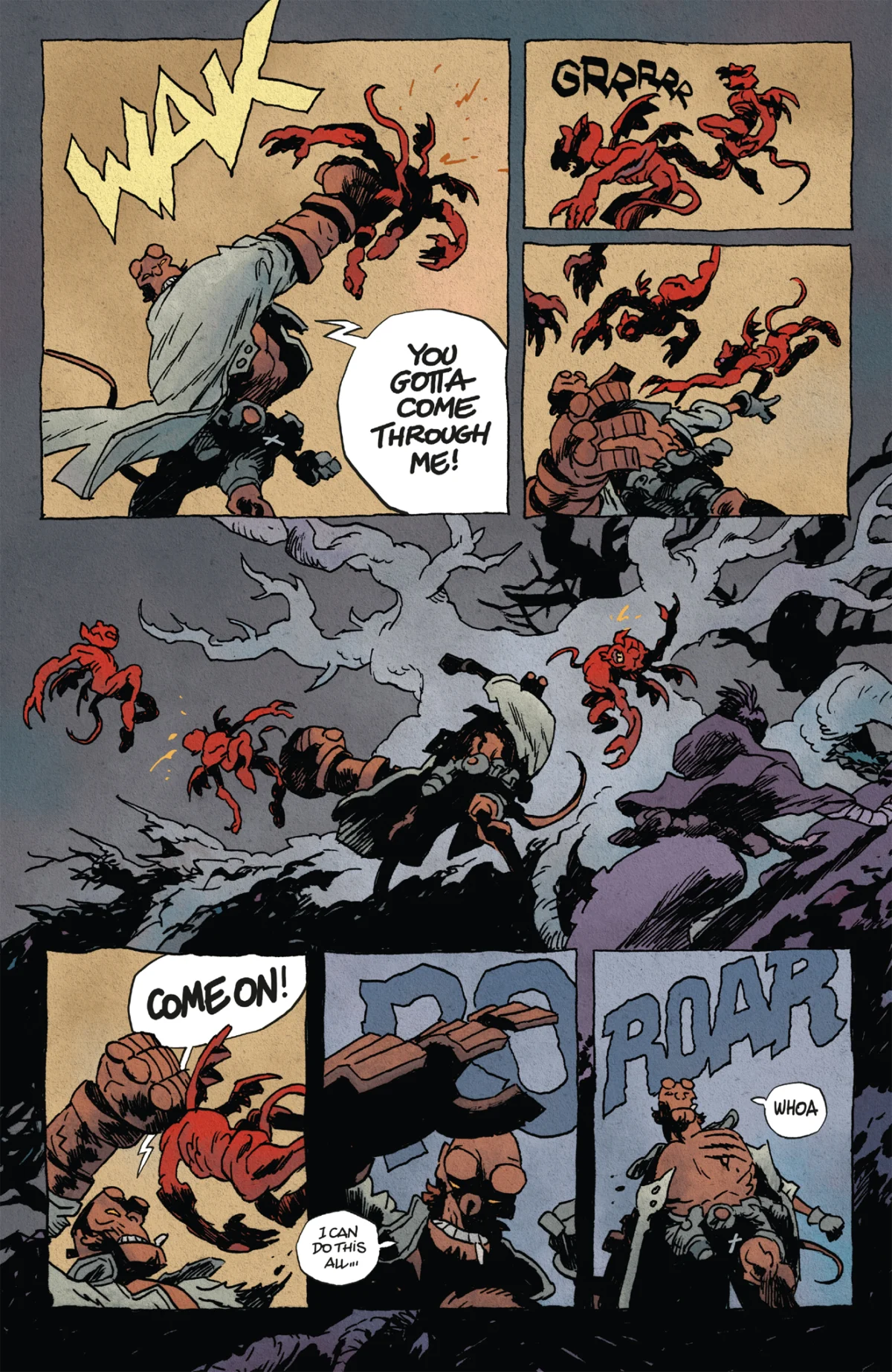
The red-skinned titan of the comic book world has returned to the realm where he once faced his ultimate destiny. Today marks the highly anticipated release of Hellboy in Hell: Nothing But Blood #1, a two-issue miniseries that sees legendary creator Mike Mignola revisiting the haunting, ash-strewn landscapes of the underworld. In this latest installment, Mignola joins forces with acclaimed artist Cyrille Pomès, marking the latter’s official debut within the storied Hellboy Universe. Together, they weave a narrative that balances visceral action with the existential, poetic dread that has defined the franchise for decades.
The Genesis of a New Underworld Tale
The Hellboy mythos has always thrived on the intersection of folklore, Lovecraftian horror, and the personal struggles of an anti-hero who is inherently tethered to the very darkness he fights against. Nothing But Blood picks up the narrative thread following the events of Hellboy in Hell #8, "The Hounds of Pluto."
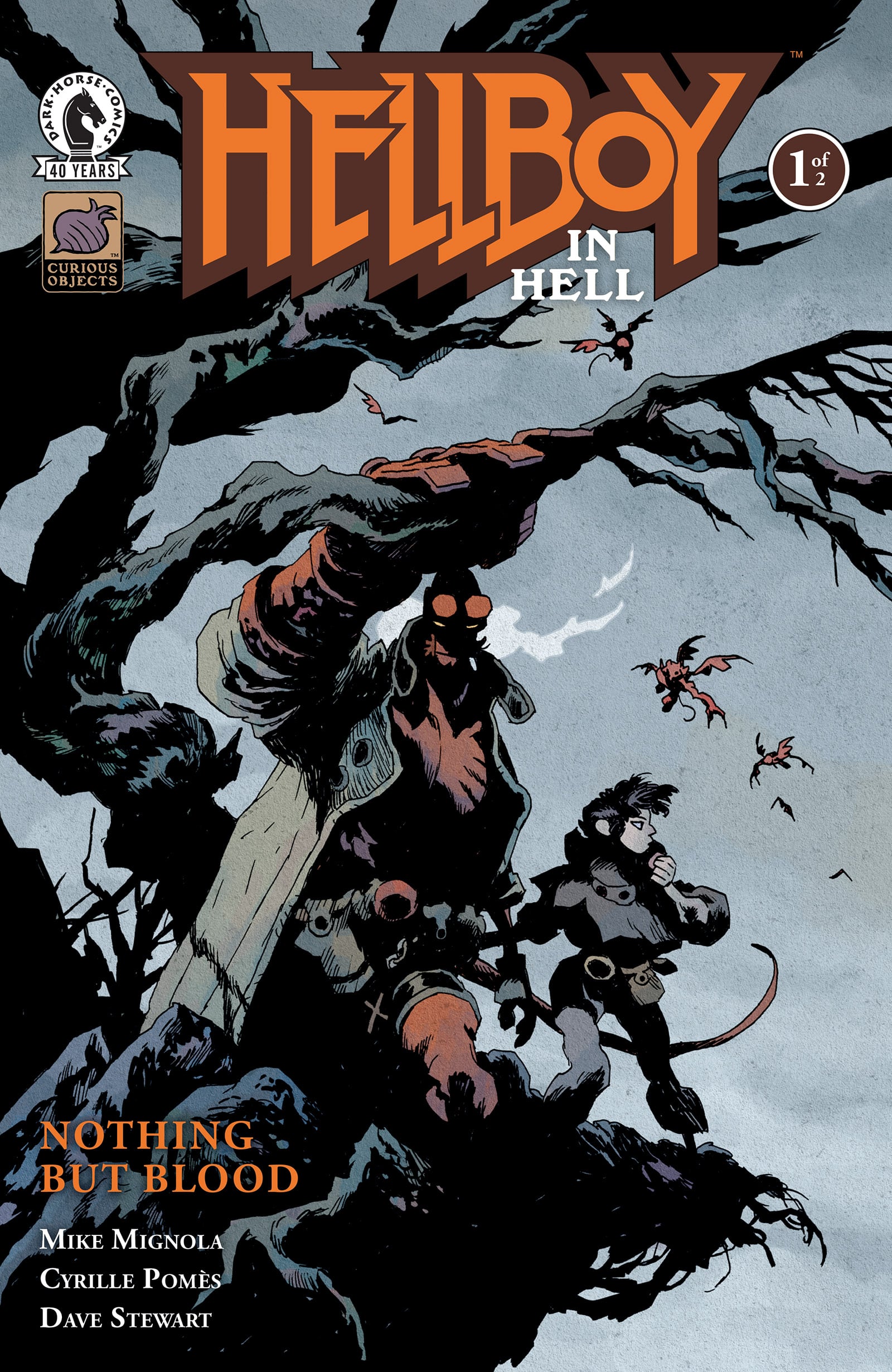
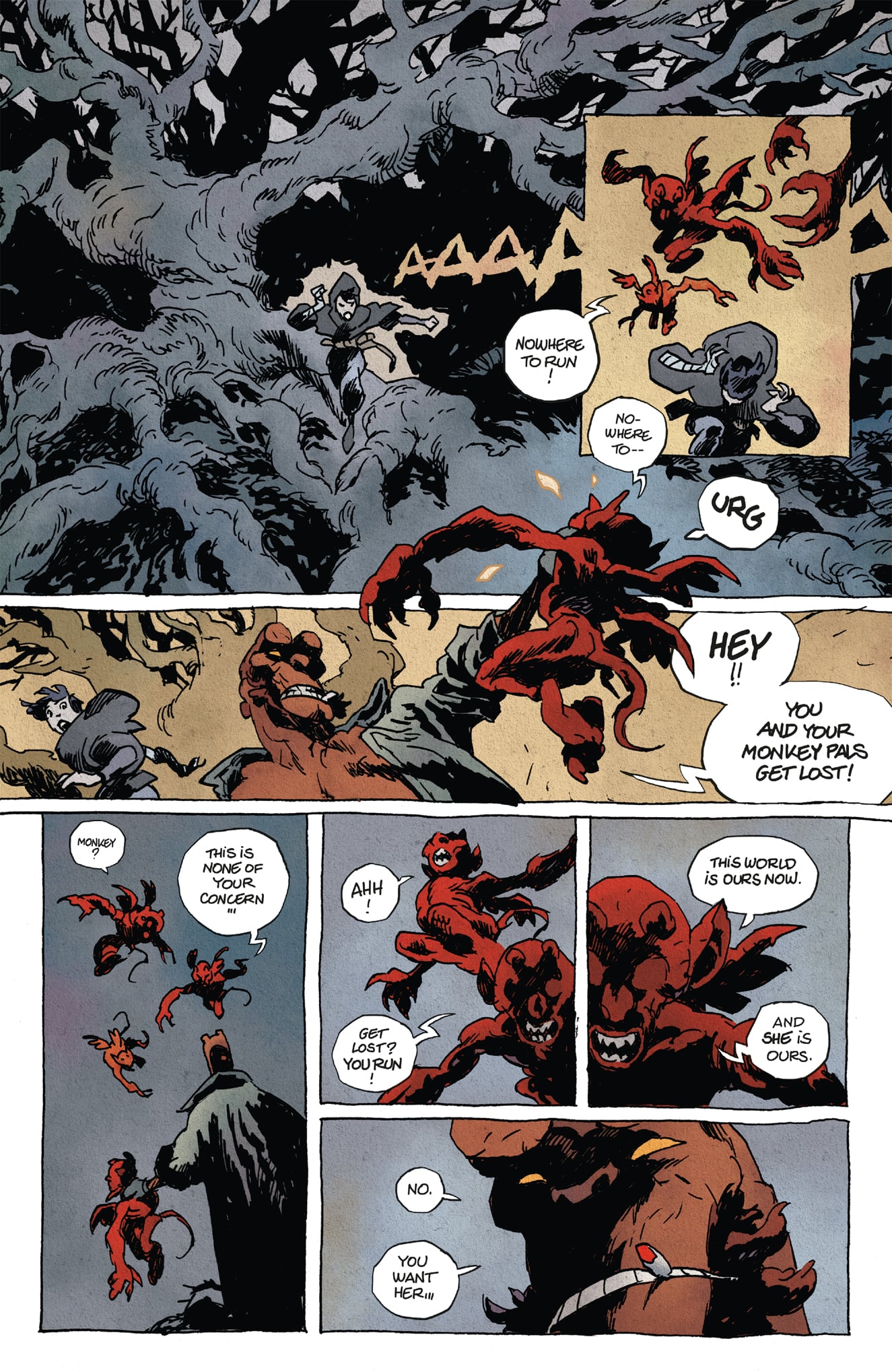
In this new miniseries, Hellboy finds himself caught in the middle of a violent, sprawling uprising within the depths of Hell. The inciting incident is as classic as it is compelling: Hellboy intervenes to protect a young woman being hunted by nightmarish, winged beasts. However, as is the hallmark of Mignola’s writing, the surface-level rescue is merely a gateway into a deeper, more complex mystery where nothing—and no one—is exactly what they appear to be.
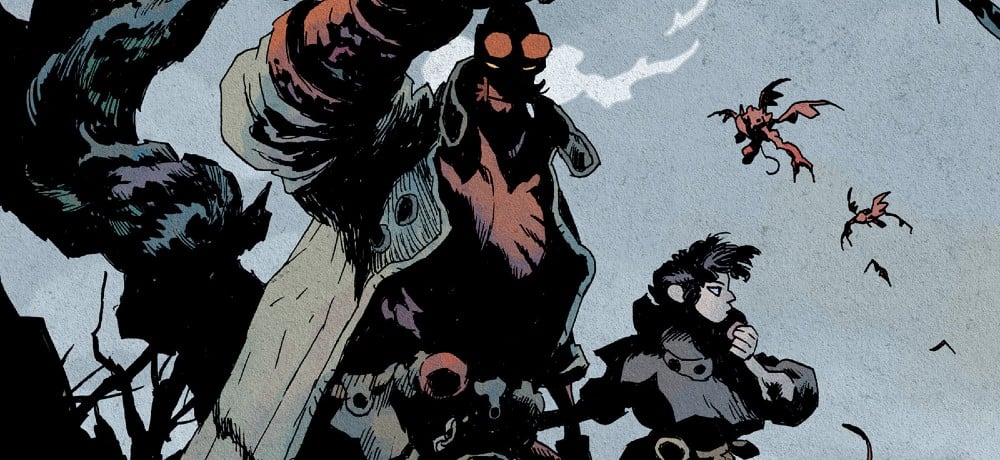
The project itself is the result of a serendipitous professional relationship. Cyrille Pomès, known for his evocative work on Moon and 6,000 Miles to Freedom, has long cited Mignola as a primary artistic influence. Their collaboration was not a matter of corporate assignment, but rather a direct result of mutual respect and personal initiative.
A Creative Odyssey: From Social Media to the Abyss
The story behind the collaboration between Mignola and Pomès reads like a testament to the power of artistic persistence. Their connection began on social media, where Mignola, a frequent observer of the international comic scene, began regularly engaging with Pomès’s work.
"I discovered Mike Mignola back then through his work at Marvel," Pomès reflected in an interview regarding the project’s development. "I was a teenager, and his unique, unsettling art style was a revelation. It was the same style I was thrilled to find again in Hellboy a few years later."
The professional bridge was built when the two finally met in person in Los Angeles. During a lunch meeting, Pomès did not hesitate to propose a partnership. As fate would have it, Mignola had the kernel of an idea—a script fragment for Nothing But Blood—already sitting in a drawer. The spontaneity of the project was immediate; Mignola decided it was the perfect time to dust off the concept and hand it over to a collaborator who understood the visual language of his dark, infernal world.
The Artistic Process: Crafting the Aesthetic of Damnation
One of the defining aspects of the Hellboy Universe is its visual identity—a specific blend of sharp, angular silhouettes and mood-heavy color palettes. Maintaining this continuity while allowing for personal expression was a central challenge for Pomès.
The production team was rounded out by the legendary colorist Dave Stewart and letterer Clem Robins. According to Pomès, the collaboration was marked by a surprising amount of creative agency. "Mike gave me a huge amount of freedom in staging the two issues," Pomès explained. "He even gave me a hand in writing the second one, which allowed for a more organic development of the story’s pacing."
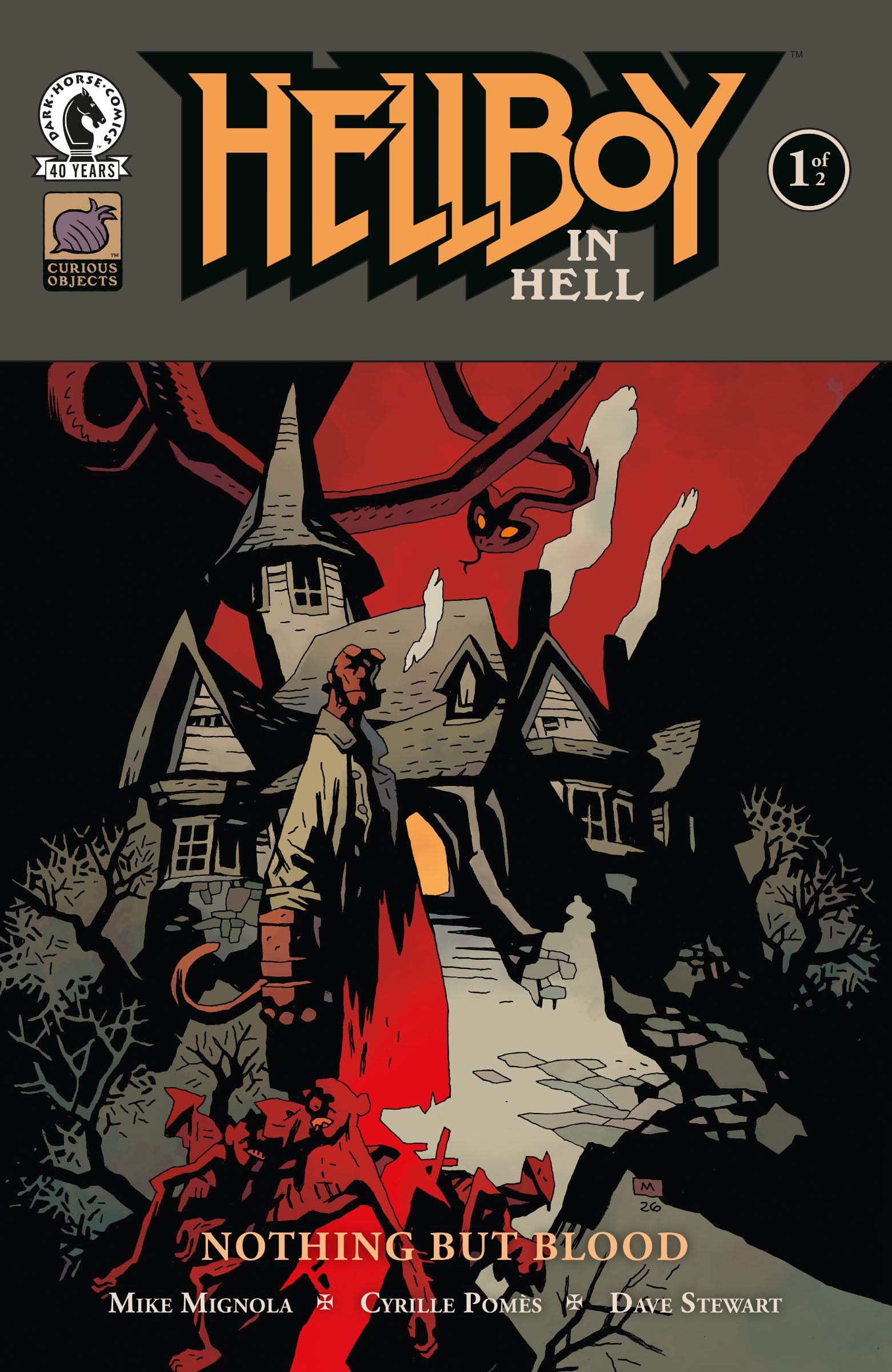
For his part, Dave Stewart—a long-time collaborator of Mignola—was instrumental in anchoring the visual tone. Stewart’s work on Nothing But Blood leans heavily into the signature ash-gray skies and deep, bruising color schemes that defined the original Hellboy in Hell series. The synergy between Pomès’s line work and Stewart’s atmospheric coloring provides the book with a sense of place that feels both familiar to longtime readers and refreshingly claustrophobic.
Chronology and Context: Where Does Nothing But Blood Fit?
To understand the stakes of this two-issue event, one must look at the chronology of the character’s post-death journey. Hellboy, having sacrificed his life in the mortal realm, spent his time in the underworld navigating the ruins of his father’s kingdom.
- The Foundation: Hellboy in Hell concluded its main run with "The Hounds of Pluto," leaving the character in a state of purgatorial wandering.
- The Current Conflict: Nothing But Blood introduces a localized but intense insurrection. A power vacuum in the underworld has led to a demonic uprising, forcing Hellboy into a conflict that is less about his lineage and more about the preservation of the few souls or innocents who remain in the abyss.
- The Scope: The miniseries is contained within two issues, ensuring a tight, high-stakes narrative that avoids the "padding" common in longer arcs.
Exploring the Horror: Themes and Visuals
When asked about his favorite moments in the first issue, Pomès pointed to the very first panel, which he felt carried a significant emotional weight. In a departure from the strict script, Pomès introduced a gaunt, emaciated doe into the opening scene—a symbol of purity lost in a land of torment. "That first panel was taking a bit of a risk with Mike, since that doe didn’t appear in his script," Pomès admitted. "He approved it with the kindness that characterizes him."
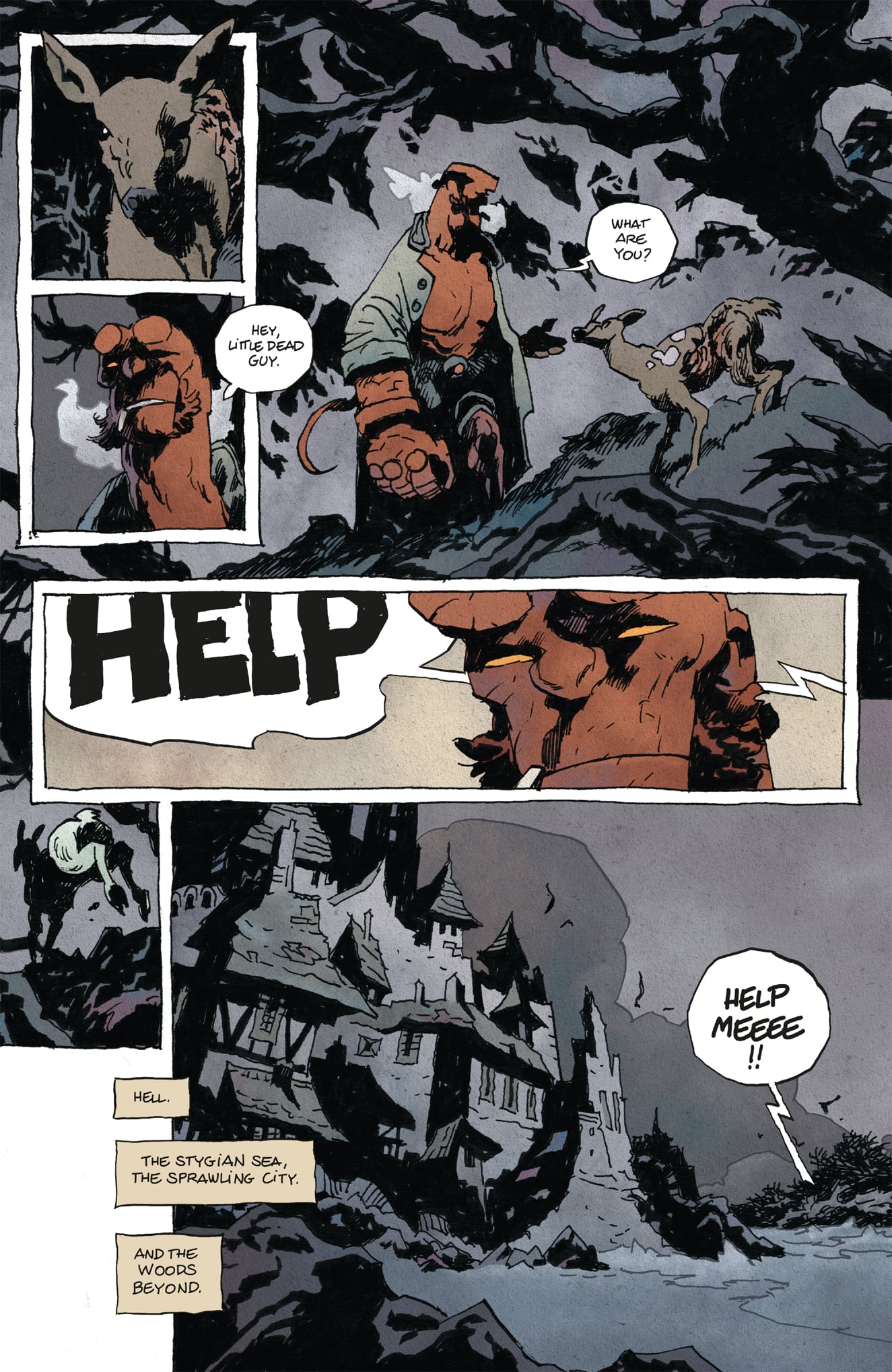
The action sequences in Nothing But Blood represent a core pillar of the series. Pomès spent significant time choreographing battles between Hellboy and the monstrous entities of the underworld. Yet, the artist emphasizes that the most rewarding aspect of the work was the quieter, contemplative moments. Drawing Hellboy as he wanders through desolate, monolithic landscapes allowed Pomès to experiment with the character’s physicality, highlighting his power not just through combat, but through his imposing, melancholic presence.
Implications for the Hellboy Universe
Nothing But Blood serves as a bridge between the classic Mignola-illustrated era and the broader "Hellboy Universe" that continues to expand through various spin-offs and collaborations. By bringing in a talent like Cyrille Pomès, Mignola continues a tradition of curating a diverse array of artists who can interpret his world through different lenses while strictly adhering to the "Mignolaverse" aesthetic.
The implications for the character are significant. By revisiting the underworld, the story serves as a reminder that Hellboy’s journey is never truly over. Even in the afterlife, he remains a magnet for conflict and a reluctant savior for those who find themselves in the darkest corners of existence.
Official Response and Critical Reception
Early buzz surrounding the release has been largely positive, with fans praising the return to the haunting, surrealist style of the original Hellboy in Hell run. Critics have noted that Pomès’s linework feels like a natural evolution of Mignola’s own, possessing that signature "heavy" quality that makes every punch, fall, or glance feel like it has the weight of history behind it.
The inclusion of multiple variant covers—showcasing different interpretations of the hellish landscape—has further generated excitement among collectors. The covers highlight the diversity of the aesthetic, from the stark, high-contrast imagery to the more lush, painterly approaches allowed by the coloring team.
A Legacy of Darkness and Light
As Hellboy in Hell: Nothing But Blood #1 arrives in comic shops worldwide, it reinforces the enduring appeal of Mike Mignola’s creation. The ability of this franchise to reinvent itself while remaining tethered to its core themes of sacrifice, destiny, and the inevitability of the past is what keeps it at the forefront of the independent comic industry.
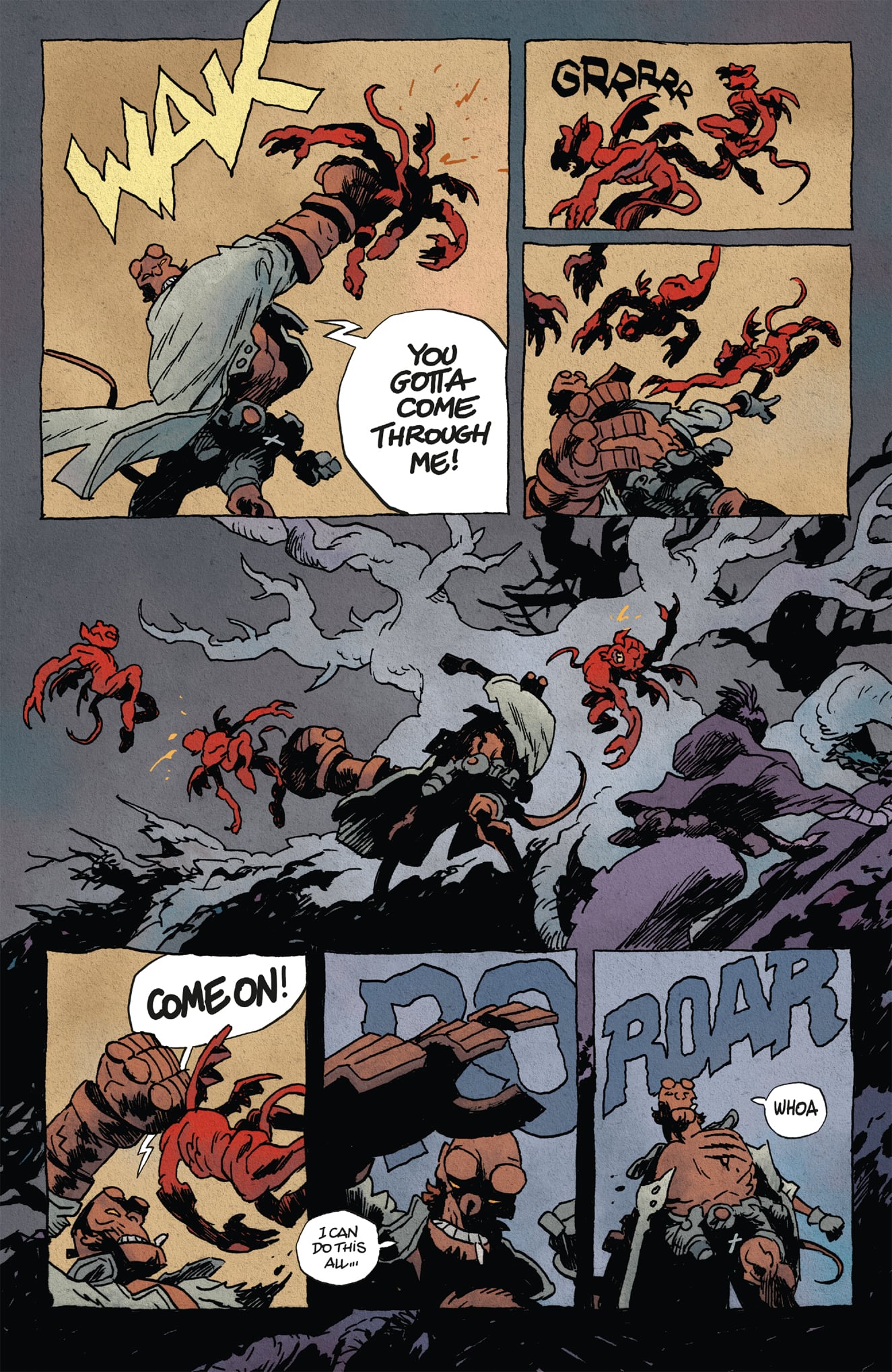
For readers, the two-issue event promises to be a masterclass in atmosphere. It is a story that does not just present action, but invites the reader to sit with the loneliness and the terror of a demon who has seen the end of the world and is still walking. Whether this marks a temporary return to the underworld or the beginning of a new, darker chapter for the character, one thing is certain: in the world of Hellboy, the blood is only the beginning of the story.
The first issue is currently available at comic retailers and digital platforms. The conclusion of the two-part event is expected to arrive in the coming weeks, promising a resolution that will, as Pomès teased, explore "a place and an era never before seen for the red demon." For those who have followed Hellboy since his debut in 1993, this new miniseries is an essential piece of the puzzle, a haunting reminder that in the Mignolaverse, the most interesting battles are the ones fought in the deepest, darkest corners of the soul.
