
The Cinematic Evolution of Cixin Liu’s Universe: Inside Netflix’s 3 Body Problem and Zhang Yimou’s Upcoming Film Adaptation
By Makuochi Echebiri
Published October 7, 2026
Main Facts
The landscape of modern prestige science fiction is defined by grand scale, philosophical depth, and visual ambition. While streaming services like Apple TV+ have continuously captured audiences with dystopian thrillers such as Silo, the crown for the most mind-bending, universe-spanning narrative complexity undeniably belongs to Netflix’s 3 Body Problem.
Adapted from Chinese author Cixin Liu’s internationally acclaimed trilogy, Remembrance of Earth’s Past, Netflix’s television adaptation has cemented its place as a cornerstone of contemporary sci-fi television. Following a triumphant debut in 2024 that dominated global streaming charts, Netflix greenlit a multi-season continuation, confirming that showrunners David Benioff, D.B. Weiss, and Alexander Woo will return to guide the sprawling narrative toward its ultimate conclusion.
However, Netflix holds a monopoly on only one corner of Cixin Liu’s literary empire. At the opening ceremony of the Busan International Film Festival, acclaimed Chinese filmmaker Zhang Yimou provided a rare and highly anticipated update on his own feature-film adaptation of The Three-Body Problem. Despite initial announcements surfacing at the Shanghai Film Festival in 2024, production details have remained scarce. Zhang’s latest statements confirm that the cinematic adaptation is progressing steadily, driven by meticulous script development designed to tackle one of modern literature’s most unadaptable properties.
Chronology of Events
The journey of The Three-Body Problem from page to screen is a multi-decade saga marked by ambition, geopolitical shifts, and creative breakthroughs.
- 2006–2010: Cixin Liu publishes his groundbreaking trilogy—beginning with The Three-Body Problem (2006), followed by The Dark Forest (2008), and concluding with Death’s End (2010). The series captures the imagination of readers worldwide, eventually winning the prestigious Hugo Award in 2015.
- Early 2020s: Plans for various cinematic and television iterations circulate within the Chinese entertainment industry, including an unreleased film adaptation attempted by YooZoo Pictures.
- March 2024: Netflix premieres its high-budget, English-language television adaptation spearheaded by Game of Thrones creators David Benioff and D.B. Weiss alongside Alexander Woo. The series introduces global audiences to the "Oxford Five" and the existential threat posed by the San Ti.
- June 2024: During the Shanghai Film Festival, celebrated director Zhang Yimou formally announces his intention to helm a feature film adaptation of The Three-Body Problem, sending waves through the global film community.
- October 2026: Speaking as the festival president at the Busan International Film Festival, Zhang Yimou breaks his silence on the project, addressing the extensive developmental hurdles and the influence of modern technological shifts on the film’s production. Concurrently, Netflix prepares its upcoming seasons for the television adaptation.
Supporting Data and Production Details
The sheer scope of Cixin Liu’s source material requires immense technical and creative resources, separating the television format from the feature-film approach.
Netflix’s Television Framework
- Showrunners: David Benioff, D.B. Weiss, and Alexander Woo.
- The "Oxford Five" Cast: Jovan Adepo (Saul Durand), John Bradley (Jack Rooney), Jess Hong (Jin Cheng), Eiza González (Auggie Salazar), and Alex Sharp (Will Downing).
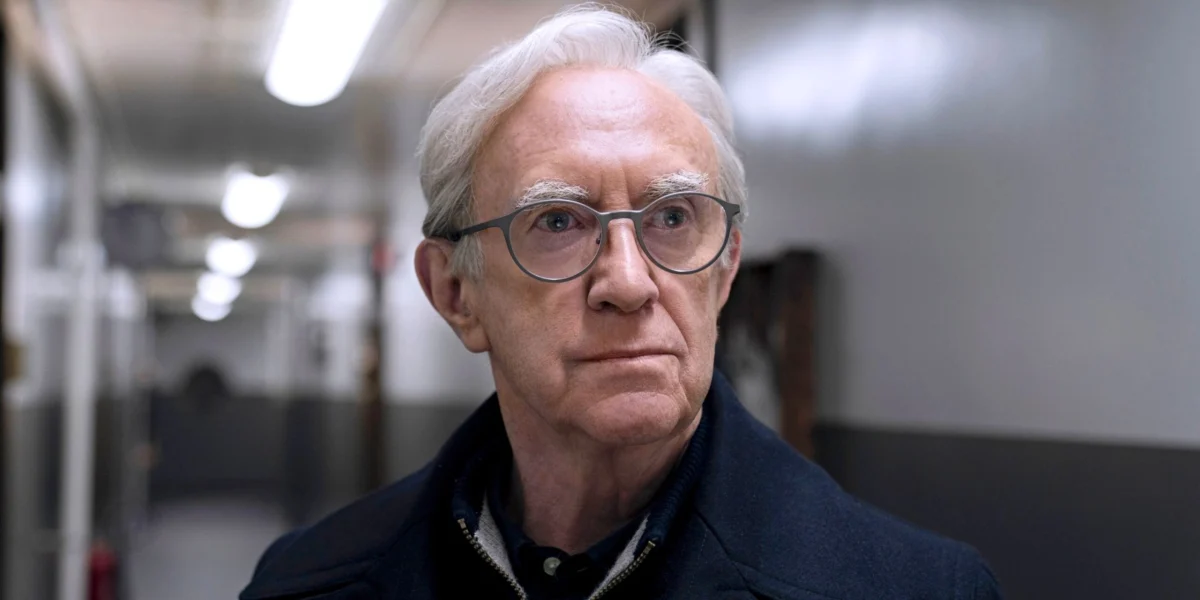
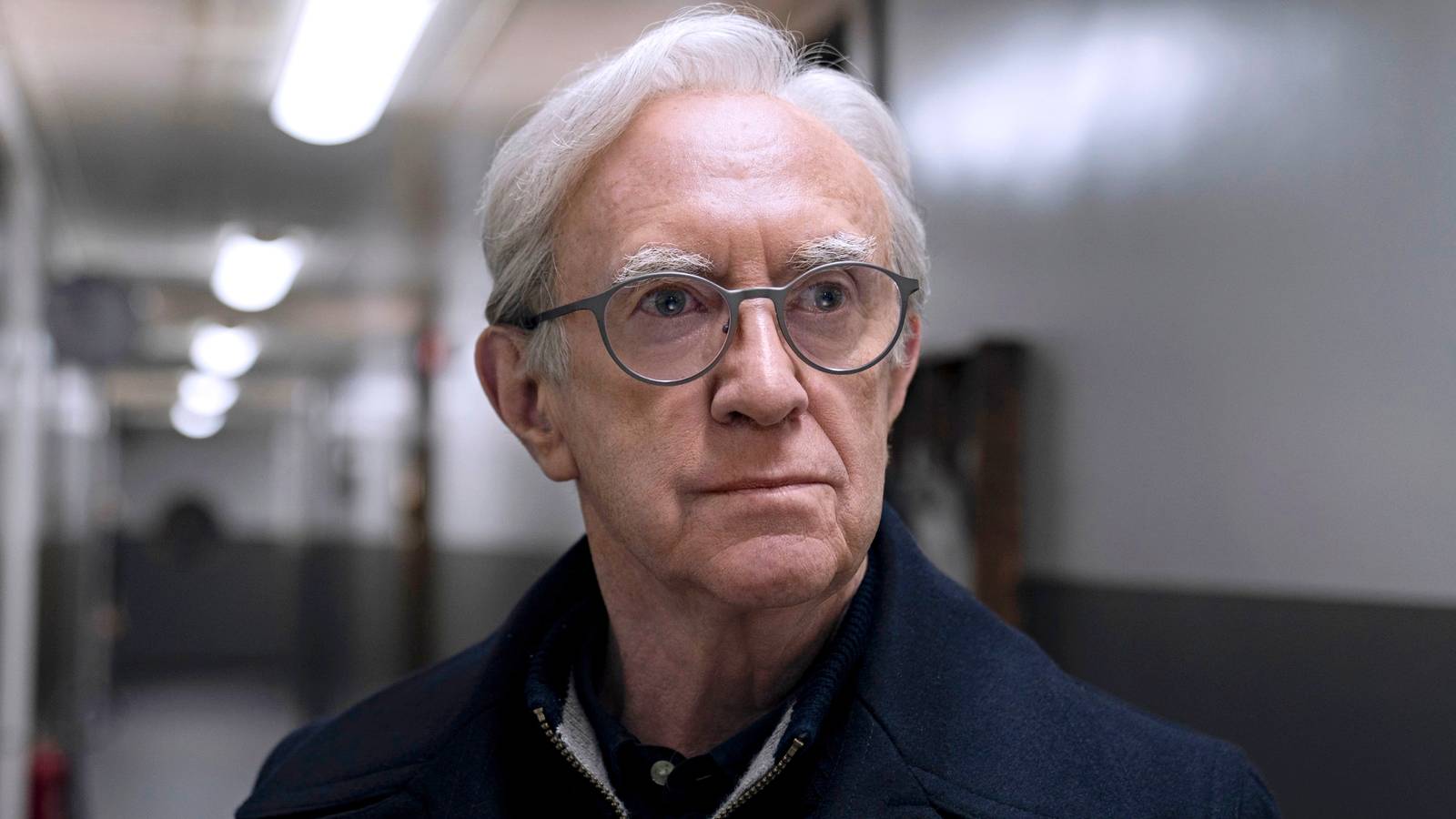
- Supporting Ensemble: Rosalind Chao, Liam Cunningham, Marlo Kelly, Sea Shimooka, Saamer Usmani, Benedict Wong, and Jonathan Pryce.
- Directorial Team (Season 1): Minkie Spiro, Jeremy Podeswa, Derek Tsang Kwok-Cheung, and Andrew Stanton.
- Core Narrative Arc: Season 1 deliberately "eased" audiences into the complex mechanics of alien contact with the San Ti, while subsequent seasons promise to escalate into the wilder, more cosmic realities of the trilogy’s later books.
Zhang Yimou’s Cinematic Vision
- Director: Zhang Yimou (noted for The Great Wall, Hero, and Shadow).
- Development Phase: Script refinement has taken multiple years due to the inherent difficulty of translating Liu’s dense quantum physics and cosmological concepts into a cinematic visual medium.
- Release Date: Currently unannounced, signaling a patient, quality-first production pipeline.
Official Responses and Creative Insights
Adapting a literary monument like Remembrance of Earth’s Past comes with immense pressure. Creators across both adaptations have openly discussed the daunting nature of Cixin Liu’s universe.
On stage at the Busan Cinema Center, Zhang Yimou offered a candid assessment of the project’s development timeline:

“The Three-Body Problem is a great work of science fiction, but it’s hard to photograph, so we spent several years polishing the script. In this era of AI, with its democratization of images, audience expectation is extremely high so we hope to live up to their expectations and make a good movie.”
Zhang’s acknowledgment of the "democratization of images" in the age of artificial intelligence highlights a modern anxiety for prestige filmmakers: how to deliver visual spectacles that feel genuinely novel to an audience oversaturated with CGI and synthetic media.
Similarly, the Netflix showrunning trio of Benioff, Weiss, and Woo have frequently emphasized the balancing act required to adapt the books. Reflecting on their structural choices, the creators noted that while the first season served as an introduction to the impending interstellar crisis, the upcoming sophomore season is engineered to venture into the untamed, paradigm-shifting territory that defines the core of Liu’s second and third novels.
Implications for the Sci-Fi Genre
The simultaneous expansion of The Three-Body Problem across episodic television and cinematic film marks a watershed moment for international intellectual property. For decades, Western science fiction franchises—predominantly American properties like Star Trek and Star Wars—dominated global pop culture. The rise of Cixin Liu’s universe signals a fundamental decentralization of sci-fi storytelling, proving that concepts rooted in Eastern philosophy, historical trauma, and hard astrophysics can achieve universal resonance.
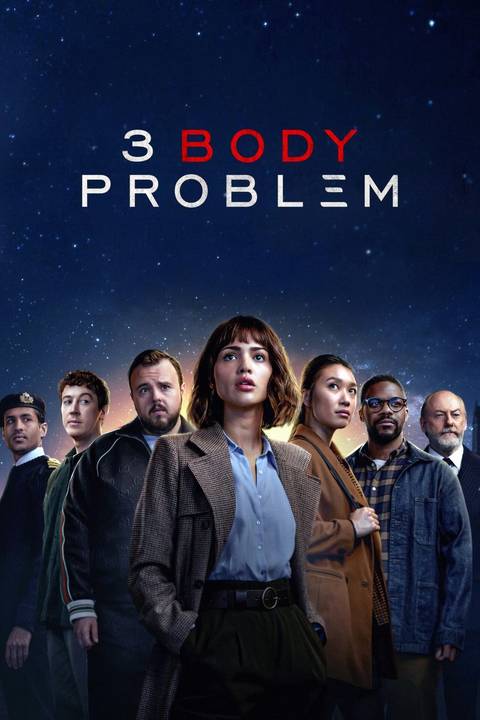
Furthermore, the contrasting approaches of Netflix’s serialized television and Zhang Yimou’s feature film underscore two distinct futures for the genre. Television allows for deep character dives, multi-season pacing, and slow-burn existential dread, as seen through the interpersonal dynamics of the Oxford Five. Conversely, Zhang’s cinematic endeavor promises condensed, high-impact visual poetry, aiming to capture the sublime terror of the cosmos within the strict runtime of a feature film.
As Netflix gears up for its narrative climax and Zhang Yimou fine-tunes his cinematic vision, fans of speculative fiction find themselves in a golden era. Whether experiencing the slow collapse of human certainty through episodic television or witnessing the majesty of cosmological war on the big screen, Cixin Liu’s universe continues to redefine the boundaries of imagination.
Stay tuned to Collider for further updates on the release of Zhang Yimou’s film adaptation and the continuing saga of Netflix’s 3 Body Problem.
