
Beyond the Screenplay: Evaluating Ben Affleck’s Directorial Evolution from Boston Roots to Hollywood’s A-List
Main Facts
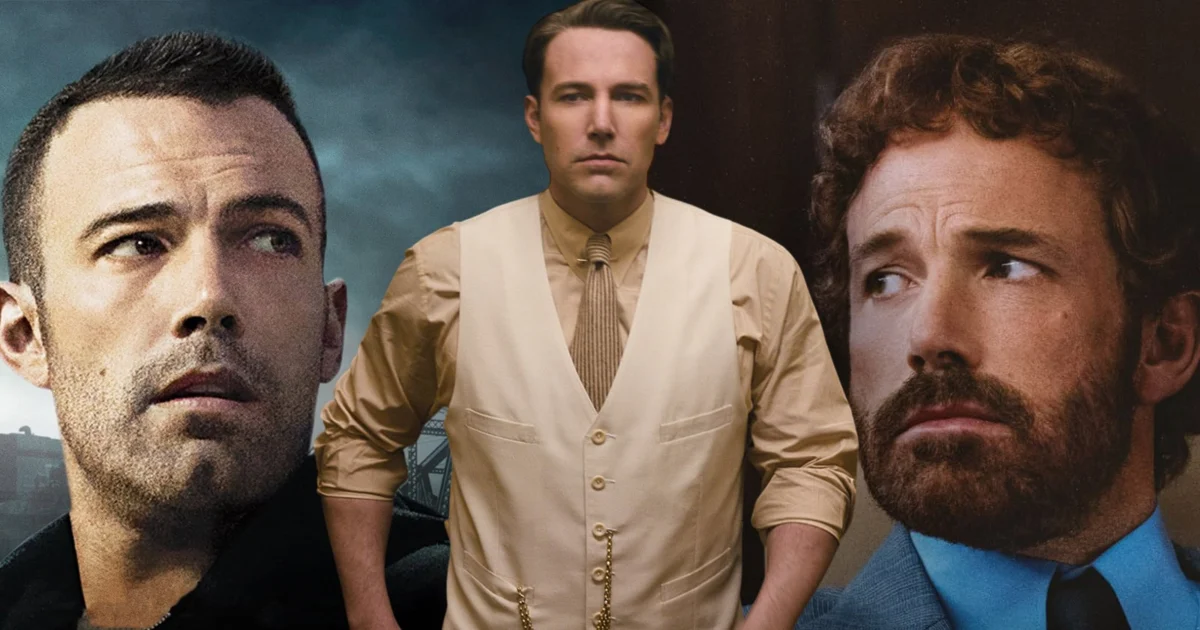
As Ben Affleck returns to the director’s chair for the Netflix crime thriller Animals, film critics and industry analysts are reassessing his dual identity as both a leading man and a formidable cinematic auteur. From his breakthrough co-writing Oscar for Good Will Hunting alongside lifelong friend Matt Damon to managing billion-dollar blockbusters and independent dramas alike, Affleck’s trajectory has been one of Hollywood’s most compelling career evolutions.
While his acting career has often been the subject of tabloid fodder and shifting critical consensus, his work behind the camera has established him as a serious, classic-style storyteller. Over nearly two decades, Affleck has directed five feature films, spanning gritty Boston crime melodramas, high-tension political thrillers, and corporate biographical dramas. To mark the release of Animals, critic Casey Chong has broken down Affleck’s complete directorial output, ranking his features from worst to best to understand how a nineties matinee idol transformed into one of modern Hollywood’s most reliable directors.
Chronology: The Directorial Timeline of Ben Affleck
Affleck’s journey behind the camera did not begin until a decade after he achieved global superstardom. His evolution as a director can be traced across five distinct projects, showcasing his shifting scope, thematic interests, and stylistic development.

5. Live by Night (2017)
Affleck’s adaptation of Dennis Lehane’s 2012 novel was poised to be his grand, sweeping masterpiece following the monumental success of Argo. Set in the 1920s and 30s, the film follows Joe Coughlin (played by Affleck), a World War I veteran turned outlaw who descends into the criminal underworld. The sprawling narrative takes viewers from Boston to the rum-running operations of Tampa, featuring complex conflicts with the Italian mob, Irish mobsters, and the Ku Klux Klan.
Despite strong period details—evidenced in immersive set designs and intense action sequences like the opening getaway and hotel shootout—Live by Night is widely considered Affleck’s sole major directorial misfire. The storytelling is bogged down by heavy, monotonous voiceover narration, and Affleck’s own stiff, weary performance as Coughlin fails to ground the narrative. While it successfully highlights supporting actors like Brendan Gleeson and Chris Messina, the film ultimately suffered from rushed plot threads and overstuffed pacing.
4. Air (2023)
Marking a radical departure from the gritty violence of his earlier filmography, Air tackled the true story behind the creation of Nike’s Air Jordan sneaker line. Working from Alex Convery’s screenplay, Affleck transformed what could have been a dry corporate drama into a fast-paced, high-stakes conversational thriller.
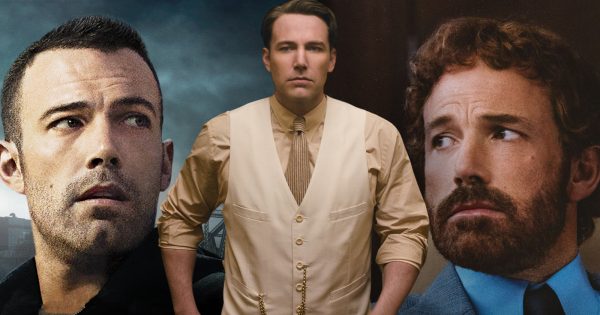
Set entirely within the boardrooms and telephone wires of corporate America, the film shines through sharp, witty dialogue and an infectious 1980s soundtrack featuring Bruce Springsteen, Dire Straits, and REO Speedwagon. In a deliberate and praised creative choice, Affleck chose to keep Damian Young’s portrayal of Michael Jordan unobtrusive, focusing instead on the corporate maneuvering and the pioneering vision of Nike executive Sonny Vaccaro and Deloris Jordan.
3. The Town (2010)
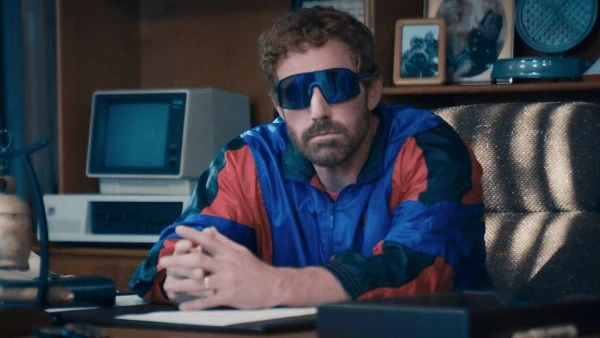
Following his acclaimed debut, Affleck proved that his early success was no fluke with The Town. Set in Charlestown—a Boston neighborhood historically renowned for bank and armored car robberies—the film explores the conflicts of career criminal Doug MacRay (Affleck) and his volatile crew, notably Jeremy Renner’s unforgettable, Oscar-nominated turn as Jem.
Balancing a high-octane heist procedural with a taut cat-and-mouse game against FBI Agent Adam Frawley (Jon Hamm) and a romance with a bank manager (Rebecca Hall), Affleck demonstrated a mastery of practical action. The claustrophobic alleyway chase and the climactic Fenway Park shootout solidified his affinity for gritty, 1970s-style crime cinema.

2. Argo (2012)
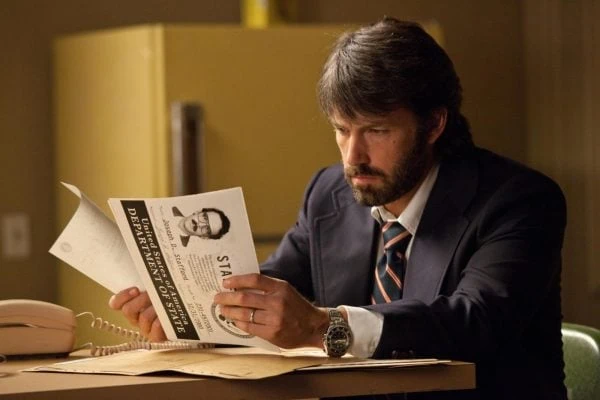
Culminating in a Best Picture Academy Award victory, Argo remains one of the most astonishing true-story adaptations in modern cinema. Chronicling the 1979 Iranian hostage crisis, the film follows CIA exfiltration expert Tony Mendez (Affleck) as he devises a bizarre plan to rescue six trapped American diplomats by faking a Hollywood sci-fi film production.
Affleck expertly juggles two distinct tones. The first half leans into satirical comedy as Mendez recruits cynical Hollywood insiders (played with deadpan brilliance by John Goodman and Alan Arkin), while the second half transforms into a nail-biting, ticking-clock thriller during the final airport sequence. Despite the film’s massive critical and commercial success, Affleck’s infamous omission from the Best Director Oscar nominations remains one of the Academy’s most baffling snubs.
1. Gone Baby Gone (2007)
Affleck’s feature-length directorial debut remains his finest achievement. Eschewing the leading role for himself, he cast his younger brother, Casey Affleck, as Boston private investigator Patrick Kenzie, alongside Michelle Monaghan, to investigate the kidnapping of a young girl.
Running at a tight two-hour runtime, the film evolves from a missing-person procedural into a sprawling moral maze that forces characters to grapple with agonizing ethical dilemmas. Shot entirely on location in Dorchester, Boston, the film possesses a lived-in, working-class authenticity. Supported by Amy Ryan’s scene-stealing, Oscar-nominated performance as the child’s drug-addicted mother, Gone Baby Gone announced Affleck not merely as an ambitious actor-turned-director, but as an immediate cinematic voice.
Supporting Data and Critical Consensus
An analysis of Ben Affleck’s box office returns and critical aggregation scores illustrates his steady footing as a commercial and artistic force:
-
Critical Reception (Rotten Tomatoes / Metacritic):
- Gone Baby Gone (2007): ~94% approval, establishing immediate critical validation.
- The Town (2010): ~92% approval, proving broad commercial and critical appeal.
- Argo (2012): ~96% approval, culminating in widespread awards-season dominance.
- Air (2023): ~93% approval, signaling a successful pivot into mainstream adult drama.
- Live by Night (2017): ~34% approval, representing his sole critical and commercial stumble.
-
Box Office Impact: Across his directorial filmography, Affleck has demonstrated an ability to turn mid-budget adult dramas into profitable ventures. Argo grossed over $232 million worldwide against a $44 million budget, while The Town pulled in more than $154 million globally.
Official Responses and Industry Reactions
Affleck has frequently spoken about his transition from acting to directing, noting the immense pressure of stepping behind the camera after years of high-profile media scrutiny. In past interviews regarding his directorial philosophy, Affleck has credited cinematic legends like Clint Eastwood and David Fincher as primary influences, emphasizing the importance of letting actors inhabit spaces naturally rather than micromanaging performances.
Regarding his Oscar snub for Argo, industry peers expressed widespread disbelief at the time, viewing it as a systemic bias against stars who attempt to cross over into traditional auteur roles. Yet, rather than letting the setback deter him, Affleck leaned further into his craft, utilizing his production company, Artists Equity (co-founded with Matt Damon), to maintain creative control over projects like Air and his latest release, Animals.
Implications: The Future of Affleck’s Directorial Career
As Animals enters the cultural conversation, Affleck’s legacy as a filmmaker is secure. He occupies a rare space in contemporary Hollywood: a mainstream movie star who understands the language of mid-budget adult storytelling—a genre that major studios have largely abandoned in favor of intellectual property blockbusters.
By blending the gritty regional realism of his Boston origins with the polished mechanics of classical Hollywood thrillers, Affleck has proven that his longevity in the film industry extends far beyond the red carpets and tabloids. Whether through corporate boardrooms or dark urban alleys, his camera continues to find the complex human anxieties hidden beneath the surface of American life.
