
The Sibling Showdown: How Audrey Hobert and Malcolm Todd Could Rewrite Grammy History
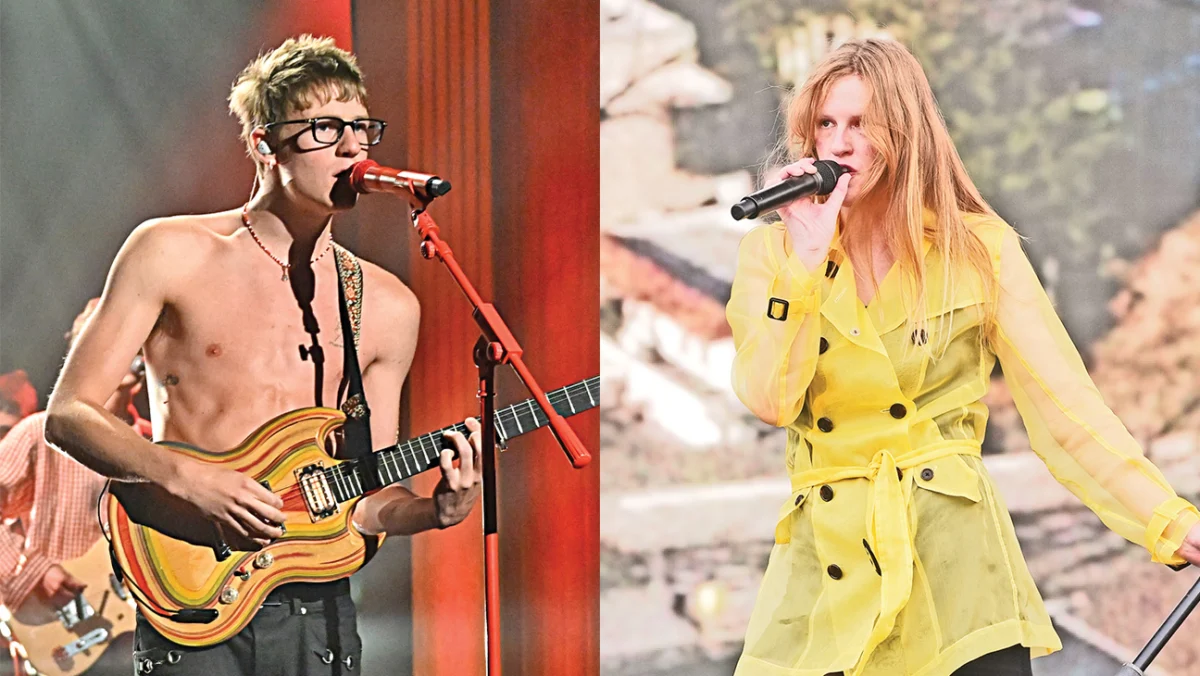
The landscape of modern pop music is often defined by singular meteoric rises, but the 2027 Grammy Awards cycle is shaping up to be a family affair. As the Recording Academy begins the arduous process of narrowing down candidates for the prestigious Best New Artist category, all eyes are turning toward a pair of Pacific Palisades-raised siblings: Audrey Hobert and Malcolm Todd.
While the category has historically served as a launchpad for the industry’s brightest breakout stars, the 2027 race offers a unique narrative twist. Should both Hobert and Todd secure nominations, they would become the first siblings in the history of the Grammy Awards to compete directly against one another for the coveted golden gramophone. It is a milestone that transcends simple chart performance, touching on the nature of creative lineage and the changing face of pop stardom in the digital age.
The Parallel Ascent: A Tale of Two Careers
Though they share a childhood home and an industry pedigree—their father is the prolific television writer and producer Tim Hobert—Audrey and Malcolm have cultivated distinct musical identities on remarkably parallel tracks.
Malcolm Todd, the younger of the pair at 23, made his professional mark first. Securing a deal with Columbia Records in 2023, he began building a reputation as a genre-fluid songwriter with an uncanny ability to craft infectious, low-fidelity-inflected pop anthems. His early output demonstrated a maturity beyond his years, establishing a foundation that allowed him to pivot quickly once he gained traction in the streaming ecosystem.
Conversely, 27-year-old Audrey Hobert took a more collaborative route toward the spotlight. Her breakthrough came through the lens of close friendship, as she aligned herself with rising superstar Gracie Abrams. Their creative partnership became a cornerstone of Abrams’ critically acclaimed 2024-2025 cycle, with Hobert earning songwriting credits on several tracks for the hit album The Secret of Us. This behind-the-scenes tenure proved to be a masterclass in the mechanics of the music industry, providing Hobert with the leverage she needed to sign a major record deal with RCA in 2025.
Despite being signed to different labels, both artists fall under the expansive Sony Music umbrella, creating a fascinating corporate symmetry to their rise. Their paths have converged in 2025 and 2026, as both artists successfully transitioned from promising prospects to bona fide chart contenders.
Chronology of a Breakthrough
The momentum behind Hobert and Todd is not a matter of sudden luck, but rather the result of sustained, high-intensity digital and physical engagement.
- 2023: Malcolm Todd signs with Columbia Records; Audrey Hobert begins her intensive songwriting collaboration with Gracie Abrams.
- 2024: Todd releases "Earring," a track that begins a slow-burn ascent on streaming platforms, eventually capturing the attention of the TikTok algorithm.
- 2025: Audrey Hobert signs with RCA Records. She releases her breakthrough single, "Sue Me," which initially gains moderate traction before a viral resurgence in late summer.
- August 2025: "Sue Me" makes its debut on the Billboard Hot 100, bolstered by Hobert’s high-energy live performances, most notably a viral clip of her bouncing on a trampoline during the song’s intro.
- 2026: "Earring" cements its status as a crossover hit, climbing into the top 20 of both the Billboard Hot 100 and Spotify’s U.S. Weekly chart.
- Late 2026: Both artists begin generating significant "Best New Artist" buzz among industry pundits and Grammy voters.
The Digital Catalyst: Decoding the Virality
In the contemporary music industry, a "second-wind" story has become the gold standard for success. Both Hobert and Todd have utilized this phenomenon to propel their careers into the mainstream consciousness.
Audrey Hobert’s "Sue Me" is a masterclass in modern stagecraft. By integrating a physical, high-energy spectacle—the now-famous trampoline routine—into her live performances, she provided fans with a visual anchor that translated perfectly to short-form video content. This bridge between the analog stage and the digital feed turned a standard pop track into a cultural moment, allowing her to capture the attention of a demographic that values spontaneity and performance art.
Malcolm Todd’s trajectory with "Earring" highlights the power of the "slow-build" hit. Unlike tracks that debut at No. 1 and burn out within a month, "Earring" demonstrated incredible durability. By leveraging TikTok as a discovery tool, Todd allowed his music to find an audience that grew organically, month by month. By the time the track hit the top 20 on Spotify’s U.S. charts, it was no longer just a trend; it was a staple of the streaming landscape.
Implications of a Sibling Showdown
The prospect of a sibling rivalry at the Grammy Awards raises interesting questions about the nature of competition in the arts. While past Grammy history includes siblings—notably Billie Eilish and Finneas, who have famously swept the awards in the same night—they have always operated as collaborators or in different categories.
The Best New Artist category, however, is a zero-sum game. To be nominated is to be acknowledged as a "breakout," and to win is to be crowned the definitive face of a musical generation. A direct competition between Hobert and Todd would turn the red carpet into a family reunion, testing the bounds of sibling loyalty against the competitive instincts of two ambitious pop stars.
The Logistics of Glory: The "Plus-One" Dilemma
Perhaps the most humanizing element of this historic potential is the logistical concern expressed by Malcolm Todd. In an interview with The Hollywood Reporter earlier this year, Todd addressed the inevitable question of a Grammy showdown with characteristic candor.
"I’ve talked to her about it," Todd remarked, dismissing any notion of animosity. He noted that he would be thrilled regardless of which sibling took home the prize, or if both were merely honored with a nomination. However, his focus quickly shifted to the practicalities of the ceremony.
The concern, as Todd articulated, centers on the restrictive seating charts of the Grammy Awards. If both artists are nominated, their allocation of guest tickets becomes a family crisis. "I’m hoping for my dad," Todd said, referring to the veteran television writer Tim Hobert. "I already promised my mom, so it would just be pretty awesome if she could bring Dad."
This mundane anxiety—the struggle to ensure one’s parents have a front-row seat to one’s greatest achievement—serves as a reminder that behind the Billboard charts and the corporate label structures, the Hobert-Todd story remains, at its core, a family narrative.
Assessing the Competitive Field
While the Hobert-Todd narrative is compelling, the 2027 Best New Artist race remains crowded. The Recording Academy’s voting body historically favors artists who demonstrate a combination of critical acclaim, commercial viability, and cultural impact.
Audrey Hobert brings the "songwriter’s songwriter" credibility, thanks to her work with Gracie Abrams, combined with the explosive stage presence of "Sue Me." Malcolm Todd offers a refined, streaming-first approach that speaks directly to the current habits of Gen Z listeners.
If both secure nominations, it will signify a shift in how the Academy views "new" artists—moving away from the traditional, label-pushed narrative toward a more fragmented, multi-channel development process. Whether or not they compete, both have already succeeded in achieving the most difficult task for any new artist: they have forced the industry to pay attention.
As the ballots are cast and the ceremony approaches, the music world will be watching to see if the Hobert-Todd family can pull off the impossible, turning a singular category into a family showcase and, in the process, etching their names into the annals of Grammy history. Regardless of the outcome, the parallel rise of Audrey and Malcolm is a testament to the enduring power of talent, the necessity of digital adaptability, and, perhaps most importantly, the simple, relatable desire to share one’s success with the people who were there at the beginning.
