
Beyond the Final Frontier: Revisiting Leonard Nimoy’s Forgotten Paranormal Legacy
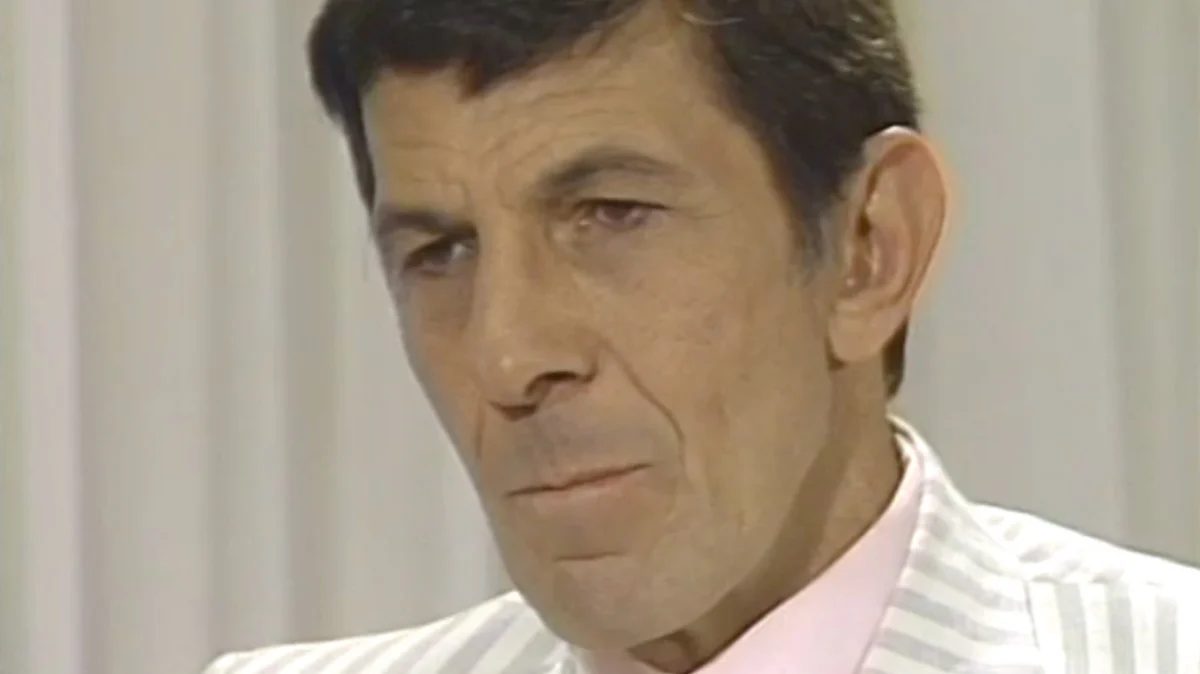
While Leonard Nimoy is immortalized in the annals of pop culture as the stoic, logical Mr. Spock, his career possessed a depth that often goes overlooked. In the late 1970s and early 1980s, while the Star Trek franchise was in a state of cinematic limbo, Nimoy pivoted toward a genre that would eventually dominate the cable landscape: the paranormal documentary. His tenure as the host and narrator of In Search Of remains one of the most intriguing chapters of his life, serving as a bridge between his sci-fi origins and his eventual transition into a successful director.
Despite its profound influence on modern television, In Search Of is rarely discussed in the same breath as his other major accomplishments. This article explores the origins, the cultural impact, and the enduring legacy of a show that brought the mysterious, the occult, and the unexplained into the living rooms of millions.
The Genesis of a Phenomenon
To understand In Search Of, one must look at the landscape of 1970s television. Documentarian Alan Landsberg, known for works like In Search of Ancient Astronauts, had successfully tapped into a growing public interest in the fringes of science—the "unexplained" phenomena that mainstream academia frequently dismissed.
The original plan for the series’ host was actually a titan of the genre: Rod Serling. As the creator and narrator of The Twilight Zone, Serling possessed a gravitas and an air of mystery that would have been a perfect fit for the show’s format. However, Serling’s untimely death in 1975 left the production in need of a new voice. Leonard Nimoy, looking to distance himself from the rigid constraints of the Star Trek universe and showcase his range as a performer, was tapped for the role.
The show premiered in 1976 and ran until 1982, producing an impressive 144 episodes. Each installment functioned as a self-contained investigation into a specific mystery, ranging from the disappearance of Amelia Earhart and the legend of Bigfoot to the construction of the Pyramids and the sinking of the Titanic.
A Chronology of the Mysterious
The production of In Search Of was a grueling, ambitious undertaking that spanned six seasons. It wasn’t merely a "talking head" program; the show utilized location filming, interviews with eyewitnesses, and dramatic recreations to build its narrative.
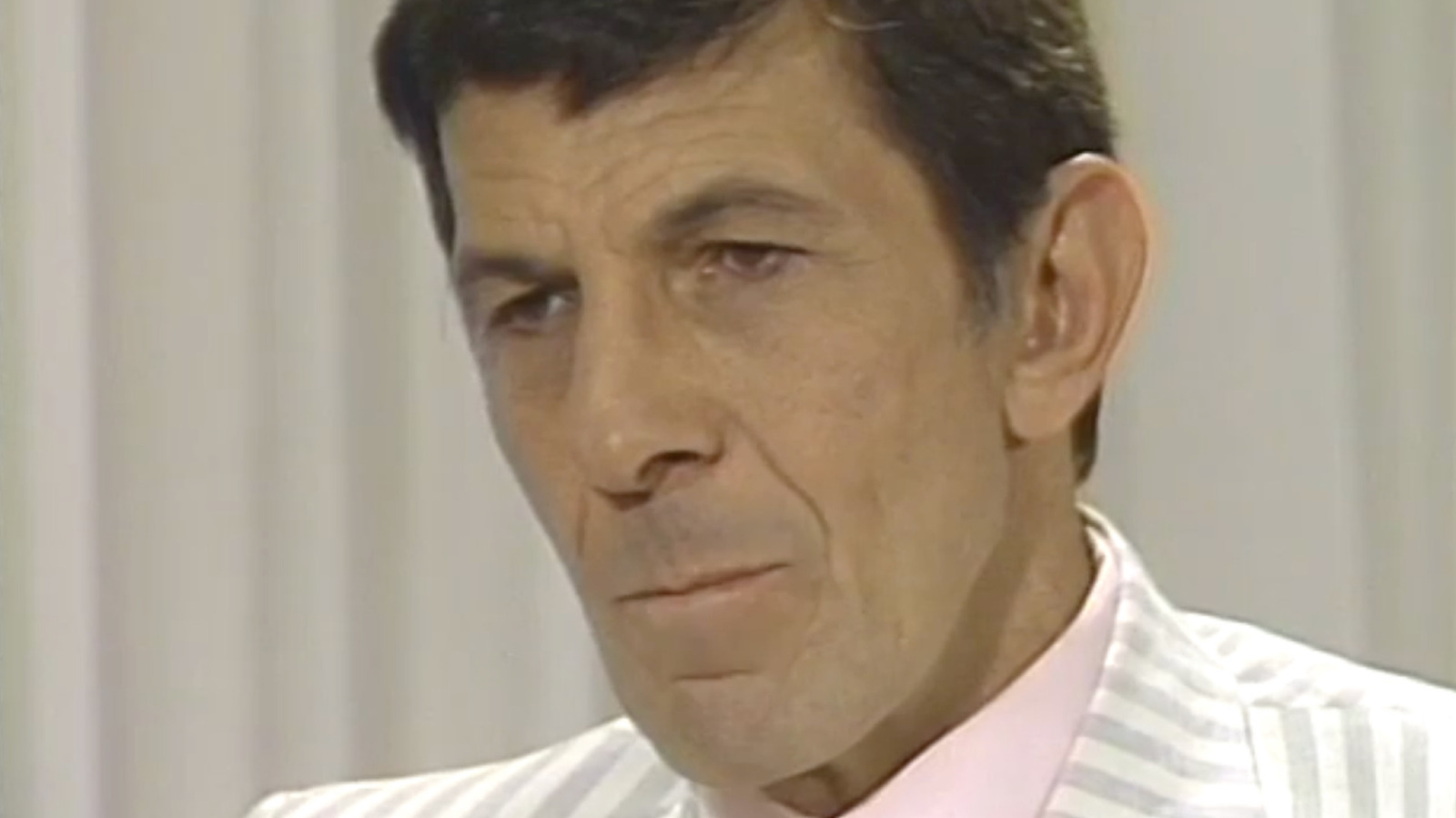
- 1976: The pilot and initial episodes set the tone. Nimoy, often filmed in atmospheric, shadowy environments, would introduce the topic with his signature measured, thoughtful cadence.
- 1977–1979: The show hit its stride. As it gained popularity in syndication, the producers expanded their scope, moving from simple cryptozoology to more abstract topics like psychic phenomena, ESP, and ancient technology.
- 1980–1982: By the final seasons, the show had become a cult classic. Nimoy’s presence became the show’s primary selling point, as viewers tuned in as much for his hypnotic delivery as for the subject matter.
Crucially, the show maintained a specific disclaimer at the start of every episode—a stylistic choice that protected the production from claims of pseudo-science while simultaneously inviting the audience to engage in "what-if" scenarios:
"This series presents information based in part on theory and conjecture. The producer’s purpose is to suggest some possible explanations, but not necessarily the only ones, to the mysteries we will examine."
This disclaimer provided a layer of intellectual safety, framing the show as an inquiry rather than a definitive lecture. It was a masterclass in tone, ensuring that the show remained entertaining without ever fully sacrificing its credibility in the eyes of the curious viewer.
Supporting Data: Why Nimoy Mattered
Why was Nimoy the perfect choice for this role? In the mid-70s, he was arguably the most famous "alien" in the world. His persona as Spock allowed audiences to accept him as an authority figure who was comfortable with the unknown and the scientific. When Nimoy spoke about the possibilities of extraterrestrial life or unexplained physics, it didn’t sound like conspiracy theory; it sounded like a logical exploration of the unknown.
His involvement also signaled a turning point in his career. While he would eventually return to the role of Spock for the Star Trek films, In Search Of proved he was a viable television personality in his own right. This period also marked his transition behind the camera. Following the conclusion of the show, Nimoy would go on to direct Star Trek III: The Search for Spock and Star Trek IV: The Voyage Home, as well as the massive 1987 box-office hit Three Men and a Baby. His work on In Search Of provided him with an education in documentary pacing, narrative structure, and the power of visual storytelling—skills he would master as a film director.
The Cultural Implications: A Legacy of Investigation
The format pioneered by In Search Of—a singular, charismatic host exploring mysteries with a mix of interviews and field investigation—is the direct ancestor of almost every paranormal show produced today. Programs like MonsterQuest, Ghost Hunters, and even the more sensationalist "Ancient Aliens" owe a debt of gratitude to the template Landsberg and Nimoy created.
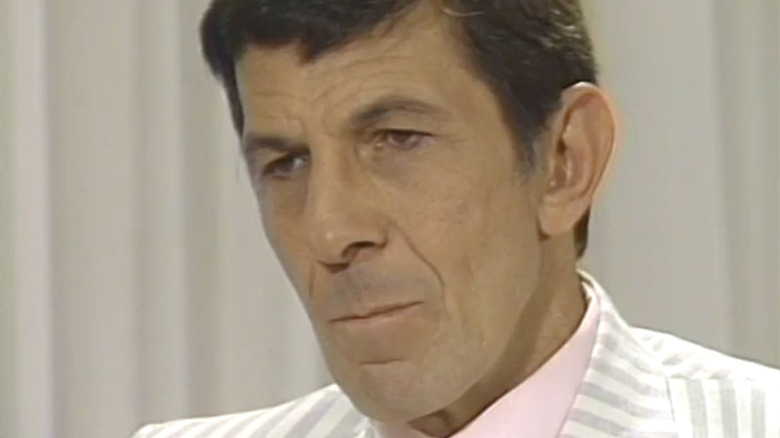
Furthermore, the show helped normalize "fringe" interests. In the 70s, discussing Bigfoot or alien visitations was largely relegated to the back pages of tabloid magazines. By giving these topics a high-production-value treatment on national television, In Search Of brought them into the mainstream. It fostered a culture of curiosity that remains prevalent in our modern age of podcasts and streaming documentaries.
The show’s cultural footprint was so significant that it eventually became a subject of satire. Most famously, The Simpsons paid homage to the series in the classic episode "The Springfield Files." In the episode, Nimoy—voicing himself—introduces a story about "unexplained phenomena" in Springfield, complete with the same dramatic staging and voiceover style that made the original show so iconic. It served as a moment of meta-commentary, acknowledging that for an entire generation, Leonard Nimoy was the voice of the unknown.
Official Responses and Later Iterations
While Nimoy was the face of the series, others would attempt to capture that same lightning in a bottle. The Sci-Fi Channel (now Syfy) attempted a reboot in the early 2000s, but it failed to connect with the audience in the same way, lacking the unique, stoic presence that Nimoy brought to the screen.
In 2018, the History Channel launched a new iteration of In Search Of hosted by Zachary Quinto. Quinto, who inherited the role of Spock in J.J. Abrams’ Star Trek reboot, was the logical choice to carry the torch. The series lasted for 18 episodes and featured modern production values, high-end CGI, and a more scientific approach to the subject matter. However, the reception highlighted exactly what made the original so special: the charm of the 70s iteration wasn’t just the mysteries, but the specific, calm, and contemplative performance of Leonard Nimoy.
Conclusion: The Eternal Host
Leonard Nimoy’s time on In Search Of was far more than a "side gig." It was a critical bridge that helped define his transition from a character actor to a director and a cultural icon. It allowed him to explore the mysteries of the universe in a way that felt personal, thoughtful, and deeply human.
Even as the decades pass and the technology used to investigate these mysteries becomes more advanced, the original 144 episodes of In Search Of remain highly watchable. They serve as a time capsule—a reminder of a time when the world seemed just a little bit larger, a little bit stranger, and when we all had a trusted guide to help us navigate the shadows. Leonard Nimoy may have played a character who was entirely logical, but in his pursuit of the unknown, he showed us that the most logical thing a human can do is remain curious.
