
The Anatomy of Fear: Ranking the 15 Scariest Horror Movies of All Time
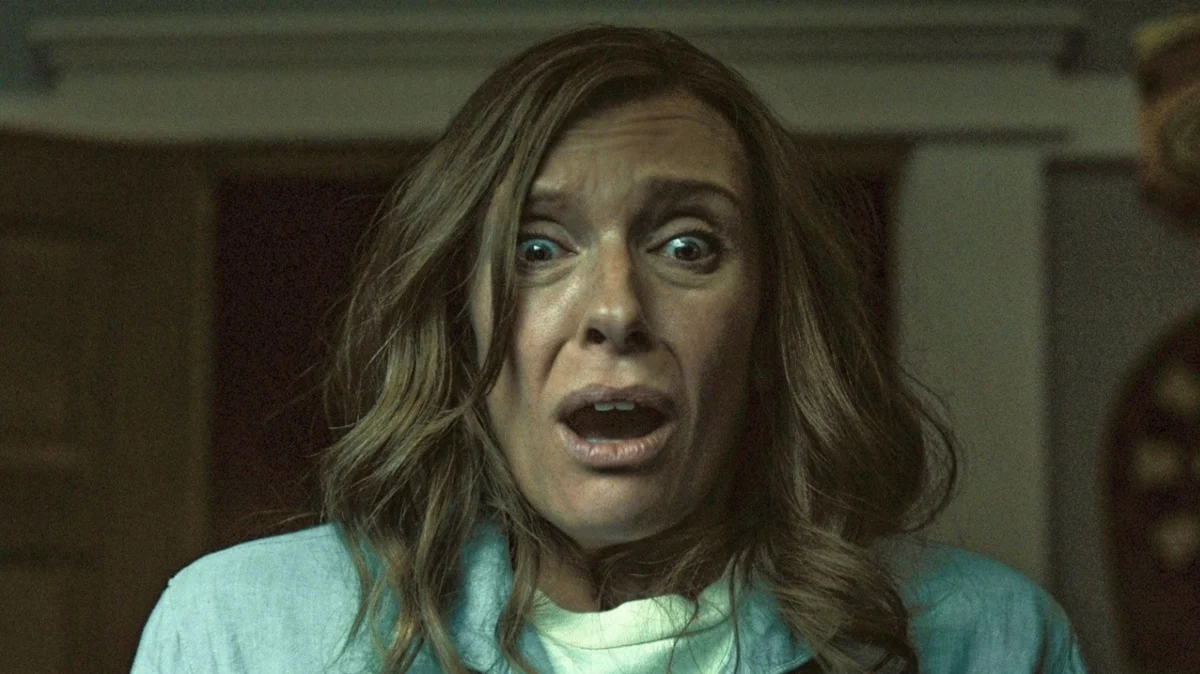
The horror genre occupies a unique space in cinema. Unlike comedies designed to elicit laughter or dramas meant to provoke empathy, horror exists to tap into our most primal biological responses: fight, flight, and the freezing paralysis of genuine terror. Whether it is the psychological erosion of a crumbling marriage, the visceral dread of being hunted in one’s own home, or the existential void of the afterlife, the best horror films leave an indelible mark on the viewer’s psyche long after the final credits have rolled.
While the "best" horror movies are often judged by their cinematography, narrative structure, and thematic depth, this ranking focuses on a more specific metric: the fear factor. These are the films that challenge our resolve, command our focus, and occasionally make us look away from the screen, even when we know exactly what is coming.
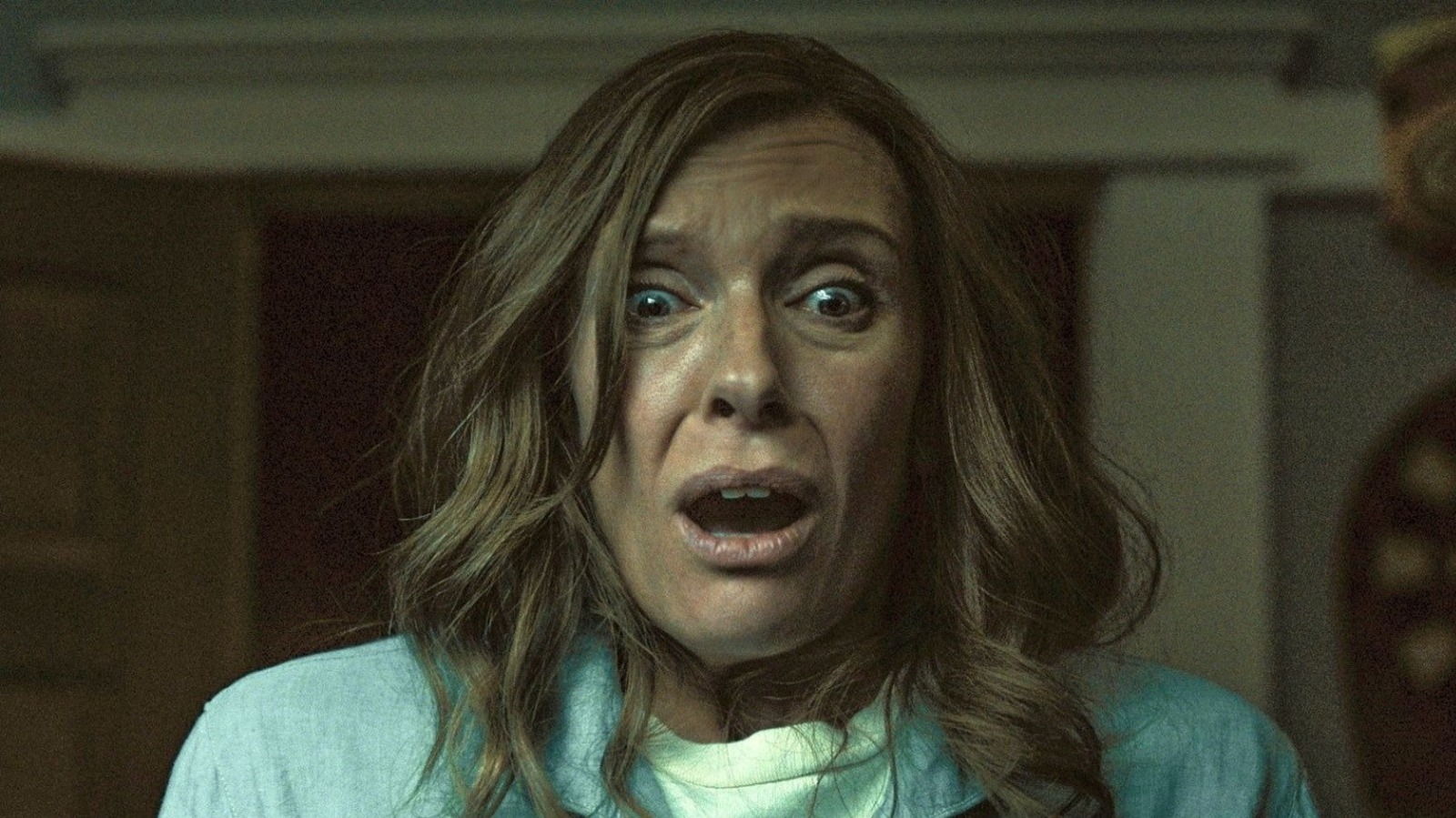
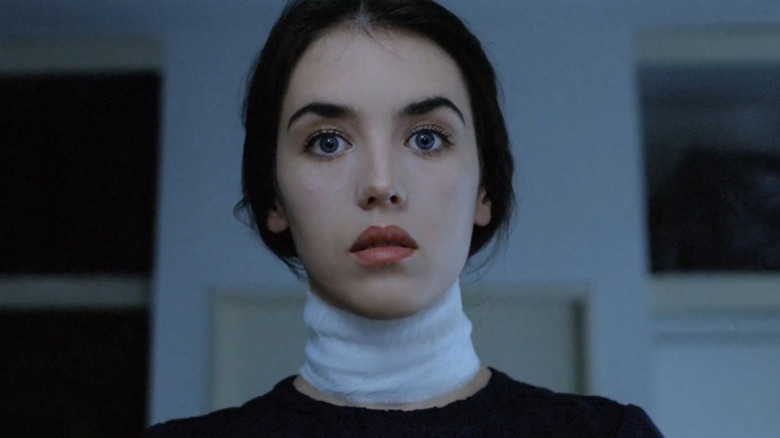
15. Possession (1981)
Directed by Andrzej Żuławski, Possession is a masterclass in psychological disintegration. Set against the bleak backdrop of Cold War-era West Berlin, the film follows an estranged couple, Anna (Isabelle Adjani) and Mark (Sam Neill), as their relationship devolves into a nightmare of surrealism and violence.
The film explores the harrowing concept of losing control over one’s own body and mind. More than four decades later, its blend of psychosexual terror and body horror remains singular in its intensity. It is not merely a film about a failing marriage; it is a manifestation of the monstrous, self-destructive emotions that follow a breakup, elevated by an uncompromising, fever-dream atmosphere.
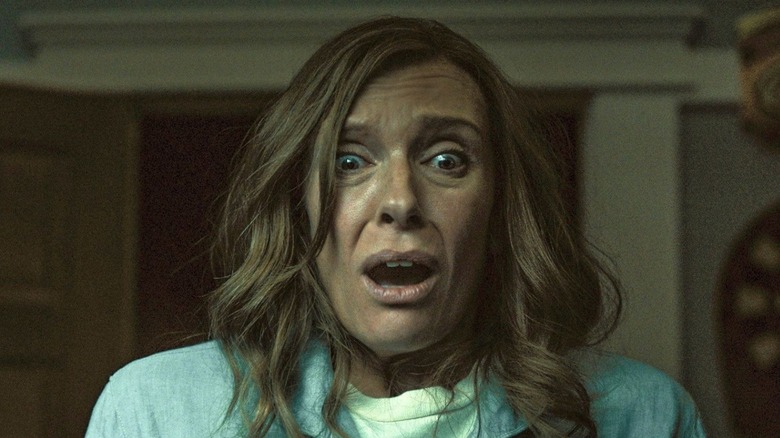
14. The Strangers (2008)
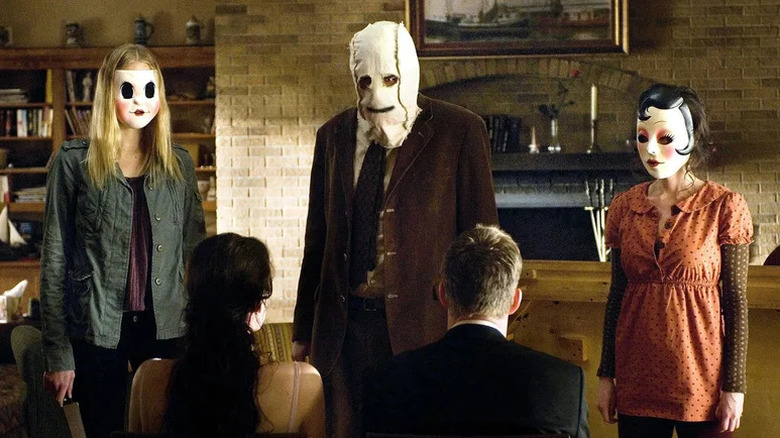
Few sub-genres are as effective at inducing anxiety as the "home invasion" thriller. The Strangers perfected this by stripping away the typical tropes of supernatural villains or masked slashers with complex backstories. When Kristen (Liv Tyler) and James (Scott Speedman) are targeted by three masked strangers, the horror is derived from a simple, nihilistic motive: "Because you were home."
The film’s brilliance lies in its silence. Much of the early runtime is spent with the couple unaware they are being watched, creating a mounting sense of dread that eventually explodes into spontaneous, unpredictable violence. It is a chilling reminder of how fragile our sense of security truly is.
13. Talk to Me (2022)
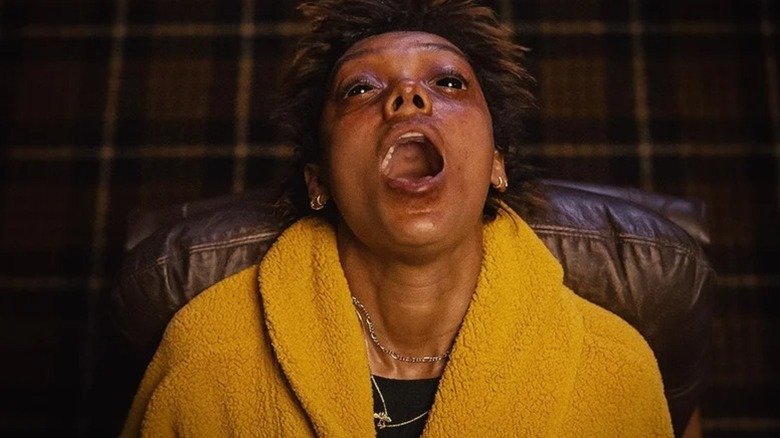
In the modern landscape of horror, Talk to Me stands out as a harrowing exploration of grief and youthful curiosity. A group of Australian teens discovers a mummified, severed hand that allows them to host spirits. Mia, the protagonist, becomes obsessed with using this conduit to contact her deceased mother.
The film serves as a brutal metaphor for the dangers of addiction and the ways in which we ignore warning signs to satisfy our own emotional needs. With visceral practical effects and a relentless escalation of tension, Talk to Me is arguably the most terrifying entry of the 2020s, proving that the scariest ghosts are often the ones we invite into our lives.
12. Pulse (2001)
Kiyoshi Kurosawa’s Pulse (Kairo) is a landmark in J-Horror, perfectly capturing the existential isolation of the early digital age. As ghosts begin to infiltrate the material world via the internet, the living are faced with a malaise so profound it leads to mass suicide and total societal collapse.
Unlike films that rely on jump scares, Pulse utilizes a pervasive, creeping sense of dread. It is an exploration of the "doomscrolling" phenomenon decades before it had a name. Its dark, shadowy visuals and the unnerving portrayal of ghosts as indifferent, inescapable entities make it a masterwork of existential horror.
11. The Descent (2005)
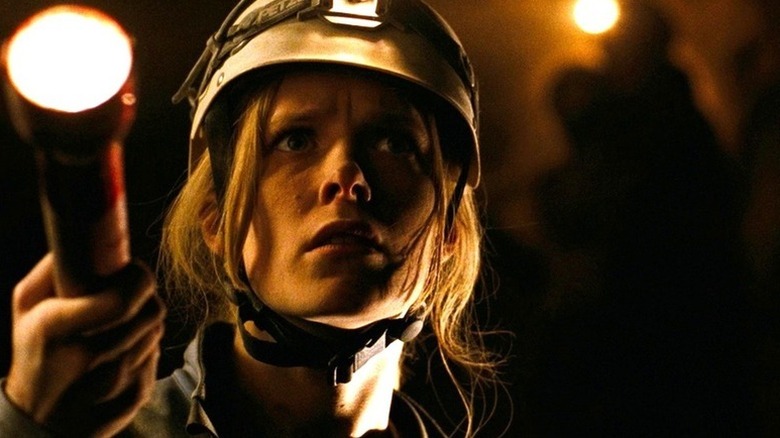
Neil Marshall’s The Descent is a masterclass in claustrophobic terror. When a group of friends ventures into an unmapped cave system in North Carolina, they find themselves trapped not only by geography but by a pack of blind, subterranean predators.
Before the monsters even appear, the film is already terrifying due to the crushing pressure of the setting and the fractured interpersonal relationships of the group. Once the creatures arrive, the film shifts into a visceral survivalist nightmare. It is a grim, unflinching examination of trauma and the primal will to survive.
10. The Orphanage (2007)
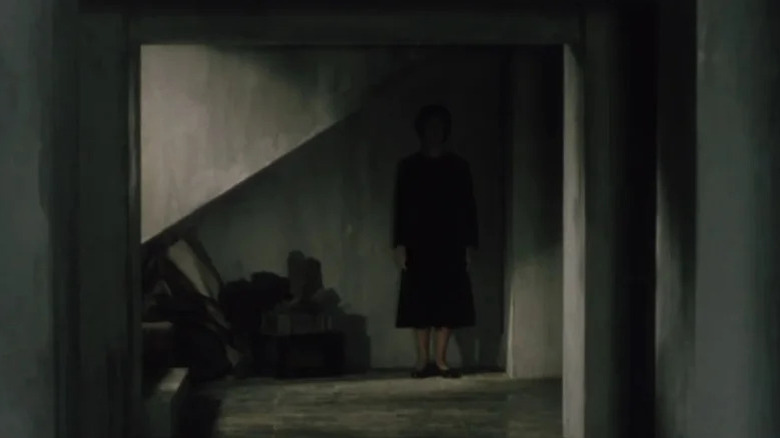
Atmosphere is the engine that drives The Orphanage (El Orfanato). When a family moves into a former orphanage, the disappearance of their son forces the mother, Laura, to confront the building’s dark, ghostly history.
Rather than relying on cheap shocks, the film builds a slow-burning psychological tension that is deeply rooted in the tragedy of loss. It is a beautifully shot, haunting piece of cinema that proves that a ghost story can be just as emotionally devastating as it is frightening.
9. The Conjuring (2013)
James Wan’s The Conjuring revitalized the haunted house genre by returning to the fundamentals: expert pacing, deep-seated dread, and a terrifyingly grounded villain. Based on the case files of Ed and Lorraine Warren, the film follows a family being terrorized by a malevolent witch in their Rhode Island farmhouse.
Wan’s experience in the genre allows him to manipulate the audience’s expectations with surgical precision. While the franchise has seen many sequels, the original remains the gold standard for modern haunted house cinema, offering a rare balance of character work and pure, adrenaline-inducing horror.
8. The Wailing (2016)
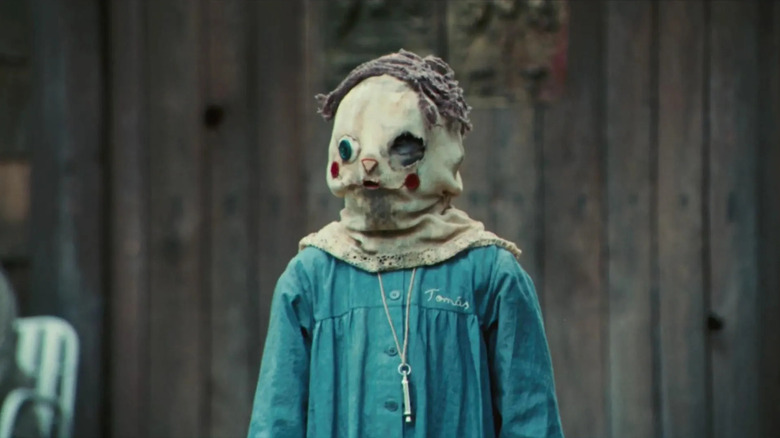
South Korean cinema has consistently pushed the boundaries of the genre, and Na Hong-jin’s The Wailing is arguably its crown jewel. The film begins with a mysterious plague of madness in a remote village, but as a local police officer attempts to solve the mystery, the story spirals into a complex, terrifying web of shamanism and demonic forces.
With a near-perfect critical reception, The Wailing is a two-and-a-half-hour descent into despair. It challenges the viewer’s perception of good and evil, offering a complex narrative that is as mentally taxing as it is horrifying to watch.
7. Hereditary (2018)
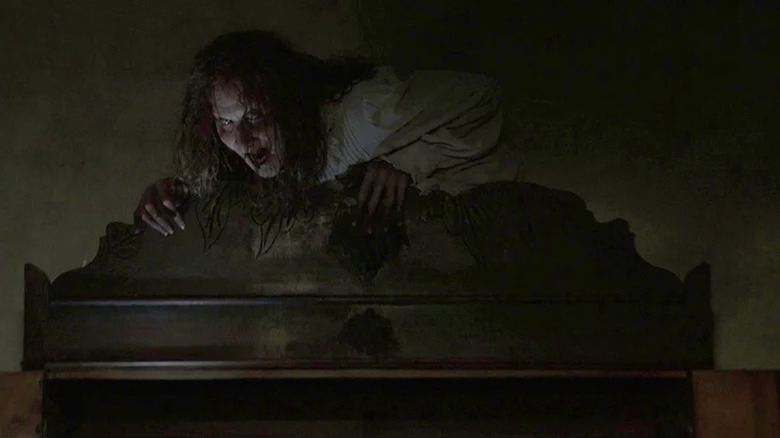
Ari Aster’s feature debut, Hereditary, is a modern classic that redefined A24’s reputation for prestige horror. Following the death of a secretive grandmother, the Graham family begins to unravel as they discover a horrific, inherited fate.
Toni Collette’s performance is the anchor of the film, capturing the raw agony of grief before the movie shifts into full-blown supernatural nightmare. Hereditary is a film that demands multiple viewings to catch its hidden details, though most viewers find it difficult to revisit due to its sheer, unrelenting intensity.
6. Lake Mungo (2008)
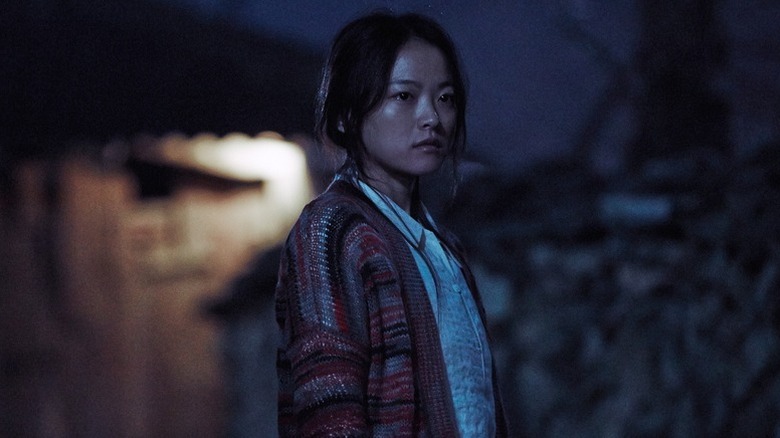
This Australian mockumentary is perhaps the most underrated film on this list. Lake Mungo documents the aftermath of a teenager’s drowning, slowly revealing the secrets she kept from her grieving family.
It is a film of quiet, subtle scares that build into an existential punch to the gut. The documentary style creates a sense of verisimilitude that makes the eventual supernatural revelations feel terrifyingly real. It is a slow burn that rewards the patient viewer with an ending that stays with you long after the lights come back on.
5. Audition (1999)
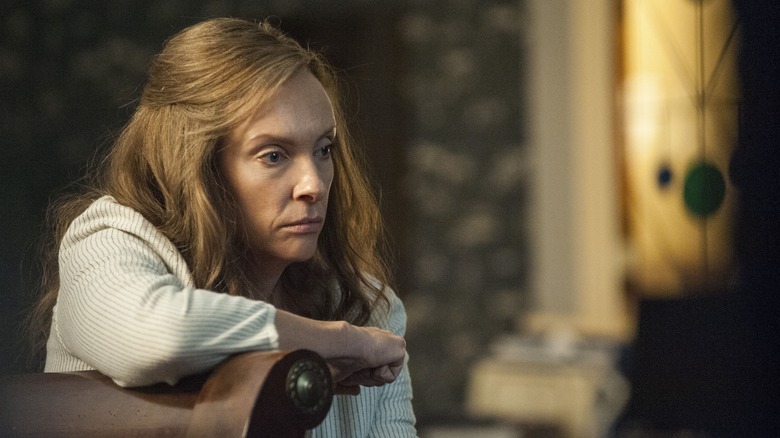
Takashi Miike’s Audition is a deceptive masterpiece. For the first half of the film, it masquerades as a romantic drama about a widower looking for love. Once the true nature of Asami Yamazaki is revealed, the film pivots into one of the most grueling and infamous torture sequences in cinema history.
The film’s brilliance lies in its pacing. By lulling the audience into a false sense of security, Miike ensures that the final act is a visceral shock. It is a film that test audiences famously walked out of, and for good reason—it is a brutal, unforgettable experience.
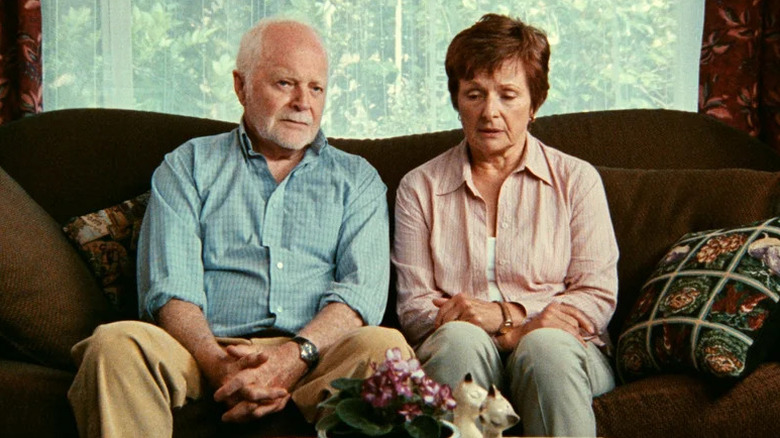
4. The Texas Chain Saw Massacre (1974)
Tobe Hooper’s The Texas Chain Saw Massacre is a triumph of DIY filmmaking. Despite its low budget and lack of excessive gore, it is widely considered one of the most frightening films ever made. The "grimy" aesthetic gives the film a documentary-like quality, as if the audience is witnessing a real-life atrocity.
The dinner sequence, in particular, remains one of the most harrowing scenes in the history of the genre. It is a masterclass in tension, sound design, and the terrifying realization that some horrors have no logical explanation.
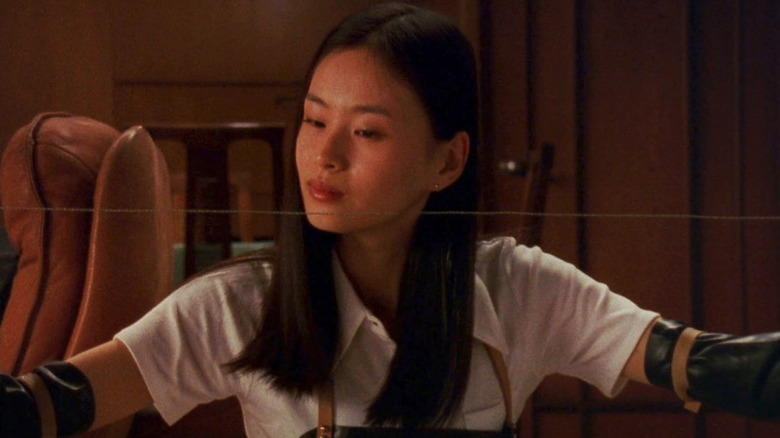
3. The Exorcist (1973)
Even 50 years after its release, The Exorcist remains the benchmark by which all other supernatural horror films are measured. The story of Regan MacNeil’s possession is not just a film about demons; it is a film about the struggle between faith and nihilism.
The transformation of a young girl into a grotesque, malevolent entity remains deeply unsettling, and the film’s practical effects have aged remarkably well. It is a cultural phenomenon that deserves every bit of its reputation for being a truly haunting experience.
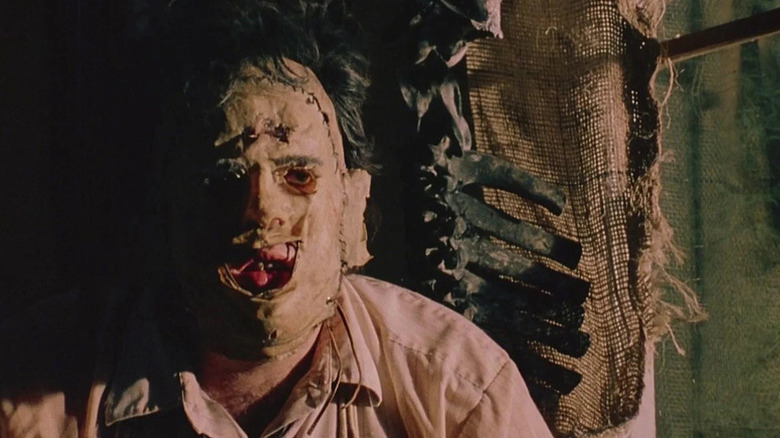
2. Sinister (2012)
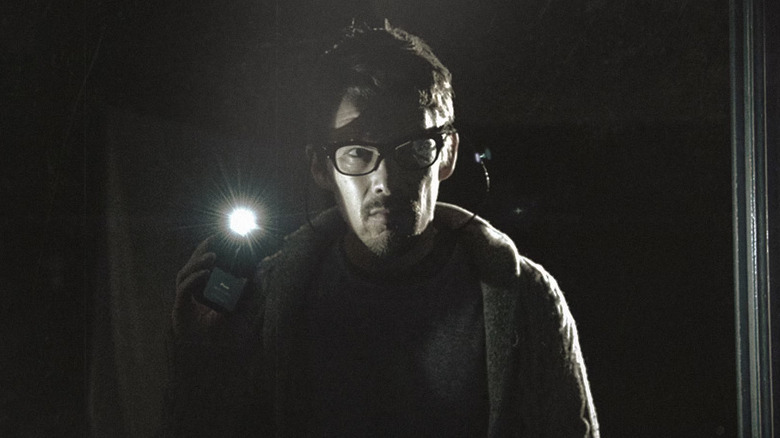
Scientific studies have occasionally cited Sinister as the "scariest movie ever made" based on heart rate monitoring, and it is easy to see why. The story of a writer who discovers a cache of snuff films in his new home is a masterclass in jump scares and oppressive dread.
The film effectively uses the "found footage" element within its narrative to build a sense of inescapable danger. Scott Derrickson crafts a story that feels like a slow descent into a trap, leading to an ending that is both inevitable and profoundly chilling.
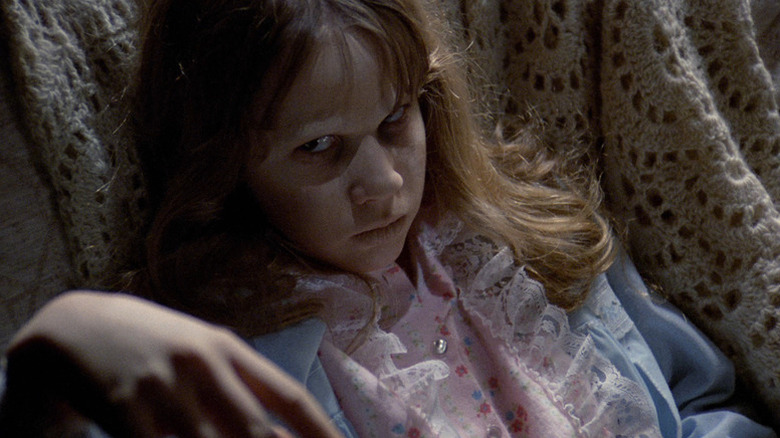
1. Martyrs (2008)
Topping our list is the French masterpiece Martyrs. If a horror film’s goal is to leave the audience fundamentally changed, Martyrs succeeds where others fail. The film follows a young woman’s search for vengeance against a cult that tortures victims to uncover the secrets of the afterlife.
Martyrs is not a film to be "enjoyed"; it is a film to be endured. It is an exploration of pain, transcendence, and the darkest corners of human ideology. It is widely regarded as one of the most difficult, disturbing, and intense viewing experiences ever committed to celluloid. For those who prioritize pure, uncompromising impact, Martyrs stands alone at the summit of horror.
Implications for the Genre
The endurance of these 15 films suggests that audiences are not looking for comfort in horror; they are looking for a safe space to experience existential dread. As technology and storytelling evolve, the definition of what is "scary" shifts from the physical threats of the 70s to the psychological and digital nightmares of the 21st century. However, the core of the genre remains unchanged: as long as there is fear, there will be an audience willing to stare into the abyss.
