
Autumn at the Cinema: A Sundance-Powered October Lineup
As the crisp air of October settles in, cinephiles are finding themselves with an embarrassment of riches. Following a series of highly anticipated premieres at the 2025 and 2026 Sundance Film Festivals, a diverse slate of 12 compelling titles is hitting screens this month. From the high-altitude intensity of K2 mountaineering to the surreal, whimsical romance of a woman married to a man made of wicker, this month’s selection is designed to provoke thought, stir emotion, and satisfy the cravings of the "spooky season" audience.
Among the highlights is a special 25th-anniversary restoration of the cult classic Donnie Darko, returning to theaters on October 2, serving as a nostalgic centerpiece for a month dominated by bold, new cinematic voices.
The Spirit of Persistence: Documentaries Leading the Pack
While the narrative features offer escapism, this month’s documentary roster—comprising nine of the twelve releases—is anchored by the theme of human tenacity. These films explore the limits of the human spirit, whether through physical endurance, the pursuit of justice, or the meticulous preservation of history.
The Human Cost of Ambition
Leading the charge is The Last First: Winter K2, directed by Amir Bar-Lev. For decades, K2 remained the final 8,000-meter peak unconquered during the winter months. Bar-Lev’s documentary, arriving on Apple TV on October 2, chronicles the 2020–2021 race to the summit. By utilizing raw, harrowing footage shot by the climbers themselves, the film moves beyond mere adventure storytelling to offer a sobering look at the financial and human costs of extreme mountaineering.
Unfinished History and the Quest for Justice
Several films this month tackle the "unfinished business" of history, shining a light on events that have long lingered in the shadows:
- Kikuyu Land (October 9): Co-directors Bea Wangondu and Andrew H. Brown investigate the colonial-era land seizures in Kenya. As descendants of the dispossessed seek justice, the film weaves personal family history with broader systemic critiques.
- Free Leonard Peltier (October 12): Directors Jesse Short Bull and David France revisit the 1975 Pine Ridge Reservation shootout. The film serves as a rigorous examination of a decades-long imprisonment that has become a touchstone for the American Indian Movement.
- Who Killed Alex Odeh? (October 30): Winner of the U.S. Documentary Special Jury Award for Journalistic Excellence, this film explores the 1985 assassination of the Palestinian American activist. It is a chilling reminder of how unresolved extremist acts continue to influence modern geopolitics.
Chronology: A Calendar of Cinematic Releases
For those looking to map out their October viewing, the following schedule outlines the theatrical and streaming debuts of these Sundance-selected features:
- October 2: The Last First: Winter K2 (Streaming on Apple TV); Donnie Darko (4K Restoration, Theatrical).
- October 9: Big Girls Don’t Cry (Select Theaters); Kikuyu Land (Select Theaters).
- October 12: Free Leonard Peltier (Streaming on Netflix).
- October 16: The Disciple: A Wu-Tang Fable (Streaming on Netflix); Once Upon a Time in Harlem (Select Theaters); The Only Living Pickpocket in New York (Select Theaters).
- October 21: One in a Million (Select Theaters).
- October 23: Paralyzed by Hope: The Maria Bamford Story (Streaming on Netflix); Wicker (Select Theaters); The Only Living Pickpocket in New York (Expansion).
- October 28: Closure (Select Theaters).
- October 30: Who Killed Alex Odeh? (Select Theaters); Wicker (Expansion).
Supporting Data: Diverse Narratives and Artistic Vision
The 2026 Sundance lineup proves that the "documentary" genre is evolving into a more intimate, long-form medium. One in a Million, directed by Itab Azzam and Jack MacInnes, is a testament to this evolution. Filmed over a decade, it tracks the life of Isra’a, a Syrian refugee who fled Aleppo at age 11. By capturing her growth across borders—from Turkey to Germany—the film earned the Directing Award and the Audience Award for World Cinema Documentary.
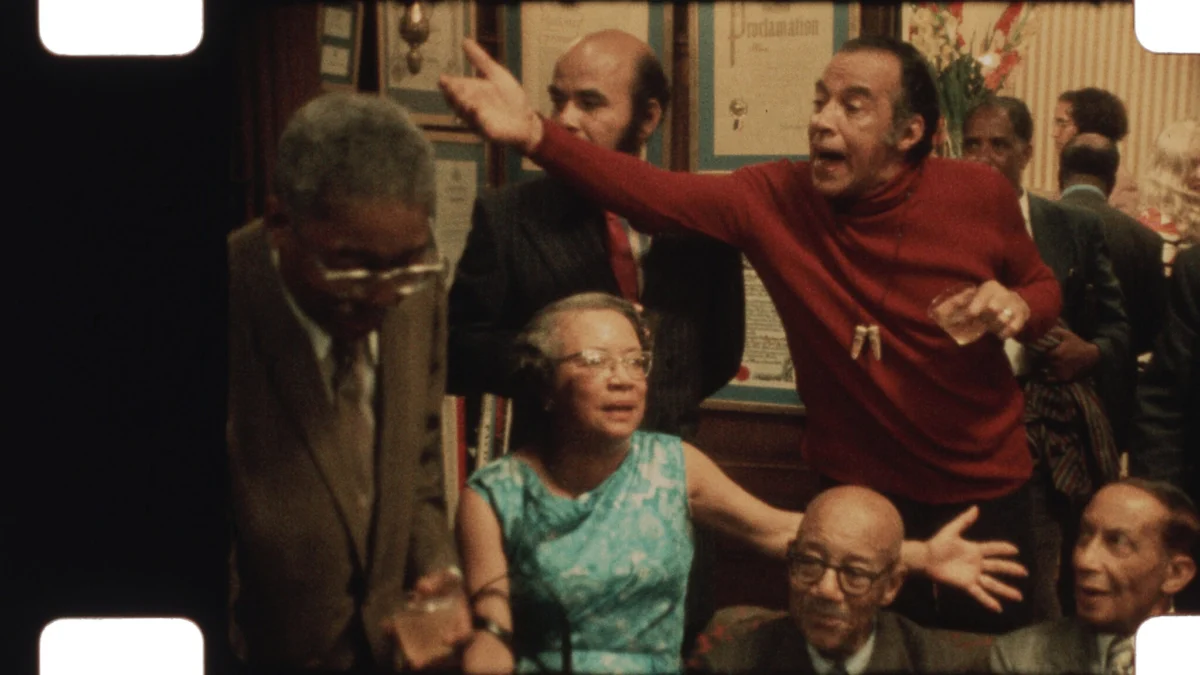
Similarly, Once Upon a Time in Harlem offers a rare glimpse into the intellectual elite of the 20th century. By restoring and completing footage filmed by William Greaves in 1972, co-director David Greaves provides a vibrant time capsule of a movement that shaped Black history.
On the lighter, yet equally profound, side of the spectrum, Paralyzed by Hope: The Maria Bamford Story provides a refreshing look at mental health through the lens of one of comedy’s most unique voices. Directors Judd Apatow and Neil Berkeley manage to balance the heavy realities of obsessive-compulsive disorder with the absurdist humor that defines Bamford’s career.
Narrative Features: From Pickpockets to Wicker Husbands
The narrative films hitting theaters this month offer a stark contrast to the gravity of the documentaries.
The Only Living Pickpocket in New York
Noah Segan’s caper film, The Only Living Pickpocket in New York, presents an evocative look at a dying breed of criminal. Starring John Turturro as Harry, an old-school thief struggling to survive in a digital age, the film serves as both a heist movie and a meditation on obsolescence. With a supporting cast that includes Steve Buscemi and Giancarlo Esposito, it promises to be one of the month’s most stylish outings.
Wicker: A Modern Fable
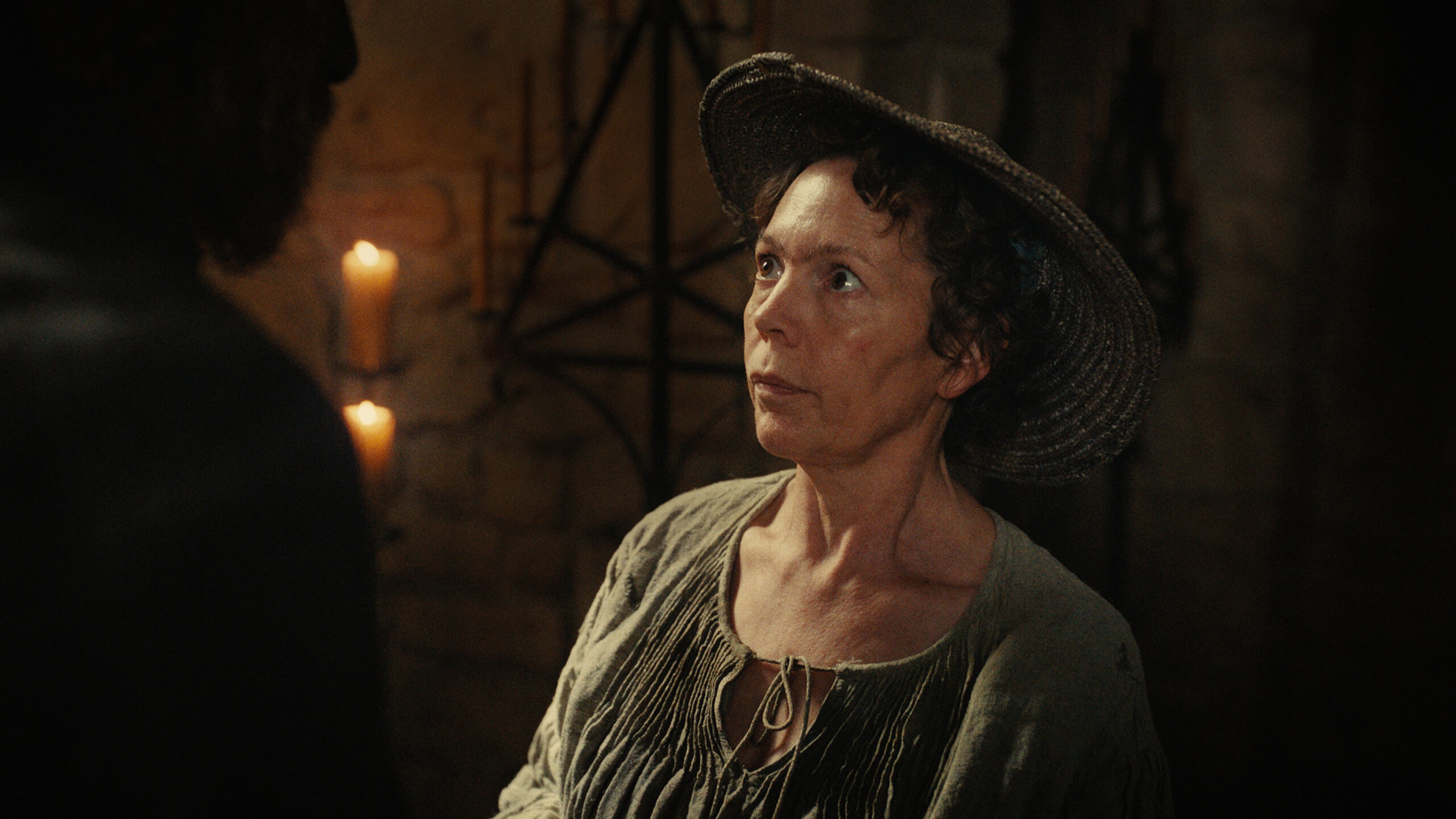
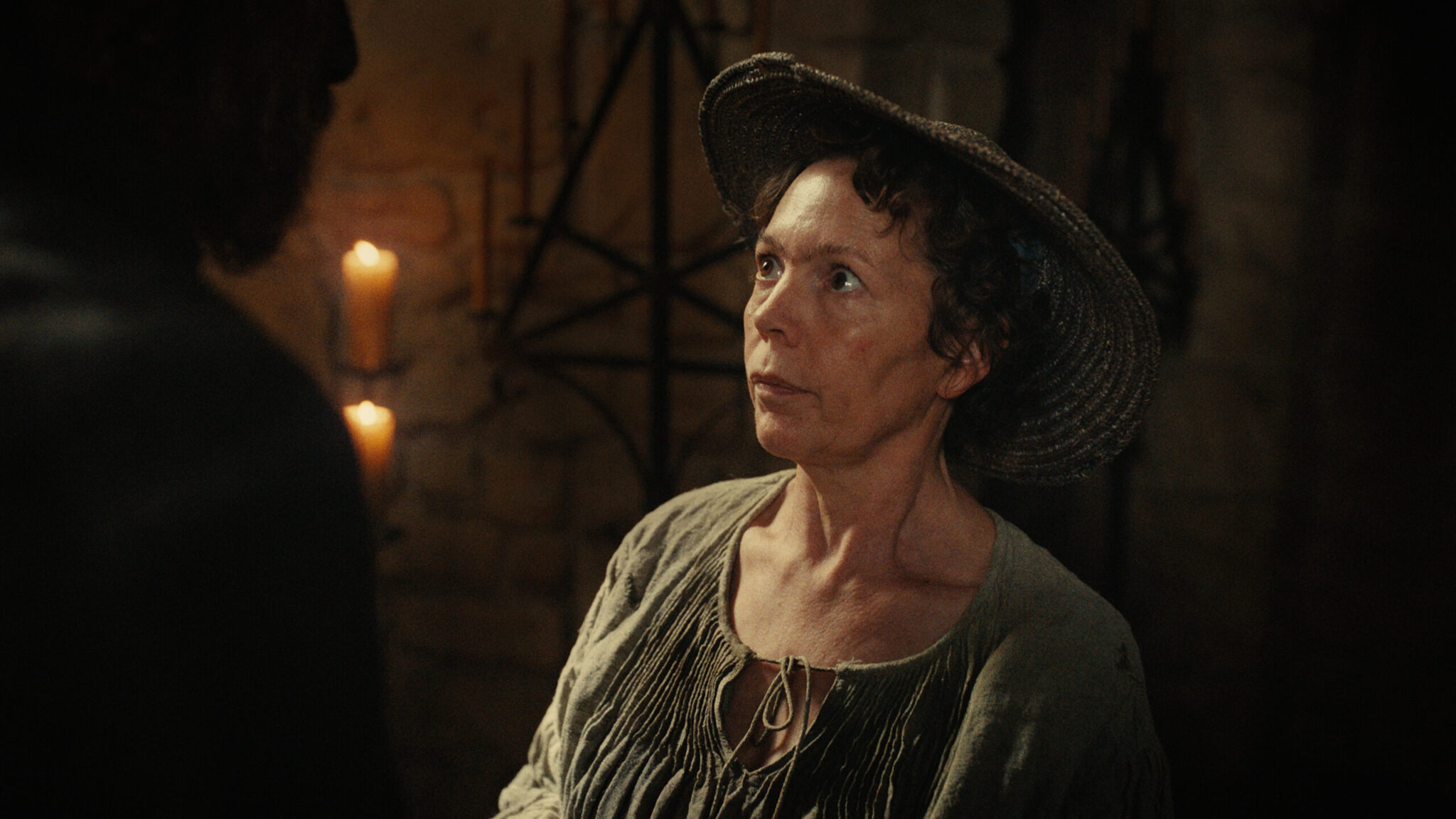
Perhaps the most discussed film of the season is Wicker, directed by Eleanor Wilson and Alex Huston Fischer. Starring Olivia Colman as a lonely fisherwoman who commissions a master craftsman (Peter Dinklage) to build her a husband made of wicker (Alexander Skarsgård), the film is a whimsical, yet sharp, critique of social norms and marriage tropes. It is a rare example of a "comedic fable" that manages to be simultaneously surreal and deeply grounded in human emotion.
Implications: The Lasting Impact of the Festival
The influx of these 12 titles into the mainstream market underscores the continued relevance of the Sundance Film Festival as a pipeline for quality cinema. By prioritizing films that explore marginalized perspectives, historical injustices, and the idiosyncrasies of the human condition, the festival ensures that these stories find their way to a global audience.
The success of films like Closure—which follows a father’s relentless search for his missing son in Poland—demonstrates that audiences are increasingly drawn to "hard-won" stories. These films do not offer easy answers; rather, they provide a space for empathy, forcing viewers to engage with subjects that are often overlooked in the rush of traditional Hollywood releases.
As we move toward the end of the year, the impact of these documentaries and features will likely continue to resonate. They remind us that whether we are tracking a climber on K2, watching a teenager navigate a New Zealand summer, or witnessing the surreal romance of a woman and her wicker husband, cinema remains our most vital tool for understanding the world—and each other.
Supporting Local Art and Cultural Preservation
While the commercial success of these films is significant, the importance of supporting the institutions that foster these voices cannot be overstated. Organizations that curate such content require the backing of the public to continue their mission of championing independent, courageous, and transformative storytelling.
As the industry faces shifting landscapes regarding distribution and production, the commitment to these stories—those that challenge the status quo and demand our attention—is what keeps the spirit of independent film alive. Whether you are heading to a local independent theater or streaming these titles from home, you are participating in a vital ecosystem of art that relies on audience engagement to thrive.
This October, take the time to explore these stories. From the dark, swirling waters of the Vistula River in Closure to the vibrant, intellectual debates of Once Upon a Time in Harlem, there is a narrative waiting to shift your perspective.
