
Reviving a Legend: The Long-Awaited Tupac Shakur Biopic Gains New Momentum
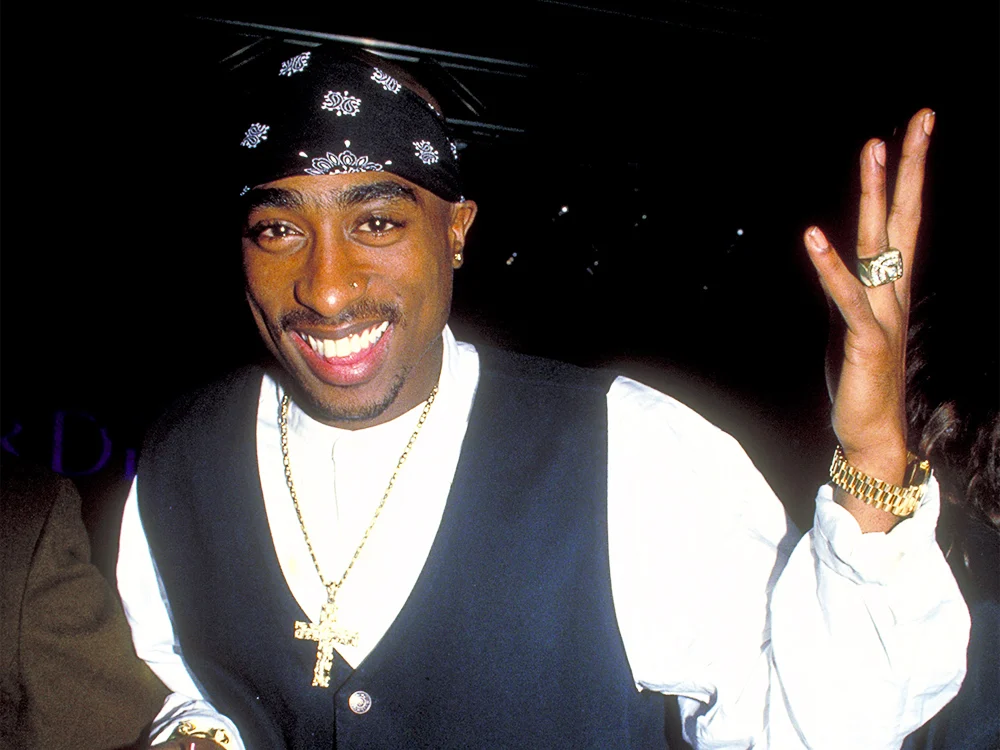
The cinematic journey to capture the life of Tupac Shakur—one of the most influential and enigmatic figures in hip-hop history—has been nothing short of a tumultuous odyssey. After years of development hell, stagnant progress, and shifting studio alliances, the project has finally secured the necessary fuel to move forward. Emmett Furla Oasis (EFO) Films has officially boarded the production, joining forces with Morgan Creek Productions to co-finance and co-produce what promises to be a definitive look at the life and legacy of the late rapper.
The New Strategic Alliance
The involvement of Emmett Furla Oasis represents a significant turning point for the project. Led by industry veterans Randall Emmett and George Furla, the firm has recently undergone a rebranding to reflect a major capital infusion from Dubai-based Oasis Ventures Entertainment. With a proven track record of financing high-octane projects like 2 Guns and Escape Plan, EFO brings both financial stability and strategic production muscle to the Shakur project.
Furthermore, the partnership is bolstered by a broader $125 million financing deal secured during the Toronto International Film Festival with Belgian financier Corsan NV. This influx of capital provides the logistical infrastructure required to bring a high-budget musical biopic to life. For a project that has languished in the development phase since 2011, this infusion of resources is the definitive signal that the production is no longer a theoretical exercise, but a concrete objective.
A Legacy Preserved: The Role of Afeni Shakur
Crucial to the film’s authenticity is the continued involvement of Afeni Shakur, the late rapper’s mother. As a producer on the film, her presence ensures that the narrative remains grounded in the personal reality of Tupac’s life, rather than descending into the sensationalism that often plagues biographical films about public figures.
Additionally, the production team has successfully secured the rights to Shakur’s expansive music catalog. This is a monumental hurdle cleared, as the music is not merely a soundtrack; it is the heartbeat of the narrative. Without the ability to utilize his original recordings, any biopic would risk feeling like a hollow imitation. With the rights secured, the film is poised to feature the iconic discography that has sold over 75 million albums worldwide, cementing Tupac’s status as a global cultural icon.
Chronology: A Decade of Development
The road to this production start has been fraught with challenges. When Morgan Creek first announced development of the film in 2011, the industry was abuzz with anticipation. The studio took an ambitious approach to casting, launching an open digital call that invited aspiring actors and performers to submit videos of themselves reciting lines from the script and performing their favorite Tupac songs. While the casting call generated significant media buzz, the momentum eventually stalled, leading many industry observers to wonder if the film would ever materialize.

The script itself has undergone multiple iterations, moving through various drafts that sought to encapsulate the complexities of Shakur’s life. The latest draft, penned by the writing team of Eddie Gonzalez and Jeremy Haft, is reported to be the strongest yet. It aims to weave together the multifaceted chapters of his life: his meteoric rise to fame, his career as a burgeoning actor, his legal struggles—including his 1995 imprisonment on sexual assault charges—and the volatile backdrop of the East Coast-West Coast rap rivalry that defined the mid-90s.
The Narrative Scope: Beyond the Music
Tupac Shakur’s life was defined by extreme contradictions. He was a poet, a political activist, an actor of immense promise, and a polarizing figure whose life was cut short at the age of 25 due to a fatal shooting in Las Vegas in 1996. The challenge for any filmmaker is to capture these contradictions without simplifying them.
Previous iterations of the screenplay focused heavily on his transformation from an idealistic youth to a hardened superstar. The new script is expected to maintain that arc while providing a more intimate view of the man behind the persona. By covering his artistic evolution—from his early work with Digital Underground to his solo dominance—the film seeks to explain how a man who was deeply committed to social justice could simultaneously be at the center of one of the most violent feuds in music history.
Supporting Data: The Commercial and Cultural Weight
To understand the necessity of this film, one must look at the numbers. With over 75 million albums sold worldwide, Shakur remains one of the highest-selling musical artists of all time. His cultural footprint is arguably larger today than it was at the time of his death.
From an investment perspective, EFO and Morgan Creek are betting on a "legacy" audience. Music biopics have historically proven to be high-reward ventures, capable of bridging the gap between older demographics who lived through the era and younger audiences who discovered Shakur through digital streaming and the continued cultural relevance of his lyrics.
The financial structure, bolstered by the $125 million slate deal with Corsan NV, allows for the high production values necessary to recreate the 1990s hip-hop landscape authentically. Whether it is the gritty streets of Baltimore or the glitz of Los Angeles and Las Vegas, the visual fidelity of the film will be essential to its success.

Implications for the Industry
The success of this partnership signals a shift in how mid-to-large-budget films are being financed in the current climate. By leveraging international private equity and combining it with established production houses, Emmett Furla Oasis is creating a blueprint for reviving stalled intellectual property.
Furthermore, the film will likely serve as a litmus test for the "hip-hop biopic" genre. Following the success of other musical biographies, the industry is increasingly looking to the annals of music history to find stories that carry built-in audiences. If this project succeeds, it will likely pave the way for a wave of similar films covering the foundational figures of hip-hop and R&B.
Looking Ahead: Production and Beyond
With a production start date targeted for February, the clock is now ticking. The casting process, which began years ago with the open call, will now move into a more formal phase. Selecting the lead actor to portray Shakur is perhaps the most difficult task the producers face; they must find an individual who can capture the intensity, the intellect, and the vulnerability that defined Tupac’s screen presence.
As pre-production ramps up, the collaboration between Morgan Creek and Emmett Furla Oasis remains the primary focus. With the script finalized, financing secured, and the support of the Shakur estate firmly in place, the project finally has the structural integrity to withstand the pressures of the Hollywood production cycle.
Tupac Shakur was a man who lived his life in the spotlight, and in the decades since his passing, that light has only grown brighter. This film is more than just a biography; it is a reckoning with a legacy that continues to shape the trajectory of American music and culture. For the producers, the goal is clear: to ensure that the man who once famously said, "I’m not saying I’m gonna change the world, but I guarantee that I will spark the brain that will change the world," is finally given a cinematic tribute worthy of his monumental impact.
The industry will be watching closely as cameras begin to roll. After years of silence and speculation, the story of Tupac Shakur is finally ready for the big screen.
