
The Radical Fight for Equality: Sian Heder’s Being Heumann Brings Disability Rights History to the Big Screen
By Alex Billington | October 12, 2026
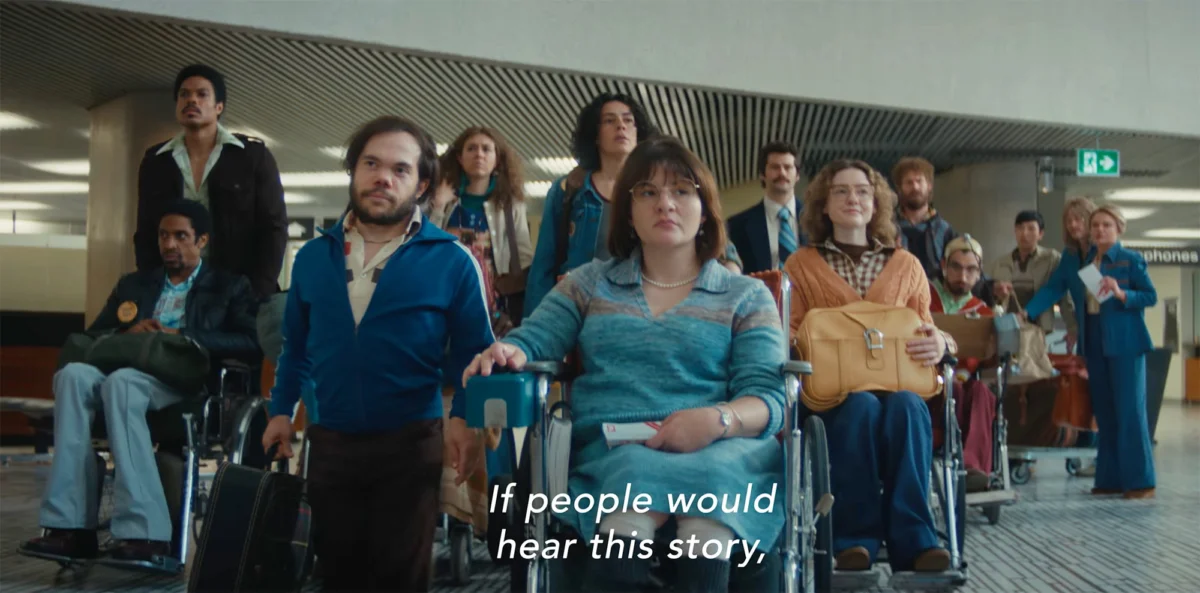
In the landscape of modern cinema, few filmmakers have demonstrated the empathetic reach and cultural impact of Sian Heder. Following the seismic success of her Best Picture-winning drama CODA, Heder returns with Being Heumann, a blistering, vital, and irreverent look at one of the most pivotal moments in the American civil rights movement. Apple TV has officially dropped the full trailer for this much-anticipated feature, offering audiences a first comprehensive look at the 1977 San Francisco Federal Building occupation—a watershed moment for disability rights in the United States.
Starring Ruth Madeley as the indomitable Judy Heumann, the film serves as both a historical record and a call to action. With a star-studded cast including Mark Ruffalo, Dylan O’Brien, and Madeline Delp, Being Heumann is poised to be one of the most significant releases of the 2026 awards season.
Main Facts: A Story of Unlikely Revolutionaries
Being Heumann is not your typical "inspiration porn" biopic. Directed by Heder and based on the memoir co-authored by Judy Heumann and Kristen Joiner, the film eschews tropes in favor of a gritty, authentic depiction of political maneuvering.
The core narrative centers on the 28-day occupation of the San Francisco Department of Health, Education, and Welfare (HEW) offices. The protest was sparked by the federal government’s refusal to sign Section 504 of the Rehabilitation Act of 1973, the first U.S. federal civil rights protection for people with disabilities. Judy Heumann, often referred to as the "mother of the disability rights movement," leads a disparate coalition of young activists who refuse to be ignored any longer.
The film’s tagline—"They wouldn’t take Judy Heumann’s phone calls, so she took their building"—encapsulates the defiant spirit of the project. It is a story about the transition from individual struggle to collective power, highlighting how a group of "outsiders" forced the most powerful government in the world to acknowledge their humanity.

Chronology: The Road to the 1977 Occupation
To understand the weight of Being Heumann, one must look at the historical timeline that necessitated such a radical protest.
The Pre-Occupation Era (1970–1976)
Before the 1977 occupation, the rights of disabled individuals in America were essentially non-existent. There were no mandates for wheelchair ramps, public transit accessibility, or educational integration. Judy Heumann had spent years navigating these systemic failures, famously being denied a teaching license in New York City because she was deemed a "fire hazard." This period in the film explores the slow, grinding frustration of working within a system designed to exclude.
The 28-Day Standoff (April 1977)
The heart of the film takes place in April 1977. The protesters, many of whom required daily assistance for basic needs, turned the HEW building into a self-sustaining commune. They lived on the floor, relied on supporters to smuggle in food, and faced constant pressure from federal authorities to disperse.
The Resolution (May 1977)
The occupation ended only when the government finally agreed to sign the regulations for Section 504 without weakening them. This victory laid the groundwork for the Americans with Disabilities Act (ADA) of 1990. The film captures this climax not just as a policy victory, but as a triumph of community organizing and personal resilience.
Supporting Data: The Magnitude of the Movement
The film’s production team, including producers David Permut and Kevin Walsh, worked closely with disability rights advocates to ensure the film’s accuracy. The scale of the production is significant, reflecting the real-world magnitude of the 504 protests:
- The Cast: Ruth Madeley’s portrayal of Heumann is supported by a robust ensemble, including Mark Ruffalo as a fictionalized bureaucrat representing the governmental obstructionism of the era. The inclusion of actors like Madeline Delp, Dylan O’Brien, Will Brill, and Michael Patrick Thornton ensures a diverse representation of the various disabilities involved in the movement.
- Historical Accuracy: The production utilized archives from the 504 Sit-in to reconstruct the Federal Building setting. By blending these historical realities with Heder’s sharp, modern direction, the film bridges the gap between 1977 and 2026.
- The "Radical" Element: The film deliberately leans into the "radical" nature of the activists. In the trailer, a line of dialogue—"I thought you were a radical crip!"—signals that the film will not shy away from the confrontational, militant, and unapologetic nature of the movement’s leadership.
Official Responses and Critical Reception
Following its premiere at the Toronto International Film Festival (TIFF) earlier this fall, Being Heumann has been met with critical acclaim. Critics have praised the film for its balance of political urgency and intimate character study.

"Sian Heder has done what many thought impossible: she has made a protest film that feels like a thriller," noted one TIFF critic. "The tension within the walls of the Federal Building is palpable, but it’s the quiet moments of connection between the activists that make this film a masterpiece."
Apple TV, which holds the distribution rights, has signaled that they are positioning the film as a major contender for the upcoming Academy Awards. By scheduling a limited theatrical run on November 6, 2026, followed by a wide streaming release on November 13, the studio is ensuring the film reaches both the cinephile audience and the broader public consciousness before the voting season begins.
Implications: Why This Story Matters Now
The release of Being Heumann arrives at a time of renewed discourse surrounding civil rights and accessibility. Despite the passage of the ADA decades ago, the struggle for true equality remains ongoing.
Challenging the Ableist Narrative
One of the most important implications of the film is its challenge to the "pity" narrative. In the film, Heumann and her cohorts are not objects of sympathy; they are political strategists. By centering the story on their agency, Heder forces the audience to confront their own biases regarding what "capability" looks like.
A Blueprint for Modern Activism
The film serves as a manual for modern social movements. In an era where digital activism often replaces physical presence, Being Heumann reminds viewers of the power of embodied protest. The 504 Sit-in was successful because the protesters refused to leave—they made their existence a physical problem for the government to solve.
Accessibility in Hollywood
The production of Being Heumann itself represents a shift in the film industry. By prioritizing authentic casting and ensuring the production environment was accessible, the film walks the talk. It is a benchmark for how major studios should approach stories about marginalized communities, moving away from "about us, without us" storytelling.

Final Thoughts: A Must-Watch for the Fall
Being Heumann is not just a historical drama; it is a profound examination of what it means to belong in a society that was never designed for you. With Sian Heder’s deft direction and a powerhouse performance by Ruth Madeley, the film promises to be one of the most talked-about projects of the year.
As we move into the fall, the film serves as a poignant reminder that the rights we often take for granted were fought for with blood, sweat, and long, sleepless nights on the floors of government buildings. It is a story of "the least likely people trying to pull off the impossible," and if the trailer is any indication, it is a story that will resonate with audiences for generations to come.
Mark your calendars for November 6th. This is not just a film to watch; it is a piece of history that demands to be heard.
Release Details:
- Theatrical Premiere: November 6, 2026
- Streaming Release (Apple TV+): November 13, 2026
- Director: Sian Heder
- Key Cast: Ruth Madeley, Mark Ruffalo, Dylan O’Brien, Madeline Delp, Will Brill, Michael Patrick Thornton, Antwan Tolliver, Rein Barcel, Charlie Rush-Reese.
