
End of an Era: Michael De Luca and Pamela Abdy Exit Warner Bros. Amid Skydance Merger
Main Facts
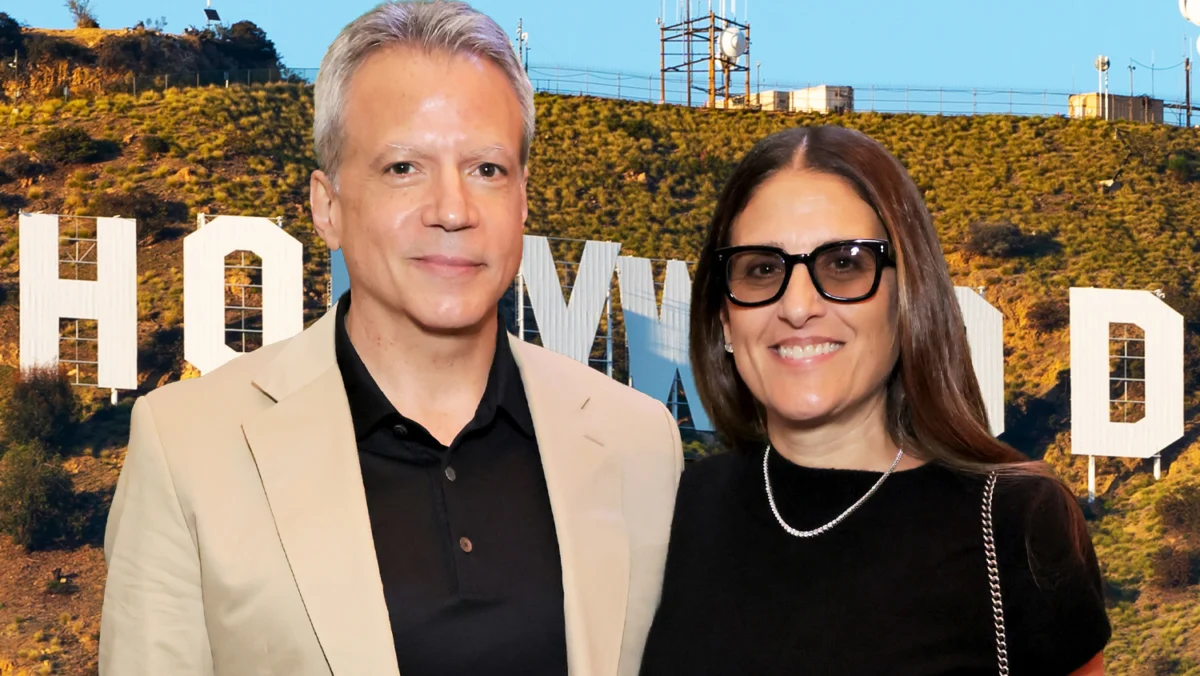
In a sweeping shakeup that has sent shockwaves through Hollywood, Warner Bros. Motion Picture Group Co-Chairpersons Michael De Luca and Pamela Abdy are stepping down from their posts, with their final day concluding on Tuesday. Their departure marks the official Day One transition for Skydance, the newly forged entertainment powerhouse resulting from the high-profile merger between Paramount and Warner Bros.
The exit brings a definitive close to months of rampant industry speculation regarding whether the acclaimed executive duo would secure a place within David Ellison’s newly consolidated corporate structure. Instead, cost-conscious directives and a shift in leadership alignment have left De Luca and Abdy on the outside looking in. Under the new regime, Paramount Pictures Co-Chairs Dana Goldberg and Josh Greenstein will expand their operational footprint, taking the reins of not just the historic Melrose Avenue lot, but all Warner Bros. theatrical brands globally.
Compounding the abruptness of the transition, reports indicate that De Luca and Abdy were left entirely blindsided, learning of their fate through press leaks rather than a direct courtesy call from Skydance Co-CEO David Ellison. Ellison eventually connected with the duo to deliver the official news, but the manner of the exit has drawn sharp criticism from industry insiders who view the treatment of the filmmaker-friendly executives as an unceremonious end to a tenure that recently delivered 11 Academy Awards and a massive $4.3 billion global box office haul in the previous year.
Chronology
To understand how a studio leadership team responsible for some of Hollywood’s most prestigious projects found themselves abruptly sidelined, it is vital to trace the timeline of events leading up to this monumental transition.
- Months Prior: Initial high-level discussions take place between De Luca, Abdy, and David Ellison. A constructive dinner meeting between the parties reportedly leaves the Warner Bros. chiefs feeling optimistic about transitioning into the newly merged entity to oversee marketing, distribution, and filmmaker relations.
- The Transition Period: As the Paramount-Warner Bros. merger details crystallize under the Skydance banner, intense corporate restructuring begins with a heavy focus on debt reduction and operational streamlining.
- The Weekend Prior to Departure: Warner Bros. faces a severe theatrical disappointment with the opening of Digger, a star-studded tentpole featuring Tom Cruise that suffers a catastrophic box office performance, tracking toward a domestic opening weekend well below early projections.
- Monday Night: Reports break across trade publications detailing the departure of De Luca and Abdy, catching the executives completely unawares before they receive formal communication from the studio’s new leadership.
- Tuesday: Skydance Co-CEO David Ellison officially connects with De Luca and Abdy to confirm their exits. Tuesday officially marks their final day and serves as Day One for the new Skydance operational framework, with Goldberg and Greenstein assuming control of the combined theatrical slate.
Supporting Data
The timing of De Luca and Abdy’s departure coincides with a volatile period at the box office, underscoring the cyclical and unpredictable nature of the commercial film business.
- Box Office Volatility:
- Last Year: De Luca and Abdy presided over a historic high, bringing in a massive milestone of approximately $4.3 billion globally for Warner Bros.
- This Year (Jan. 1 – Oct. 1): The studio experienced a notable down cycle, pulling in $448.4 million domestically during this period.
- The Final Straw: The weekend prior to their exit saw the release of Digger, featuring Tom Cruise. Despite early budget expectations and a projected domestic window of $125M–$160M+, the film cratered, struggling to secure even a $10 million domestic opening.
- The Pipeline Handed Over: Despite their exit, De Luca and Abdy leave behind a heavily populated, highly anticipated release calendar.
- Total Dated Films: The duo delivers 39 actively dated films to the merger.
- Extended Slate: The combined studio’s pipeline accounts for roughly 70 films stretching from the current weekend through 2029.
- Major Tentpoles: Key properties secured and shepherded by the departing duo include Legendary and Warner Bros.’ upcoming Dune: Part Three, A Minecraft Movie Squared, Bradley Cooper’s star-and-director vehicle Ocean’s Prequel (headlining Margot Robbie), The Lord of the Rings: The Hunt for Gollum, and Legendary’s Godzilla x Kong: Supernova.
- Contractual Landscape: De Luca and Abdy’s original Warner Bros. Discovery contracts ran through 2030, establishing a direct reporting line to the CEO with full oversight of marketing and distribution. Consequently, Skydance faces a substantial contractual payout to buy out the remainder of their agreements.
Official Responses and Industry Reactions
The abruptness of the transition and the manner in which it was handled have sparked widespread commentary across Hollywood, highlighting the friction between traditional studio relationship management and aggressive corporate cost-efficiency.
While official statements from the incoming Skydance leadership emphasize strategic unification, debt mitigation, and the consolidation of creative oversight under Dana Goldberg and Josh Greenstein, the reaction within the broader creative community has been one of astonishment. Colleagues and industry observers have expressed dismay that executives with a proven track record of championing auteur-driven and commercially bold projects were relegated to reading about their own terminations in the trades.
For decades, Warner Bros. has carved out an identity rooted in taking audacious, risk-laden swings—a tradition spanning from Stanley Kubrick’s A Clockwork Orange and Eyes Wide Shut, to the Wachowski siblings’ Speed Racer, Tony Gilroy’s Michael Clayton, and classic noir like The Big Sleep. De Luca and Abdy were widely praised within the creative community for maintaining this filmmaker-friendly ethos.
Rumors immediately began circulating regarding the duo’s next moves, with unverified industry chatter linking them to potential executive berths at Netflix, Sony Pictures, Apple TV+, and boutique streamer Mubi. However, sources close to the situation have systematically debunked these rumors:
- Netflix: Reports suggesting Netflix Film Chairman Dan Lin was on his way out to make room for De Luca and Abdy are entirely false; Lin remains securely in his position. While Netflix continues to expand its modest theatrical footprint with projects like Greta Gerwig’s Narnia, it remains distinct from the traditional theatrical expertise held by De Luca and Abdy.
- Sony Pictures: Studio veteran Tom Rothman is currently riding out the final 17 months of his contract, and industry watchers note a strong possibility of a renewal, especially with President Sanford Panitch already anchoring a stable executive team.
- Apple & Mubi: Meetings with Apple executives (such as Eddy Cue, Jamie Erlicht, and Zack Van Amburg) or courting efforts by Mubi have been dismissed as unfounded.
Instead, the most viable and widely discussed path forward for the duo may lie outside the traditional studio system entirely. Given their extensive industry capital, deep relationships with elite talent, and a recent track record that includes 11 Oscar wins, industry experts suggest that De Luca and Abdy are prime candidates to launch their own independent production venture backed by private equity and tech capital. Earlier plans for an independent venture were previously sidelined due to non-compete clauses tied to their WBD contracts, but those barriers have now effectively dissolved.
Implications
The exit of Michael De Luca and Pamela Abdy and the consolidation of power under Skydance signal a profound evolution in how modern Hollywood conglomerates operate.
- Prioritizing Cost-Efficiency Over Creative Autonomy: David Ellison’s mandate to aggressively pay down merger-associated debt requires a lean corporate structure. By consolidating the Melrose lot and Warner Bros. theatrical brands under Goldberg and Greenstein, Skydance is betting that centralized, streamlined management will yield greater financial stability than maintaining separate, autonomous studio leadership teams.
- The Shrinking Tolerance for Box Office Slumps: The film industry has always been cyclical, but the margin for error for studio chiefs has narrowed dramatically. Despite delivering a multi-billion-dollar year just prior, a single difficult box office stretch—amplified by the underperformance of high-profile titles like Digger—proved unforgiving in the face of major corporate restructuring.
- The Future of Auteur-Driven Cinema at Warner Bros.: De Luca and Abdy were viewed by top-tier filmmakers as vital creative protectors within a corporate landscape increasingly dominated by algorithm-driven safety nets. Whether the new Skydance-Paramount leadership can maintain Warner Bros.’ historic appetite for risky, high-budget cinematic swings remains one of the industry’s most pressing questions.
- The Rise of Independent Producer-Led Ventures: As legacy studios continue to merge, downsize, and centralize, top-tier executive talent is increasingly pushed toward entrepreneurial paths. If De Luca and Abdy successfully harness abundant tech and private equity capital to launch their own independent studio, it could establish a new blueprint for displaced Hollywood leadership, shifting major tentpole production away from traditional studio gates and into independent, producer-driven incubators.
