
Cult Classic Graduation Day (1981) Receives New Blu-ray Release: A Deep Dive into Early ’80s Slasher Cinema
Main Facts
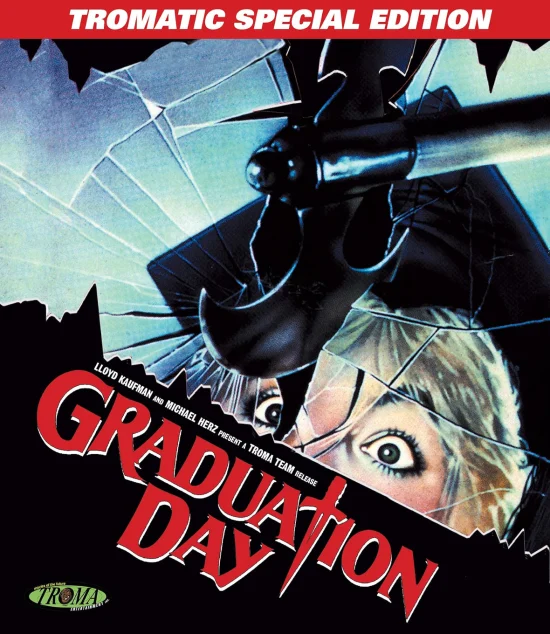
For physical media collectors and aficionados of the golden age of horror, the cult classic slasher film Graduation Day (1981) has officially landed on Blu-ray. Originally unleashed during the height of the early 1980s slasher movie boom, the film has long held a cherished, if idiosyncratic, place in the hearts of horror fans. Distributed via MVD Entertainment Group—with copies available through platforms like MVDShop.com—this high-definition release offers an opportunity to reexamine a motion picture that perfectly encapsulates the stylistic excess, gritty aesthetic, and narrative formula of a bygone cinematic era.
Directed by Herbert Wise, Graduation Day stars veteran actor Christopher George alongside genre icons E.G. Daily and scream queen Linnea Quigley. The plot centers on a prestigious high school track team where a star athlete tragically collapses and dies during a meet. Shortly thereafter, a mysterious, masked assailant begins picking off the remaining students and faculty members one by one in increasingly gruesome fashion.
While film historians and mainstream critics historically overlooked the picture in favor of heavyweights like Halloween (1978) or Friday the 13th (1980), Graduation Day has endured through decades of midnight screenings, bootleg VHS tapes, and subsequent home video iterations. The new Blu-ray release brings the distinct texture of 1981 filmmaking to modern high-definition displays, cementing the movie’s status as a quintessential piece of slasher history.
Chronology
To understand the cultural and industrial significance of Graduation Day, one must trace the timeline of the early 1980s horror landscape, a period defined by rapid commercialization and exploitation of the modern bogeyman formula.
- October 1978: John Carpenter’s Halloween is released, proving that independent, low-budget horror films centering on masked killers and teenage victims could yield unprecedented box office returns.
- Friday, May 13, 1980: Paramount Pictures releases Sean S. Cunningham’s Friday the 13th, shattering box office expectations and unleashing a nationwide panic—and commercial frenzy—over graphic, youth-centric murder mysteries.
- Late 1980 to Early 1981: Motion picture studios and independent producers scramble to capitalize on the formula. Scores of cash-in horror films enter production, utilizing similar templates involving high schools, summer camps, and localized holidays.
- May 1981: Graduation Day receives its theatrical release. Produced by Troma Entertainment co-founder Lloyd Kaufman (uncredited) and directed by Herbert Wise, the film arrives precisely when the market is saturated with copycats asking a singular question: How many teenagers can a killer dispatch before the end credits?
- 1980s–1990s VHS Era: As home video explodes, Graduation Day finds a second life on magnetic tape, frequently rented by teenagers scanning video store shelves for the most shocking cover art and titillating titles.
- 2000s–2010s Digital Transition: The film transitions to standard-definition DVD formats, often packaged in multi-movie horror collections, gradually expanding its cult following among dedicated genre completionists.
- October 2026: MVD Entertainment Group issues a dedicated Blu-ray release of Graduation Day, making the film readily accessible to a modern generation of physical media collectors via MVDShop.com.
Supporting Data
When analyzing Graduation Day within the broader context of 1980s cinema, several production details, stylistic choices, and cast credentials help explain its enduring appeal:
- The Cast: The film benefits enormously from a recognizable ensemble. Christopher George, a seasoned television and film actor known for The Rat Patrol and Lucio Fulci’s City of the Living Dead, lends unexpected gravitas to his role. Meanwhile, E.G. Daily—who would soon achieve mainstream fame in films like Valley Girl (1983) and as the voice of Tommy Pickles in Rugrats—adds youthful energy. Most notably, legendary scream queen Linnea Quigley makes an early career appearance, foreshadowing her status as a horror icon of the decade.
- Box Office and Market Position: While precise contemporary box office figures are difficult to verify due to independent regional distribution deals common in the early ’80s exploitation market, Graduation Day performed well enough on its modest budget to satisfy investors and secure international distribution.
- Aesthetic Profile: Shot on 35mm film stock, the movie exhibits the characteristic grain, muted color grading, and imperfect lighting typical of low-budget productions of the era. Rather than looking slick or over-produced, the film relies on a sleazy, atmospheric sheen that modern horror retrospectives often praise for its authenticity.
- Kill Count and Ramping Tension: True to slasher conventions, the narrative utilizes a steadily escalating body count. Deaths occur via various implements, ranging from athletic equipment turned lethal to traditional edged weapons, satisfying the visceral demands of the genre’s core demographic.
Official Responses and Critical Reception
Contemporary reviews of Graduation Day upon its 1981 theatrical run were largely dismissive, with mainstream critics characterizing the film as a derivative, unimaginative clone of superior entries like Prom Night (1980) and Happy Birthday to Me (1981). Reviewers frequently pointed out narrative contrivances, clunky dialogue, and a whodunit mystery that could be solved by observant viewers well before the climax.
However, modern critical reassessments—such as recent analyses by genre historians and boutique home video reviewers—offer a starkly different perspective. Reviewers have increasingly championed the film not for high-art aspirations, but for its unpretentious commitment to pure entertainment value.
Industry commentary surrounding the MVD Blu-ray release highlights the sentiment that modern horror audiences are fatigued by hyper-polished, committee-driven studio horror pictures. As noted by genre critics reviewing the physical media drop, fans actively seek out the unpolished edges, eccentric character motivations, and distinctive atmosphere found in lesser-known 1980s titles. While critics acknowledge that the mystery is not airtight and characters frequently make irrational decisions that virtually guarantee their demise, these very flaws are now viewed as endearing hallmarks of the midnight movie tradition.
Implications
The arrival of Graduation Day on Blu-ray carries broader implications for the physical media market, film preservation, and the ongoing cultural reappraisal of exploitation cinema.
1. The Resilience of Physical Media and Boutique Labels
In an era dominated by subscription streaming services that frequently shuffle and remove content without warning, the physical media market has bifurcated into a collector-driven ecosystem. Boutique distribution companies—such as Vinegar Syndrome, Scream Factory, and MVD—thrive by rescuing forgotten, obscure, and maligned titles from obscurity. The release of Graduation Day demonstrates that there is a commercially viable, highly dedicated audience willing to invest in pristine, high-definition restorations of bottom-shelf classics.
2. Re-evaluating Exploitation Cinema
The critical rehabilitation of films like Graduation Day reflects a broader shift in film criticism. Movies once dismissed as trash are now recognized as valuable cultural artifacts that capture the socio-economic anxieties, youth culture, and aesthetic trends of the Reagan-era United States. By preserving these works, distributors ensure that film students, historians, and casual fans alike can study the entire ecosystem of cinema, rather than just the critically sanctioned masterpieces.
3. Nostalgia as a Economic Driver
The enduring popularity of the early ’80s slasher aesthetic proves that nostalgia remains one of the most powerful forces in modern entertainment. Whether through retro synthwave soundtracks, VHS-style packaging, or theatrical re-releases of forgotten slashers, audiences continue to seek comfort and thrill in the tactile, analog aesthetic of the past. Graduation Day stands ready to entertain a new generation of viewers willing to overlook narrative shortcomings in exchange for genuine genre history, reminding everyone why the golden age of the slasher continues to cast such a long shadow over modern horror.
