
The Sound of Suspicion: Logan Nelson’s Atmospheric Score for the Psychological Thriller Family
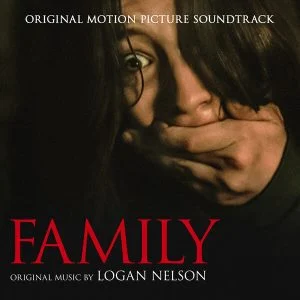
The psychological horror-thriller Family, directed by Benjamin Finkel, has made a significant impact on the genre landscape since its debut at the 2024 SXSW Film Festival. Beyond its unsettling narrative and acclaimed performances, the film’s sonic identity—crafted by composer Logan Nelson—has emerged as a vital component in its critical reception. Lakeshore Records has officially released the original motion picture soundtrack, offering listeners an immersive, if harrowing, dive into the film’s fractured reality.
The Intersection of Genre and Sound: Main Facts
The soundtrack for Family features an original score by Logan Nelson, a composer increasingly recognized for his ability to underscore complex, reality-bending narratives. Nelson, whose previous credits include Elizabeth Taylor: The Lost Tapes, Nothing Lasts Forever, and Mastermind: To Think Like a Killer, brings a nuanced, textural approach to this project.
The album, now available across major streaming and digital platforms including Amazon, encapsulates the film’s core tension. The narrative of Family follows a 10-year-old girl who becomes convinced that her parents are plotting her demise. As she attempts to rationalize this perceived threat, she descends into a dark, supernatural-tinged fantasy world, attributing her plight to a sinister, malevolent spirit. With a cast anchored by the formidable Ruth Wilson, alongside Ben Chaplin, Cameron Dawson Gray, and Allan Corduner, the film serves as a high-stakes study of paranoia and domestic dread.
A Chronology of the Project
The journey of Family from concept to screen and score has been a measured process.
- 2024 (March): The film held its world premiere at the SXSW Film Festival, where it garnered attention for its claustrophobic atmosphere and the performances of its ensemble cast.
- 2026 (September): Vertical secured the distribution rights, bringing the film to both select theaters and Video-On-Demand (VOD) platforms, allowing for a wider audience reach.
- 2026 (October): Lakeshore Records officially released the score, signaling the completion of the film’s post-production lifecycle and inviting audiences to experience the music as a standalone narrative.
The development of the score occurred during the final stages of the film’s post-production, a period where Finkel and Nelson worked closely to ensure that the musical cues reflected the protagonist’s internal instability. The transition from the film’s festival circuit run to its wide commercial release was bolstered by the anticipation surrounding the soundtrack, which fans of psychological horror have noted for its departure from traditional jump-scare tropes.
Supporting Data: An Analytical Look at the Score
The album’s tracklist serves as a map of the protagonist’s psychological unraveling. Through 16 distinct compositions, Nelson utilizes a mix of traditional instrumentation and experimental sound design to represent the film’s shifting reality.
Tracklist Breakdown
- Summer, 2002 (1:10) – Establishes the nostalgic, potentially unreliable baseline of the protagonist’s memory.
- Liebestraum (0:56) – A subversion of classical romanticism, twisted to fit the film’s unsettling tone.
- Goodnight, Moon (1:12) – A lullaby-turned-menace that highlights the corruption of childhood safety.
- Schubert-esque (0:45) – Continues the theme of classical decay.
- Tree Occludes Dog (1:15) – A title suggestive of the visual barriers the protagonist experiences.
- Song for Johanna (1:05)
- Scherzo for Seizure and Antics (1:07) – A departure into dissonance, mirroring the girl’s loss of control.
- Klystronic Variation No. 1 (2:28) – A highlight of the album, showcasing Nelson’s penchant for electronic experimentation.
- Differing Accounts of Ancient History (0:53)
- Glass Meets Tongue (1:06) – An auditory representation of the film’s more visceral, sensory-based horrors.
- Song for Naomi (1:36)
- Play the Red Game, Win the Red Prize (2:13)
- Skin the Clown (4:55) – The longest and perhaps most ominous piece, serving as the score’s dramatic peak.
- A Children’s Devil (4:34)
- Threnody for My Father (1:12) – A mournful reflection on the dissolution of the familial bond.
- Family (1:35) – The title track, which acts as the thematic synthesis of the entire experience.
The data suggests a deliberate move toward minimalism in the earlier tracks, transitioning into dense, multi-layered soundscapes as the film reaches its climax. The use of titles like Glass Meets Tongue and Skin the Clown indicates a focus on body horror and tactile discomfort, which Nelson enhances through sharp, abrasive frequencies.
Official Responses and Creative Direction
Director Benjamin Finkel has spoken extensively about the role of the score in Family. In various press statements, Finkel emphasized that he did not want a traditional horror score that merely signaled when the audience should feel scared. Instead, he sought a "psychological mirror."
"Logan understands that the true horror in this story isn’t the ghost the girl thinks she sees, but the erosion of her own trust," Finkel noted during a post-screening Q&A at SXSW. "The music had to reflect a child’s logic—where a game and a nightmare are essentially the same thing."
Logan Nelson’s approach was equally collaborative. He described his process as "archaeological," noting that he spent weeks looking for sounds that felt "stale or discarded," much like the memories the protagonist clings to. "The goal was to create a sound that felt like a house settling—creaky, organic, but ultimately hiding something heavy underneath the floorboards," Nelson stated in a recent interview.
Critics have echoed these sentiments, noting that the score’s lack of bombastic orchestral swell makes the more intimate moments of the film feel significantly more invasive. The inclusion of tracks like Klystronic Variation No. 1 demonstrates Nelson’s ability to move beyond standard horror tropes, incorporating industrial elements that ground the film in a gritty, uncomfortable reality.
The Implications of the Family Soundtrack
The release of the Family soundtrack has broader implications for the horror genre. In recent years, there has been a resurgence of "elevated horror" or "prestige horror," where the score is treated with as much artistic weight as the cinematography or screenplay. Nelson’s work on Family contributes to this trend, demonstrating that the audience’s psychological engagement is often dictated by the auditory environment rather than visual gore.
Impact on Composer Reputation
Logan Nelson has firmly solidified his position as a composer to watch. By choosing projects that deal with intense character studies—such as The Last Republican or Mastermind—he has curated a portfolio that prioritizes tension over spectacle. The Family soundtrack is likely to open doors for more high-profile psychological thrillers, as directors seek composers who can handle complex, layered emotional narratives.
Commercial and Artistic Longevity
The decision by Lakeshore Records to release the soundtrack on major streaming platforms reflects the growing market for horror scores. Often, listeners find these scores effective for productivity or ambient listening, and the diverse tracklist—ranging from the short, delicate Schubert-esque to the expansive, four-minute Skin the Clown—provides a comprehensive listening experience.
Furthermore, the film’s VOD success under Vertical suggests that Family is finding a cult audience. As the film gains traction on digital platforms, the soundtrack will likely serve as an entry point for new fans, effectively keeping the film’s themes alive in the public consciousness long after the initial theatrical window has closed.
Conclusion: A Sonic Testament to Dread
The Family soundtrack is more than a collection of background cues; it is a meticulously crafted psychological document. Logan Nelson’s ability to translate a child’s descent into paranoia into a cohesive, unsettling musical journey provides the necessary depth to make Benjamin Finkel’s vision truly haunting. As the audience navigates the thin line between the mundane and the monstrous, it is Nelson’s score that guides them, ensuring that the fear remains not just on the screen, but in the ears of the listener. Whether one is watching the film or simply listening to the album, the message remains clear: in this Family, nothing is as it seems, and every sound carries the weight of a secret.
