
Timeless Romance in the Eternal City: A Comprehensive Retrospective on William Wyler’s Roman Holiday (1953)
Main Facts: The Enduring Legacy of a Cinematic Masterpiece
Released by Paramount Pictures in August 1953, Roman Holiday remains one of the most beloved romantic comedies in the history of motion pictures. Directed and produced by the legendary William Wyler, the film is anchored by the enchanting pairing of Audrey Hepburn—in her breakout, star-making leading role—and Hollywood stalwart Gregory Peck.
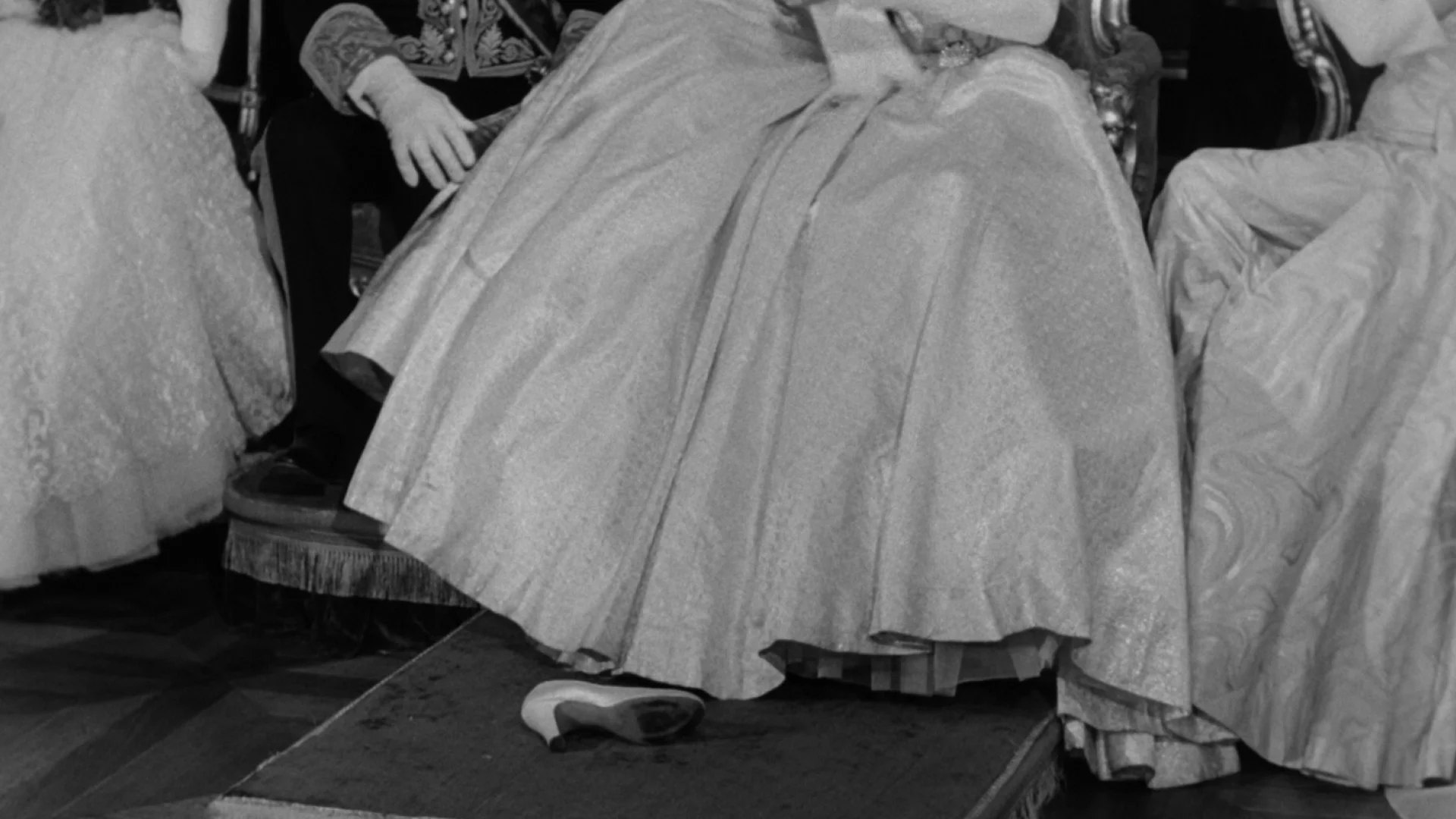
Ranked by the American Film Institute (AFI) at number four among cinema’s greatest love stories, Roman Holiday transcends its era through its clever blend of fairy-tale whimsy and grounded, bittersweet realism. The narrative follows Ann, a young European princess chafing under the rigid constraints of her royal obligations, who slips away from her entourage during an official state visit to Rome. Exhausted by a mild sedative administered by her doctors, she falls asleep on a public bench, where she is serendipitously discovered by Joe Bradley, an American newspaper reporter stationed in the Italian capital.
Unaware of her true identity at first, Bradley soon realizes he has stumbled upon the scoop of a lifetime. However, as the pair spend a whirlwind 24 hours exploring the sights, sounds, and hidden corners of Rome—riding a Vespa through bustling traffic, tossing coins into the Trevi Fountain, and visiting the haunting Mouth of Truth—transactional opportunism blossoms into genuine, profound affection.
The production was notable not only for its onscreen magic but also for its profound institutional ties to the American Film Institute. Both Gregory Peck and William Wyler hold foundational places in AFI’s history: Peck served as the organization’s founding chair when it was established in 1967, and both men are esteemed recipients of the AFI Life Achievement Award, the highest civilian honor bestowed for a career in film. Furthermore, both Hepburn and Peck were recognized by the Institute among the greatest screen legends of all time, cementing Roman Holiday as a convergence of towering cinematic royalty.
Chronology: From Concept to Screen and Institutional Immortality
The Pre-Production and Blacklist Era (Late 1940s–1952)
The genesis of Roman Holiday carries a fascinating historical footnote involving the Hollywood Blacklist. The story was originally conceived by writer Dalton Trumbo, who won an Academy Award for Best Story for the film. However, due to his blacklisting during the McCarthy era for refusing to cooperate with the House Un-American Activities Committee (HUAC), Trumbo’s name was initially scrubbed from the credits, with credit instead assigned front man Ian McLellan Hunter. It wasn’t until decades later, in 2011, that the Writers Guild of America officially restored Trumbo’s name to the film’s official credits.
Originally envisioned by director Frank Capra as a vehicle for Elizabeth Taylor and Cary Grant, the project shifted hands when Capra dropped out. William Wyler stepped in, bringing his trademark meticulousness, insistence on authentic location shooting, and deep appreciation for character-driven drama.
The Roman Shoot (Summer 1952)
Unlike many Hollywood productions of the early 1950s that relied heavily on studio backlots and rear-projection screens, Wyler made the bold and revolutionary decision to shoot Roman Holiday entirely on location in Rome. For several months in the summer of 1952, the production transformed the Italian capital into an open-air soundstage.
The shoot captured the authentic post-war Italian atmosphere, utilizing iconic landmarks such as the Spanish Steps, the Colosseum, the Trevi Fountain, and the Palazzo Colonna. This documentary-style approach lent the romantic comedy an unprecedented sense of immediacy and realism, capturing a vibrant Rome rising from the ashes of World War II.
The Premiere and Critical Triumph (August 1953)
Roman Holiday premiered in New York City on August 27, 1953, to overwhelming critical acclaim and immediate commercial success. Critics lauded the fresh, effervescent screen presence of newcomer Audrey Hepburn, the debonair charm of Gregory Peck, and Wyler’s deft pacing.
At the 26th Academy Awards held in 1954, the film garnered ten nominations and three major wins:
- Best Actress in a Leading Role: Audrey Hepburn
- Best Story: Dalton Trumbo
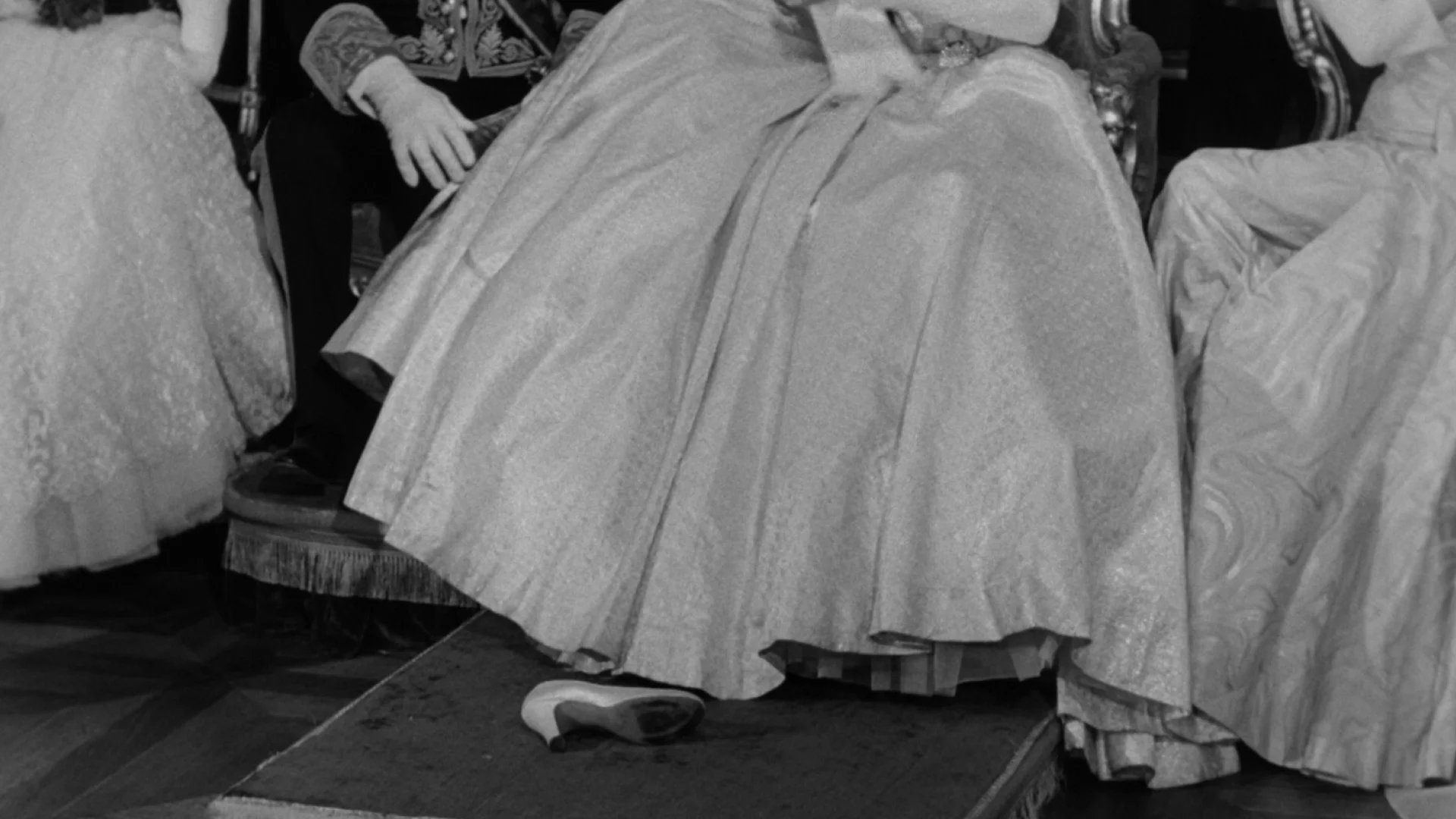
- Best Costume Design (Black-and-White): Edith Head
Hepburn’s historic Oscar win for her very first major American film role instantly catapulted her into the upper echelon of global superstardom, initiating a legendary career that would span decades.
Institutional Preservation and the AFI Era (1967–Present)
As cinema evolved, Roman Holiday transitioned from a box-office hit to a canonical masterwork of film history. In 1967, Gregory Peck helped establish the American Film Institute, an organization dedicated to identifying, preserving, and celebrating America’s rich cinematic heritage.
Over the decades, AFI has repeatedly enshrined Roman Holiday in its prestigious "100 Years…" series. The film was selected not only as one of the greatest love stories of all time (ranking #4) but also secured a revered spot in the hearts of critics, filmmakers, and audiences alike. In 1999, the United States Library of Congress selected Roman Holiday for preservation in the National Film Registry, deeming it "culturally, historically, or aesthetically significant."
Supporting Data: Production Metrics, Accolades, and Cultural Impact
To fully understand the monumental impact of Roman Holiday, it is essential to examine the production statistics, box office data, and critical accolades that defined its lifecycle.
Box Office and Production Statistics
- Production Budget: Approximately $1.5 million (a substantial sum for a location shoot in Europe at the time).
- Box Office Gross: Surpassed $5 million in initial domestic rentals alone, turning a significant profit for Paramount Pictures and proving that on-location European romantic comedies could capture American audiences.
- Academy Awards: 10 Nominations, 3 Wins (Best Actress, Best Story, Best Costume Design).
- BAFTA Awards: Audrey Hepburn won the BAFTA Award for Best British Actress in a Leading Role (1954).
- Golden Globe Awards: Audrey Hepburn won the Golden Globe for Best Actress – Motion Picture Drama (1954).
The AFI "100 Years…" Rankings
The American Film Institute has repeatedly highlighted the enduring cultural resonance of Roman Holiday across multiple lists:
- AFI’s 100 Years…100 Passions: Ranked #4 among the greatest love stories in American cinema history (surpassed only by Casablanca, Gone with the Wind, and West Side Story).
- AFI’s 100 Years…100 Stars: Featured Audrey Hepburn (#3 among greatest female screen legends) and Gregory Peck (#12 among greatest male screen legends).
- AFI Life Achievement Awards: Both William Wyler (1975) and Gregory Peck (1989) received the Institute’s highest individual honor.
Official Responses and Archival Perspectives
Film historians, institutions, and the creators themselves have long reflected on the unique alchemy that made Roman Holiday a cinematic touchstone.
In archival statements curated by the American Film Institute, the relationship between Wyler, Peck, and Hepburn is frequently cited as a masterclass in collaborative artistry. William Wyler, renowned for demanding dozens of takes to squeeze authentic emotion from his actors, found a willing and deeply intuitive partner in Audrey Hepburn.
Reflecting on her breakout role and working with Wyler, Hepburn frequently credited the director with shaping her understanding of cinematic performance:

"William Wyler taught me everything I knew about acting for the camera. He gave me patience, grace, and an understanding of the delicate honesty required to make an audience believe in a fairy tale."
Gregory Peck’s legendary status within the industry was further cemented by his humility during the production. Demonstrating his profound belief in his unknown co-star, Peck famously insisted before the film’s release that Paramount Pictures give Hepburn equal billing above the title. He reportedly told studio executives that if they didn’t, they would look foolish because she was going to win the Academy Award. History proved his intuition entirely correct.
The American Film Institute, through its ongoing cataloging and educational initiatives via the AFI Catalog, continues to champion Roman Holiday as a shining example of classical Hollywood craftsmanship. The Institute notes:
"ROMAN HOLIDAY stands as an eternal testament to the magic of screen chemistry. In pairing the timeless elegance of Audrey Hepburn with the grounded nobility of Gregory Peck, under the steady hand of William Wyler, the film created a blueprint for romantic cinema that has never been surpassed."
Implications: The Enduring Blueprint of Modern Romantic Cinema
The legacy of Roman Holiday extends far beyond its mid-century origins, leaving a profound and lasting imprint on the genres of romantic comedy and drama.
Pioneering Location Filmmaking
By taking a major Hollywood production out of the controlled environment of the studio soundstage and into the vibrant, chaotic streets of Rome, Wyler and Paramount broke industry conventions. This stylistic choice paved the way for the European-set romantic pictures of the late 1950s and 1960s, proving that authentic geography could serve as an active, breathing character within a narrative rather than a mere painted backdrop.
Redefining the Hollywood Heroine
Before Roman Holiday, romantic comedies often relied on sophisticated, worldly heroines or snappy screwball archetypes. Princess Ann introduced a refreshing vulnerability, innocence, and emotional complexity. Her character arc—transitioning from a trapped, duty-bound royal to an empowered young woman who learns to claim agency over her own life, even if only for a single day—resonated deeply with post-war audiences, particularly women entering a changing socio-economic landscape.
The Bittersweet Ending as a Narrative Standard
Perhaps the film’s most enduring implication is its refusal to conform to the traditional, saccharine Hollywood "happily ever after." By choosing duty over personal desire, the film subverted audience expectations, delivering a poignant, bittersweet conclusion that lingers in the viewer’s mind long after the credits roll. This emotional realism established a narrative template utilized by countless subsequent romantic dramas, proving that love stories do not need a traditional wedding ring to be profoundly satisfying.
Today, as audiences continue to discover the film via streaming platforms, digital restoration, and institutional retrospectives, Roman Holiday remains a sparkling crown jewel of American cinema. It stands as a monument to the golden age of Hollywood, a love letter to the Eternal City, and an everlasting showcase for the inimitable, radiant grace of Audrey Hepburn and Gregory Peck.
