
The Invisible Craft: How Zach Cregger’s Resident Evil Redefines Modern Blockbuster VFX
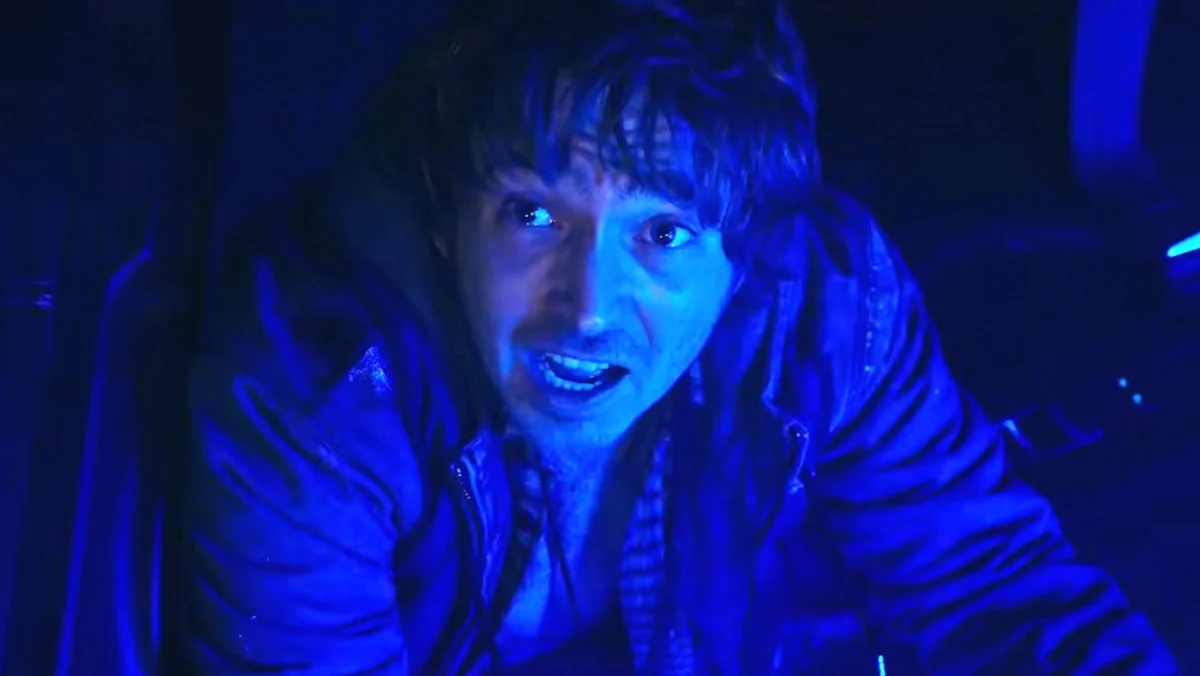
In an era where the discourse surrounding blockbuster filmmaking is dominated by a reactionary "practical effects vs. CGI" binary, Zach Cregger’s latest entry in the Resident Evil franchise offers a masterclass in subtlety and integration. While audiences continue to debate the merits of digital versus tactile filmmaking, Cregger’s film quietly achieves a feat of technical wizardry that escapes the notice of even the most discerning viewers: a staggering 83% of the film’s total runtime is comprised of visual effects.
This revelation, provided exclusively by Weta FX visual effects supervisor Kevin Smith, challenges the current industry trend of marketing films as "primarily practical." Instead of relying on the superficial allure of practical effects as a marketing hook, Cregger and his team have opted for a more sophisticated, invisible approach to world-building that elevates the source material into a relentless, high-octane cinematic experience.
The Foundation: A New Vision for a Legacy Franchise
Zach Cregger’s take on Resident Evil has been widely lauded as a breath of fresh air for a franchise that has struggled to find its footing in the cinematic landscape. By decoupling the narrative from the established game lore and focusing on a grounded, "everyman" perspective, Cregger allows the audience to enter the horror without needing to study decades of franchise history.
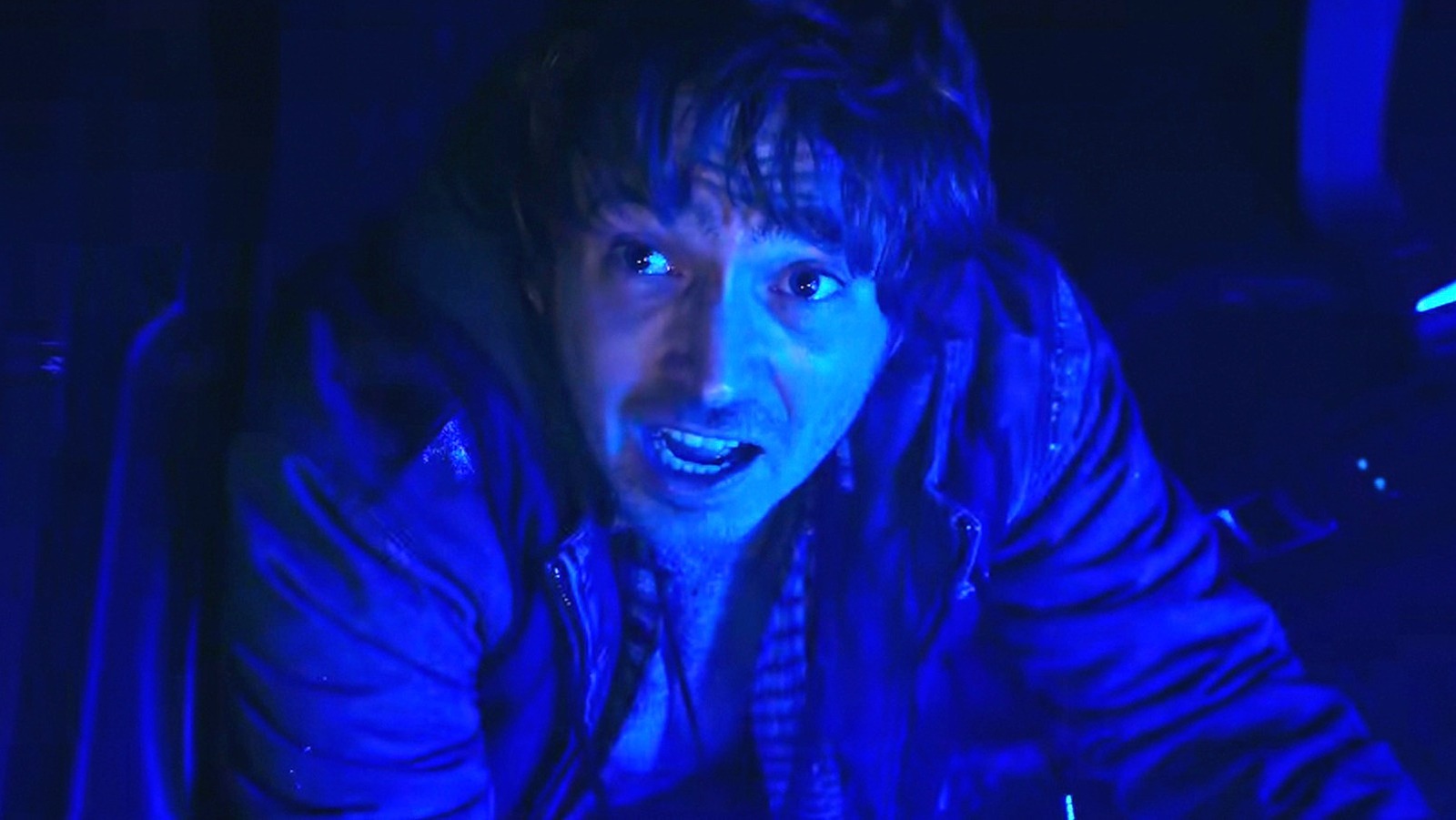
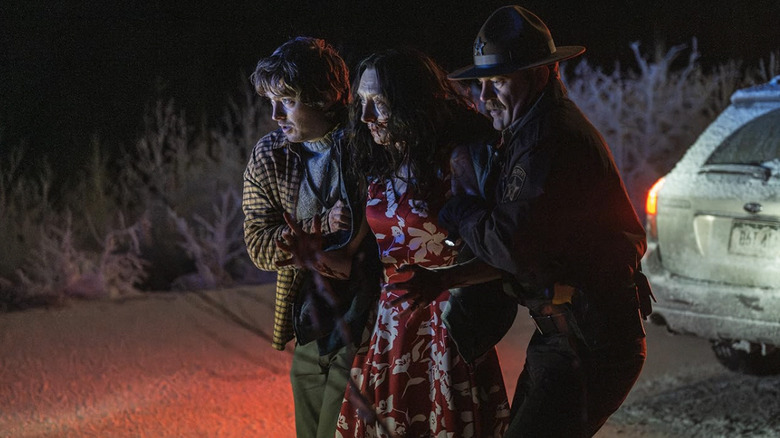
The story centers on Bryan (played by Austin Abrams), a man thrust into a chaotic, zombie-ridden nightmare while attempting to deliver a mysterious package to a hospital. It is a premise that thrives on tension and kinetic energy. However, beneath the surface of this adrenaline-fueled narrative lies an incredibly complex digital infrastructure designed to enhance, rather than distract from, the visceral nature of the horror.
A Chronology of Deception: Why 83% Matters
The reliance on visual effects is rarely a sign of a "lazy" production; in the case of Resident Evil, it is a testament to the sheer scale of the vision. During the production process, the collaboration between Cregger’s directing team and the experts at Weta FX was focused on a singular goal: total immersion.
- Pre-Production Planning: Early stages involved heavy storyboarding to determine where CGI would be necessary to augment the environment, particularly during the high-speed chase sequences.
- The Principal Photography Phase: While the cast interacted with various practical elements, the environment was designed to be modular. This allowed for the seamless integration of digital assets during post-production.
- The Post-Production Deep Dive: This was where the bulk of the 83% runtime was solidified. Every frame was analyzed for lighting, color consistency, and the integration of the "Pedestrian" creature.
- Final Polish: The "invisible" work—the touch-ups, the environmental enhancements, and the subtle adjustments to character movement—ensured that the digital elements felt like a natural extension of the practical world.
Kevin Smith notes that the high percentage of VFX usage is intentionally imperceptible. "I know people are going to leave this movie and go, ‘Well, yeah, there was a couple monsters and the guys jumped from the thing, but I heard online and it was all practical,’" Smith explains. For the visual effects team, this is the highest form of praise. They have succeeded in creating a seamless experience where the seams are entirely invisible to the human eye.
Supporting Data: The Anatomy of a Digital Nightmare
The most iconic and terrifying entity in the film is undoubtedly "The Pedestrian." A grotesque, rolling sphere of human limbs and chaos, the creature serves as a persistent, singular antagonist. Bringing this character to life required more than just advanced physics simulations; it required a narrative logic that the audience could track, even in the heat of a chase.
The Logic of the Pedestrian
To avoid the common pitfall of "monster fatigue"—where a creature becomes an abstract, unrecognizable blob—Cregger and the VFX team established a visual "DNA" for the Pedestrian. Because the creature absorbs victims, it changes shape constantly. To keep the audience anchored, the design team implemented specific, recognizable identifiers:

- The Red Dress: A core component of the creature’s aesthetic, the dress acts as a visual anchor, allowing viewers to track the creature even when it is in a state of rapid, violent reconfiguration.
- Itemized Details: Shoes, pajamas, and specific accessories from the assimilated victims are meticulously tracked throughout the film. If a character is wearing a specific green pajama set, that texture remains a part of the Pedestrian’s composition in subsequent shots.
- Spatial Persistence: Even when the monster is moving at high speeds, the digital artists ensured that these small, recognizable details were preserved, signaling to the viewer that this is a single, determined entity pursuing Bryan.
This level of detail is what separates a generic CGI monster from a memorable horror icon. It demonstrates a commitment to storytelling that respects the audience’s intelligence, ensuring that the spectacle remains grounded in character.
Official Responses and the State of the Industry
In recent years, the industry has seen a troubling trend: directors and producers minimizing the involvement of their VFX teams to capitalize on the public’s preference for "practical effects." This, according to many in the industry, does a disservice to the thousands of artists who spend years crafting these worlds.
Zach Cregger has avoided this trend entirely. By allowing his VFX supervisors to openly discuss the extent of their work, he is fostering a more honest dialogue about the realities of modern filmmaking. The message from the production is clear: the medium (digital vs. practical) is secondary to the quality of the execution.
"It’s just such a good movie and it’s so compelling," Smith says of the final result. "And honestly, once it kicks off, this movie, you’ve seen, it’s relentless. It’s pedal to the floor, let’s f***ing go. And you just don’t pay any attention to how [many] visual effects [there are]."
The Implications: A New Standard for Horror
What does this mean for the future of the Resident Evil franchise and the broader horror genre? Firstly, it confirms that big-budget horror can be both spectacular and intimate. By utilizing high-end VFX to augment the environment, Cregger has created a film that feels expansive without losing the claustrophobic dread essential to the source material.
Secondly, it challenges the "anti-CGI" sentiment that has become pervasive in online film communities. When CGI is used to solve problems—like tracking a multi-limbed creature or creating a consistent sense of space in a high-speed chase—it becomes an essential tool of the filmmaker, not a shortcut.
Finally, the success of Resident Evil suggests that audiences are not actually against visual effects; they are against bad visual effects. When the digital artistry is treated with the same level of care and attention to detail as the script or the performances, the audience is more than happy to suspend their disbelief.
As Resident Evil continues its run in theaters, it stands as a landmark example of how to balance technological ambition with narrative cohesion. It is a film that demands to be watched not for its technical statistics, but for the way those statistics disappear into the background of a truly terrifying story. Whether you are a fan of the games or a newcomer to the horror genre, the film provides a compelling argument that the best effects are the ones you never see coming.
