
The Uncontainable Spirit of Frida: Carla Gutiérrez Debuts an Intimate Cinematic Portrait
By [Your Name/Journalistic Desk]
The 2024 Sundance Film Festival marked a significant milestone not just for the festival, but for one of its most familiar behind-the-scenes architects. Carla Gutiérrez, a veteran editor whose influence on documentary cinema has been felt for over a decade, stepped into the spotlight to premiere her directorial debut, Frida. Competing in the prestigious U.S. Documentary Competition, the film serves as a visceral, deeply personal examination of the iconic Mexican artist, Frida Kahlo.
For Gutiérrez, this transition from the editing suite to the director’s chair was not merely a career move; it was a homecoming of sorts. Having served as a Sundance Institute advisor, a juror, and a multi-time festival participant, Gutiérrez viewed the premiere as the culmination of her long-standing relationship with the organization. "Who is going to say no to a Sundance premiere?" she remarked, noting the Institute’s unique ability to nurture marginalized voices and elevate filmmakers of color.
The Genesis of an Artistic Odyssey
A Personal Connection to the Canvas
The inspiration behind Frida is rooted in the director’s own life story. At the age of 19, a young Gutiérrez encountered Kahlo’s painting "Borderline." As a recent immigrant from Latin America navigating the complexities of a new country, the imagery of Kahlo suspended between the United States and Mexico resonated deeply.
"As a recent immigrant, I saw myself reflected in that painting, desperately missing home and navigating a new world," Gutiérrez explains. This initial spark grew into a lifelong fascination. Over the decades, Kahlo’s work became a psychological refuge for the filmmaker, providing a language for the grief, joy, and existential displacement that often accompanies the immigrant experience. When the opportunity arose to translate that connection into film, Gutiérrez knew she wanted to bypass the traditional biographer’s lens in favor of something more immediate: the artist’s own voice.
The Methodology of "Living" Archives
The film distinguishes itself by eschewing the typical talking-head interview structure. Instead, Frida is narrated entirely through the primary source materials left behind by the artist: diary entries, personal letters, intimate essays, and rare print interviews.
The search for these materials led the production team to an unexpected goldmine. In a collaborative effort with producer Katia Maguire and associate producer Laura Pilloni, the team sought out Hayden Herrera, the preeminent scholar whose seminal 1983 biography of Kahlo set the standard for academic research.
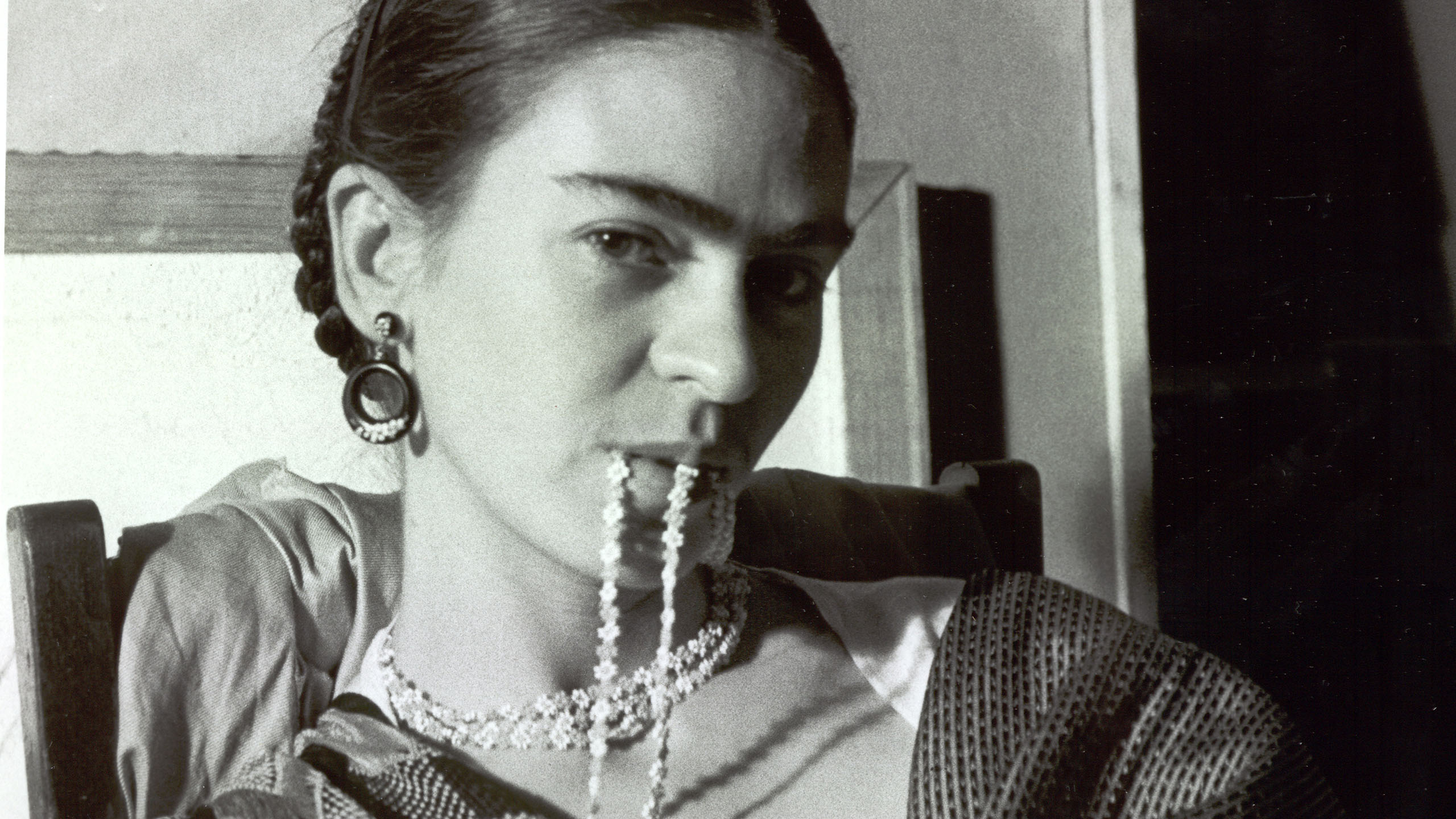
"Our team raided Hayden’s attic—with her permission!" Gutiérrez recalls. What they found was a treasure trove of original research that had remained largely untouched for over 40 years. They discovered not only primary source documents but also long-lost transcripts of interviews with people who had been intimately close to Kahlo during her lifetime. This "archaeological" approach to documentary filmmaking allowed the team to weave a narrative that felt less like a retrospective and more like a direct dialogue with the artist herself.
Chronology of a Visionary Project
The creation of Frida was a multi-year labor of love that required a unique approach to narrative structure.
- Phase I: The Research Synthesis (2020–2021): Following her recognition as a recipient of the Sundance Institute | Adobe Mentorship Award, Gutiérrez began conceptualizing the project. The primary challenge was the fragmented nature of Kahlo’s writings. Unlike a structured interview, these snippets of thought were scattered across various mediums.
- Phase II: Assembling the Team (2022): Gutiérrez prioritized the creation of a fully bilingual, predominantly female-led creative team. This was essential to maintaining the cultural integrity of the subject matter.
- Phase III: The "Attic" Discovery (2023): The successful retrieval and cataloging of the Herrera archives provided the backbone for the film’s narrative arc.
- Phase IV: Post-Production and Festival Premiere (2024): The final edit, drawing on Gutiérrez’s extensive background as a master editor, focused on visual rhythm and emotional pacing, leading to the film’s debut at the 2024 Sundance Film Festival.
Supporting Data and Creative Philosophy
The documentary landscape has long struggled with the "biopic trap"—the tendency to sanitize historical figures into static icons. Frida fights this by focusing on the raw, unpolished humanity of its subject.
Gutiérrez emphasizes that the film explores themes often sidelined in mainstream narratives about Kahlo: gender fluidity, the realities of living with chronic disability, the intensity of obsessive love, and the societal pressures that seek to "contain" women. The film’s aesthetic choices reflect this, utilizing archival visuals that are as vibrant and chaotic as the artist’s own emotional life.
The Mathematical Mind Behind the Lens
Perhaps the most surprising aspect of the filmmaker’s profile is her background in mathematics. A former math major in college, Gutiérrez credits this discipline with her ability to structure complex, non-linear stories. She often refers to herself as a "professional puzzle solver," a skill that proved vital when trying to synthesize decades of scattered, fragmented personal writings into a cohesive, 90-minute cinematic experience.
Official Responses and Industry Reception
The response to the film within the Sundance community has been one of profound appreciation for its stylistic bravery. Critics have highlighted the film’s "unapologetic intimacy," noting that by removing the presence of a narrator, the film allows the audience to confront Kahlo’s vulnerability directly.
"Documentary film is a collaborative experience that requires an immense amount of trust and vulnerability," Gutiérrez notes. Her team’s commitment to the project, supported by a production culture that fostered open communication and shared creative ownership, has set a new benchmark for biographical documentaries. The film’s success is also attributed to its refusal to conform to the standard documentary "expert witness" trope, choosing instead to trust the audience’s ability to decode the artist’s inner world through her own words.
Implications: The Lasting Legacy of Frida
The ultimate goal of Frida extends beyond mere biography. Gutiérrez hopes to trigger a shift in how audiences perceive artistic expression. In her view, the history of art has been marred by societal pressures that force women to suppress their emotions or temper their voices.
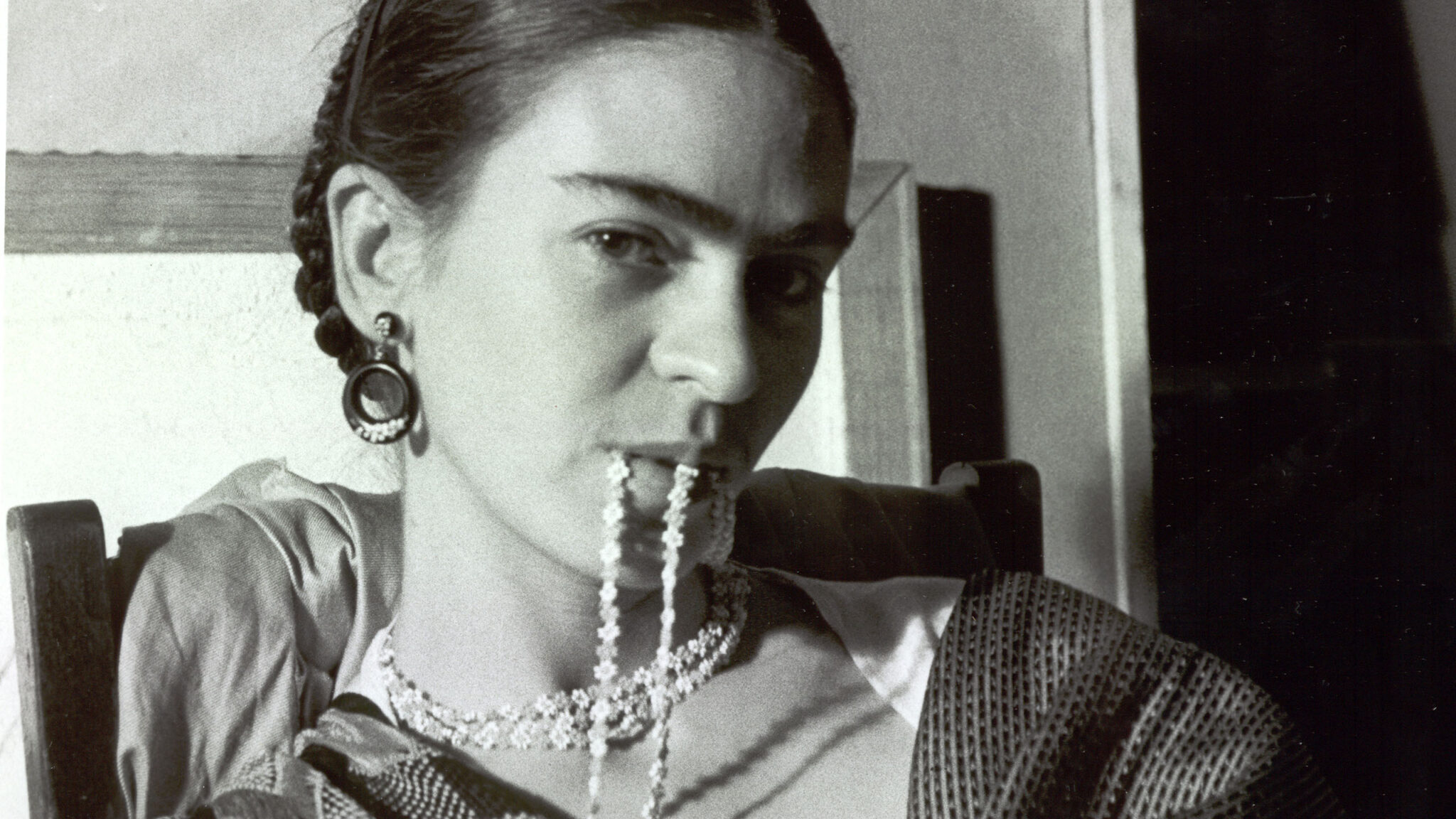
"Throughout history, women have been contained by societal pressures that have then forced us to contain ourselves," she observes. "Frida’s spirit was uncontainable. Her heart bled freely onto her canvases. With this film, I hope to inspire people that letting one’s voice out, loudly, is a good thing."
Looking Toward the Future
For the audience, Frida serves as an invitation to reclaim their own narratives. Whether through the lens of a mathematician-turned-filmmaker or the brush of a legendary artist, the message remains the same: the act of creation is an act of defiance against a world that demands silence.
As for what comes next, Gutiérrez remains as driven as ever. Whether she is listening to the music that fueled the production of the film—such as Marissa Mur’s "Amores"—or finding solace in the simple, grounded pleasures of a quiet life (and perhaps a bit of Häagen-Dazs vanilla bean ice cream), she remains committed to the power of storytelling.
When asked about her legacy as a filmmaker, she is characteristically humble, preferring to let the work speak for itself. However, her actions—mentoring the next generation of documentary editors, championing diverse voices through the Sundance Institute, and creating a definitive portrait of one of history’s greatest artists—suggest a legacy that is already firmly cemented in the annals of modern independent film.
Frida stands as a testament to the idea that the most powerful stories are not found in textbooks, but in the attics of our memories, waiting to be rediscovered, organized, and shared with the world. Through the eyes of Carla Gutiérrez, Frida Kahlo is no longer just a painting on a wall; she is a living, breathing, and above all, uncontainable force of nature.
