
Beyond the Walls of Hope: Why Three Stephen King Adaptations Eclipse ‘The Shawshank Redemption’
Main Facts
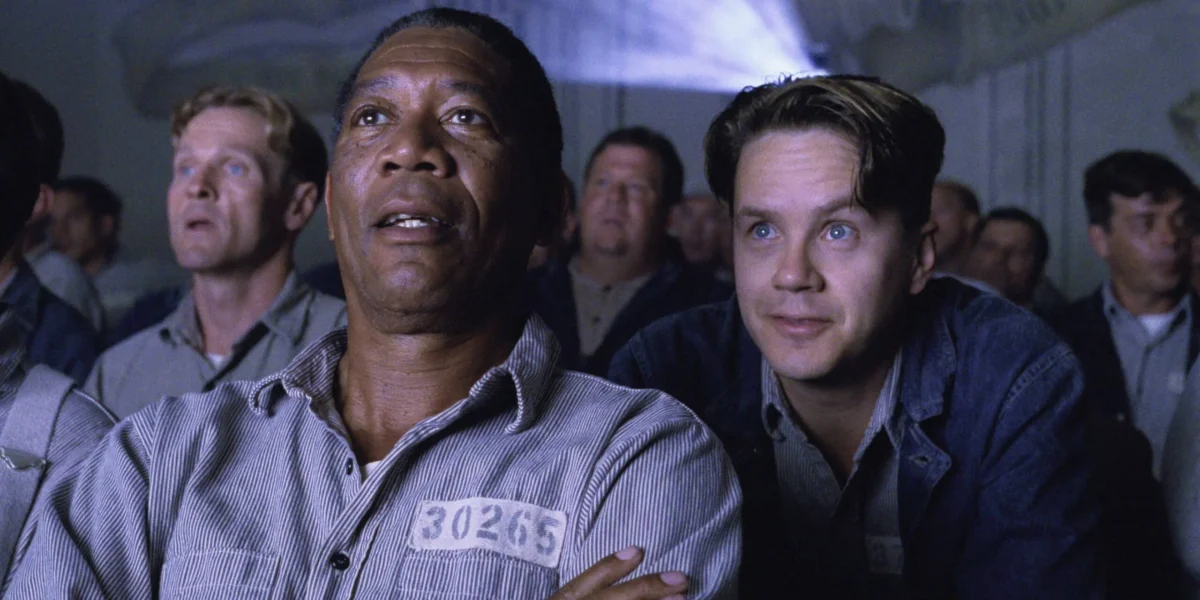
When cinephiles and casual moviegoers alike discuss the pinnacle of Stephen King cinematic adaptations, The Shawshank Redemption (1994) almost invariably takes the crown. Universally acclaimed, emotionally resonant, and anchored by a message of unyielding human resilience, Frank Darabont’s prison drama is the rare film that achieves near-universal consensus. It earns every tear it extracts from its audience and concludes with a soaring, hard-won note of hope that few can argue against.
However, Hollywood’s relationship with the prolific master of horror extends far beyond the confines of Shawshank State Penitentiary. Over the decades, filmmakers have adapted King’s bibliography dozens of times, yielding a massive spectrum of work ranging from forgettable misfires to absolute cinematic masterpieces.
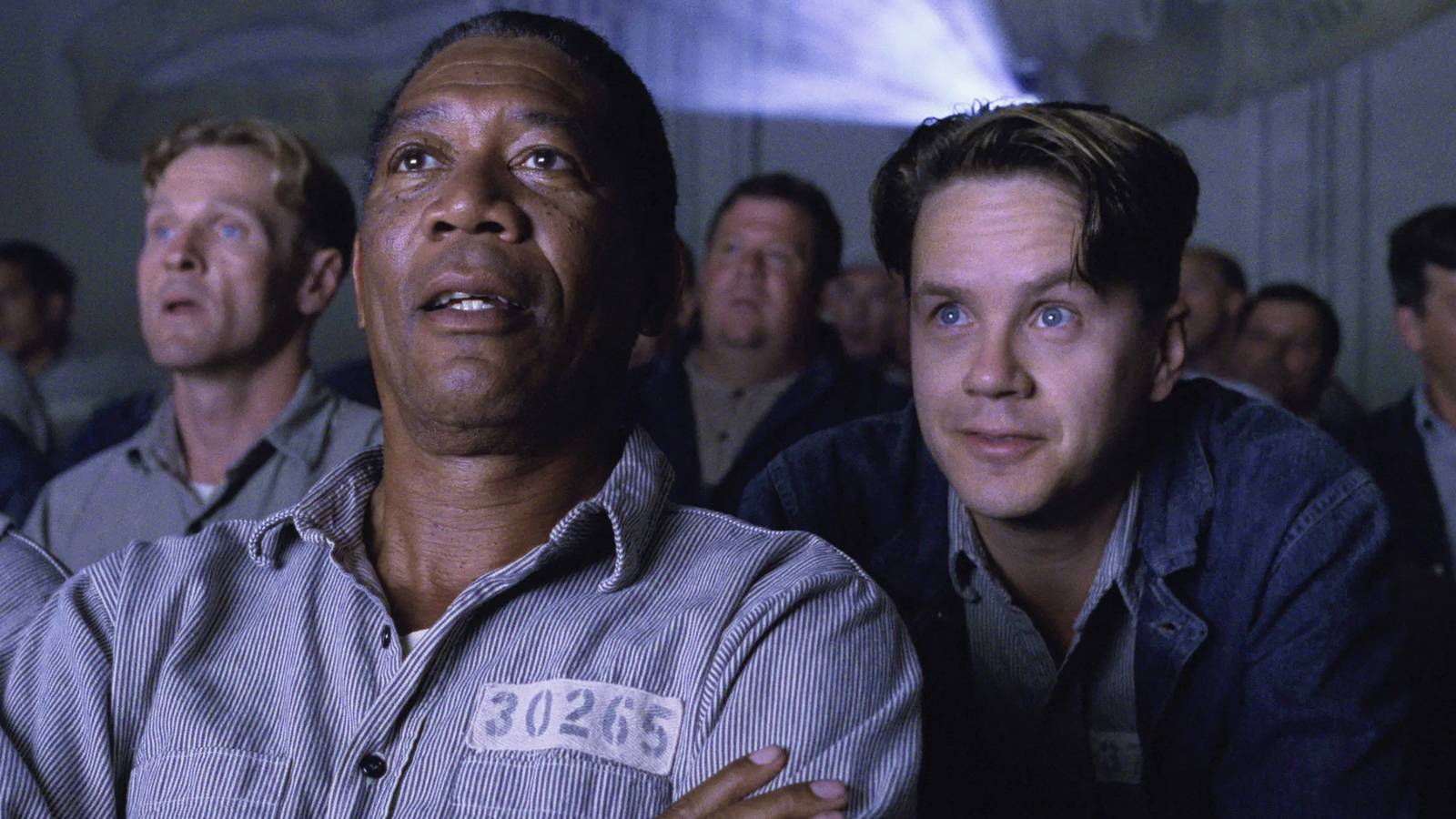
While The Shawshank Redemption remains the gold standard for uplifting, crowd-pleasing cinema, three specific adaptations manage to outshine it by venturing into territories far darker, stranger, and more psychologically profound than Shawshank’s redemptive walls are designed to follow. Brian De Palma’s Carrie (1976), Rob Reiner’s Stand by Me (1986), and Stanley Kubrick’s The Shining (1980) dive headfirst into the terrifying, uncanny places where King’s writing truly thrives. These three films do not merely adapt King; they elevate his source material into immortal pillars of cinematic history, outperforming Shawshank in their ability to haunt the human psyche.
Chronology: The Evolution of Masterpiece King Adaptations
The trajectory of Stephen King on film is defined by distinct eras, marked by how boldly filmmakers translated his literary nightmares onto the screen.

1. The Dawn of Terror: Carrie (1976)
Coming just two years after the publication of King’s debut novel, director Brian De Palma’s Carrie established that literary terror could be translated into high art. Released in 1976, the film arrived during a golden age of paranoid and psychological American cinema. De Palma harnessed the stylistic flourishes of the era—including striking split-screen techniques and an escalating, operatic sense of dread—to capture the claustrophobia of Carrie White’s existence. By setting the blueprint for high-school horror, Carrie proved that King adaptations could be both commercially viable and aesthetically daring, long before prestige dramas like Shawshank entered the cultural lexicon.
2. The Psychotic Mountain Retreat: The Shining (1980)
Four years later, Stanley Kubrick took an entirely different approach to King’s bibliography. Eschewing traditional jump scares in favor of meticulously engineered atmospheric dread, The Shining redefined the psychological horror genre. Kubrick’s notoriously rigorous production process resulted in a film that broke away from conventional storytelling, favoring impossible spatial geometries, hypnotic tracking shots, and a deeply unsettling exploration of domestic isolation and mental disintegration. Though famously disliked by King himself upon release for its divergence from the source material, time has vindicated Kubrick’s vision as an untouchable masterclass in cinematic unease.
3. The Nostalgic Loss of Innocence: Stand by Me (1986)
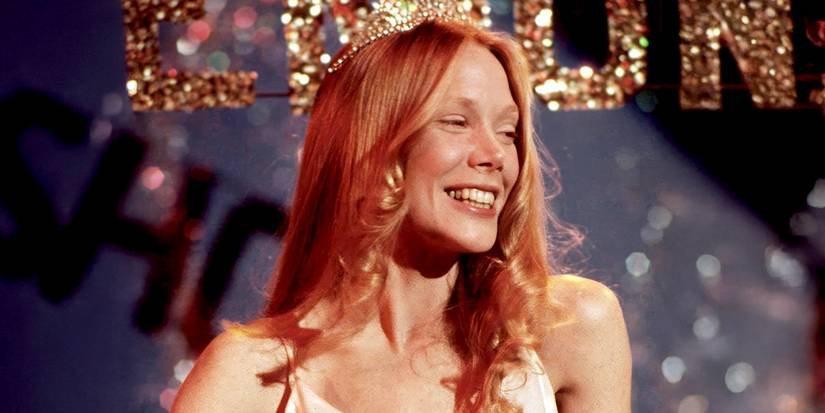
Shifting away from overt horror and supernatural terror, Rob Reiner’s 1986 adaptation of the novella The Body—retitled Stand by Me—proved that King’s non-horror output carried equal emotional weight. Capturing the humid, reflective atmosphere of a 1959 Oregon summer, the film chronicled a formative journey of youth, trauma, and burgeoning maturity. Released midway through the decade, Stand by Me recalibrated public perception of King’s work, demonstrating that his deep understanding of human vulnerability and childhood friendship could anchor a poignant, character-driven drama that rivals Shawshank in emotional authenticity.
Supporting Data & Critical Breakdown
To understand how these three films manage to eclipse The Shawshank Redemption, one must examine the distinct cinematic ingredients that set them apart.
1. Carrie (1976): The Cruelty of Social Isolation
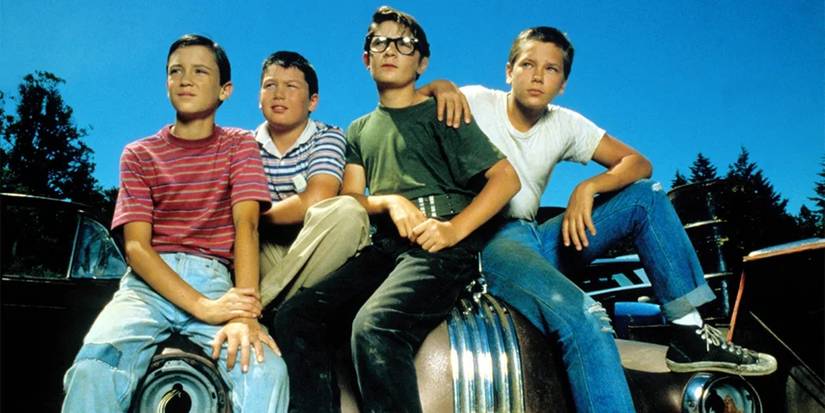
- Key Personnel: Directed by Brian De Palma; Screenplay by Lawrence D. Cohen; Starring Sissy Spacek, Piper Laurie, and John Travolta.
- Thematic Core: Social ostracization, religious fanaticism, and repressed female fury.
- Critical Impact: Sissy Spacek’s wide-eyed, unblinking performance as Carrie White culminates in an unforgettable climax. The infamous prom scene—where pig’s blood pours in agonizing slow motion over Spacek’s radiant, temporary happiness—remains one of the most potent images in horror history. Unlike Shawshank, which offers systemic redemption, Carrie offers a terrifyingly cathartic display of righteous, apocalyptic vengeance. It remains the gold standard for unpacking the casual cruelty of adolescent culture.
2. Stand by Me (1986): The Ephemeral Bond of Childhood
- Key Personnel: Directed by Rob Reiner; Screenplay by Raynold Gideon and Bruce A. Evans; Starring Wil Wheaton, River Phoenix, Corey Feldman, and Jerry O’Connell.
- Thematic Core: The painful transition from childhood to adulthood, the burden of familial neglect, and the permanence of memory.
- Critical Impact: Eschewing supernatural elements entirely, Stand by Me succeeds through its raw, unvarnished depiction of adolescent camaraderie. The campfire scenes—where tough-guy facades dissolve and young boys confront the failures of the adult world—achieve a level of emotional resonance that matches Shawshank’s highest peaks. The tragic early passing of River Phoenix adds an extra, heartbreaking layer of real-world melancholy to a film already deeply concerned with the fleeting nature of youth.
3. The Shining (1980): Architectural and Psychological Madness
- Key Personnel: Directed by Stanley Kubrick; Screenplay by Stanley Kubrick and Diane Johnson; Starring Jack Nicholson, Shelley Duvall, and Danny Lloyd.
- Thematic Core: Generational trauma, cabin fever, and the malignant sentience of physical spaces.
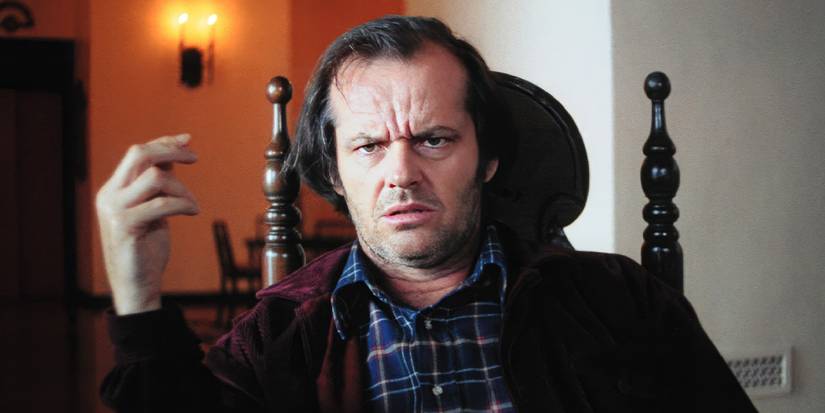
- Critical Impact: While Shawshank relies on linear narrative comfort, The Shining operates on a dreamlike, disorienting logic. The Overlook Hotel is a character in its own right, constructed with impossible corridors and deceptive architecture that induces subtle vertigo in the viewer. Jack Nicholson’s feral descent into madness, paired with Shelley Duvall’s harrowing, hyperventilating terror, captures a primal breakdown of the nuclear family. Kubrick’s cold, precise visual language ensures that the film lingers in the viewer’s subconscious indefinitely.
Official Responses and Industry Reception
The legacy of these three adaptations is underscored by how they were received by critics, audiences, and Stephen King himself over the decades.
- Critical Vindication: While The Shining received mixed reviews and even Razzie nominations upon its initial 1980 release—including nods for Kubrick and Duvall—it has since undergone a monumental critical reassessment. Today, it routinely ranks near the top of Sight & Sound and AFI greatest-film polls, vastly outperforming Shawshank in terms of enduring academic and cinephile discourse.
- Box Office and Cultural Permanence: Carrie was a surprise box office smash for United Artists, earning two Academy Award nominations (Best Actress for Spacek and Best Supporting Actress for Laurie), a rare feat for a horror film at the time. Its cultural footprint is visible in virtually every modern teen-horror thriller produced since.
- The Author’s Perspective: Stephen King’s complex relationship with adaptations is well-documented. While he famously clashed with Kubrick over The Shining’s divergence from his novel’s themes of alcoholism and redemption, he has frequently cited Stand by Me as one of the absolute best adaptations of his work, praising its emotional fidelity to his semi-autobiographical novella.
Implications for Modern Filmmaking and the King Legacy
The enduring dominance of Carrie, Stand by Me, and The Shining over The Shawshank Redemption—at least within critical circles—highlights a profound truth about storytelling: comfort is reassuring, but unease is unforgettable.
While The Shawshank Redemption provides an essential cinematic balm through its message of hope against impossible odds, these three masterpieces dare to explore the shadowy corners of the human condition that polite society prefers to ignore. They demonstrate that King’s genius is not merely found in comforting moral arcs, but in his fearless interrogation of trauma, isolation, and the terrifying depths of the mind.
As Hollywood continues to mine Stephen King’s endless literary library for new content, filmmakers would do well to study the DNA of De Palma, Reiner, and Kubrick. These directors proved that when you strip away safe narrative conventions and lean entirely into the strange, the dark, and the terrifying, you do not just make a good movie—you make a piece of cinematic history that outlives us all.
