
Shaping the Future of Pixels: How Gen Z Artists Are Redefining the VFX Industry
By the Editorial Team
Published in Industry Insights / Visual Effects
Main Facts
Generation Z—individuals born between 1997 and 2012—is steadily reshaping the global workforce. Often stereotyped in popular culture as demanding, overly sensitive, or prioritizing leisure over labor, this cohort is actually demonstrating high levels of resilience, resourcefulness, and adaptability. Nowhere is this dynamic more visible than in the high-stakes, fast-paced world of visual effects (VFX).
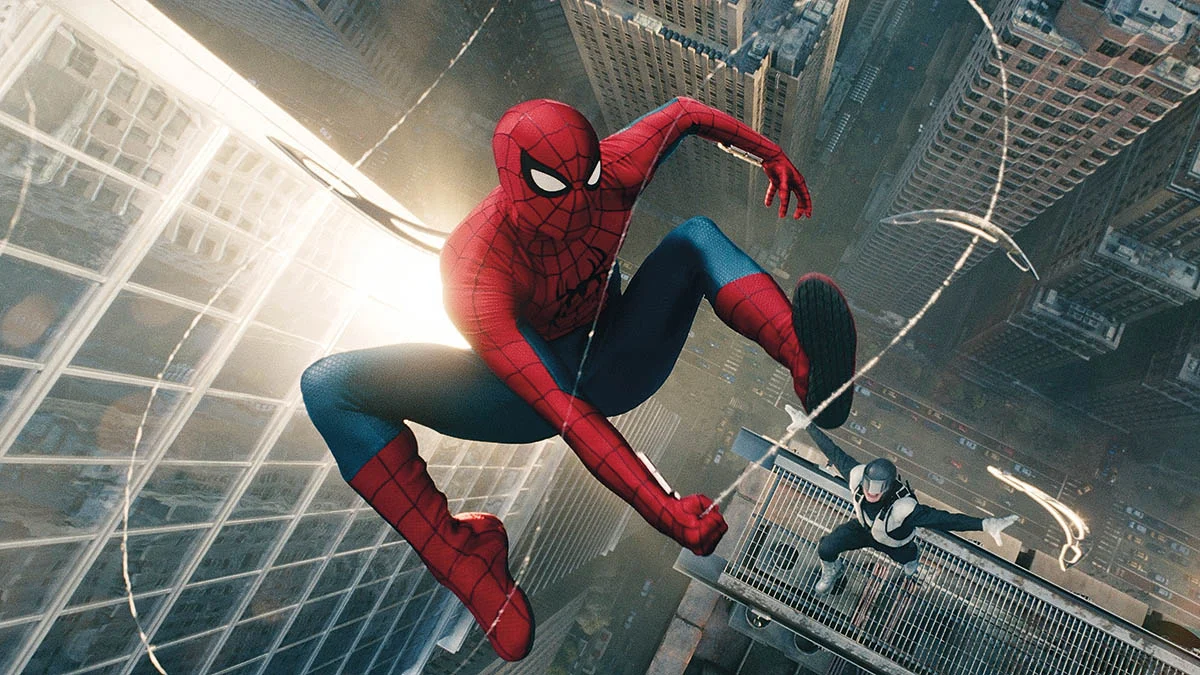
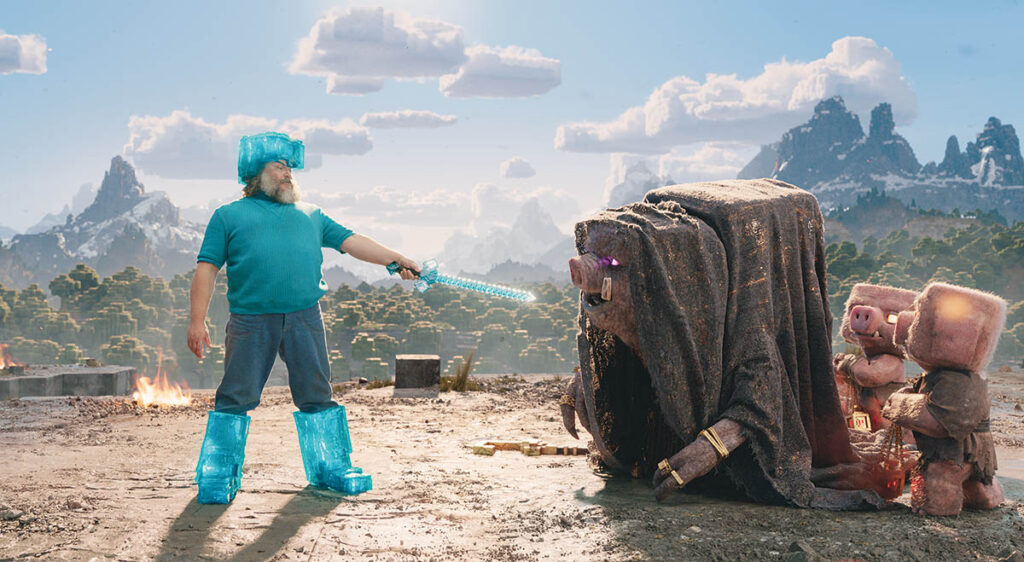
A recent global survey of young VFX professionals working across major houses such as Industrial Light & Magic (ILM), DNEG, Framestore, Digital Domain, and Wētā FX reveals a nuanced picture of the employee experience. Far from being disruptive malcontents, Gen Z artists are integrating smoothly into traditional studio pipelines. They are navigating an unstable job market marked by post-pandemic economic ripples and industry strikes, embracing remote and hybrid work models, and developing a pragmatic perspective on the rise of artificial intelligence. Far from shunning hard work, these emerging artists are proving that a younger workforce can successfully demand sustainable work-life balance while still delivering world-class cinematic magic for blockbusters like Supergirl, A Minecraft Movie, and Spider-Man: Brand New Day.
Chronology: From Cinematic Awe to Industry Realities
The pathway of a Gen Z VFX artist typically begins in childhood, sparked by an early, formative exposure to cinema, gaming, and the burgeoning world of digital media.
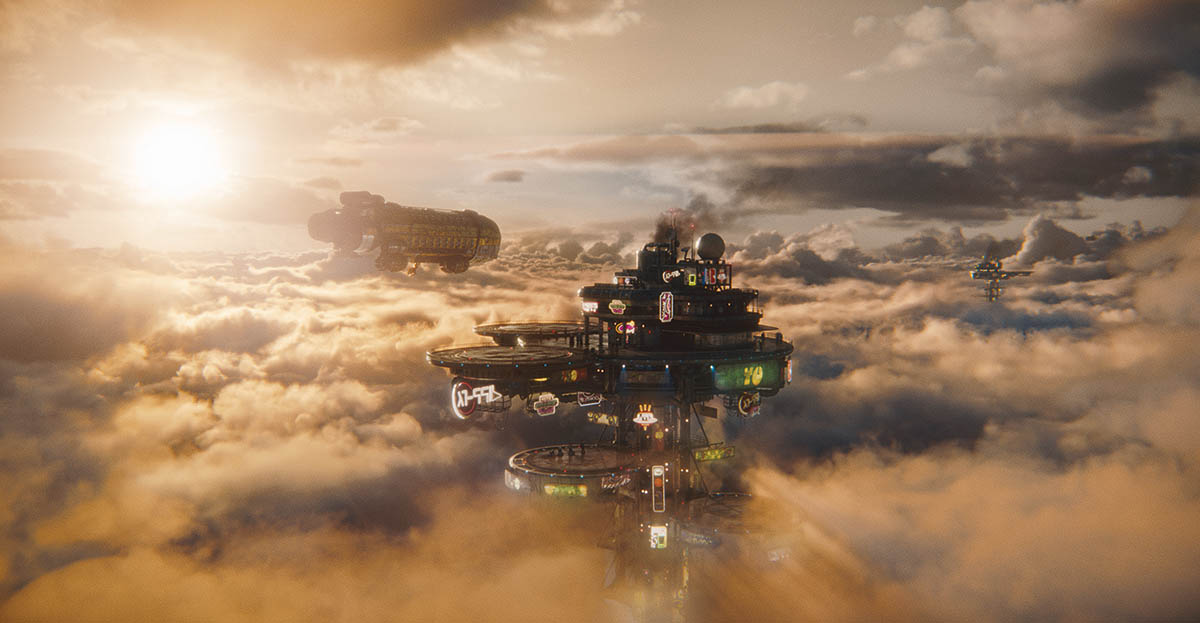
- Early Inspirations (Late 2000s–2010s): Young artists like Jiwon Chun (now a texture artist at ILM) and Balthazar Bourguignon (an FX artist at DNEG) trace their career origins back to childhood viewings of sci-fi epics and animated features. Bourguignon recalls being transfixed by Final Fantasy VII: Advent Children at age ten, noting that the cinematic explosions and magical battles planted an early seed for his professional ambitions. Others, like Max Popovych of Digital Domain, grew up inside the industry, benefiting from parents who worked as compositors.
- The Educational Turning Point: Transitioning from passive viewers to active creators, these artists leveraged online ecosystems. Due to financial constraints or regional barriers, many relied on accessible resources—such as free YouTube tutorials, Discord communities, and affordable software alternatives like Adobe Substance Painter rather than industry standards like Mari—to teach themselves the fundamentals of digital art.
- The Pandemic and Post-Graduation Gridlock (2020–2023): Entering the professional world proved uniquely challenging for this generation. Camille Garlaschi, a previs artist at Framestore, graduated college just as the compounding effects of COVID-19, Brexit regulations, and international visa constraints hit the job market. Many entry-level positions evaporated, leaving recent graduates stranded.
- The Hollywood Strikes and Market Recovery (2023–Present): Just as green shoots began to appear, the 2023 Hollywood writers’ and actors’ strikes temporarily shuttered major productions. Junior artists faced sudden layoffs, testing their resolve. Yet, through perseverance, many secured positions at major houses, transitioning from anxious newcomers to confident, credited professionals.
Supporting Data & Industry Voices: Expectations vs. Reality
Entering the workforce with a mixture of excitement and apprehension, Gen Z artists had to confront the notorious industry reputations surrounding burnout, long crunch hours, and underrepresentation.
Navigating Burnout and Mental Health
Francesca Armstrong, a Lighting Technical Director at Wētā FX, entered the field with caution. "The chance to work with top-tier creative and technical artists… was exciting, but would I work myself into burnout? Would I be taken seriously as a young woman?" she questioned. Fortunately, she found an evolving industry culture that encourages self-advocacy and a marathon-over-sprint mentality, often championed by senior mentors.
Diversity and Inclusion
Despite historical perceptions of VFX as a male-dominated boys’ club, young women in the industry report feeling increasingly valued. Jiwon Chun highlights ILM’s comprehensive mentorship programs targeted at women employees as a vital sign that major studios are prioritizing diversity, even amidst broader cultural pushbacks.
The Shock of Instability
For Léa Desrozier, an environment generalist at DNEG, the volatile nature of short-term contracts and production shifts came as a shock. "Things change, productions shift, and you have to roll with it. That wasn’t something we talked about in school," she admits. Over time, however, this unpredictability has forged a generation of highly adaptable, resilient technicians who understand that consistency comes from personal accountability and rapid problem-solving.
Official Responses and Perspectives on the Hybrid Work Model
The debate over remote versus in-office work remains a central talking point across global VFX studios. While Gen Z’s reputation suggests an uncompromising demand for remote flexibility, these artists display a surprisingly balanced perspective, recognizing the irreplaceable value of physical studio spaces.
- Balthazar Bourguignon (DNEG) on Remote vs. In-Person: "Remote work is great when you need to fully lock in during a rush… but there’s nothing quite like the social interaction that in-person work affords. Sharing knowledge, building friendships, having a laugh—all of that comes naturally when someone is just a desk away."
- Tivoli Mu (Digital Domain) on Mentorship: Mu emphasizes that working on-site provides crucial face time with senior artists. Observing how veterans troubleshoot complex problems in real time is an invaluable educational asset that junior employees miss out on behind closed screens.
- Redefining Balance: Rather than viewing work-life balance through a rigid lens of clocking out at precisely 5:00 PM, artists like Mu define it holistically. For them, balance means maintaining personal health, nurturing relationships, and growing as individuals while remaining deeply dedicated to the collaborative artistic vision of the team.
Man Versus Machine: The Artificial Intelligence Debate
Perhaps no topic looms larger over the contemporary entertainment landscape than artificial intelligence. While industries like screenwriting have fiercely denounced generative AI, and major bodies have placed restrictions on its use, Gen Z VFX artists view the technology through a pragmatic, nuanced lens.
Distinguishing Tool from Creator
Young artists draw a sharp line between traditional machine learning—which automates repetitive technical tasks to boost efficiency—and generative AI, which attempts to mimic human creativity.
- Max Popovych (Digital Domain): Views AI as an inevitable workflow enhancer during early look development and iteration. "The fundamentals—having a strong eye, understanding light, integration, and detail—still define the final result. I see AI as something that will reshape workflows rather than replace artists."
- Jiwon Chun (ILM): Notes that major facilities like ILM have spent the last decade developing artist-driven machine learning tools (alongside virtual production solutions like StageCraft) to handle mundane technical chores. These tools increase speed and quality without sacrificing artistic integrity.
- Francesca Armstrong (Wētā FX): Retains a more critical, cautious moral stance. "While I know that AI can make my life easier, I don’t morally align with its large-scale use… The idea of replacing the human touch in cinema with prompt-generated iterations is pretty depressing to me—as an artist and a viewer."
Ultimately, most young artists believe that the unique human perspective, emotional resonance, and critical eye cannot be auto-generated. As Tivoli Mu suggests, the rise of AI serves as a catalyst, encouraging artists to think more deeply about their intrinsic value to the filmmaking process.
Implications for the Future of Cinema
The arrival of Generation Z in the visual effects pipeline marks a quiet evolution rather than a noisy revolution. Contrary to external stereotypes characterizing them as fragile or uncommitted, these digital natives possess a deeply ingrained resourcefulness, a hyper-awareness of visual quality nurtured by a lifetime of digital media consumption, and a healthy commitment to personal well-being.
As studios continue to tackle massive tentpole projects, the integration of Gen Z artists ensures that the VFX industry will retain its technical cutting edge while gradually shedding the toxic "crunch-time" cultures of the past. By blending the wisdom and mentorship of veteran artists with the adaptability, digital fluency, and collaborative spirit of a new generation, the global VFX ecosystem is proving that the future of cinema is in remarkably capable hands.
