
Behind the Magic and Mayhem: Ranking the 10 Deadliest Disney Characters of All Time
LOS ANGELES — For nearly a century, The Walt Disney Company has built a global empire on the bedrock of wholesome family entertainment, talking animals, and happily-ever-afters. Yet, a closer examination of the studio’s sprawling cinematic catalog reveals a surprisingly dark undercurrent. Far from exclusively pulling their punches, Disney’s animated and live-action projects are populated by ruthless tyrants, cosmic horrors, and cold-blooded murderers. Even beloved heroes occasionally find themselves forced to unleash devastating, lethal force against their adversaries.
Confining the scope to projects primarily distributed by Walt Disney Studios Motion Pictures—excluding subsidiary powerhouses like Lucasfilm, Marvel Studios, and 20th Century Fox—a fascinating picture emerges. From digital warlords committing genocide to literal embodiments of evil, these are the 10 deadliest Disney characters of all time, ranked in descending order of sheer family-friendly lethality.
Main Facts: The Anatomy of Disney Lethality
When audiences think of Disney villains, names like Ursula, Captain Hook, or Jafar typically come to mind. However, true lethality in the Disney canon is measured not by theatrical flair, but by destructive potential, scale of devastation, and verified body counts.
The characters featured on this definitive ranking span several decades of filmmaking, representing both traditional hand-drawn animation and state-of-the-art live-action CGI spectacles. Crucially, the list accounts for both calculating villains who systematically slaughter their rivals and heroic figures whose defensive actions result in thousands of casualties.
- Chernabog (Fantasia, 1940)
- Shan Yu (Mulan, 1998)
- Kashekim Nedakh (Atlantis: The Lost Empire, 2001)
- Scar (The Lion King, 1994)
- Maleficent (Sleeping Beauty, 1959)
- Hades (Hercules, 1997)
- Davy Jones (Pirates of the Caribbean franchise)
- Fa Mulan (Mulan, 1998)
- CLU (TRON: Legacy, 2010)
- Syndrome (The Incredibles, 2004)
Chronological Evolution of On-Screen Menace
The progression of lethal intent in Disney films mirrors the evolution of cinematic storytelling itself, transitioning from allegorical darkness in the golden age of animation to visceral, high-stakes action in modern live-action and Pixar features.
1940s–1950s: Mythological and Cosmic Dread
The foundation of Disney lethality was laid early. Released in 1940, Fantasia introduced Chernabog in its closing "Night on Bald Mountain" sequence. As the literal devil presiding over Walpurgis Night, Chernabog summons an army of spirits and ghouls. While he does not rack up a conventional on-screen body count, his very existence as the personification of absolute malevolence sets the ceiling for terror in family animation. Nearly two decades later, Sleeping Beauty (1959) brought forth Maleficent. Armed with dark magic, the self-proclaimed "Mistress of All Evil" curses an entire kingdom and later transforms into a towering, fire-breathing dragon. Though her explicit body count is kept off-screen via sleeping spells, her unrepentant capacity for murder remains iconic.
1990s: The Golden Age of Animated Carnage
The Disney Renaissance of the 1990s pushed the boundaries of what animated features could depict, particularly regarding death and devastation.
- Scar (The Lion King, 1994): Driven by jealousy, Scar murders his brother Mufasa and ushers in a tyrannical reign that transforms Pride Rock into a desolate wasteland choked with skeletons and ecological ruin.
- Hades (Hercules, 1997): The fast-talking Greek God of Death plots to overthrow Mount Olympus by unleashing the Titans. Despite his divine power and lack of moral boundaries, his comedic framing keeps his actual on-screen kill count surprisingly low.
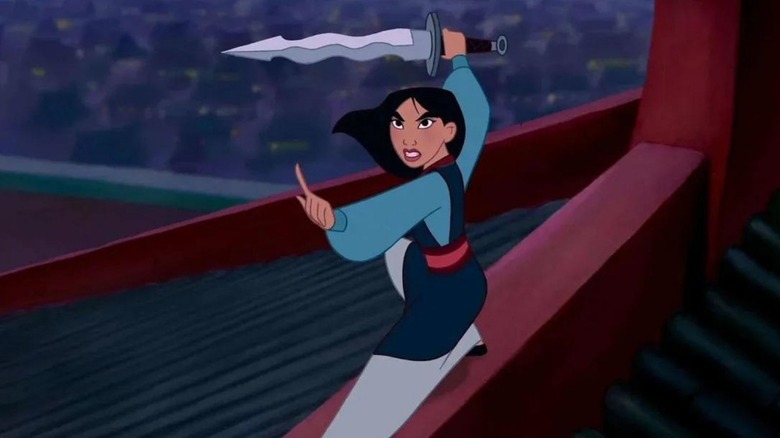
- Shan Yu & Fa Mulan (Mulan, 1998): This pair represents a masterclass in kinetic lethality. Hun general Shan Yu cuts a bloody swathe across China, slaughtering border guards and imperial soldiers without remorse. On the opposing side, heroine Fa Mulan racks up one of the highest individual kill counts in Disney history. Disguised as a male soldier, Mulan triggers an explosive avalanche that buries thousands of invading cavalrymen before personally dispatching Shan Yu in a fiery palace showdown.
2000s–Present: CGI Spectacles and Sci-Fi Atrocities
As Disney expanded into computer-animated features and live-action blockbusters, the scale of destruction grew exponentially.
- Kashekim Nedakh (Atlantis: The Lost Empire, 2001): The ancient ruler of Atlantis spent millennia brutally murdering outsiders and explorers to keep his sunken kingdom’s existence a secret, inadvertently dooming thousands more through his technological mismanagement.
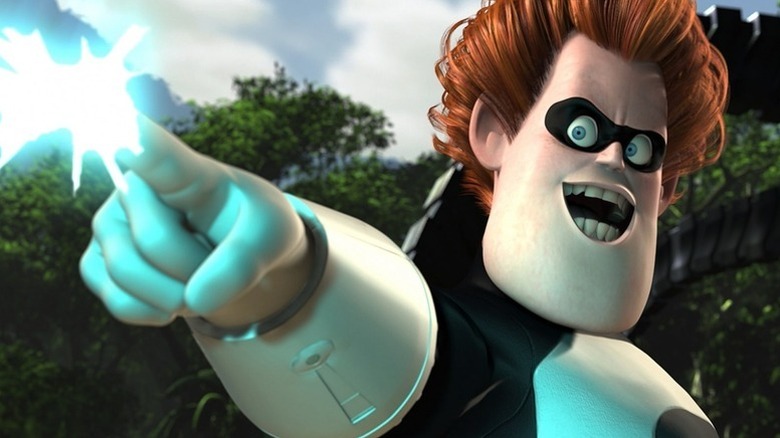
- Syndrome (The Incredibles, 2004): Pixar’s first true supervillain, Syndrome (Jason Lee), turned a childhood rejection by Mr. Incredible into a murderous crusade, systematically hunting down and assassinating retired superheroes using lethal autonomous robots.
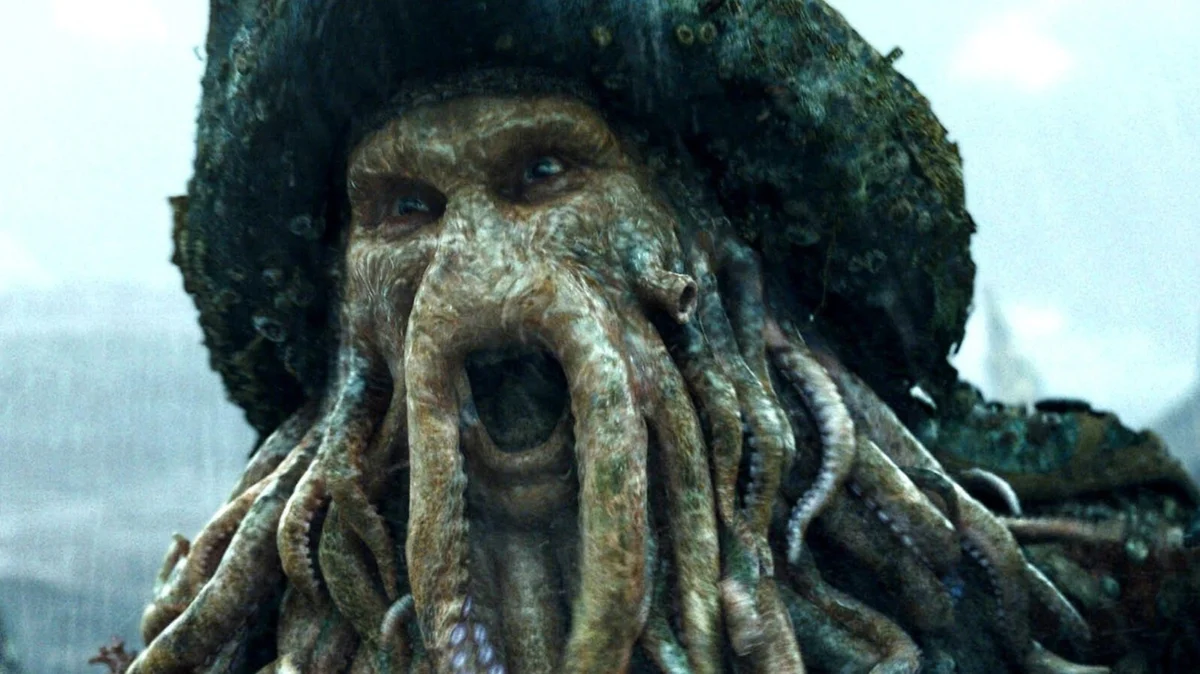
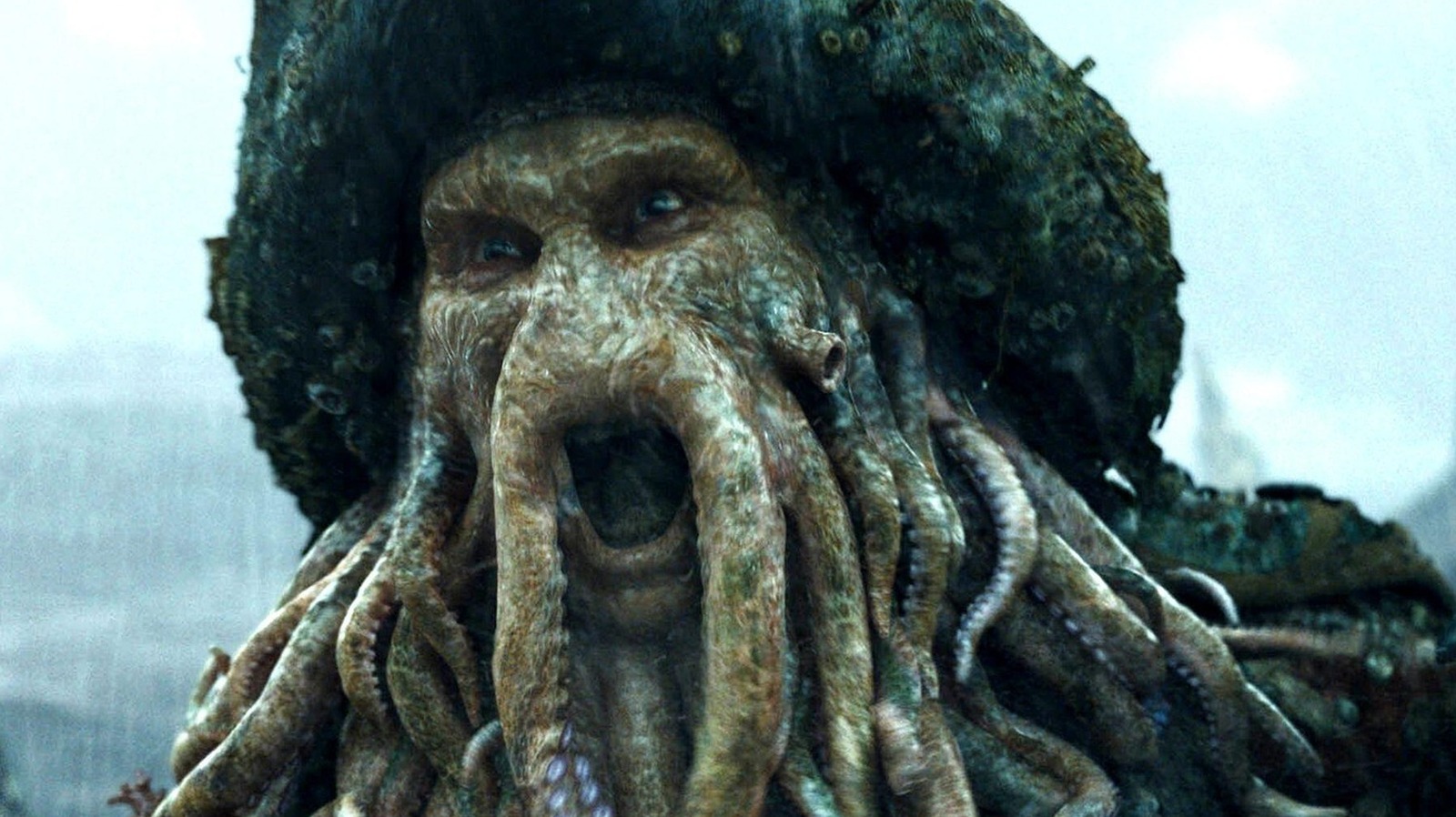
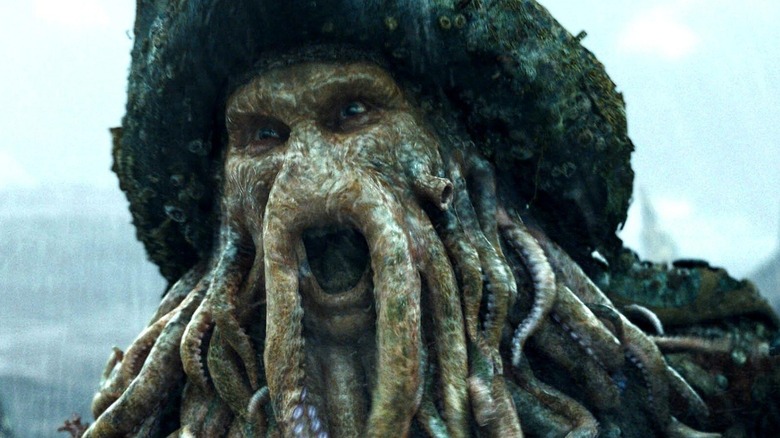
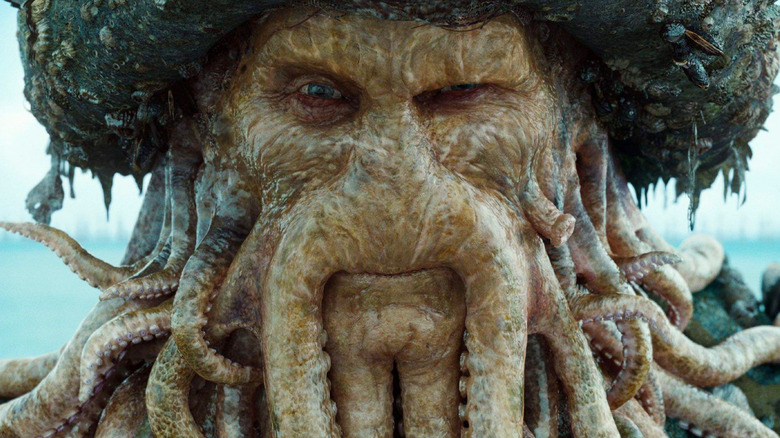
- Davy Jones (Pirates of the Caribbean: Dead Man’s Chest & At World’s End): Commanding the supernatural Flying Dutchman, Bill Nighy’s tentacled captain operates as an unstoppable maritime force of nature, showing zero mercy to anyone crossing his path.
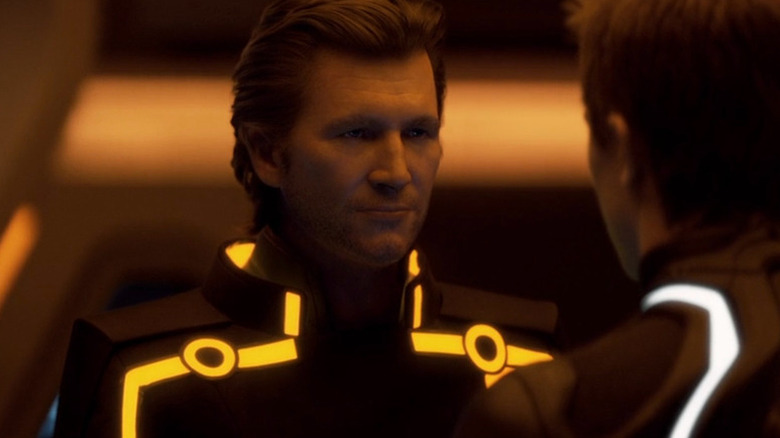
- CLU (TRON: Legacy, 2010): Jeff Bridges’ digital despot programed a systematic genocide of the sentient ISO race within the Grid, aiming to purge all perceived imperfections before plotting an invasion of the physical world.
Supporting Data: By the Numbers
To better understand how these characters stack up against one another, analysts and film historians often look at metrics ranging from collateral damage to psychological impact:
- Mass Casualty Events: Mulan’s avalanche is estimated to have wiped out an entire vanguard army numbering in the thousands. Similarly, CLU’s purge of the ISOs constitutes a literal digital genocide, leaving Quorra as the sole survivor.
- Ecological Collapse: Scar’s mismanagement of Pride Rock serves as a rare example of a Disney villain causing systemic environmental and famine-related devastation, resulting in widespread animal mortality.
- Technological & Magical Scale: Chernabog and Hades operate on a divine, cosmic scale. However, while Hades plays his role largely for comedic effect, Chernabog’s sequence is framed as an unremitting, terrifying confrontation with primordial darkness.
Official Responses and Industry Context
The inclusion of such heavy, lethal themes in family-oriented media has long been a subject of discussion among Disney creators and film critics alike. Speaking retrospectively about the tone of 90s classics, animators and directors have frequently noted that Walt Disney himself believed children could handle peril and fear, provided the stories offered a strong moral resolution and triumph of good over evil.
Modern projects, such as the live-action adaptations of Mulan and Maleficent, have occasionally attempted to soften or add nuance to these antagonists—transforming one-dimensional villains into complex figures with sympathetic backstories. However, fan consensus and retrospective analysis consistently demonstrate that audiences prefer these characters in their purest, most unrepentant forms. Whether it is Jeremy Irons purring Shakespearean threats as Scar or James Woods delivering rapid-fire sarcasm as Hades, the uncompromised menace of these figures remains central to their enduring appeal.
Implications for the Future of Disney Storytelling
As Disney continues to diversify its content slate through theatrical releases and streaming platforms, the studio walks a careful tightrope between maintaining its historically family-friendly brand and satisfying audiences’ appetite for high-stakes narrative tension.
The enduring popularity of these 10 characters proves that darkness and lethality, when executed with artistic precision, do not alienate viewers—they elevate the narrative. Without genuine threats like Syndrome’s cold-blooded hero-hunting or Shan Yu’s merciless conquests, Disney’s heroes would lack the gravity required to make their victories truly triumphant. As rumors swirl around potential live-action treatments for properties like Fantasia‘s "Night on Bald Mountain," it is clear that Disney’s appetite for magnificent, terrifying malevolence is here to stay.
