
The Art of the Immediate Hook: 7 Netflix Miniseries That Grab Viewers Within Five Minutes
By Remus Noronha
Published October 14, 2026
In the modern landscape of prestige television, the traditional pilot episode model—where a show is afforded multiple hours to establish its world, characters, and tone—has largely been upended. This evolution is nowhere more apparent than in the format of the television miniseries. Bound by strict runtime limitations and a self-contained, single-season narrative structure, a limited series must accomplish a monumental task within its opening moments: it has to justify its own existence immediately.
A miniseries that fails to engage its audience in its first few minutes risks losing them entirely. Conversely, those rare productions that manage to captivate viewers right from the initial cold open frequently achieve enduring cultural significance. In recent years, Netflix has cemented its status as an epicenter for this format, curating a robust library of self-contained narrative masterpieces. From true-crime docudramas to neo-noir psychological thrillers, gothic horror to sci-fi mysteries, these programs prove that great storytelling wastes no time.
Below is an examination of seven near-perfect Netflix miniseries that successfully hook their audiences within the crucial first five minutes, exploring their structural mechanics, thematic resonance, and lasting impact on the medium.

Main Facts: The Anatomy of a Rapid Narrative Hook
The success of a short-form television series hinges on narrative efficiency. Unlike sprawling multi-season franchises that rely on slow-burn world-building, miniseries operate with cinematic urgency. The seven titles highlighted here—When They See Us, Ripley, Baby Reindeer, Pluto, The Fall of the House of Usher, Bodies, and Adolescence—represent the gold standard of this approach.
Key attributes uniting these projects include:
- In Medias Res Openings: Many of these series bypass traditional exposition, dropping the viewer directly into a state of high tension, confusion, or emotional turmoil.
- Distinct Visual Signatures: Utilizing striking cinematography—from Ripley’s expressionistic monochrome to Adolescence’s breathless long-takes—these shows establish their aesthetic boundaries instantly.
- Thematic Clarity: The opening minutes invariably introduce the core philosophical, moral, or psychological dilemma that will drive the narrative to its conclusion.
Chronology and Evolution of the Netflix Miniseries Format
Over the past decade, streaming platforms have fundamentally altered consumer expectations regarding pacing. As audiences grew accustomed to binge-watching, the pressure on creators to engineer "sticky" openings intensified.
2019: The True-Crime Reckoning (When They See Us)
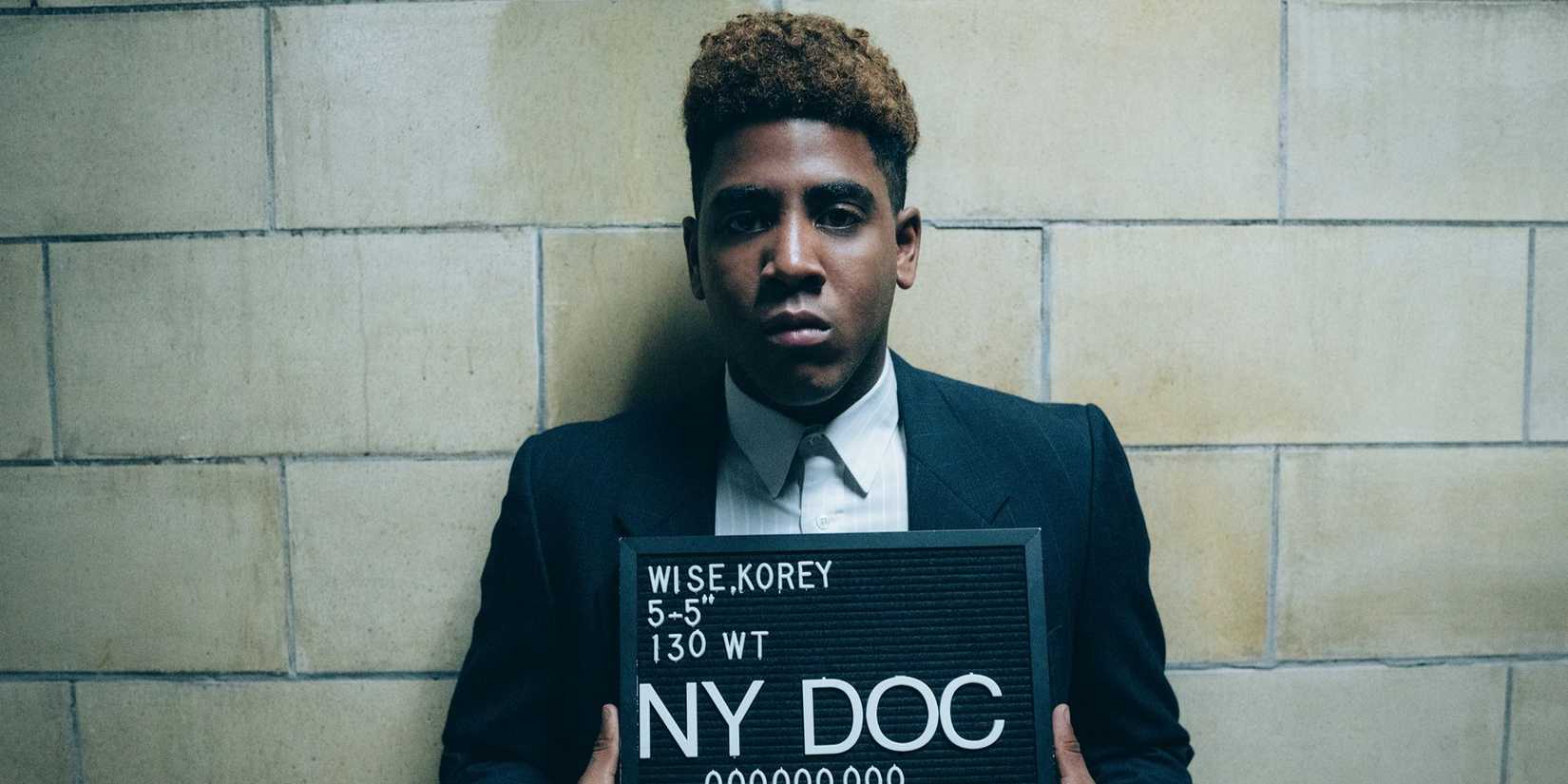
Ava DuVernay’s 2019 masterpiece set a high-water mark for socially conscious drama. By opening with the deceptively innocent routine of Harlem youths before violently upending their lives, the series demonstrated how immediate emotional investment could anchor a devastating historical narrative.
2023–2024: Genre Diversification and Stylistic Boldness
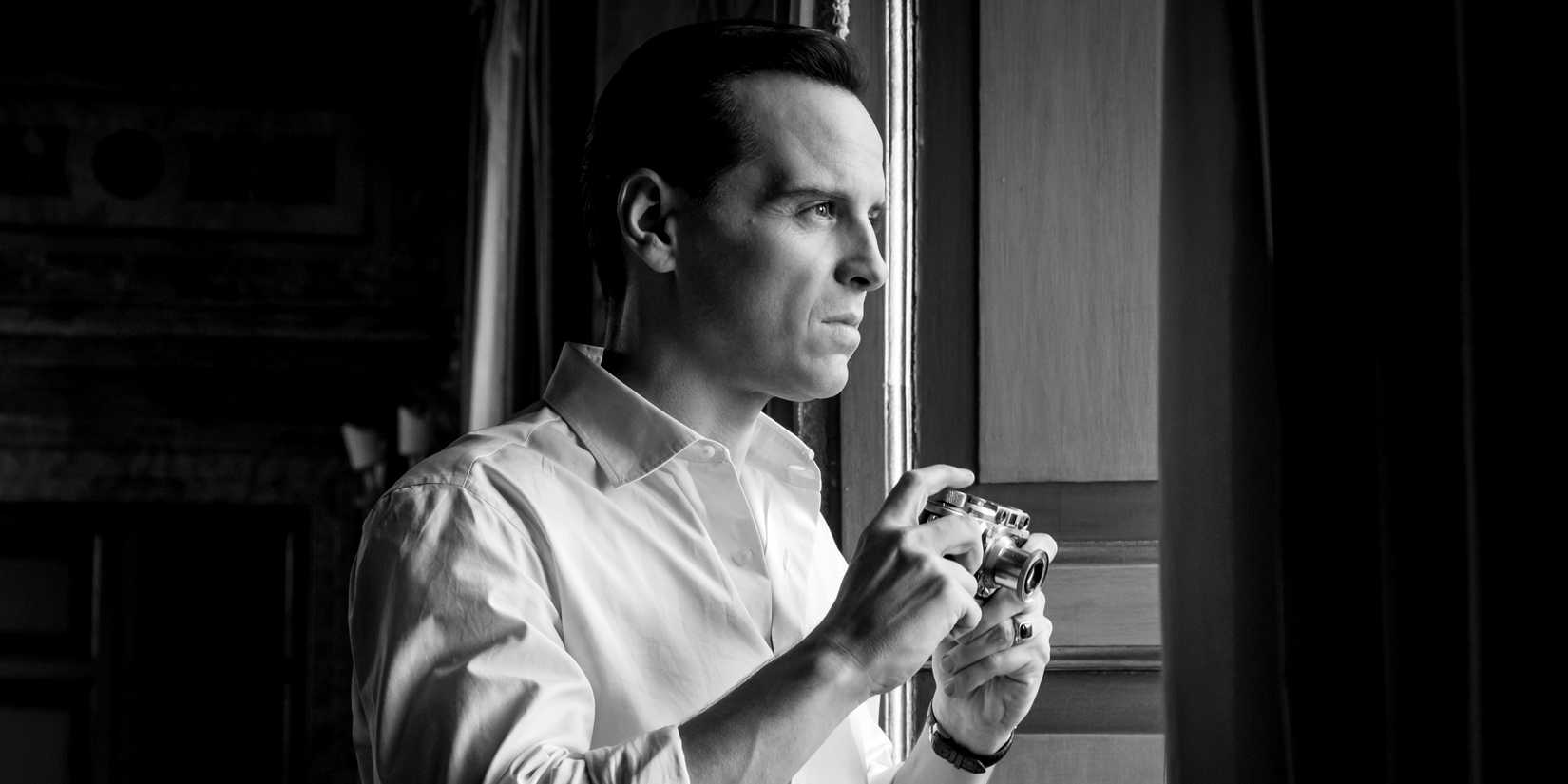
The format underwent a significant stylistic evolution in the mid-2020s. Steven Zaillian’s Ripley (2024) traded contemporary realism for Hitchcockian neo-noir expressionism, utilizing a flash-forward prologue to disorient and captivate viewers. Simultaneously, Richard Gadd’s Baby Reindeer (2024) and Mike Flanagan’s The Fall of the House of Usher (2023) leaned heavily into psychological discomfort from frame one, setting a relentless pace. Animation also claimed a stake in the prestige miniseries conversation with Pluto (2023), proving that complex philosophical sci-fi could establish its high-stakes dystopian atmosphere within minutes.
2025–2026: The Height of Immersive Realism
Recent additions like the boundary-pushing sci-fi mystery Bodies (2023) and the critically adored British crime drama Adolescence (2025) further refined the opening hook. Utilizing complex structural devices like multi-timeline cross-cutting and continuous single-take cinematography, these newer entries proved that brevity in television format correlates with an intensification of craft.
Supporting Data: Examining the Selections
1. When They See Us (2019)
- Creator: Ava DuVernay
- Key Cast: Asante Blackk, Caleel Harris, Jharrel Jerome, Ethan Herisse, Marquis Rodriguez
- The Hook: The series opens in the spring of 1989 with a portrait of ordinary adolescence in Harlem. Within minutes, the atmosphere curdles into chaos as the central group of boys finds themselves wrongfully swept into a nightmarish legal and social apparatus. It is a masterclass in establishing stakes through juxtaposition.
2. Ripley (2024)
- Creator: Steven Zaillian
- Key Cast: Andrew Scott, Johnny Flynn, Dakota Fanning, Eliot Sumner
- The Hook: A masterclass in visual tension, Ripley discards conventional narrative introductions in favor of a striking, disorienting flash-forward rendered in high-contrast black and white. This Giallo-inspired opening sequence immediately signals to the viewer that they are entering a psychological labyrinth.
3. Baby Reindeer (2024)
- Creator: Richard Gadd
- Key Cast: Richard Gadd, Jessica Gunning, Nava Mau, Tom Goodman-Hill
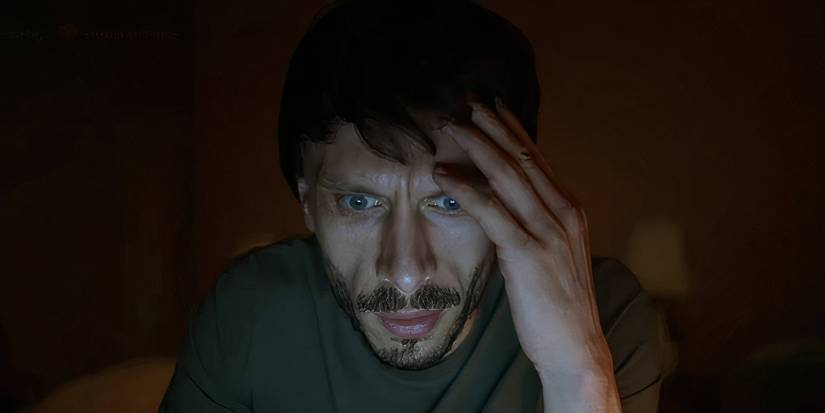
- The Hook: Starting strictly in media res, the dark comedy-thriller thrusts the audience directly into the psychological wreckage of protagonist Donny Dunn. Before the viewer even understands the mechanics of the central stalking plot, they are forced to confront Donny’s profound isolation and misery.
4. Pluto (2023)
- Directors: Toshio Kawaguchi (Based on Naoki Urasawa and Takashi Nagasaki’s manga)
- Key Cast (Voices): Shinshū Fuji, Hiroki Yasumoto, Koichi Yamadera, Yoko Hikasa, Minori Suzuki
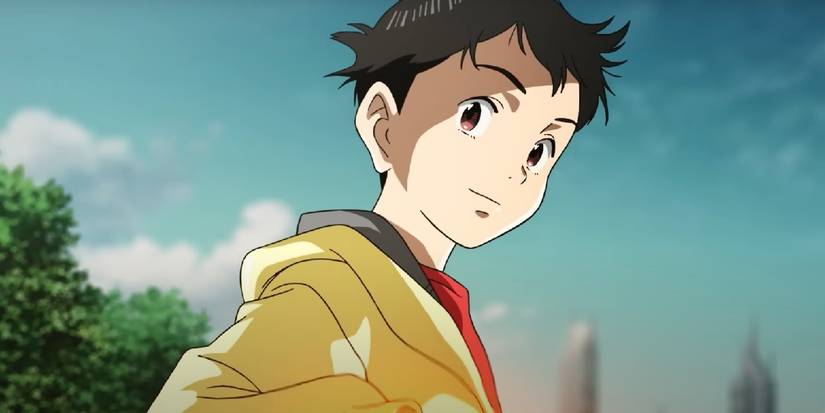
- The Hook: Merging sci-fi, political intrigue, and murder mystery, Pluto establishes an apocalyptic tone in its opening moments. By illustrating the delicate, uneasy coexistence of humans and advanced robotics—and threatening it with swift violence—the anime miniseries commands immediate attention.
5. The Fall of the House of Usher (2023)
- Creator: Mike Flanagan
- Key Cast: Carla Gugino, Bruce Greenwood, Mary McDonnell, Mark Hamill
- The Hook: Mike Flanagan’s modern gothic adaptation of Edgar Allan Poe’s works wastes no time establishing its macabre tone. Roderick Usher’s chilling confession regarding his family’s sins and the impossible deaths of his children sets an immediate, inescapable slide into madness.
6. Bodies (2023)
- Creator: Paul Tomalin
- Key Cast: Stephen Graham, Jacob Fortune-Lloyd, Shira Haas, Amaka Okafor, Kyle Soller
- The Hook: Blending sci-fi, historical drama, and police procedural, Bodies uses a high-stakes foot chase followed by the startling discovery of a single corpse across four distinct eras of London history. The temporal disorientation hooks the viewer instantly.
7. Adolescence (2025)
- Creators: Jack Thorne, Stephen Graham
- Key Cast: Owen Cooper, Stephen Graham, Erin Doherty, Christine Tremarco, Ashley Walters, Faye Marsay
- The Hook: Utilizing breathtaking continuous single-take cinematography, Adolescence eliminates traditional narrative breathing room. The viewer is plunged headfirst into every parent’s worst nightmare—the arrest of a 13-year-old child for murder—with unbroken, palpable tension.
Official Responses and Industry Reception
The critical consensus surrounding these specific miniseries underscores a broader shift in television production economics and artistic appreciation. Industry analysts frequently point to the success of projects like When They See Us and Adolescence as proof that audiences crave emotionally resonant, high-impact storytelling that respects their time.
Critically, these miniseries have dominated major award platforms, frequently outperforming traditional multi-season series in writing, directing, and acting categories. Showrunners like Mike Flanagan and Ava DuVernay have repeatedly emphasized in press panels that the limited-run format liberates creators from the burden of artificial plot padding, allowing for a concentrated artistic vision where every single frame—particularly the opening moments—must carry narrative weight.
Implications for the Future of Television
The enduring popularity of these fast-hooking Netflix miniseries points to several important implications for the future of entertainment media:
- Heightened Audience Expectations: As viewers grow accustomed to the immediate cinematic immersion provided by miniseries, traditional broadcast television models face mounting pressure to modernize their pacing. The tolerance for slow, exposition-heavy pilot episodes is diminishing.
- The Rise of Auteur-Driven Streaming: Limited series serve as an ideal vehicle for distinct directorial visions. Because the commitment is finite, major filmmakers and actors who might otherwise avoid television are increasingly willing to sign on, elevating the medium’s cultural prestige.
- Redefining Narrative Economy: These works challenge the notion that scale requires length. By proving that profound thematic explorations of trauma, crime, and human psychology can be executed flawlessly within a handful of episodes, these titles have permanently raised the bar for what serialized television can achieve in a single season.
