
Beyond the Algorithm: Why ‘VisionQuest’ is the Philosophical Masterpiece the MCU Needed
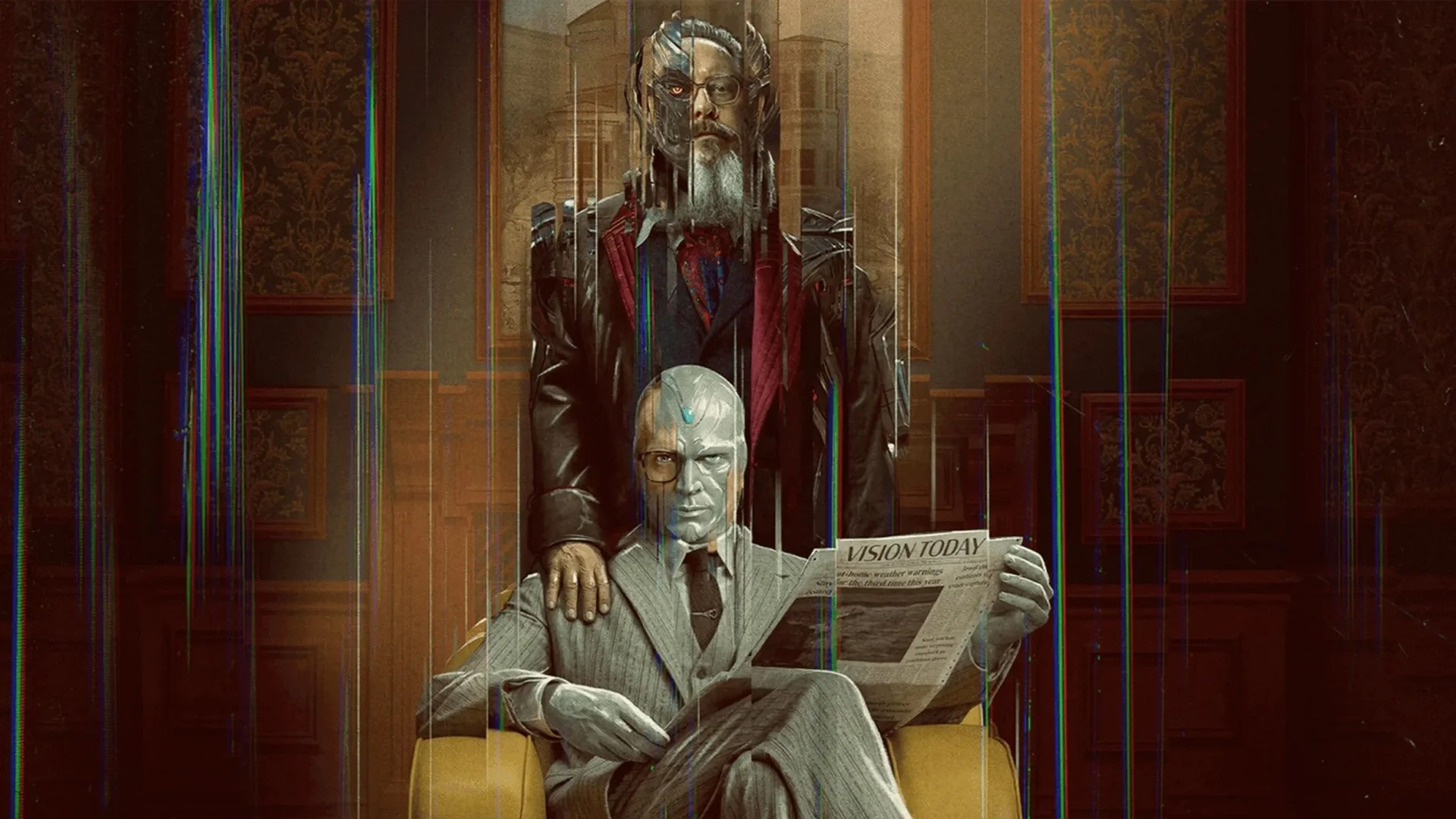
In an era where the Marvel Cinematic Universe (MCU) is often criticized for becoming overly reliant on interconnected "multiverse" stakes and grand-scale CGI spectacles, VisionQuest arrives as a refreshing, intimate, and profoundly human anomaly. Spanning eight episodes, the series serves as a meditative exploration of artificial consciousness, grief, and the elusive nature of the soul. By stripping away the requirement for world-ending threats, Marvel Studios has delivered perhaps its most character-driven project to date, positioning VisionQuest alongside the industry-defining success of WandaVision and Loki.
The Genesis of an Existential Odyssey
The narrative picks up five years after the cataclysmic events of WandaVision. Vision—the synthetic Avenger who famously questioned the nature of grief—is now living in self-imposed exile in Edinburgh. He is no longer the hero tethered to the Avengers’ moral compass; he is a being in transition, struggling to reconcile his memory banks with his current reality.
Is he the same entity that loved Wanda Maximoff? Or is he merely a collection of data points, a sophisticated machine operating on the ghost-code of a man who no longer exists? This internal dichotomy serves as the backbone of the series. The show wisely avoids turning Vision into a standard superhero protagonist, instead presenting him as a "walking existential crisis" with the power to level a city—a juxtaposition that creates immediate, palpable tension.
Chronology: From Solitude to Self-Actualization
The arc of the eight episodes is meticulously paced, moving from Vision’s initial, isolated search for identity into a broader, more dangerous mystery.
- Episodes 1-3 (The Search for Self): We observe Vision’s attempt to integrate into human society. These early chapters establish the tone, focusing on the "unsolvable algorithm" of human emotion—love, loss, and familial duty.
- Episodes 4-6 (The Catalyst): The introduction of a mysterious, high-stakes adversary forces Vision out of his comfort zone. It is here that the series truly shines, introducing the "Mindscape" where the return of Ultron—voiced with chilling charisma by James Spader—dramatically shifts the narrative.
- Episodes 7-8 (The Synthesis): The finale moves away from the expected Marvel bombast. Instead, it offers a grounded, poignant conclusion that focuses on the reconciliation of Vision’s disparate parts. It is a finale that trusts its audience to appreciate quiet, emotional resolution over pyrotechnics.
A Masterclass in Performance: Paul Bettany and James Spader
At the heart of the series is a career-best performance from Paul Bettany. Having portrayed the character since his inception as J.A.R.V.I.S. in 2008, Bettany brings a weary, inquisitive, and deeply vulnerable energy to the role. His ability to convey internal turmoil through subtle physical shifts and vocal cadence is a testament to his range. He is not merely playing a robot; he is playing a being undergoing a transformation from logic-based hardware to consciousness-based software.
Equally compelling is the return of James Spader’s Ultron. Rather than a villain-of-the-week, this version of Ultron exists within the Mindscape, creating a bizarre, tension-filled "father-son" dynamic. Their dialogue is the intellectual engine of the show; they trade barbs about morality, the definition of life, and the burden of creation. Spader’s performance is as unsettling as it is witty, proving that the most compelling conflicts are often found in the conversations between enemies.
Supporting Cast and the Expansion of the "Artificial" Family
The strength of VisionQuest lies in its ensemble. Ruaridh Mollica delivers a standout performance as Tommy Maximoff, providing a tether to the past that complicates Vision’s journey. The inclusion of T’Nia Miller as Jocasta adds a layer of complexity to the show’s exploration of artificial life, while the supporting cast—including Todd Stashwick and Lauren Morais—ensures the world feels lived-in and stakes feel personal.
Perhaps the most inventive creative choice is the inclusion of "Stark’s AI Family"—J.A.R.V.I.S., F.R.I.D.A.Y., E.D.I.T.H., D.U.M.-E, and U. By humanizing these peripheral technological entities, the writers raise profound questions: Does family require biological ties? Or is it defined by the shared history and the willingness to stand together when the world falls apart? The humor provided by this motley crew balances the show’s darker themes, preventing it from collapsing under the weight of its own philosophy.
Implications for the Future of the MCU
The success of VisionQuest suggests a pivot for Marvel Studios. While the franchise will always have its place for high-octane team-ups, the audience’s hunger for "prestige television" storytelling within the MCU is undeniable.
Why this format works:
- Pacing and Depth: The eight-episode format allows for a slow-burn narrative that respects the viewer’s intelligence.
- Character Agency: By focusing on individual growth rather than a setup for the next film, the series feels like a self-contained work of art.
- The "WandaVision" Legacy: The show effectively honors the emotional beats of its predecessor while carving out a distinct identity. It moves the conversation on grief from "the pain of holding on" to "the necessity of moving forward."
A New Standard for Superhero Storytelling
Critics and fans alike have noted that VisionQuest feels like a "course correction." By allowing creative teams the autonomy to explore familiar characters in unorthodox ways, Marvel has managed to recapture the magic that made the early phases of the MCU so successful.
The finale, in particular, is a masterstroke of restraint. In an industry that often insists on massive, explosive third-act battles, VisionQuest opts for an ending that is intimate, heartfelt, and ultimately, deeply satisfying. It is a conclusion that refuses to rely on spectacle, trusting instead that the audience cares as much about the protagonist’s soul as the writers clearly do.
As the credits roll on the final episode, the viewer is left with a profound realization: Marvel is at its best when it explores what it means to be human—even when the protagonist is made of vibranium and synthetic tissue. VisionQuest is not just a triumph for Marvel; it is a reminder that the best superhero stories are, at their core, stories about the heart. Whether you are a die-hard Marvel fan or a casual viewer, this series is essential viewing. It is funny, thought-provoking, and above all, deeply, achingly human.
