
The Unbearable Weight of Reality: Beth de Araújo’s Josephine Confronts the Architecture of Evil
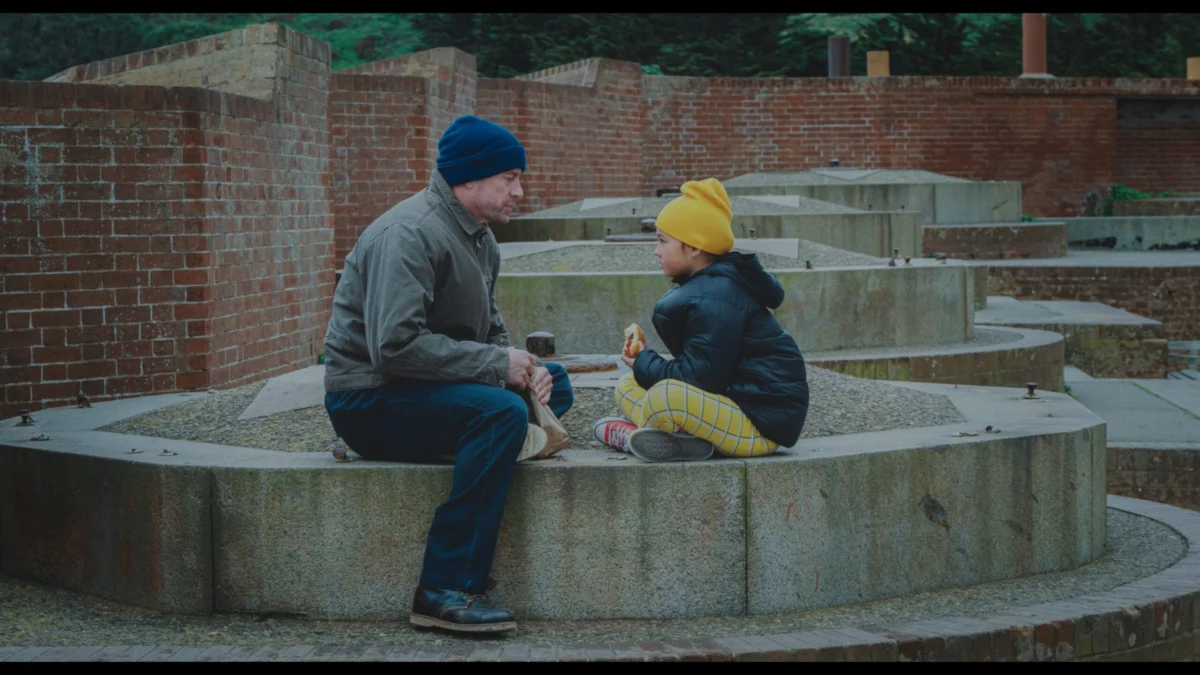
The distance between the sanctuary parents attempt to build for their children and the harsh, indifferent reality of the world is often described as a chasm. In the haunting, critically acclaimed new film Josephine, director Beth de Araújo turns that chasm into a visceral cinematic landscape. Starring Channing Tatum and Gemma Chan as a couple whose idyllic life is shattered by a singular, traumatic event, the film serves as a profound meditation on the permeability of safety and the persistence of malice in modern society.
Following a rapturous reception at the Sundance Film Festival and a successful run on the autumn festival circuit, Josephine arrives in theaters on November 20. It is a film that demands to be seen, even as its emotional intensity makes it a difficult experience to endure.
The Inciting Incident: A Saturday Morning Forever Altered
The narrative of Josephine is deceptively simple in its setup. On an otherwise unremarkable Saturday morning in San Francisco, a family’s routine is irrevocably broken. Tatum and Chan play parents who find their sense of security dismantled when their daughter, Josephine—portrayed with startling authenticity by newcomer Mason Reeves—witnesses a violent assault while the family is out for a morning jog.
The incident is not merely a plot device; it is the catalyst for a deep, philosophical investigation into the nature of power. Drawing from a personal, formative experience from her own youth, writer-director Beth de Araújo crafts a narrative that avoids the tropes of standard crime thrillers. Instead, the film focuses on the ripple effects of the assault: how it changes the parents, how it alters the child’s perception of the world, and how it exposes the fragility of the social contract.
A Chronology of Creation: From 2014 to the Big Screen
The journey of Josephine to the silver screen has been as arduous and deliberate as the film’s own pacing. The project began its life in 2014, with de Araújo penning the initial draft of a script that would undergo significant evolution over the next decade.
Key Milestones in Development:
- 2014: The initial concept is drafted, drawing on the director’s personal history and reflections on violence.
- 2018: The project gains significant momentum during the Sundance Labs, where the script underwent a crucial, transformative revision that sharpened its thematic focus on the "accumulation of dread."
- 2024–2025: Casting proves to be a challenge, particularly for the titular role. The search concludes just six weeks before principal photography when Mason Reeves, a local talent from the very San Francisco neighborhood where de Araújo grew up, is cast.
- 2025 (Fall): Following its premiere at Sundance, the film garners critical acclaim at the Toronto International Film Festival (TIFF), setting the stage for its November theatrical release.
The casting of Reeves was widely viewed by the production team as a moment of serendipity. "I think everyone felt a real responsibility to make sure Mason had a good experience," de Araújo told IndieWire during the TIFF press cycle. "It bonded us all as a cast and crew. There was this shared understanding that there was something more innocent than us on set that needed protecting."
Analyzing the Aesthetic of Dread
If de Araújo’s debut feature, Soft & Quiet, was a masterclass in the technical constraints of the "real-time" single-take format, Josephine marks a stylistic shift toward something more atmospheric and internal.
Critics have noted that where Soft & Quiet utilized kinetic, claustrophobic movement, Josephine leans into the "steady accumulation of dread." It is a film that refuses to offer the audience an easy catharsis. As IndieWire’s Kate Erbland noted in her review, de Araújo has an uncanny ability to craft films that are "stunning" and "heart-wrenching" in equal measure—the kind of cinema that critics recommend with the caveat that they may never be able to watch it again.
The film is not merely a story about a crime; it is an examination of how evil functions in the shadows of the mundane. De Araújo explores the chilling reality that power is exercised not just by those with "terrible intentions," but also by those whose intentions may be "good," yet whose actions contribute to a larger, systemic failure to protect the vulnerable.

Supporting Data: The Impact of Josephine
While the film is a work of fiction, its cultural impact is already being measured by its performance on the festival circuit. Josephine has emerged as one of the most talked-about projects of the year, signaling a shift in how audiences are responding to "trauma-informed" narratives.
- Critical Reception: The film maintains an overwhelmingly positive critical consensus, praised for its restraint and the nuanced performances of Tatum and Chan.
- Market Position: Following its strong showing at Sundance and TIFF, the film is positioned as a serious contender for independent film awards, with particular buzz surrounding the cinematography and the breakout performance of Mason Reeves.
- Production Safety: The production was noted for its commitment to the emotional safety of its young lead, a factor that de Araújo believes was essential to the chemistry between the cast members.
Official Responses and Creative Intent
In various interviews, de Araújo has emphasized that the film is not intended to be a "message movie," but rather a subjective exploration of the aftermath of violence. When asked about the difficulty of the subject matter, the director has maintained that the film is an attempt to process the "vaster-than-a-galaxy" gap between our desire for a safe world and the reality of the one we inhabit.
Channing Tatum and Gemma Chan have both expressed in promotional materials that the project felt uniquely necessary. For Tatum, who is often cast in more action-oriented roles, Josephine represents a departure into a more fragile, paternal vulnerability. Chan, similarly, has been lauded for her portrayal of a mother whose protective instincts are pushed to the brink of irrationality by the trauma her daughter suffers.
Implications: The Moral Ambiguity of Protection
The central tension of Josephine lies in the question of what we are willing to do to restore the sense of safety that has been stolen from our loved ones. As the film progresses, the parents’ responses to the trauma become increasingly complex.
The film posits a challenging question: Does the pursuit of justice, when fueled by personal grief, eventually mirror the very violence that caused the original harm? By forcing the audience to sympathize with the parents while witnessing the moral compromises they make, de Araújo avoids simple moralizing. Instead, she leaves the audience in a state of discomfort that lingers long after the credits roll.
The societal implication is clear: we live in a world where the structures meant to protect us—the police, the legal system, the community—are often insufficient in the face of sudden, random acts of violence. When those structures fail, the burden of "restoring order" falls upon individuals who are, by definition, ill-equipped to handle the weight of that responsibility.
Conclusion: A Must-See, Difficult Experience
As Josephine prepares for its wide theatrical release on November 20, the conversation surrounding the film continues to grow. It is a rare piece of cinema that manages to be both a technical achievement and a deeply emotional, almost spiritual, experience.
Beth de Araújo has established herself as a filmmaker who does not shy away from the darkest corners of human behavior. With Josephine, she has created a film that is as much about the endurance of the human spirit as it is about the fragility of our daily lives. Whether the film’s "heart-wrenching" nature will translate into box office success remains to be seen, but its impact on the cultural conversation is already solidified.
For those who choose to enter the world of Josephine, the experience will be transformative. It is a reminder that even on a sunny, unremarkable Saturday morning, the world can change in an instant—and it is up to us to decide how we live in the aftermath.
