Unveiling the Heights and Depths of The Last First: Winter K2: Director Amir Bar-Lev on His Sundance 2026 True-Crime Mountain Epic
By Ramona Flume Special to Film & Culture Journal
Main Facts
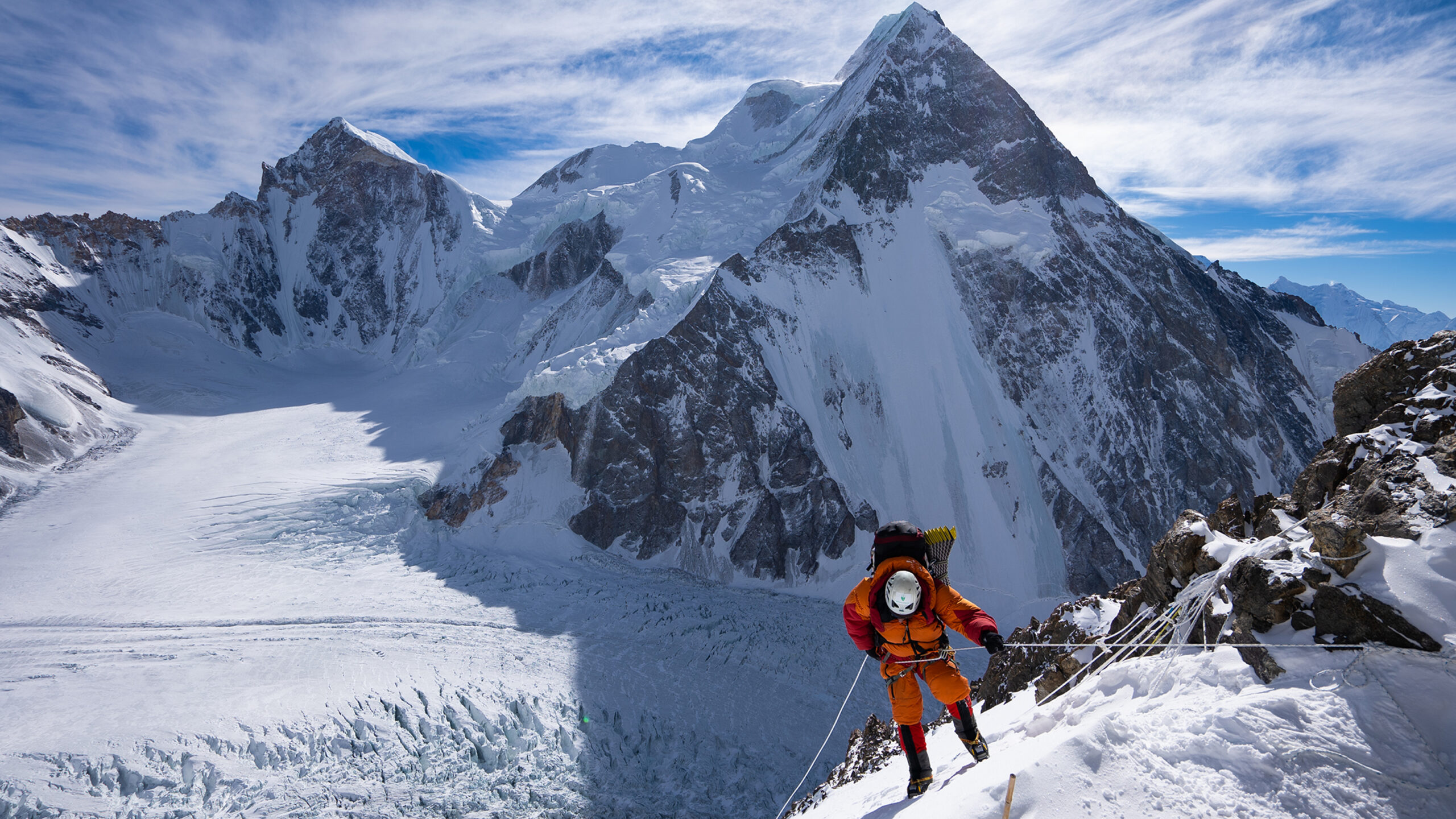
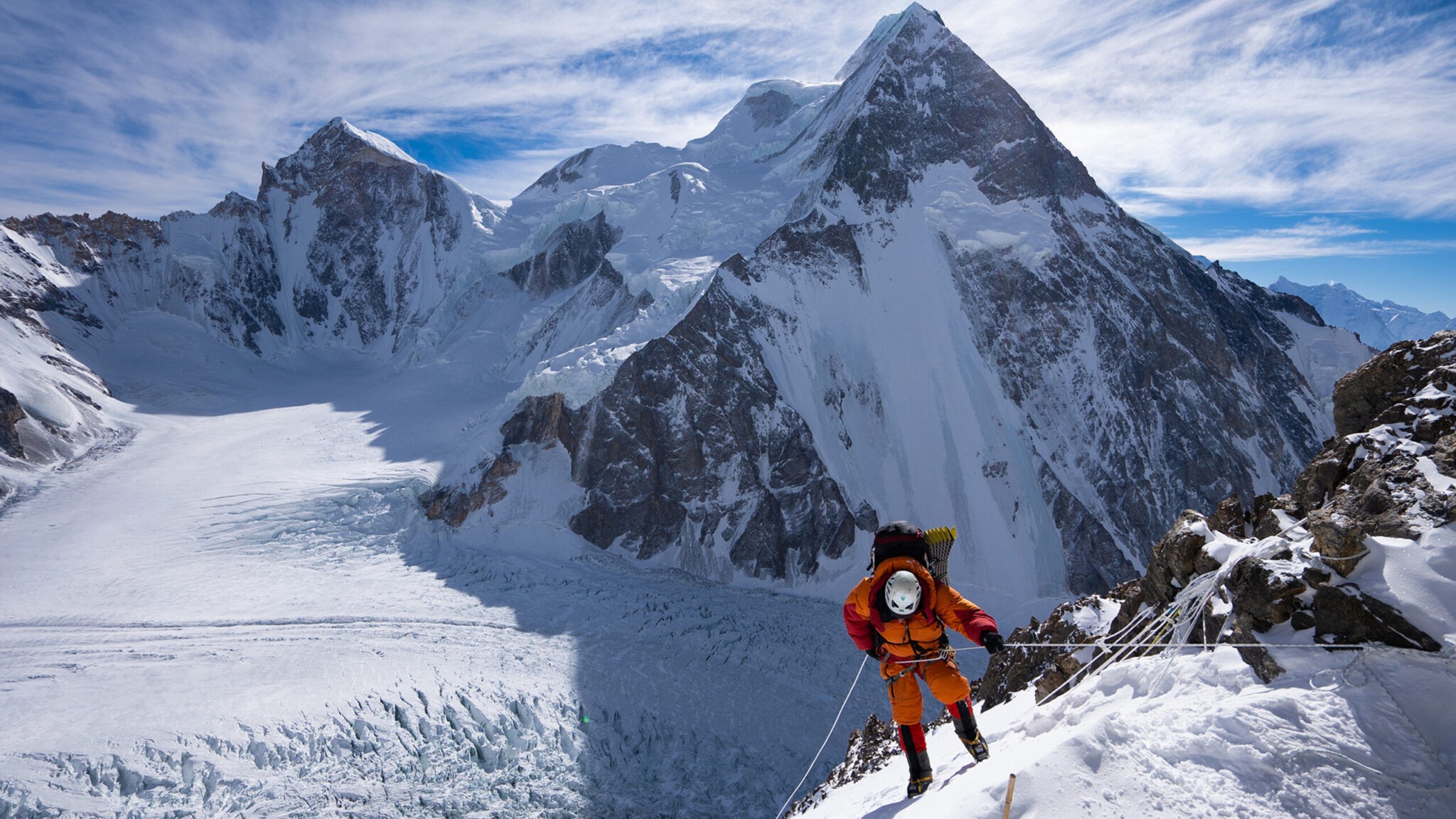
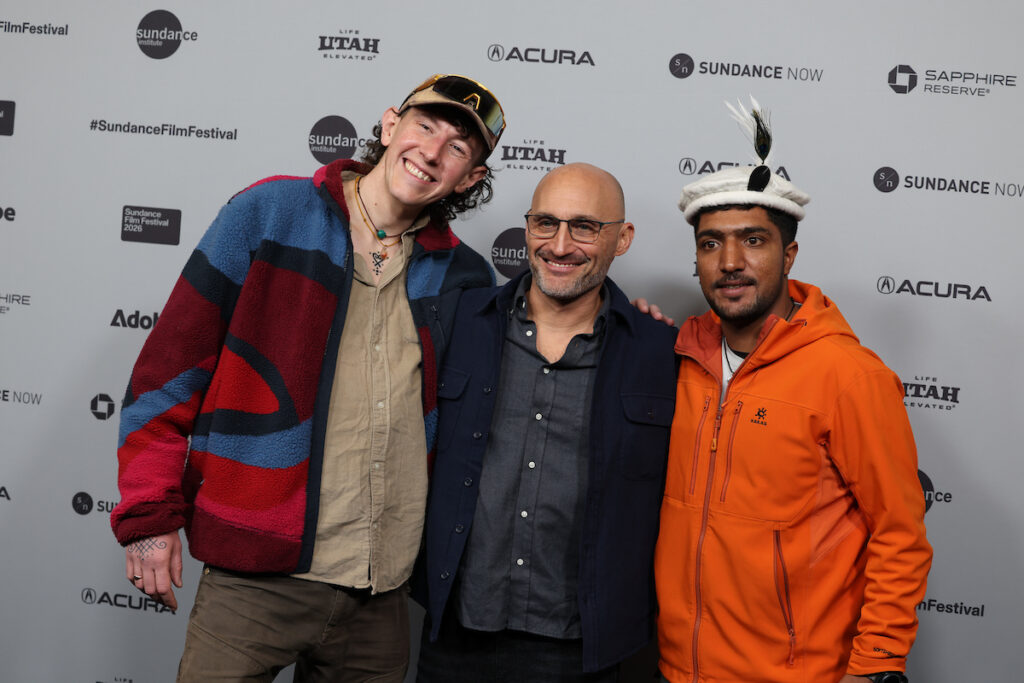
The 2026 Sundance Film Festival served as the high-altitude launchpad for one of the most riveting and socioeconomically complex documentaries in recent memory: The LastFirst: Winter K2, directed by acclaimed filmmaker Amir Bar-Lev. Premiering to intense audience and critical acclaim in Park City, the film chronicles the harrowing, death-defying, and ultimately ill-fated 2020–2021 expeditions to conquer K2—the world’s second-highest mountain—during the merciless grip of winter.
Rather than functioning as a standard, celebratory showcase of human triumph against nature, Bar-Lev’s documentary plays out with the forensic tension of a true-crime psychological thriller. It investigates a season defined by fierce national rivalries, aggressive commercialism, clashing egos, and tragic fatalities.
At its core, The Last First: Winter K2 forces audiences to look past the frozen crags of the Himalayas and examine the stark socioeconomic realities of modern extreme mountaineering. The documentary exposes a world where wealthy western adventurers chase the sublime while local Himalayan guides risk their lives—not for personal glory, but to feed their families amid severe regional labor shortages.
Drawing thematic inspiration from Jean-Paul Sartre’s existentialist play No Exit, Bar-Lev constructs a prismatic narrative where no single perspective is privileged. By utilizing a decentralized mosaic of archival footage—much of it captured hastily on smartphones—the film transforms raw, chaotic digital artifacts into a cohesive, vérité-style exploration of human behavior under extreme duress.
Chronology
To understand the weight of The Last First: Winter K2, one must trace the timeline of both the events on the mountain and the creative genesis of the film itself:
The Winter of 2020–2021: Multiple international mountaineering teams converge on the base camp of K2. Amid the global isolation of the COVID-19 pandemic, these diverse groups chase the historic, elusive milestone of a winter summit. Tensions flare over routes, resources, and recognition, culminating in a series of catastrophic events and allegations of foul play among competing factions.
Post-Expedition Archival Gathering:Director Amir Bar-Lev and his production team inherit a massive trove of digital media. Because the mountain was flooded with cameras, GoPros, and social media live-streams, the filmmakers face the monumental task of organizing disparate, bite-sized iPhone clips into a cohesive, cinematic investigation.
Development and Conceptualization: Bar-Lev channels the spatial claustrophobia of the expedition into a philosophical framework reminiscent of Sartre’s No Exit. The creative team adopts a multi-perspective editing approach, deliberately stripping away a singular directorial moral compass to let viewers judge the actions of the climbers for themselves.
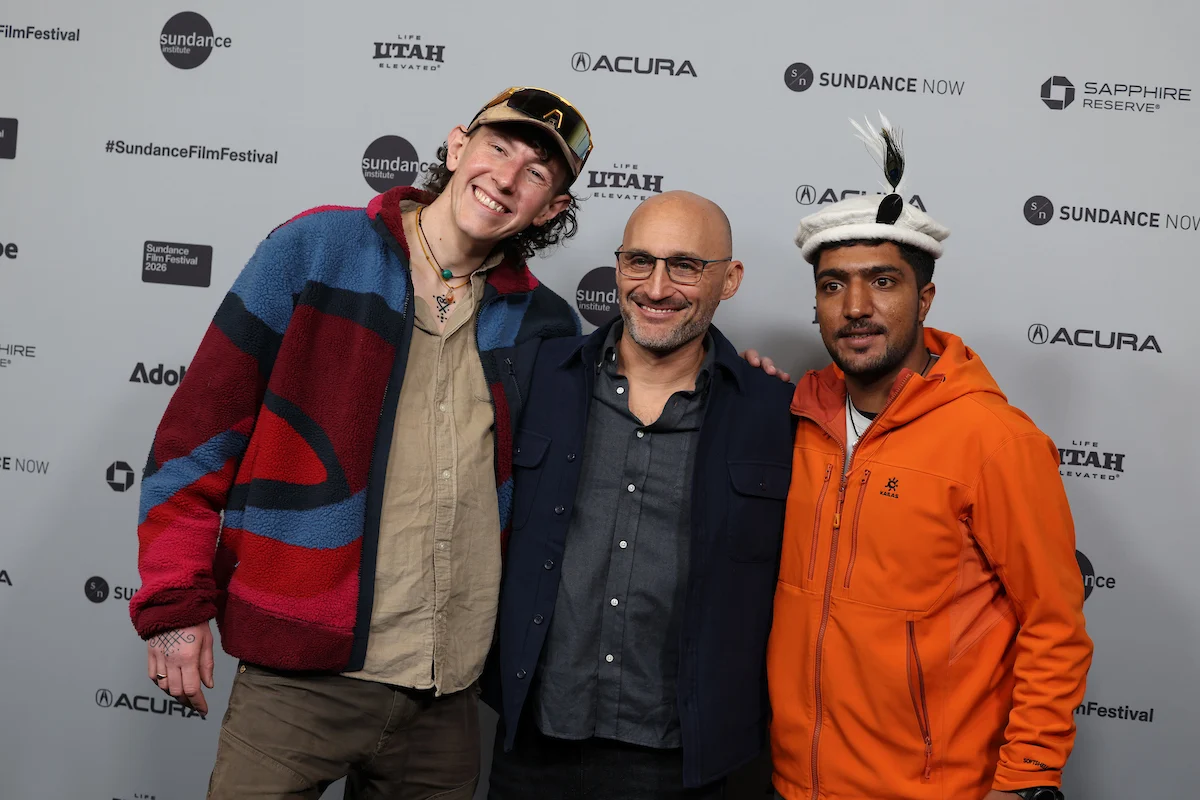
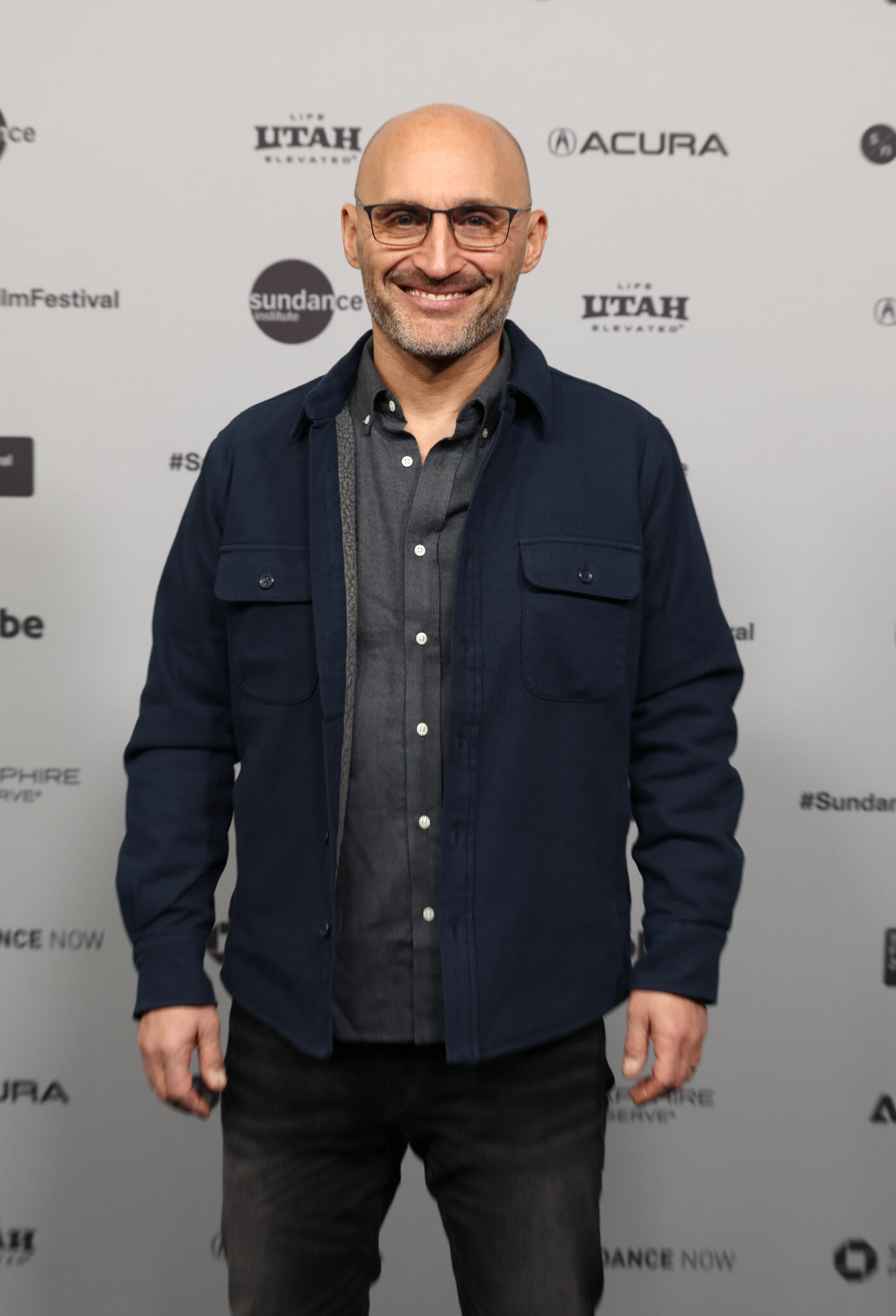
January 2026:The Last First: Winter K2 officially premieres at the 2026 Sundance Film Festival. Marking Bar-Lev’s fifth major feature journey with the Sundance Institute—four of which have been sold at the festival—the premiere draws significant crowds and cements the film as one of the festival’s most heavily discussed non-fiction works.
Supporting Data and Production Insights
The production of The Last First: Winter K2 presented an extraordinary array of technical and logistical hurdles. Unlike traditional wildlife or adventure filmmaking featuring dedicated camera crews embedded with expeditions, Bar-Lev’s crew operated entirely from a distance.
The Archival Challenge
"People always ask me if directing this project meant I got to visit the Himalayas," Bar-Lev reflects. "The reality is that there were so many cameras on the mountain that we didn’t have to."
However, this abundance of footage came with a catch. None of the material was originally gathered with a feature documentary in mind. Much of it consisted of rapid, unscripted bursts shot on iPhones for social media updates. The primary creative challenge for the editing team was not just sorting through terabytes of raw data, but excavating subtle, meaningful human moments buried within chaotic, accidentally captured snippets.
A Prismatic Approach to Human Drama
Bar-Lev’s background in comparative religion deeply informs his directorial ethos. "Whenever I finish a film and get to answer big questions about my œuvre, I find myself saying that every one of my films is about religion, no matter what it’s about," he notes. "If it’s about mountaineering, I find a way to make it about religion. If it’s about art or rock music or football—it’s religion. I’m a one-trick pony."
By treating the base camp as an alien, hostile environment akin to Mars or the surface of the moon, Bar-Lev mirrored the forced proximity of Sartre’s hellish drawing room. Over 60 participants contributed to the documentary’s narrative tapestry, creating an interactive viewing experience designed to challenge both mountaineering enthusiasts and skeptics alike.
Official Responses and Director’s Perspective
In interviews following the Sundance premiere, Bar-Lev emphasized that The Last First: Winter K2 is intentionally structured as an "anti-mountaineering mountaineering film." He draws a parallel to his previous work on the Grateful Dead, where the most rewarding audience reactions came from critics who admitted, "I still hate the Grateful Dead, but now at least I get it."
On Exploitation and Risk
Discussing the ethics of extreme adventure tourism, Bar-Lev pulls no punches regarding the vast disparities present on the mountain:
"The majority of people on the mountain during Winter K2 weren’t there because they were seeking the sublime experience of risk," Bar-Lev explains. "They were there because work is scarce in the Himalayas, and dangerous mountain work is how people feed their families. So this is a story about socioeconomics as much as it is a story about adventure."
On Collaborative Filmmaking
Bar-Lev was quick to deflect individual praise onto his crew, characterizing the production process as an alliance of creative forces rather than a singular dictatorial vision:
"We had a terrific team on this film. It was like a band of superheroes, each one taking a turn saving the film. With the public life of the film just beginning, the story of the creative process often narrows toward the story of the director’s choices… In actuality, all parts of the making of a film are creative choices, and many more hands and hearts are involved than just mine."
Implications for Modern Documentary Filmmaking and Adventure Tourism
The Last First: Winter K2 arrives at a cultural inflection point, carrying profound implications for both the documentary film industry and the global adventure tourism sector.
1. The Democratization and Hazards of Digital Archiving
The film proves that contemporary documentary storytelling no longer requires traditional, high-end cinematography to capture visceral, high-stakes narratives. By weaponizing raw, user-generated social media footage and smartphone bursts, Bar-Lev sets a new benchmark for how modern archival documentaries can achieve the breathless pacing of a vérité thriller. This approach democratizes the medium, signaling that the future of non-fiction cinema lies in processing the flood of digital footprints left behind by society.
2. Reckoning with Adventure Tourism
On a sociological level, Bar-Lev’s work shines an uncomfortable spotlight on the ethics of high-altitude commercialism. By exposing the invisible labor of Himalayan guides—who carry the physical and economic burdens of wealthy foreign climbers seeking personal glory—the film challenges the romanticized mythology of mountaineering. It forces outdoor enthusiasts, sponsors, and governing bodies to re-evaluate the true cost of summit records achieved in an era of hyper-commercialized extreme sports.
3. The Enduring Legacy of Sundance
Finally, the film’s triumphant launch at the 2026 Sundance Film Festival reinforces the festival’s vital role in championing bold, structurally daring storytellers. As Bar-Lev notes—having brought four of his five feature films to Park City—Sundance remains a crucial incubator where risky, unconventional cinematic experiments can find their initial foothold, ultimately reshaping how global audiences perceive the world outside their everyday lives.