
The Evolution of the Wrist: Deciphering the Divide Between the Fitbit Air and Fitbit Edge
For years, the wearables market was locked in a binary struggle: you either opted for a fully functional, battery-draining smartwatch or a bare-bones fitness tracker that lacked personality. Google’s recent strategy, however, has disrupted this dichotomy. By breathing new life into the Fitbit brand, Google has carved out a middle ground, catering to users who want intelligent health insights without the intrusive nature of a wrist-mounted computer.
With the introduction of the $99 Fitbit Air in May and the $179 Fitbit Edge in October, Google has effectively bookended the mid-tier market. While both devices leverage Google’s sophisticated AI health suite, they serve fundamentally different philosophies of user engagement. Understanding the nuance between these two devices is essential for any consumer looking to upgrade their health tracking experience.
The Chronology: Reinvigorating the Fitbit Ecosystem
Google’s journey to re-establish Fitbit as a primary health-tech player has been methodical. Since the launch of the original Pixel Watch in 2022, the company has focused on integrating its proprietary health algorithms with Fitbit’s robust tracking infrastructure.
- 2022 – 2023: Google focused heavily on the Pixel Watch line, refining the integration of Wear OS with Fitbit’s backend to ensure that high-end users had a premium, data-dense experience.
- May 2024: The launch of the Fitbit Ace LTE signaled a shift toward niche markets, but it was the silent debut of the Fitbit Air that caught industry analysts by surprise. Positioned as a "Whoop-style" screenless tracker, it emphasized "glance-free" living.
- October 2024: Google expanded its portfolio with the Fitbit Edge. This device addressed the primary criticism of the Air—the lack of an interface—by introducing a sleek, minimalist AMOLED touchscreen while maintaining a lower price point and smaller form factor than the flagship Pixel Watch 5.
This timeline suggests a deliberate "tiered" approach: the Air for the data-obsessed minimalist, and the Edge for the user who wants a hybrid experience—the convenience of a watch with the focus of a tracker.
Main Facts: Comparing the Hardware and Experience
The differences between the Air and the Edge are not merely cosmetic; they represent a fundamental difference in how Google expects users to interact with their health data.
The Hardware Divide
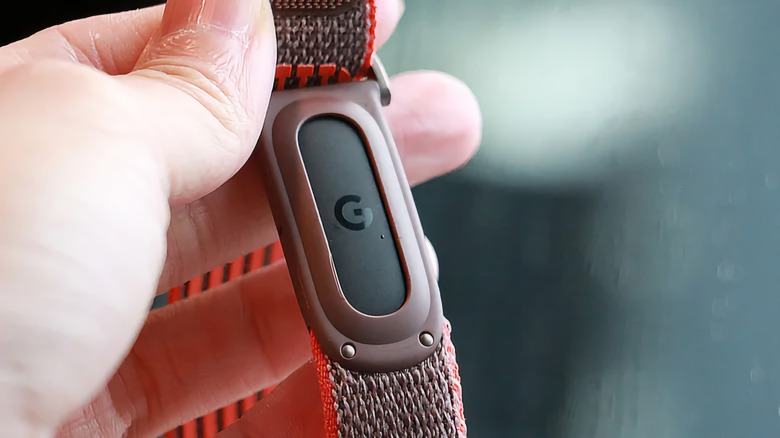
The Fitbit Air is a masterclass in subtlety. Measuring just 1.37 x 0.66 x 0.32 inches, it is a discreet "sensor puck." It lacks a screen, meaning the user is entirely dependent on the Google Health app to interpret their physiological data. This design choice is intentional, catering to users who find constant notifications distracting.
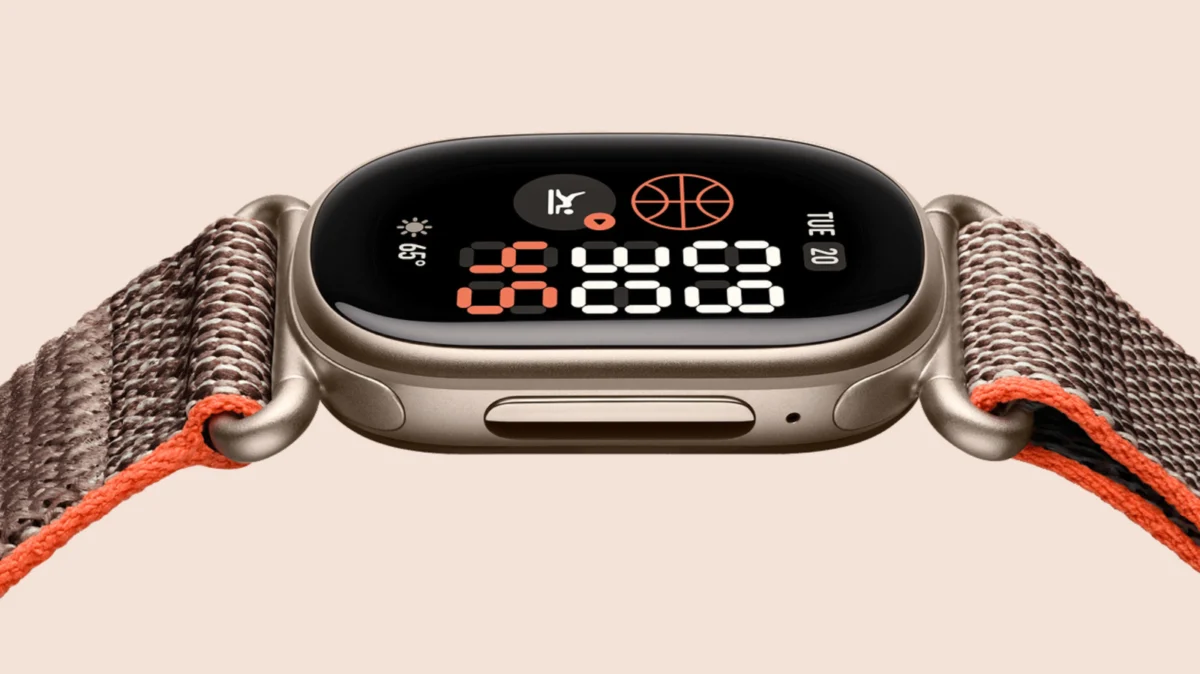
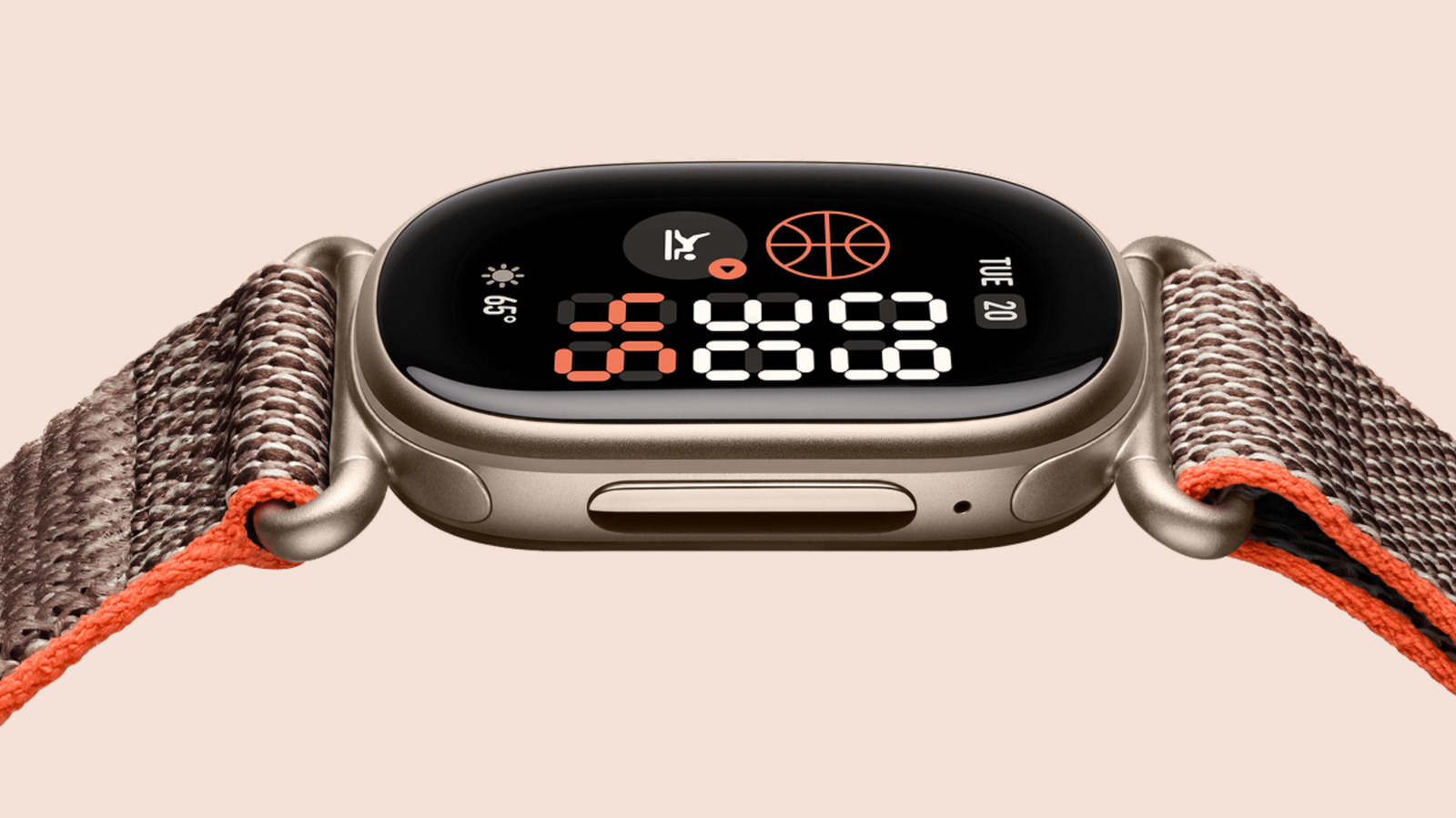
Conversely, the Fitbit Edge enters the fray with a 1.34-inch oval AMOLED touchscreen. It is larger, bolder, and designed to be an active part of your daily workflow. With the inclusion of a mechanical side button, users can navigate menus, start workouts, and check heart rate metrics without reaching for their smartphones.
Sensors and Capabilities
While both devices share the core optical heart rate sensors that have made Fitbit a household name, the Edge utilizes its physical footprint to house more advanced diagnostic tools.
- ECG Readiness: Only the Edge features the electrical sensors required for clinical-grade ECG readings, a significant advantage for users concerned with heart rhythm irregularities.
- Altimeter: The Edge includes a dedicated altimeter to track elevation and floor climbing, a feature omitted from the Air to preserve its streamlined profile.
- Ambient Light Sensors: The Edge intelligently adjusts its display brightness, ensuring that the screen is legible under harsh sunlight while conserving battery in darker environments.
Supporting Data: Performance and Battery Dynamics
One of the most critical aspects of any wearable is battery longevity. Google claims both devices offer a seven-day battery life, but the reality for the user is governed by their usage patterns.
The Fitbit Air, devoid of a power-hungry display, consistently hits that seven-day mark with ease. The Edge, however, is a different beast. While it also boasts a seven-day battery life, that metric is contingent upon keeping the "always-on" display (AOD) feature disabled. If a user enables AOD to mimic a traditional smartwatch experience, the battery life drops precipitously to roughly two days.
To mitigate this, Google has optimized the Edge’s charging architecture. It supports a rapid-charge cycle: 100% capacity in 90 minutes, with a "quick-top-up" feature that grants an entire day of usage from just 15 minutes on the charger. Both devices are equally robust in terms of durability, boasting IP68 ratings and 5ATM water resistance, making them suitable for swimmers and athletes in extreme conditions.
The AI Integration: Health Guardian and Beyond
The true differentiator for both devices is not their hardware, but the intelligence powering them. Google has extended its "Health Guardian" suite—previously exclusive to the Pixel Watch 5—to both the Air and the Edge.
These AI-driven features include:
- Insulin and Blood Glucose Trends: Providing insights into how lifestyle choices affect metabolic health.
- Cardio Load Insights: Using AI to determine whether a user is pushing their body too hard or not enough.
- Resilience Scoring: A holistic metric that combines sleep, heart rate variability, and physical activity to estimate how well a user can handle daily stress.
Because these features rely on Google’s massive cloud-based data sets rather than local processing, both the Air and the Edge are poised to receive further AI upgrades in the future. The primary difference remains the delivery of these insights. On the Edge, you get live, real-time feedback during a workout on your wrist. On the Air, these insights are aggregated and presented in the mobile app, encouraging a "post-activity" reflection rather than an "in-the-moment" adjustment.
Implications: Which One Is Right for You?
The choice between the Fitbit Air and the Fitbit Edge is essentially a choice between two lifestyles.
The Case for the Fitbit Air
If you are a user who experiences "notification fatigue" or finds the glow of a screen distracting, the Air is the superior choice. It is a "set it and forget it" device. By removing the screen, Google has effectively turned the Air into a passive health companion that empowers the user through the companion app without demanding their constant attention. It is the perfect entry point for those who want health tracking to be an invisible service rather than a digital companion.
The Case for the Fitbit Edge
The Edge is for the user who wants a bridge. It provides the essential health sensors and AI-driven insights of the premium Pixel Watch 5, but strips away the bloat of a full-blown operating system. With the ability to view live workout metrics, receive basic phone notifications, and even utilize a stripped-down version of Google Maps, the Edge acts as a functional utility tool. It is the ideal middle ground for the athlete who needs to check their pace on a run without pulling out their phone, or the busy professional who needs to monitor heart rate and stress levels throughout the day.
Conclusion: The Future of Fitbit
Google’s decision to bifurcate its entry-level and mid-range offerings into "screenless" and "screen-enabled" categories is a clever market play. By keeping both devices under the Fitbit brand while leveraging the advanced AI of the Pixel ecosystem, Google is effectively squeezing competitors like Whoop, Oura, and Garmin from both sides.
As wearables continue to move toward more diagnostic-heavy roles—tracking insulin, blood pressure, and advanced cardiac signals—the form factor will remain the final frontier. Whether you prefer the invisible intelligence of the Fitbit Air or the actionable, display-driven insights of the Fitbit Edge, Google has ensured that your choice no longer requires a sacrifice in data quality. The future of health tracking is no longer just about the data you collect; it is about how you choose to interact with it.
